Apple, Cortland
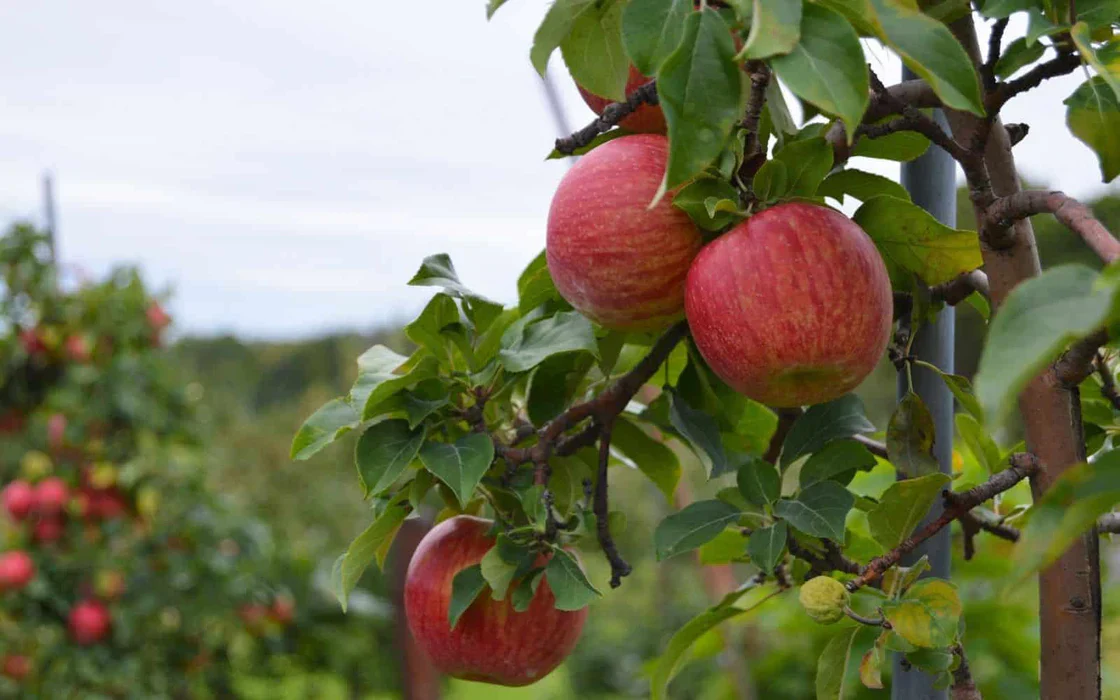
The Cortland apple is a classic American variety that has been popular for over 100 years. It is known for its crisp texture, sweet-tart flavor, and slow-browning flesh, making it a versatile apple that can be enjoyed fresh, baked, or cooked. Cortland apples are medium-sized and round, with a bright red skin and yellow highlights. They are typically harvested in early fall, but can be stored for several months. Cortland trees are hardy and cold-tolerant, making them a good choice for growers in cooler climates.
Fruit Size: Medium
Fruit Shape: Round
Fruit Taste: Sweet-tart
Fruit Color: Bright red with yellow highlights
Cold Hours: 800-1000
Fruit Maturity Time: Early fall (September)
Flowering Time: Mid-season (April-May)
Pollination:
Cortland apple trees are self-fertile, meaning that they can produce fruit without pollen from another apple tree. However, they will produce a larger and more consistent crop if they are cross-pollinated by another apple variety. See our Pollination page for more information on cross-pollination varieties and requirements!
Product Information
Product Information
Shipping & Returns
Shipping & Returns
Description
The Cortland apple is a classic American variety that has been popular for over 100 years. It is known for its crisp texture, sweet-tart flavor, and slow-browning flesh, making it a versatile apple that can be enjoyed fresh, baked, or cooked. Cortland apples are medium-sized and round, with a bright red skin and yellow highlights. They are typically harvested in early fall, but can be stored for several months. Cortland trees are hardy and cold-tolerant, making them a good choice for growers in cooler climates.
Fruit Size: Medium
Fruit Shape: Round
Fruit Taste: Sweet-tart
Fruit Color: Bright red with yellow highlights
Cold Hours: 800-1000
Fruit Maturity Time: Early fall (September)
Flowering Time: Mid-season (April-May)
Pollination:
Cortland apple trees are self-fertile, meaning that they can produce fruit without pollen from another apple tree. However, they will produce a larger and more consistent crop if they are cross-pollinated by another apple variety. See our Pollination page for more information on cross-pollination varieties and requirements!