Apple, Sansa
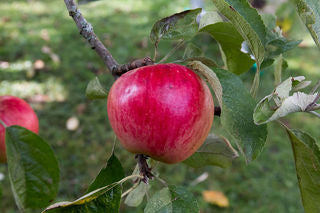
The Sansa apple is a cross between the Honeycrisp and Fuji apple varieties. It is a sweet, juicy apple with a crisp texture. The apples are medium to large in size and have a round to slightly conical shape. They are deep red in color with a yellow undertone. The Sansa apple is a late-ripening variety, typically maturing in late September or early October. It is a good pollinator for other apple varieties, such as Honeycrisp, Fuji, and Granny Smith.
Fruit Size: Medium to large
Shape: Round to slightly conical
Taste: Sweet and juicy with a crisp texture
Color: Deep red with a yellow undertone
Fruit Maturity Time: Late September or early October
Flowering Time: Mid to late April (slightly later than Honeycrisp)
Cold Hours: 800-1000
Pollination:
Apple trees need to be cross-pollinated in order to produce fruit. This means that the pollen from one variety of apple tree must be transferred to the stigma of another variety of apple tree. See our Pollination page for more information on cross-pollination varieties and requirements!
Product Information
Product Information
Shipping & Returns
Shipping & Returns
Description
The Sansa apple is a cross between the Honeycrisp and Fuji apple varieties. It is a sweet, juicy apple with a crisp texture. The apples are medium to large in size and have a round to slightly conical shape. They are deep red in color with a yellow undertone. The Sansa apple is a late-ripening variety, typically maturing in late September or early October. It is a good pollinator for other apple varieties, such as Honeycrisp, Fuji, and Granny Smith.
Fruit Size: Medium to large
Shape: Round to slightly conical
Taste: Sweet and juicy with a crisp texture
Color: Deep red with a yellow undertone
Fruit Maturity Time: Late September or early October
Flowering Time: Mid to late April (slightly later than Honeycrisp)
Cold Hours: 800-1000
Pollination:
Apple trees need to be cross-pollinated in order to produce fruit. This means that the pollen from one variety of apple tree must be transferred to the stigma of another variety of apple tree. See our Pollination page for more information on cross-pollination varieties and requirements!