Goji Berry
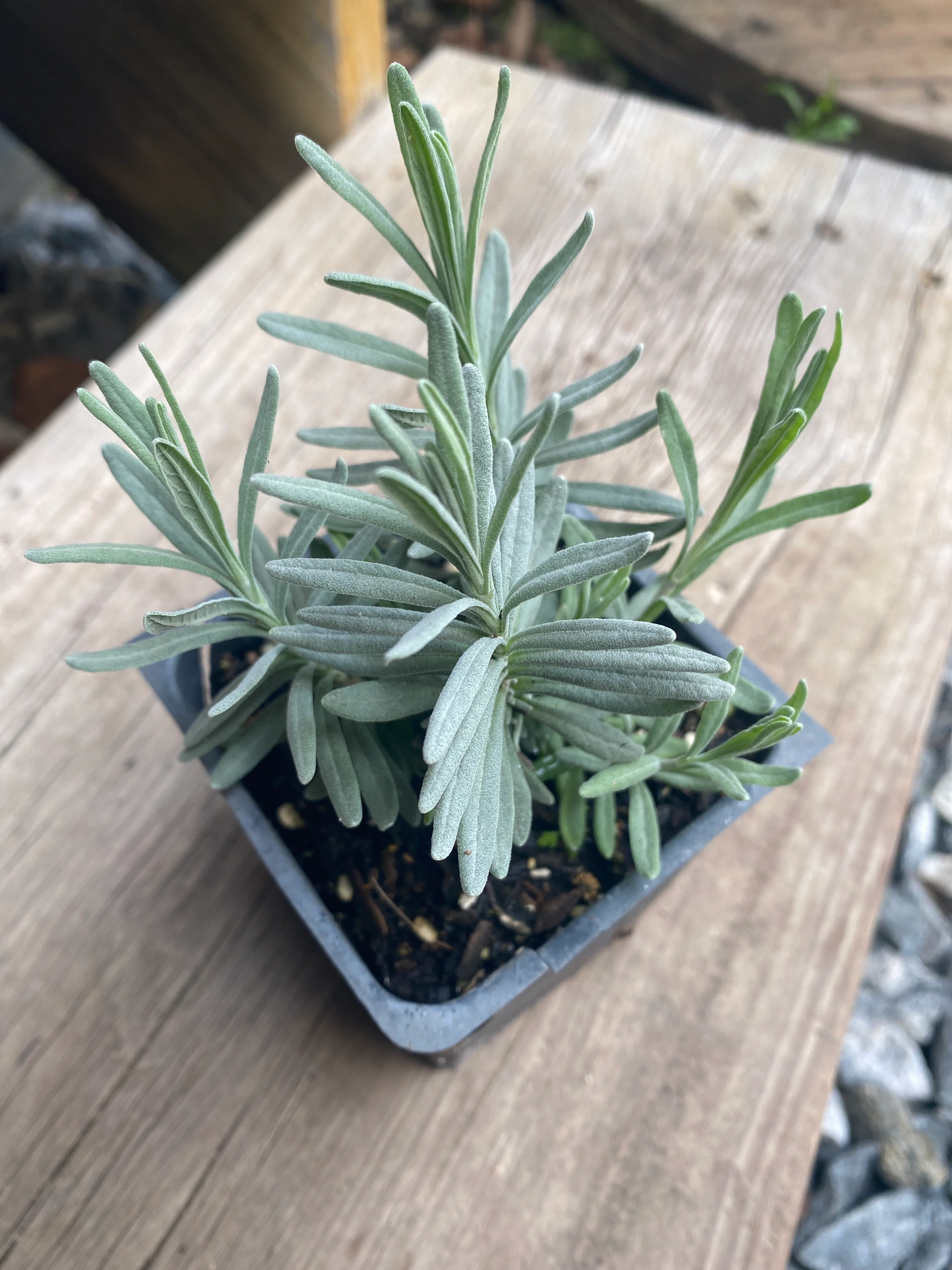
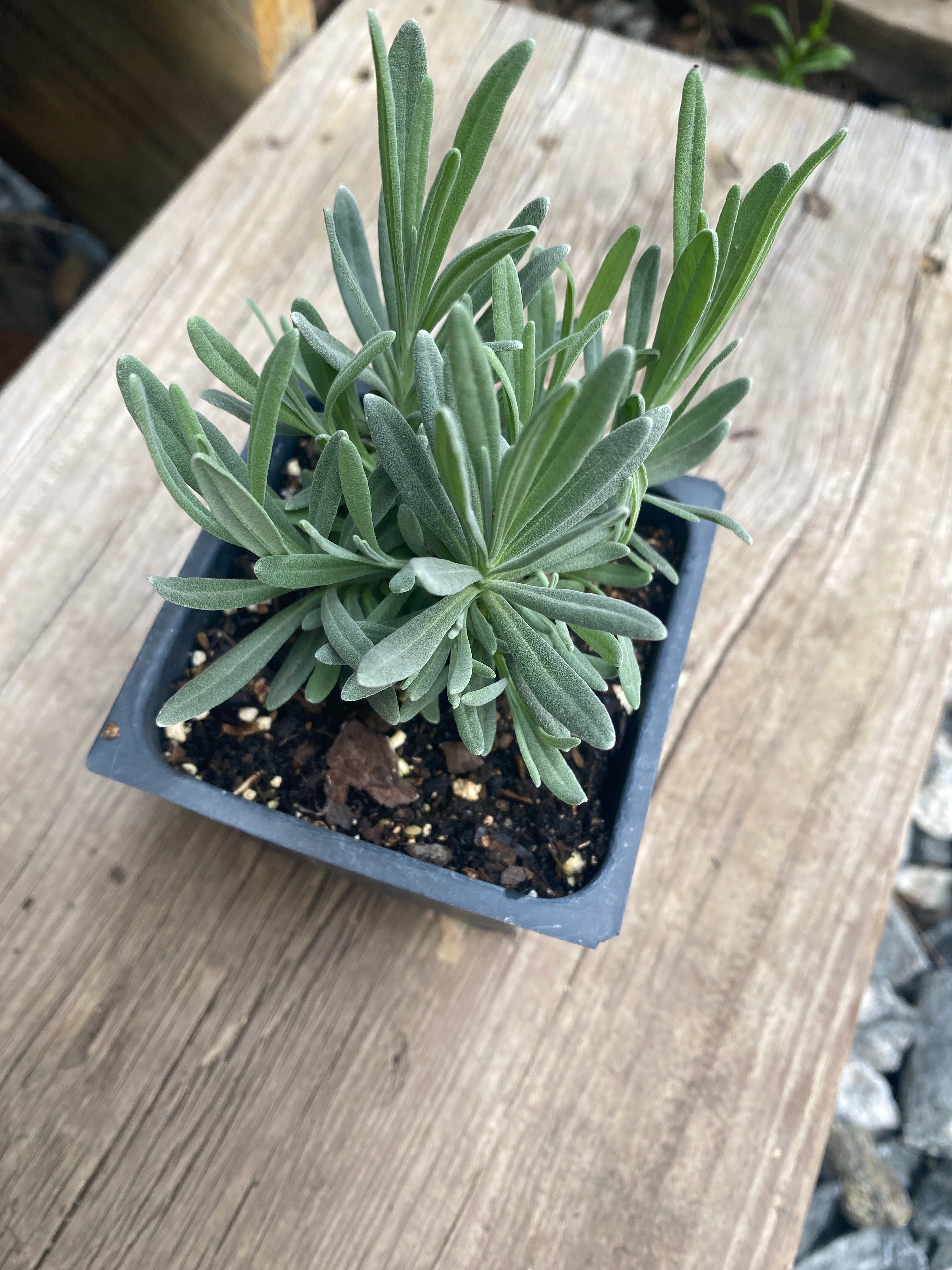
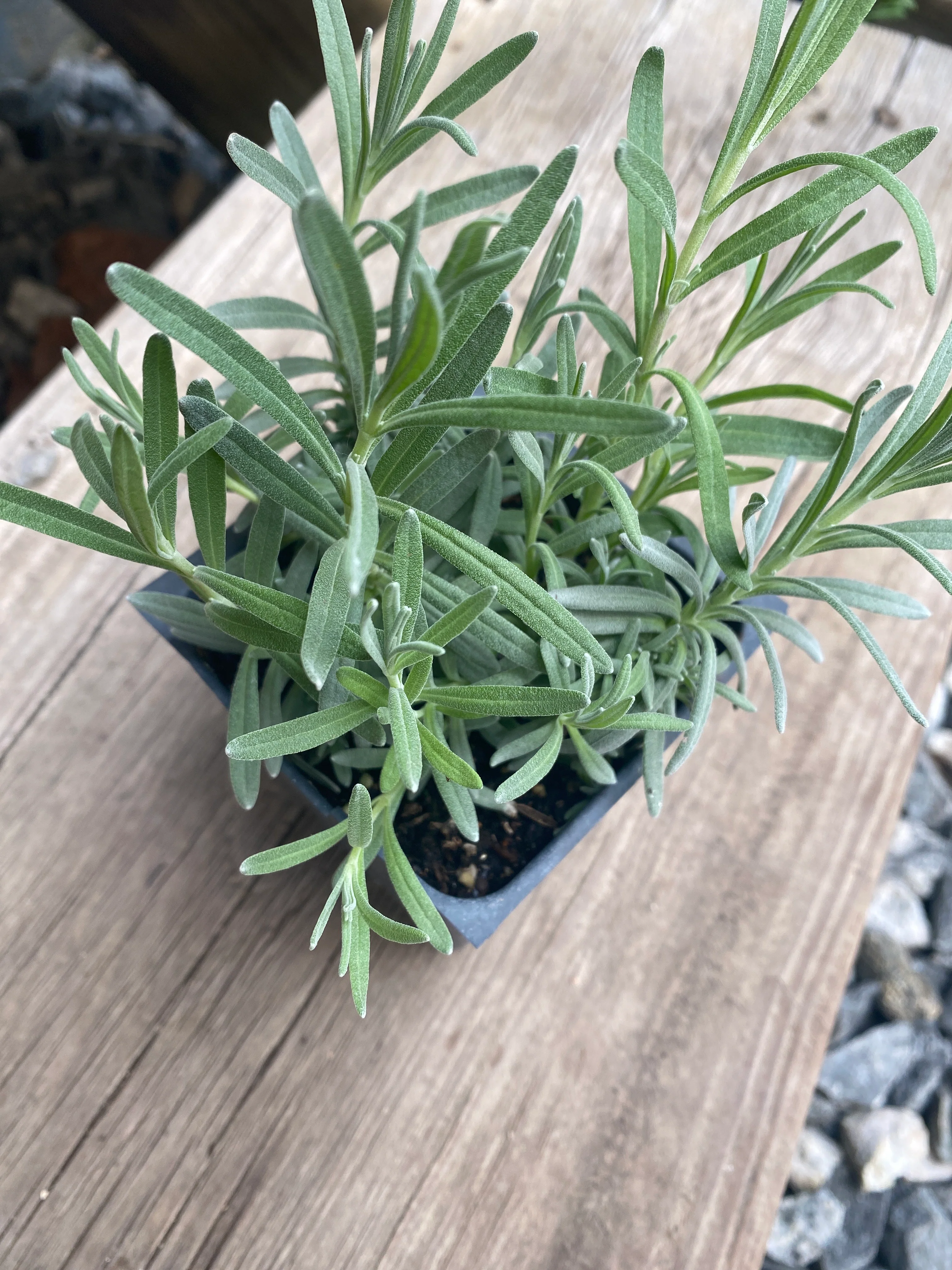
Goji Berry (Lycium barbarum)
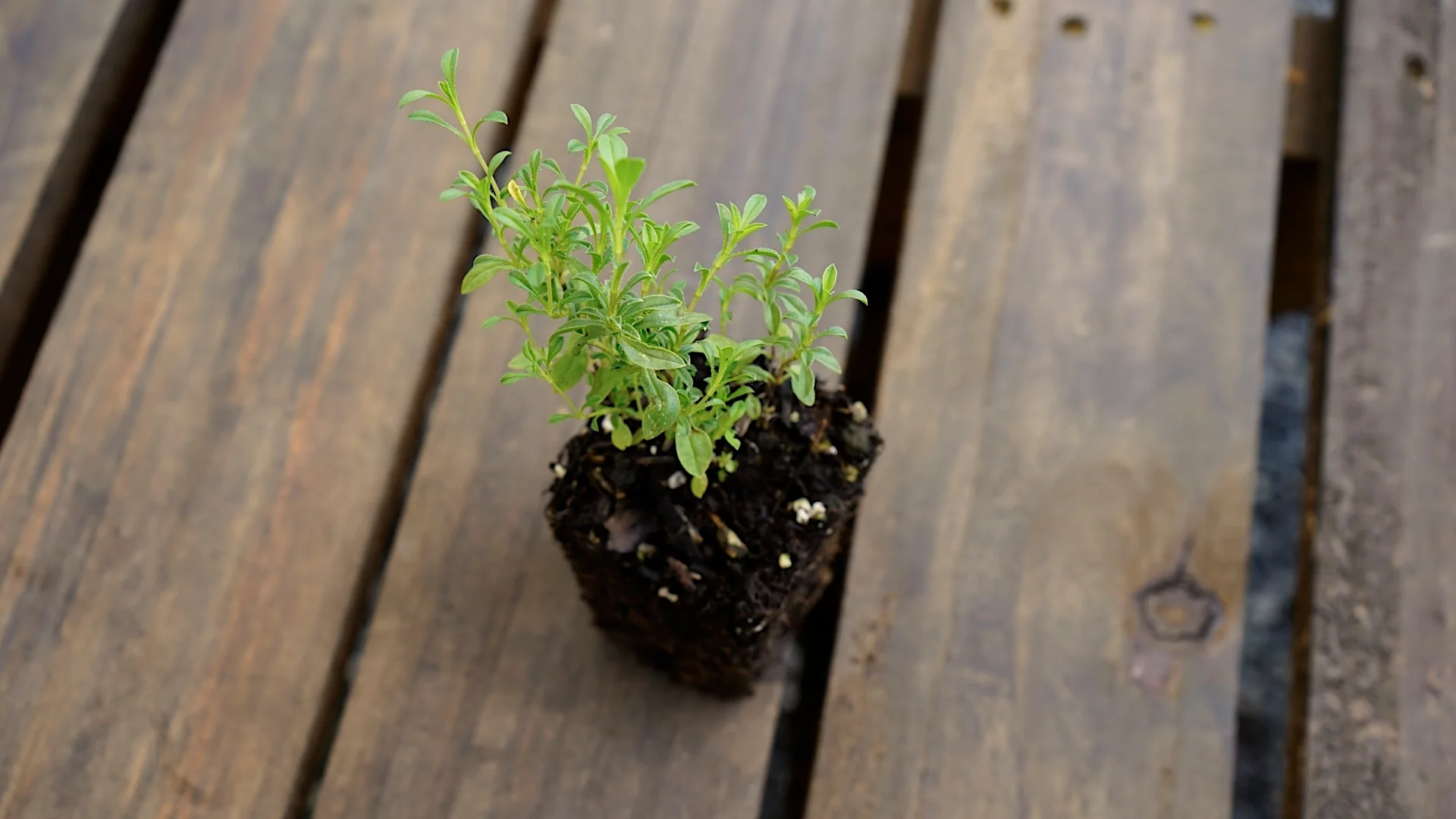
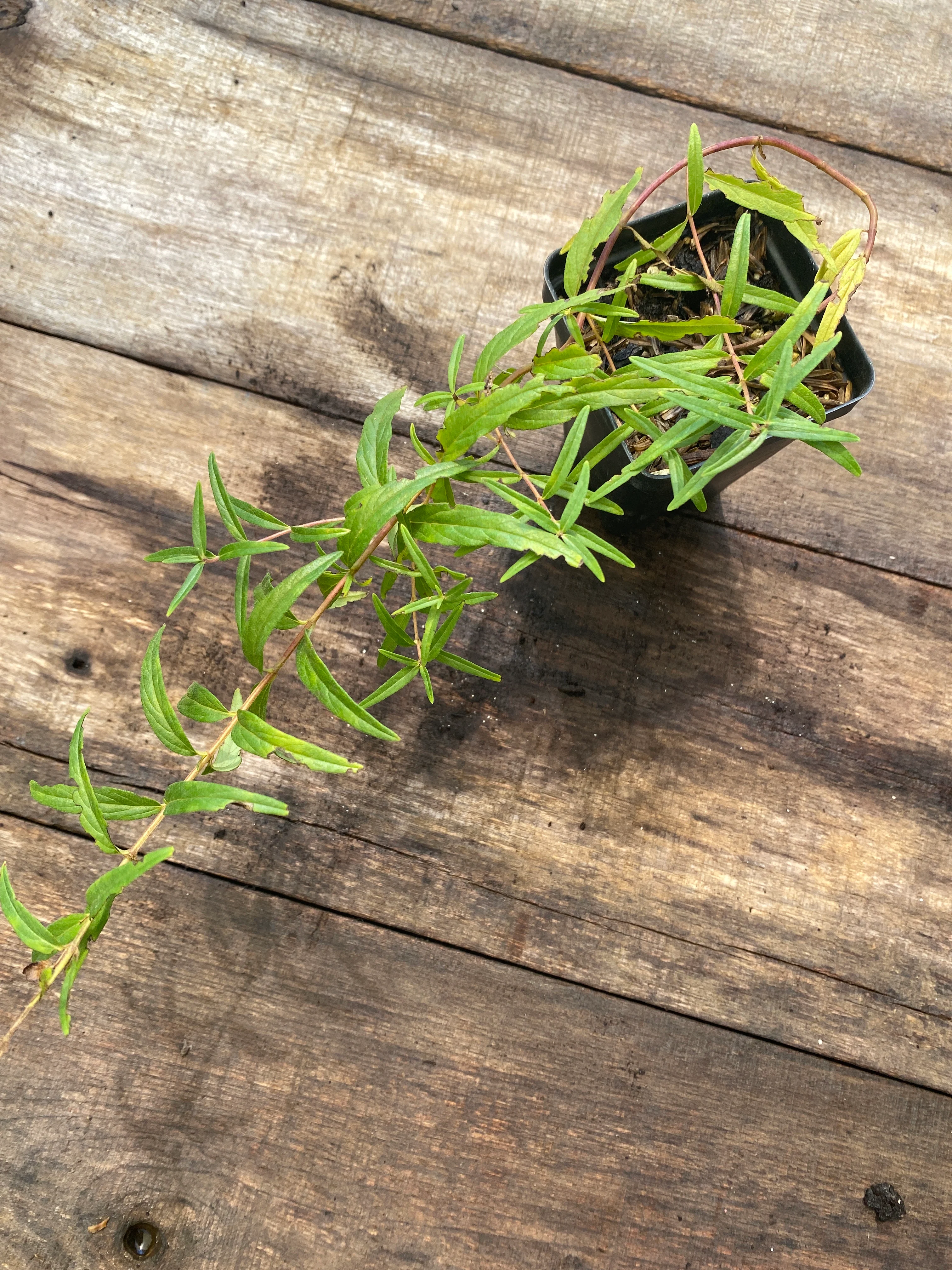
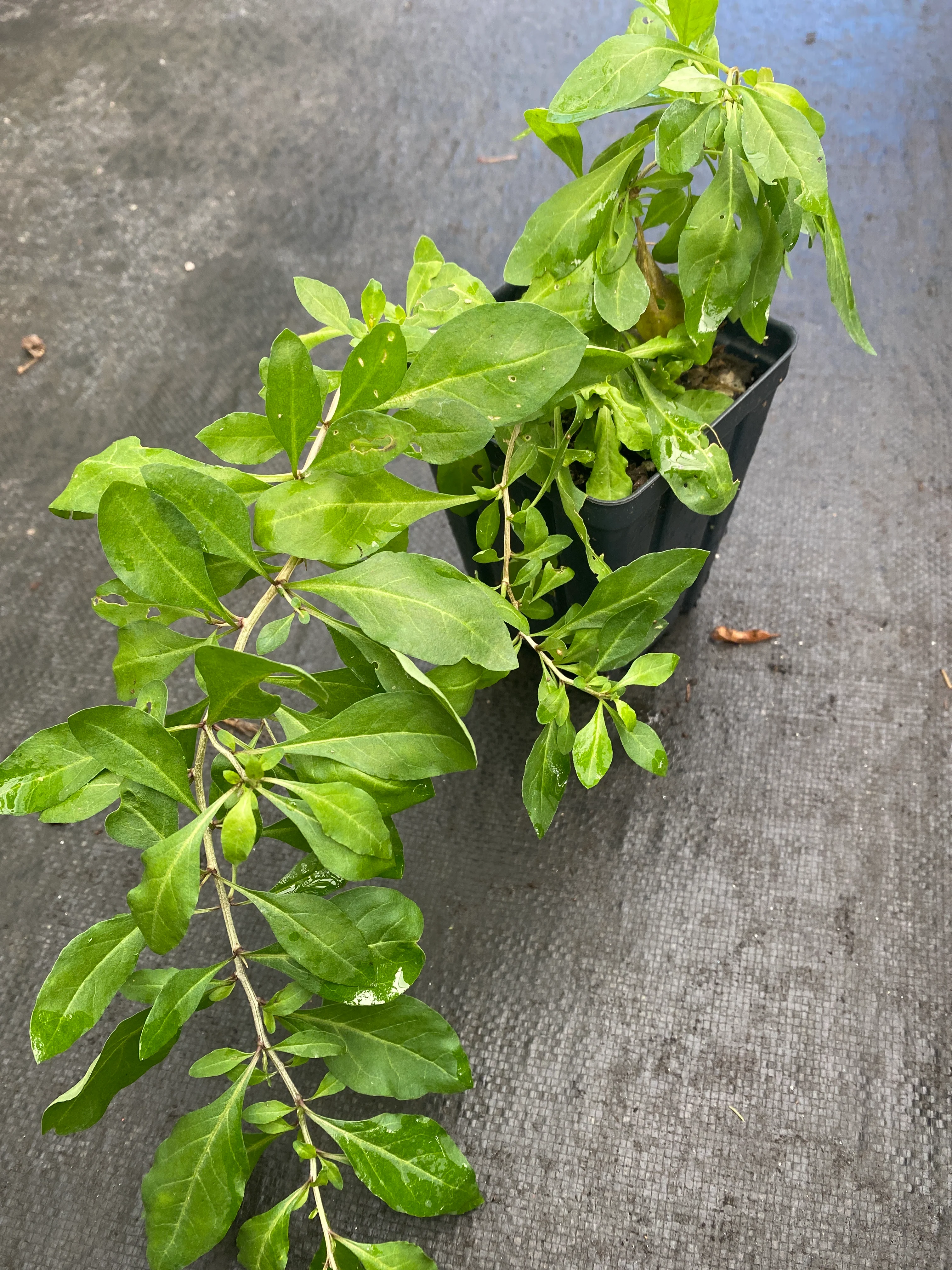
Goji berry, also known as wolfberry, is a hardy, nutrient-dense superfood shrub that produces bright red, sweet-tart berries packed with antioxidants, vitamins, and minerals. Traditionally used in Chinese medicine for centuries, goji berries are known for their immune-boosting and anti-aging properties. This drought-tolerant plant thrives in a wide range of conditions, making it an excellent addition to food forests, edible hedgerows, and home gardens. With its delicate purple flowers, arching habit, and high fruit yield, goji berry is both an ornamental and productive plant.
Key Characteristics
-
Nutrient-Dense Superfood with Antioxidant-Rich Berries
Goji berries are renowned for their high levels of vitamin C, beta-carotene, and essential amino acids. Traditionally consumed dried, fresh, or brewed into teas, they support immune function, eye health, and overall vitality. -
Long Fruit-Bearing Season for Continuous Harvests
Once established, goji berries begin producing fruit in mid-summer and continue through the first frost, providing an extended harvest of bright red, nutrient-packed berries. -
Adaptable, Drought-Tolerant, and Low-Maintenance
Goji berry thrives in poor soils and is highly drought-tolerant once established. Its vigorous, sprawling growth makes it suitable for hedgerows, food forests, and permaculture designs. -
Attracts Pollinators with Delicate Purple Flowers
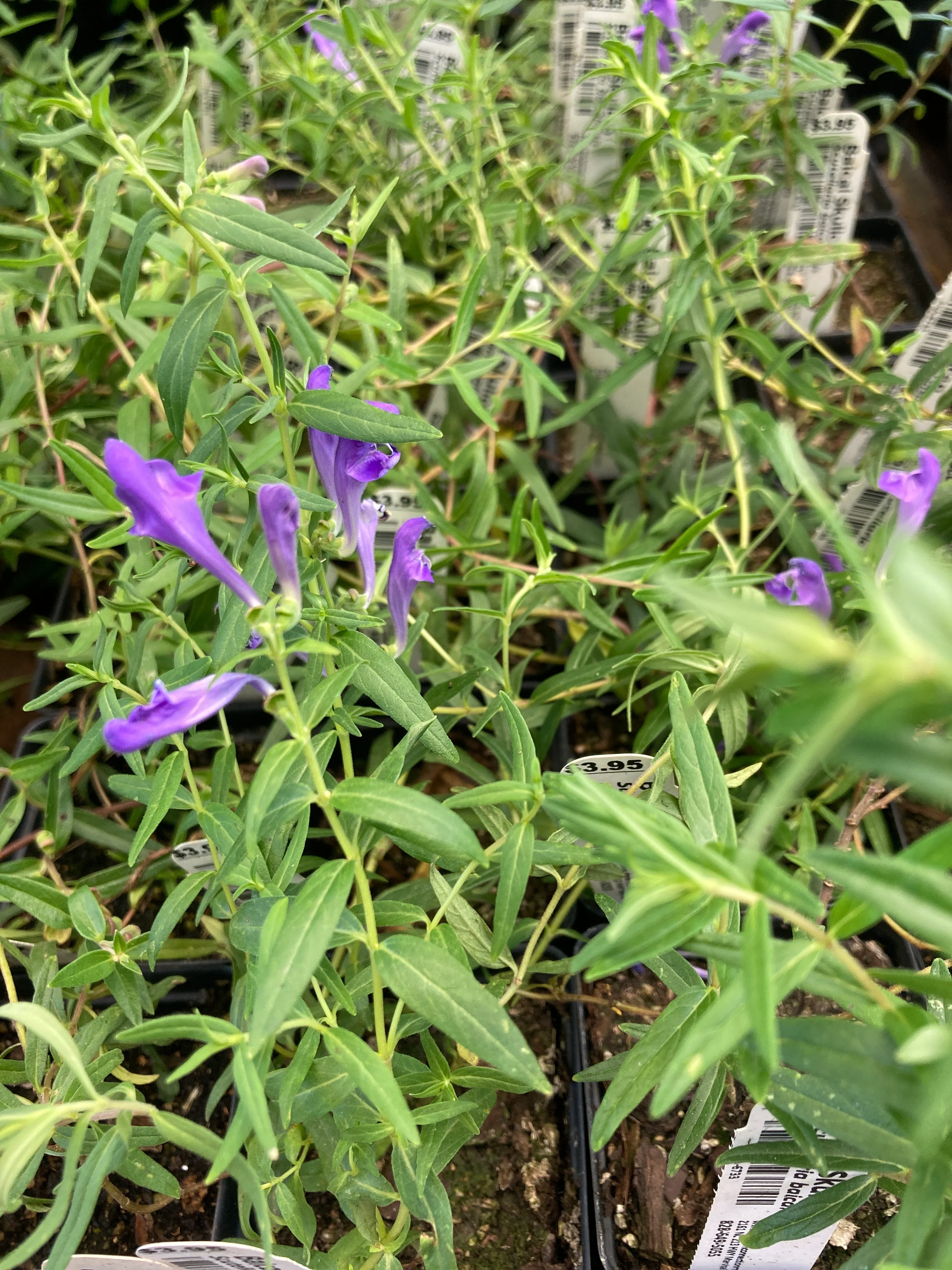
In late spring to early summer, goji berry plants bloom with small, trumpet-shaped purple flowers that attract bees, butterflies, and other beneficial insects. -
Ideal for Edible Landscaping and Container Growing
With its unique growth habit, goji berry can be trained on trellises, grown in containers, or used as a productive hedge in an edible landscape.
Product Details
- Native Range: China and Central Asia (introduced)
- Plant Life Cycle: Perennial
- Sun Requirements: Full sun
- Soil Requirements: Medium to dry, well-drained
- Mature Height: 6-10 feet
- Bloom Time: May - June
- Bloom Color: Purple
- Fruit Qualities: Small, bright red berries; sweet-tart flavor
- Fruit Uses: Fresh eating, drying, teas, juices, herbal medicine
- Fruit Ripening: July - October
- Pollination Requirements: Self-fertile
- USDA Hardiness Zones: 5-9
A resilient, nutrient-packed powerhouse, goji berry is perfect for home gardens, permaculture designs, and medicinal herb gardens, offering both high yields and ecological benefits.
Original: $11.95
-65%$11.95
$4.18Product Information
Product Information
Shipping & Returns
Shipping & Returns
Description
Goji Berry (Lycium barbarum)
Goji berry, also known as wolfberry, is a hardy, nutrient-dense superfood shrub that produces bright red, sweet-tart berries packed with antioxidants, vitamins, and minerals. Traditionally used in Chinese medicine for centuries, goji berries are known for their immune-boosting and anti-aging properties. This drought-tolerant plant thrives in a wide range of conditions, making it an excellent addition to food forests, edible hedgerows, and home gardens. With its delicate purple flowers, arching habit, and high fruit yield, goji berry is both an ornamental and productive plant.
Key Characteristics
-
Nutrient-Dense Superfood with Antioxidant-Rich Berries
Goji berries are renowned for their high levels of vitamin C, beta-carotene, and essential amino acids. Traditionally consumed dried, fresh, or brewed into teas, they support immune function, eye health, and overall vitality. -
Long Fruit-Bearing Season for Continuous Harvests
Once established, goji berries begin producing fruit in mid-summer and continue through the first frost, providing an extended harvest of bright red, nutrient-packed berries. -
Adaptable, Drought-Tolerant, and Low-Maintenance
Goji berry thrives in poor soils and is highly drought-tolerant once established. Its vigorous, sprawling growth makes it suitable for hedgerows, food forests, and permaculture designs. -
Attracts Pollinators with Delicate Purple Flowers
In late spring to early summer, goji berry plants bloom with small, trumpet-shaped purple flowers that attract bees, butterflies, and other beneficial insects. -
Ideal for Edible Landscaping and Container Growing
With its unique growth habit, goji berry can be trained on trellises, grown in containers, or used as a productive hedge in an edible landscape.
Product Details
- Native Range: China and Central Asia (introduced)
- Plant Life Cycle: Perennial
- Sun Requirements: Full sun
- Soil Requirements: Medium to dry, well-drained
- Mature Height: 6-10 feet
- Bloom Time: May - June
- Bloom Color: Purple
- Fruit Qualities: Small, bright red berries; sweet-tart flavor
- Fruit Uses: Fresh eating, drying, teas, juices, herbal medicine
- Fruit Ripening: July - October
- Pollination Requirements: Self-fertile
- USDA Hardiness Zones: 5-9
A resilient, nutrient-packed powerhouse, goji berry is perfect for home gardens, permaculture designs, and medicinal herb gardens, offering both high yields and ecological benefits.