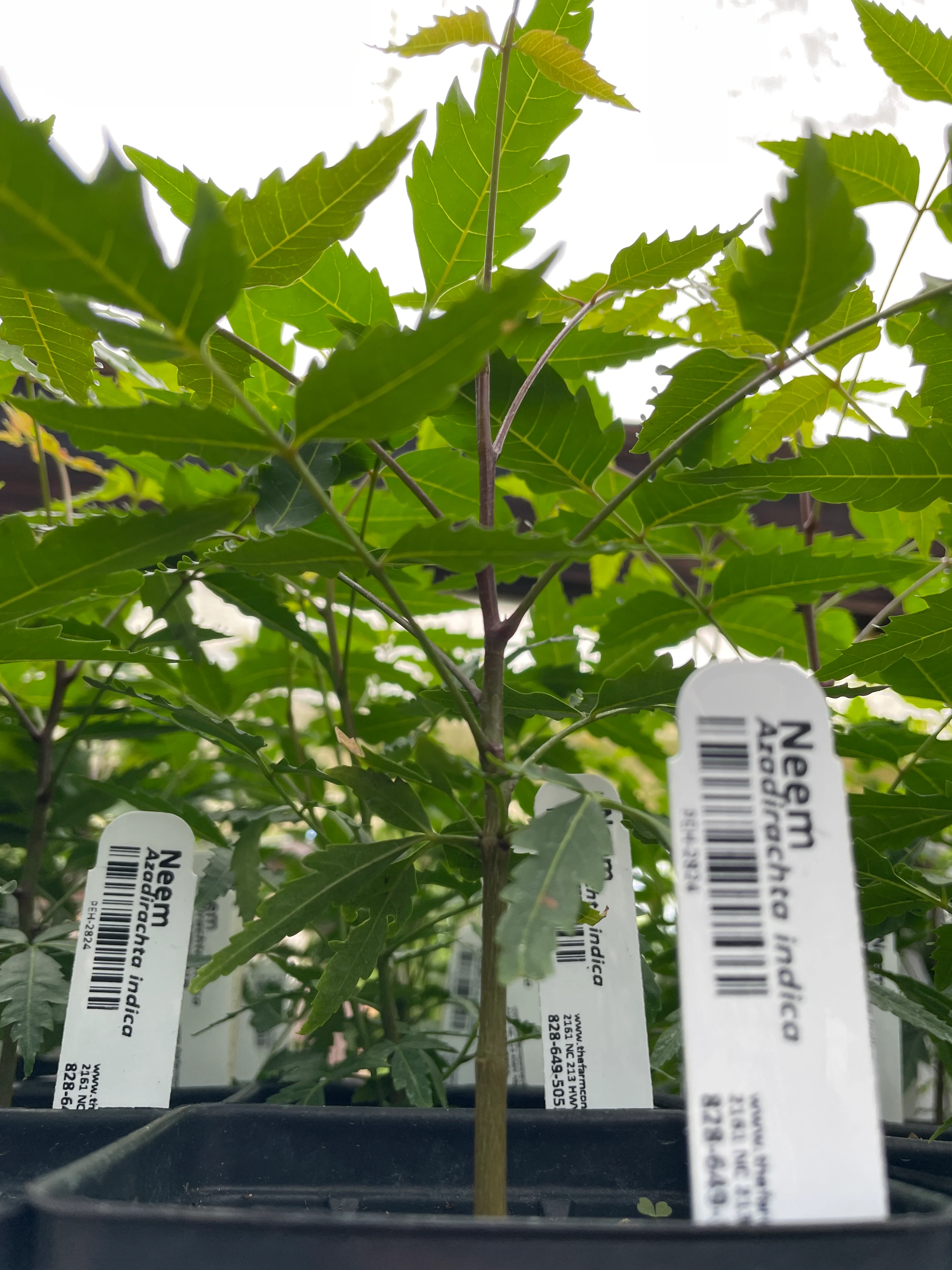
Neem
Neem (Azadirachta indica)
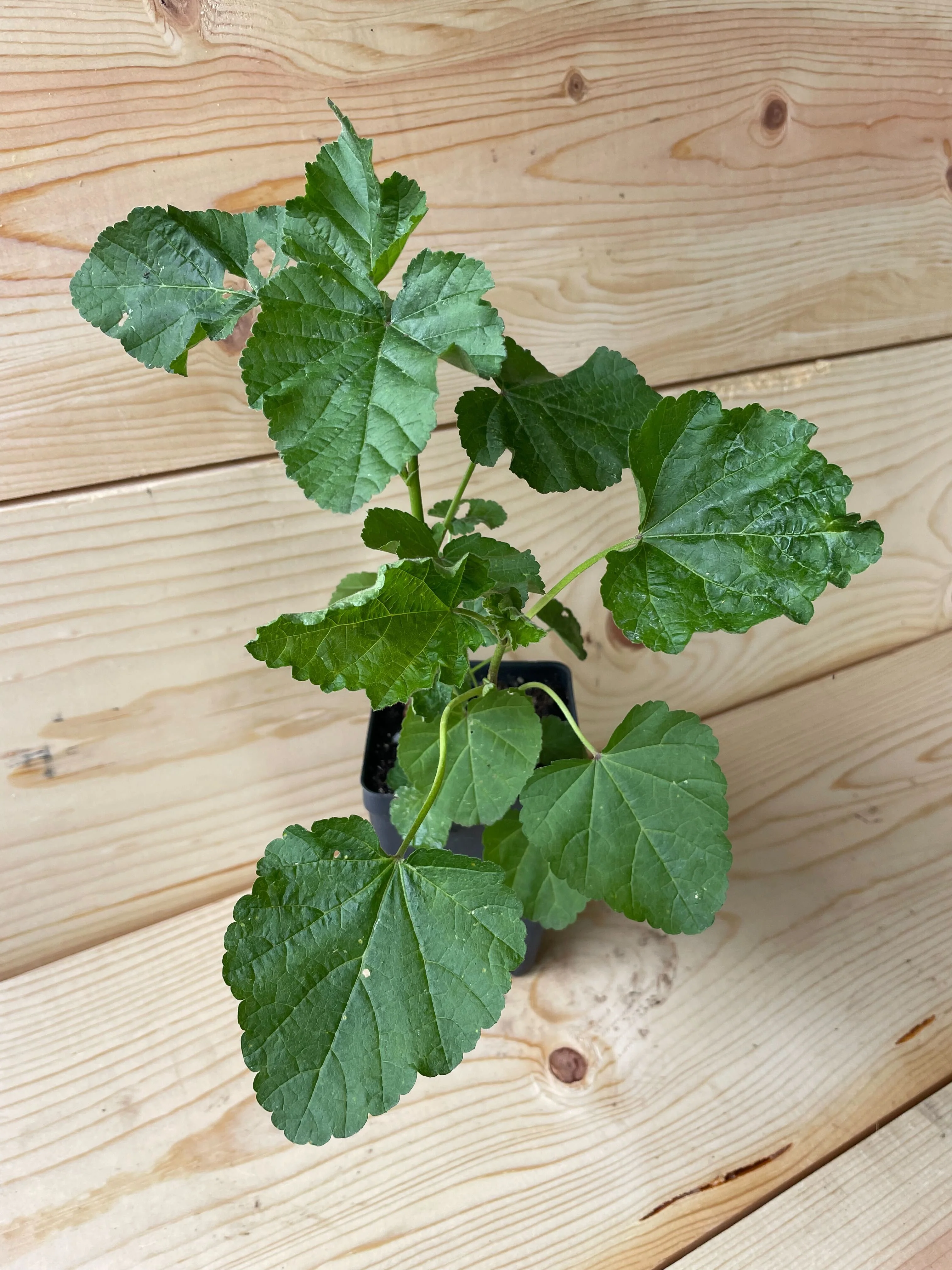
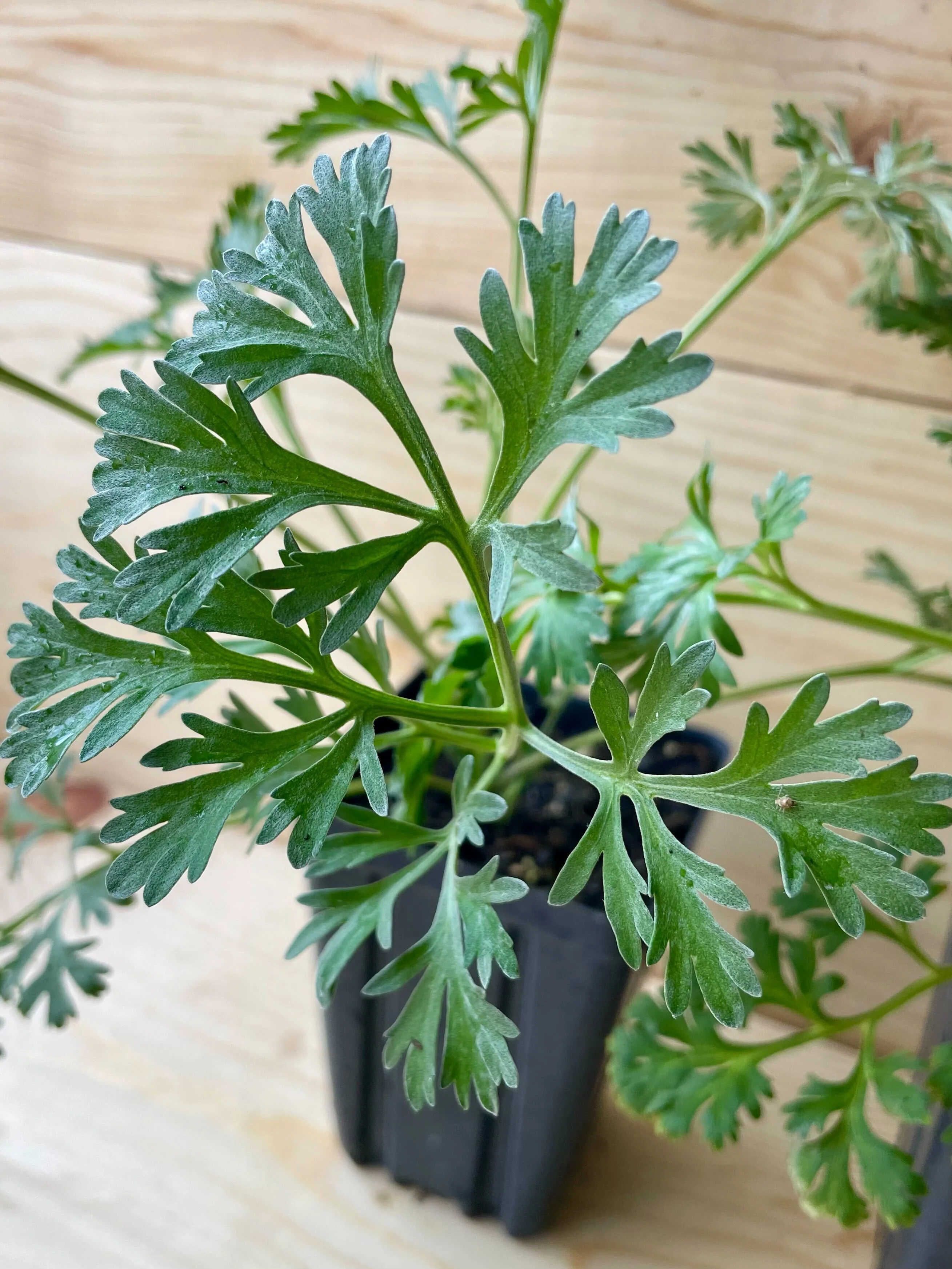
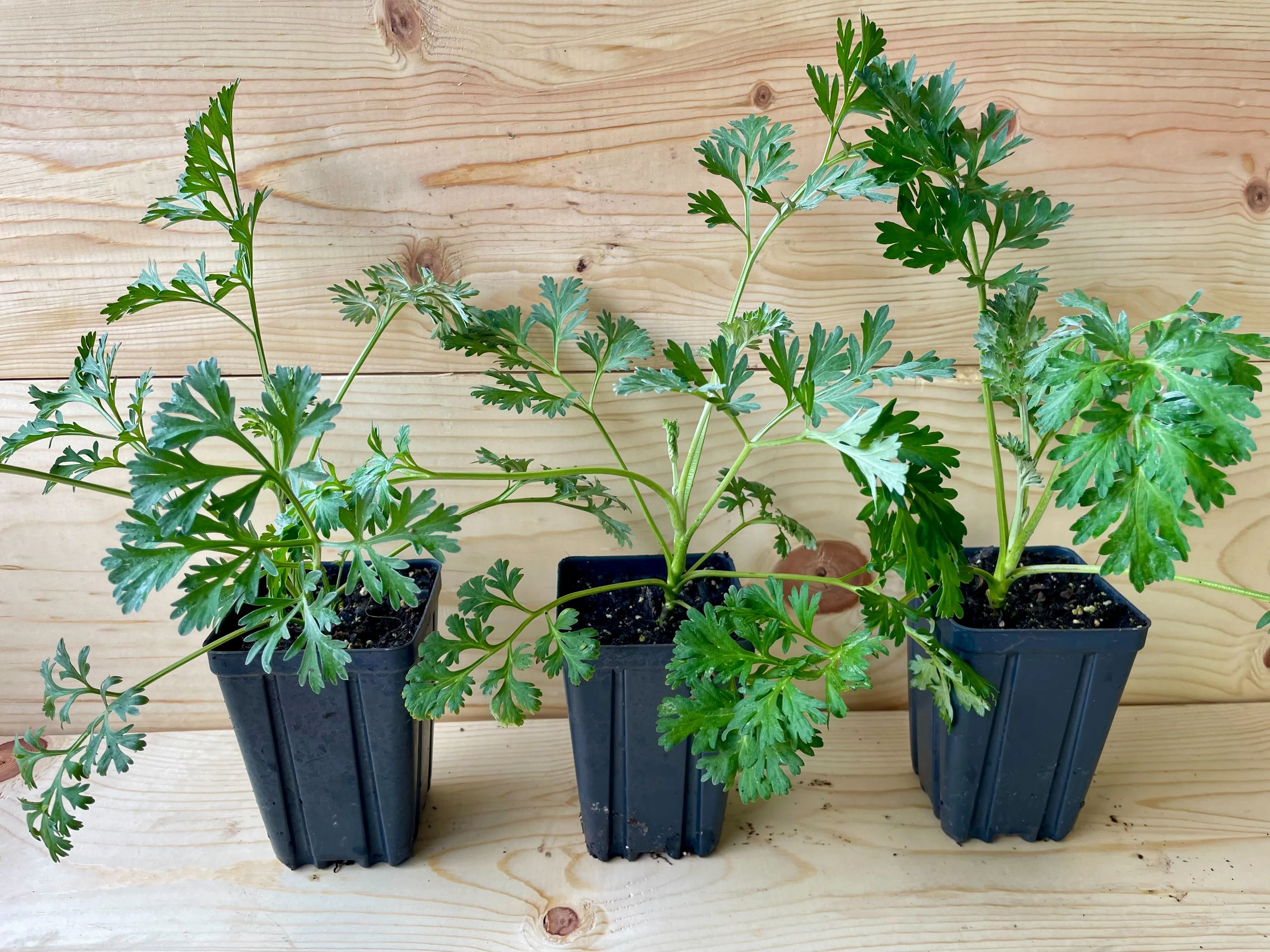
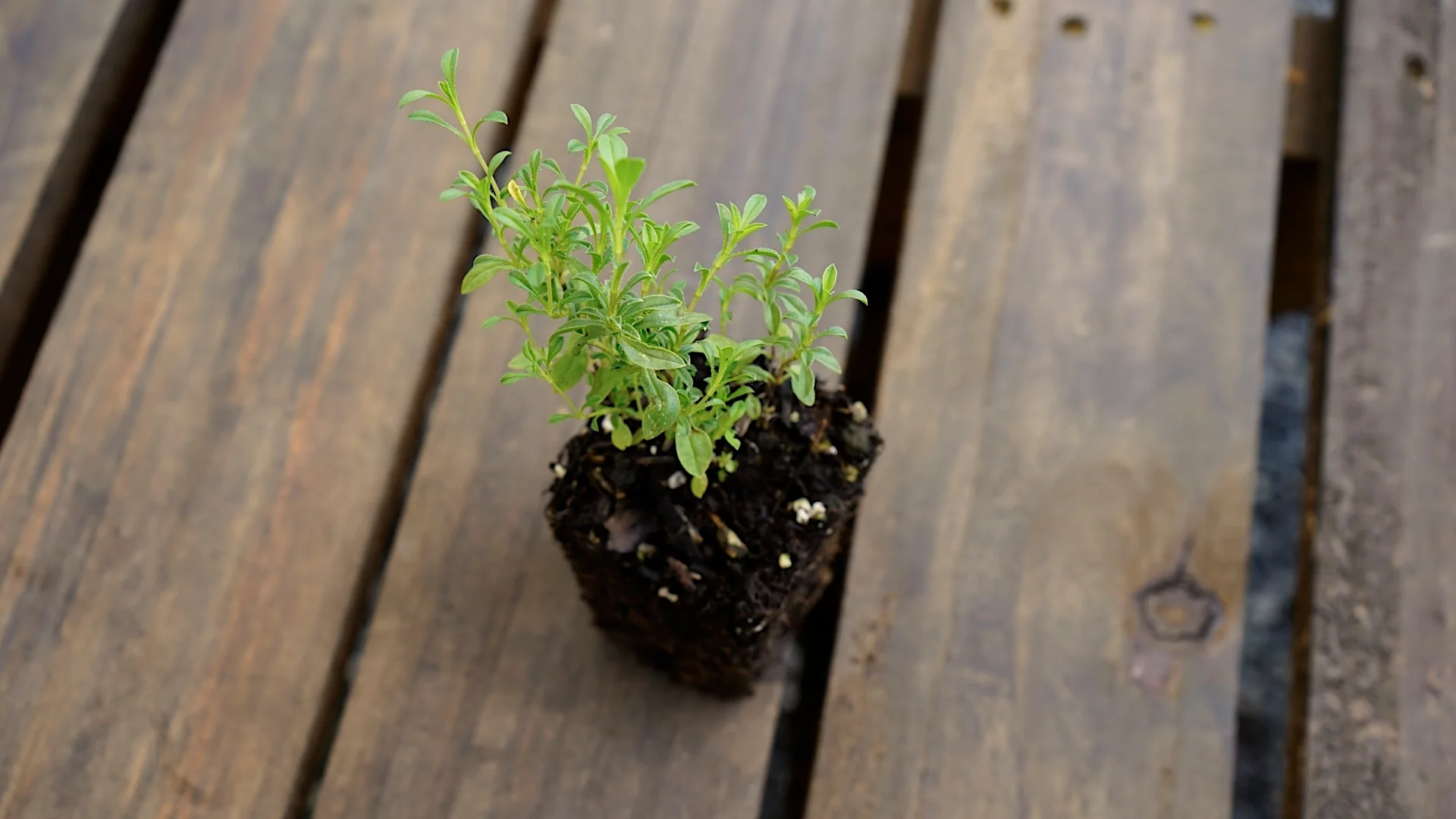
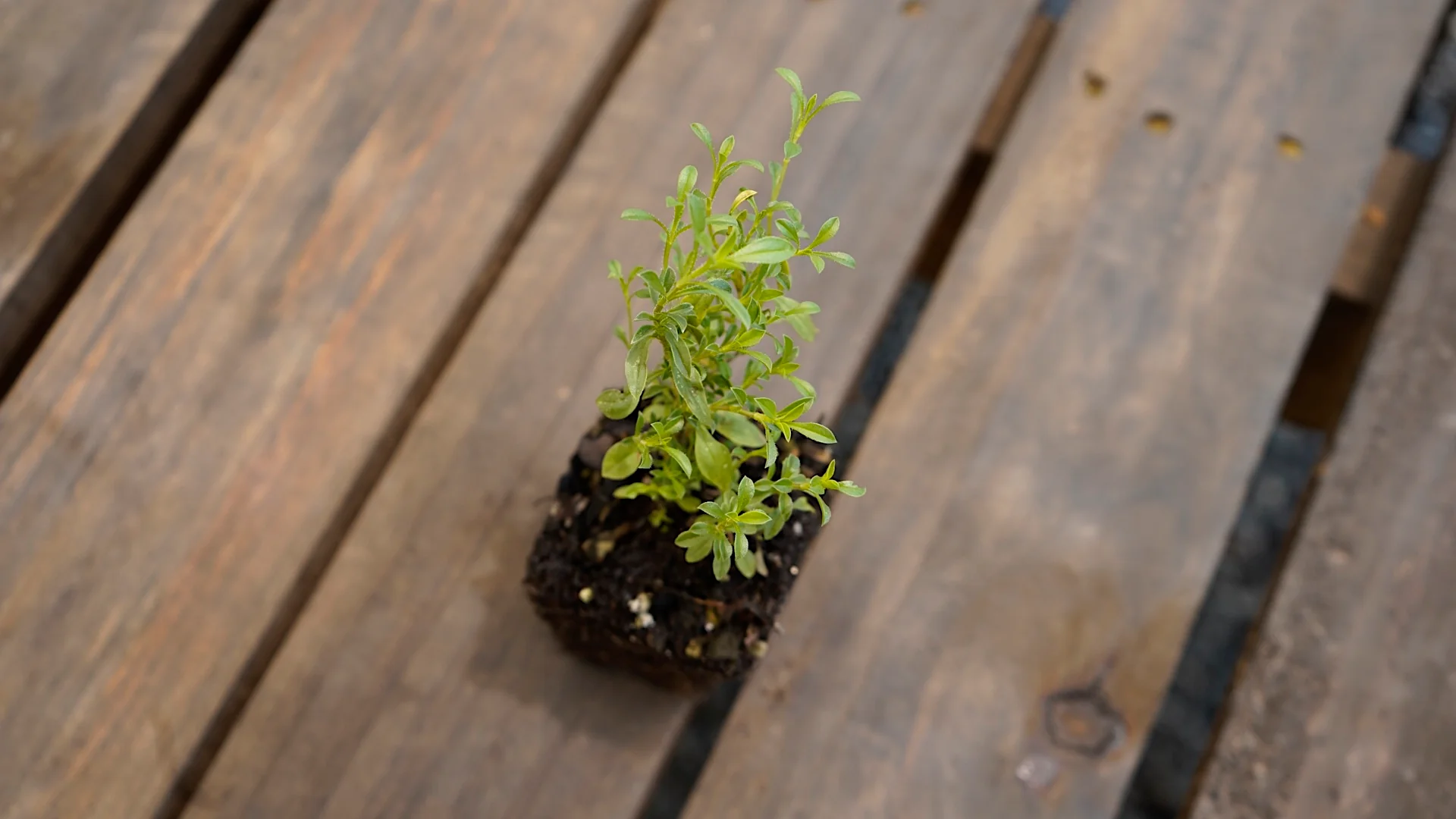
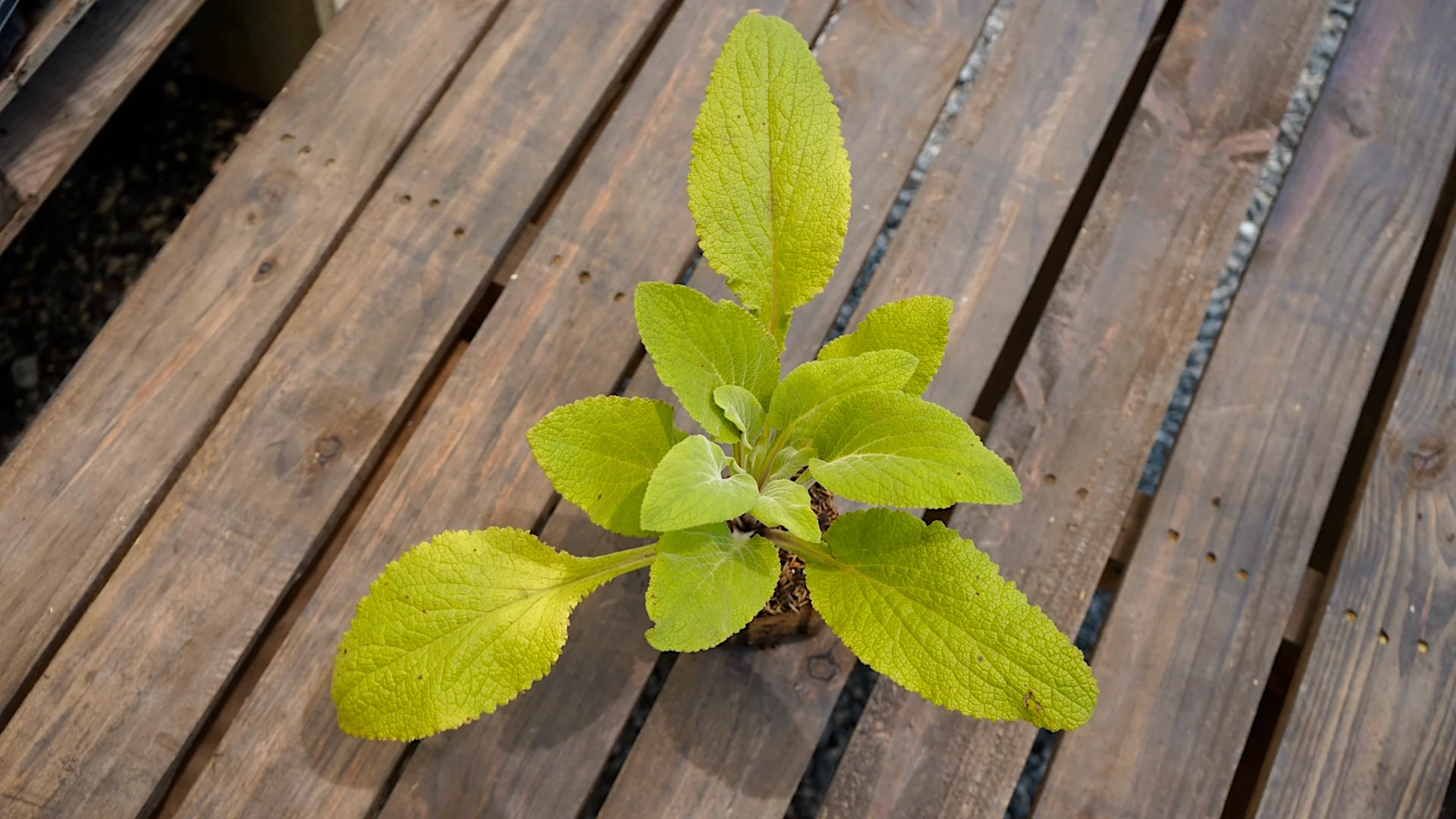
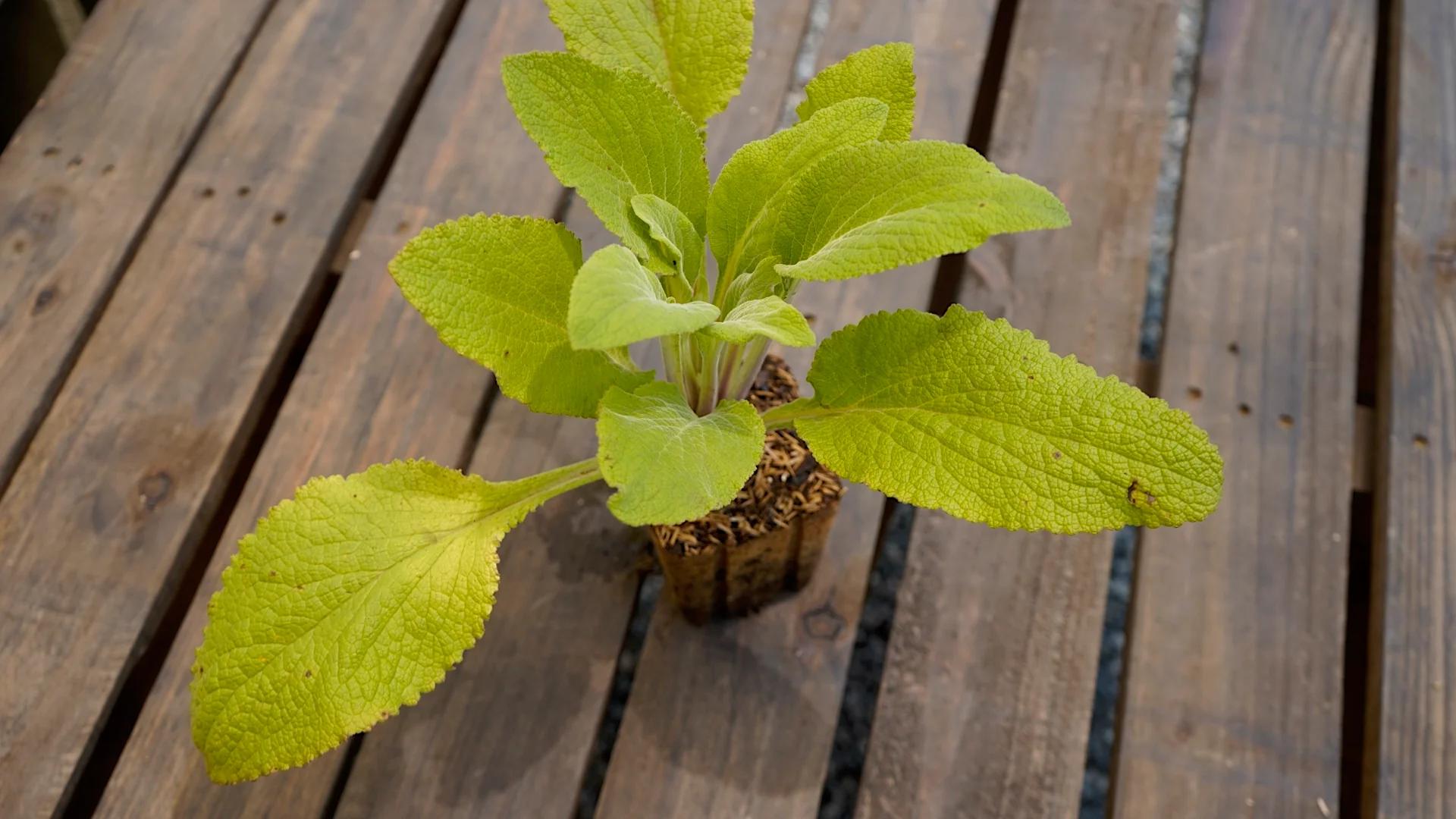
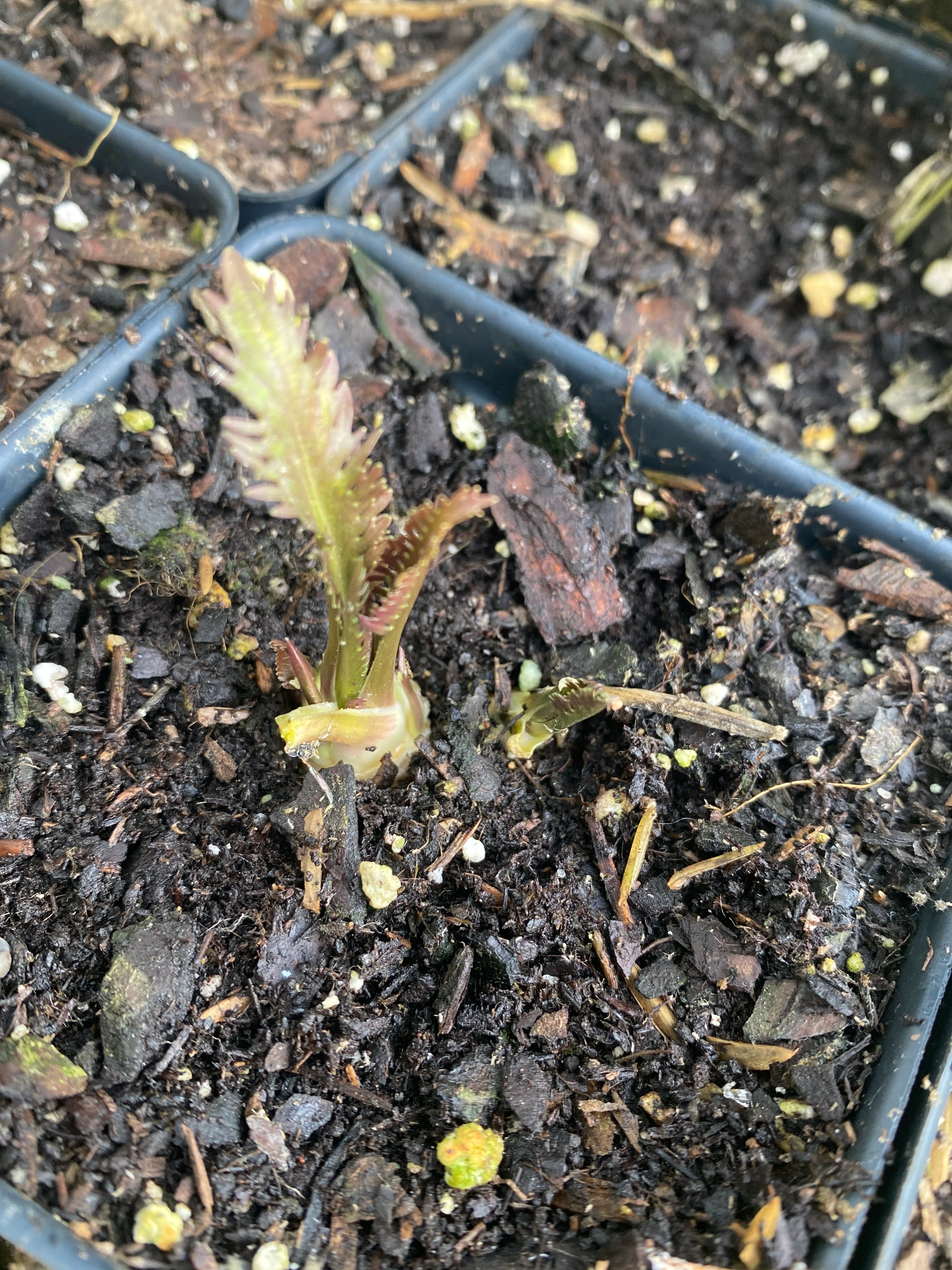
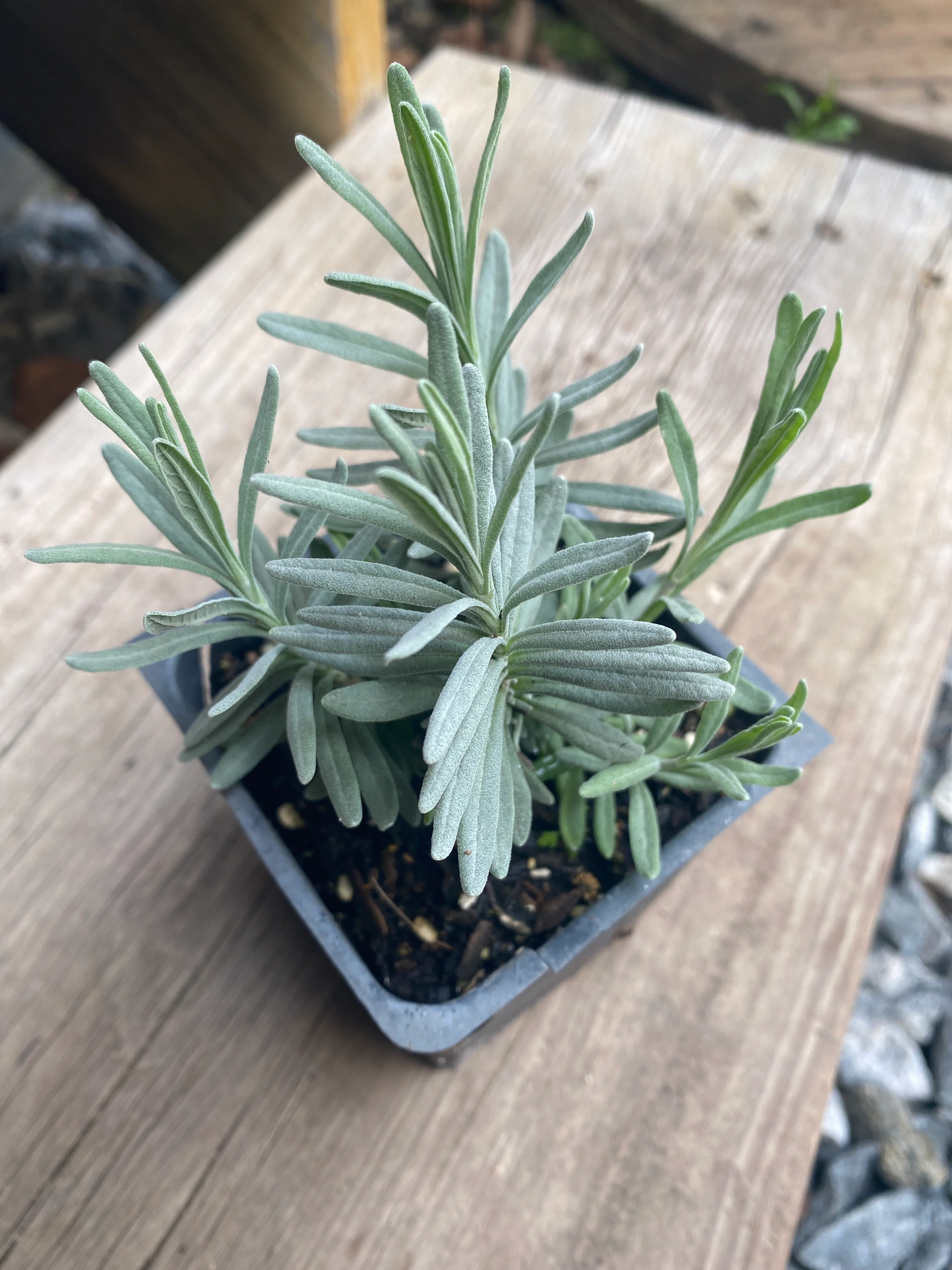
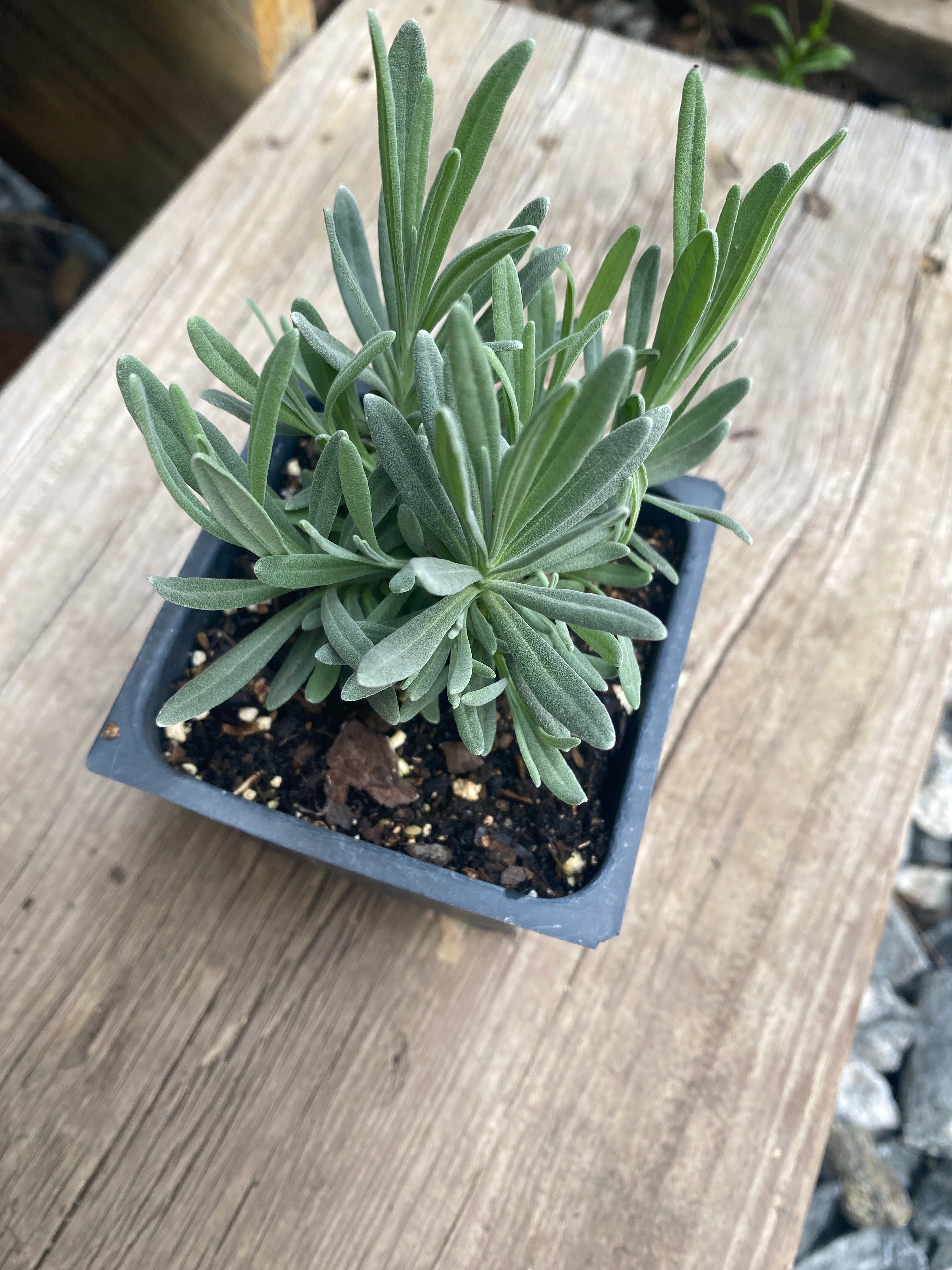
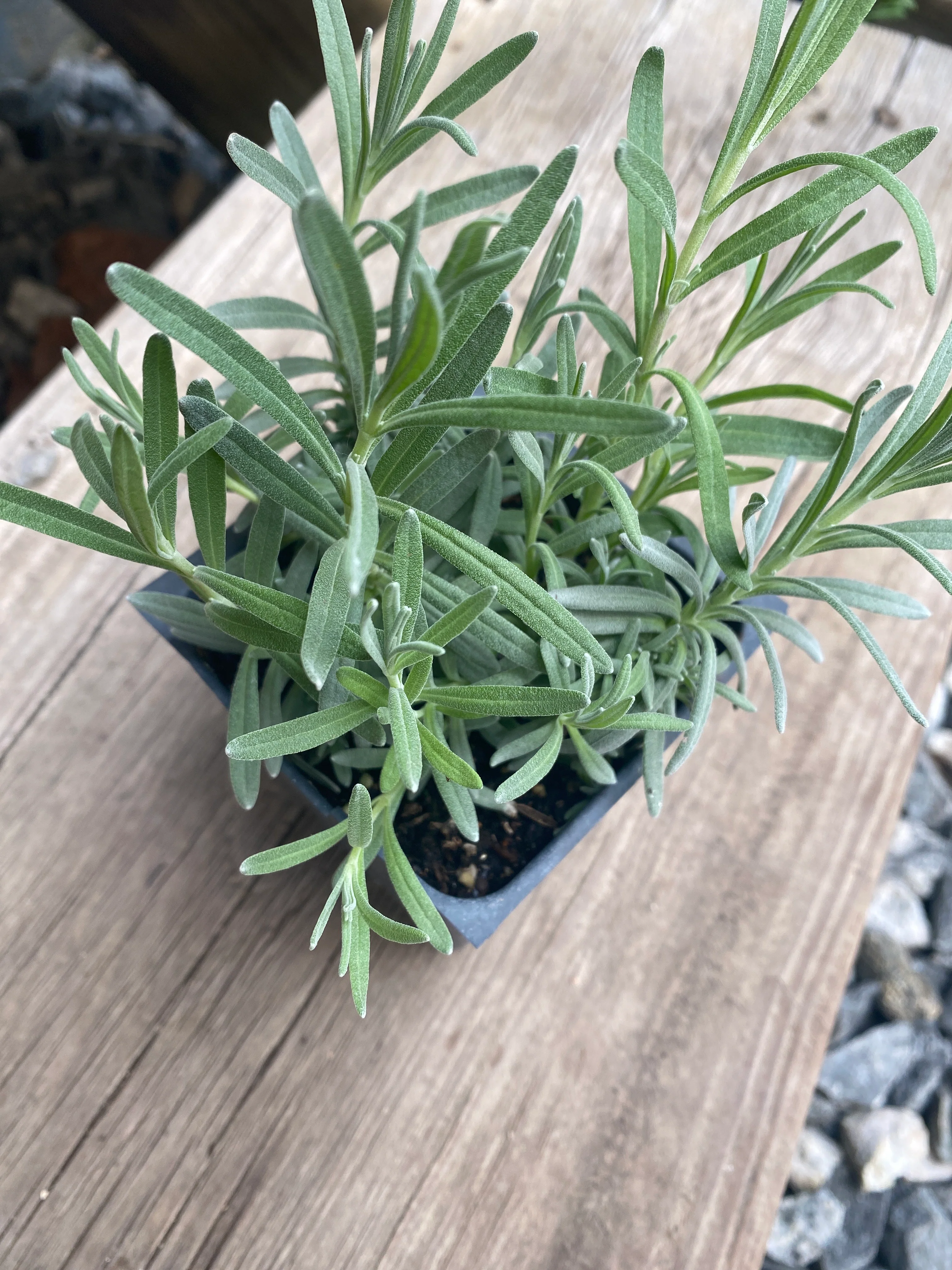
Neem is a fast-growing, evergreen tree known for its remarkable medicinal, pesticidal, and soil-enhancing properties. Native to the Indian subcontinent, neem has been revered for centuries in Ayurvedic medicine and traditional farming systems. Every part of the plant-leaves, bark, seeds, oil, and even the flowers-offers a wide array of uses, particularly for health, pest management, and regenerative land practices. Its adaptability to dry climates and poor soils makes neem a valuable addition to drought-tolerant herb gardens, food forests, and homesteads focused on self-reliance.
Key Characteristics
-
Traditional Medicinal Uses Across Plant Parts
Neem leaves are used for their antibacterial, antifungal, antiviral, and anti-inflammatory properties-commonly applied in skin treatments, teas, and internal detoxification remedies. Neem oil, pressed from the seeds, is a potent antiparasitic and skin treatment, while the bark is traditionally used in dental care and digestive remedies. In Ayurveda, neem is known as a powerful "blood purifier." -
Natural Pest Repellent and Soil Enhancer
Neem oil is widely used in organic gardening as a natural pesticide and fungicide, effective against aphids, mites, whiteflies, and fungal diseases. Neem cake, a byproduct of oil extraction, is an excellent organic fertilizer and nematode repellent when worked into the soil-improving both fertility and pest resistance. -
Ideal for Drought-Resilient, Regenerative Systems
Neem thrives in arid and semi-arid climates, requiring little water once established. Its deep roots stabilize soil, and its leaf litter improves organic matter content. It's well-suited for regenerative agroforestry projects, hedgerows, windbreaks, and dryland permaculture systems, especially in tropical and subtropical zones. -
Pollinator and Insect Habitat Value
Neem flowers are highly fragrant and attract a variety of beneficial insects, including pollinators like bees and hoverflies. Though not a primary nectar source, it supports integrated pest management strategies by drawing in predatory insects and promoting ecological balance. -
Multipurpose Landscape Integration
Neem makes a durable addition to food forests, medicinal herb gardens, dryland orchards, or as a natural living fence. Its year-round foliage provides light shade and functions well as a nurse tree in tropical systems. It should be planted with spacing in mind due to its mature size.
Product Details
- Native Range: Indian subcontinent (non-native in the Americas)
- Plant Life Cycle: Evergreen tree
- Sun Requirements: Full sun
- Soil Requirements: Medium-dry to dry; well-drained soils
- Mature Height: 40-60 ft (can be pruned for smaller size)
- Bloom Time: Spring (varies by climate)
- Bloom Color: White to pale yellow
- USDA Hardiness Zones: 10-12 (not frost-tolerant; container grown in colder zones)
Neem is a powerhouse plant for the herbalist, permaculturist, and natural farmer-combining medicinal potency, ecological resilience, and broad-spectrum uses from skin care to soil health. In warm climates, neem offers both healing and horticultural value in one remarkable tree.
Original: $12.95
-65%$12.95
$4.53Product Information
Product Information
Shipping & Returns
Shipping & Returns
Description
Neem (Azadirachta indica)
Neem is a fast-growing, evergreen tree known for its remarkable medicinal, pesticidal, and soil-enhancing properties. Native to the Indian subcontinent, neem has been revered for centuries in Ayurvedic medicine and traditional farming systems. Every part of the plant-leaves, bark, seeds, oil, and even the flowers-offers a wide array of uses, particularly for health, pest management, and regenerative land practices. Its adaptability to dry climates and poor soils makes neem a valuable addition to drought-tolerant herb gardens, food forests, and homesteads focused on self-reliance.
Key Characteristics
-
Traditional Medicinal Uses Across Plant Parts
Neem leaves are used for their antibacterial, antifungal, antiviral, and anti-inflammatory properties-commonly applied in skin treatments, teas, and internal detoxification remedies. Neem oil, pressed from the seeds, is a potent antiparasitic and skin treatment, while the bark is traditionally used in dental care and digestive remedies. In Ayurveda, neem is known as a powerful "blood purifier." -
Natural Pest Repellent and Soil Enhancer
Neem oil is widely used in organic gardening as a natural pesticide and fungicide, effective against aphids, mites, whiteflies, and fungal diseases. Neem cake, a byproduct of oil extraction, is an excellent organic fertilizer and nematode repellent when worked into the soil-improving both fertility and pest resistance. -
Ideal for Drought-Resilient, Regenerative Systems
Neem thrives in arid and semi-arid climates, requiring little water once established. Its deep roots stabilize soil, and its leaf litter improves organic matter content. It's well-suited for regenerative agroforestry projects, hedgerows, windbreaks, and dryland permaculture systems, especially in tropical and subtropical zones. -
Pollinator and Insect Habitat Value
Neem flowers are highly fragrant and attract a variety of beneficial insects, including pollinators like bees and hoverflies. Though not a primary nectar source, it supports integrated pest management strategies by drawing in predatory insects and promoting ecological balance. -
Multipurpose Landscape Integration
Neem makes a durable addition to food forests, medicinal herb gardens, dryland orchards, or as a natural living fence. Its year-round foliage provides light shade and functions well as a nurse tree in tropical systems. It should be planted with spacing in mind due to its mature size.
Product Details
- Native Range: Indian subcontinent (non-native in the Americas)
- Plant Life Cycle: Evergreen tree
- Sun Requirements: Full sun
- Soil Requirements: Medium-dry to dry; well-drained soils
- Mature Height: 40-60 ft (can be pruned for smaller size)
- Bloom Time: Spring (varies by climate)
- Bloom Color: White to pale yellow
- USDA Hardiness Zones: 10-12 (not frost-tolerant; container grown in colder zones)
Neem is a powerhouse plant for the herbalist, permaculturist, and natural farmer-combining medicinal potency, ecological resilience, and broad-spectrum uses from skin care to soil health. In warm climates, neem offers both healing and horticultural value in one remarkable tree.