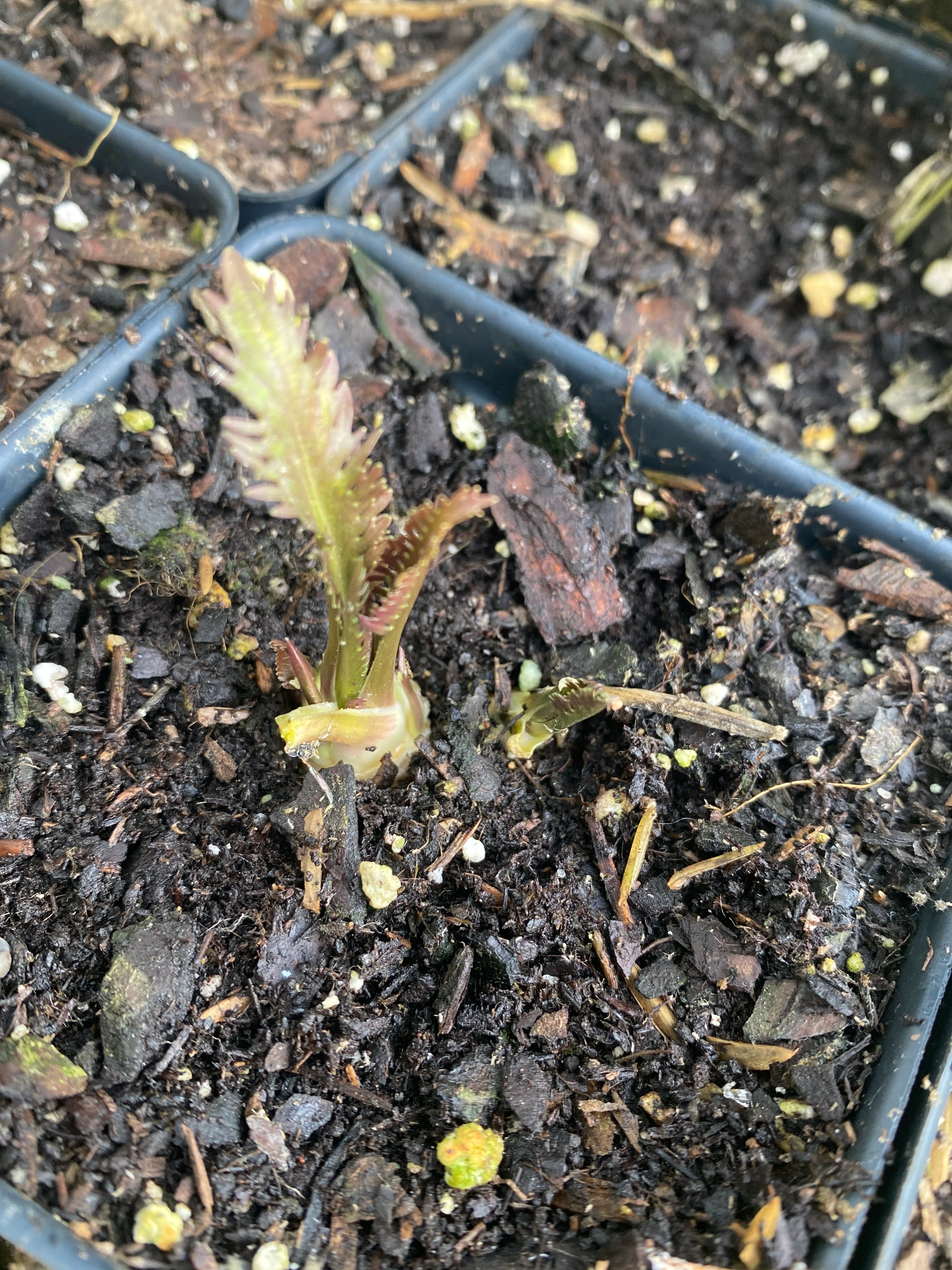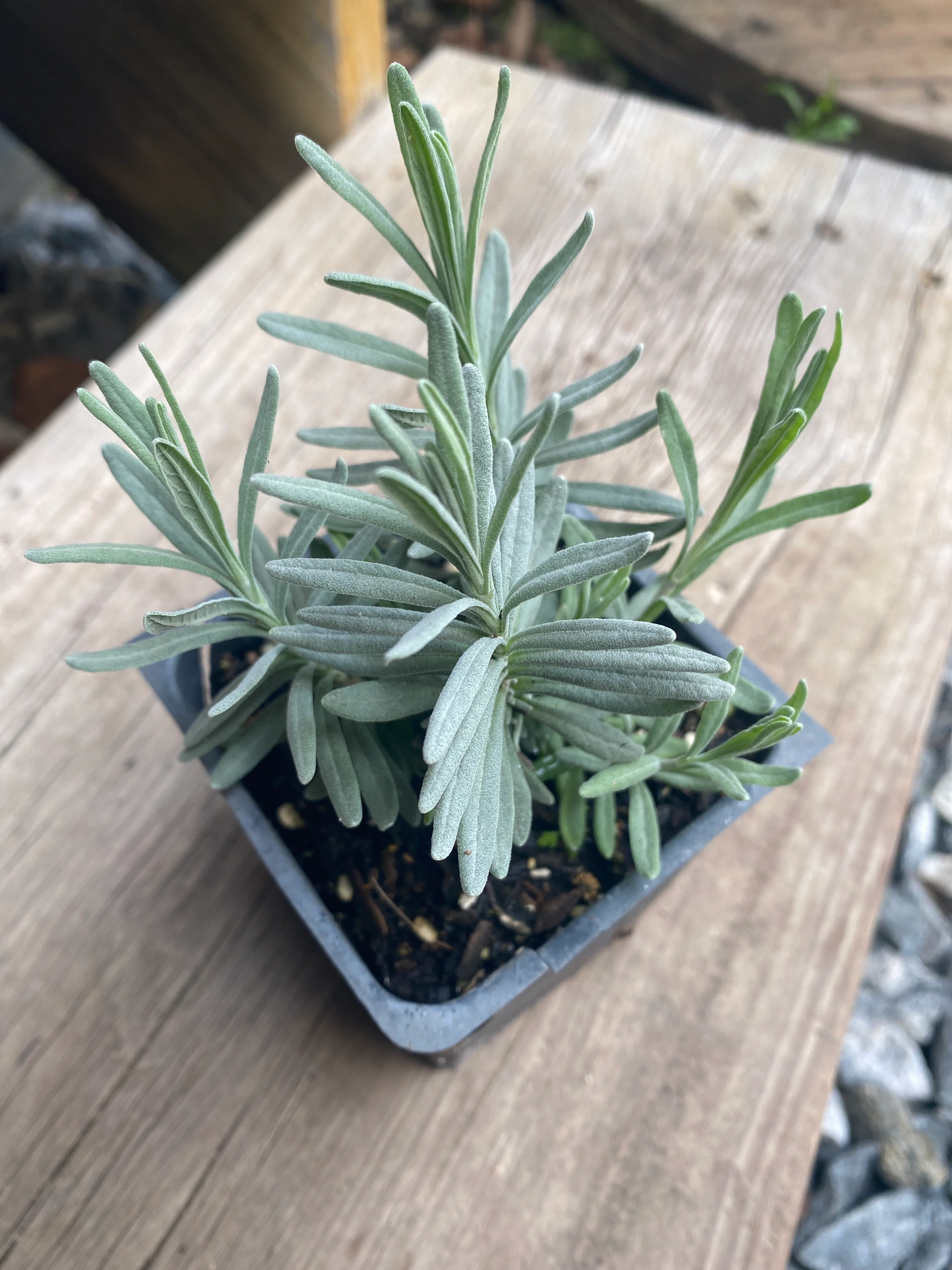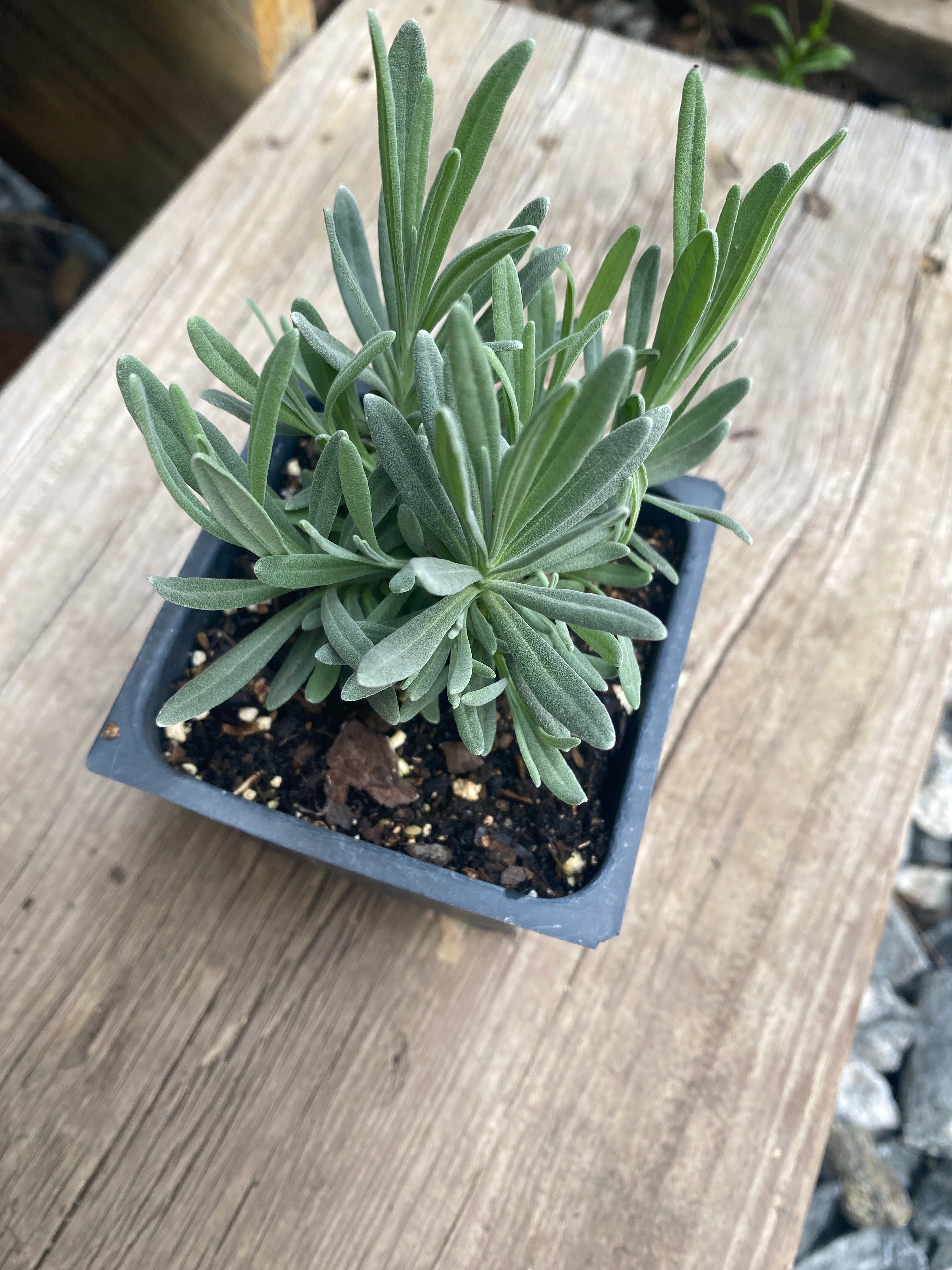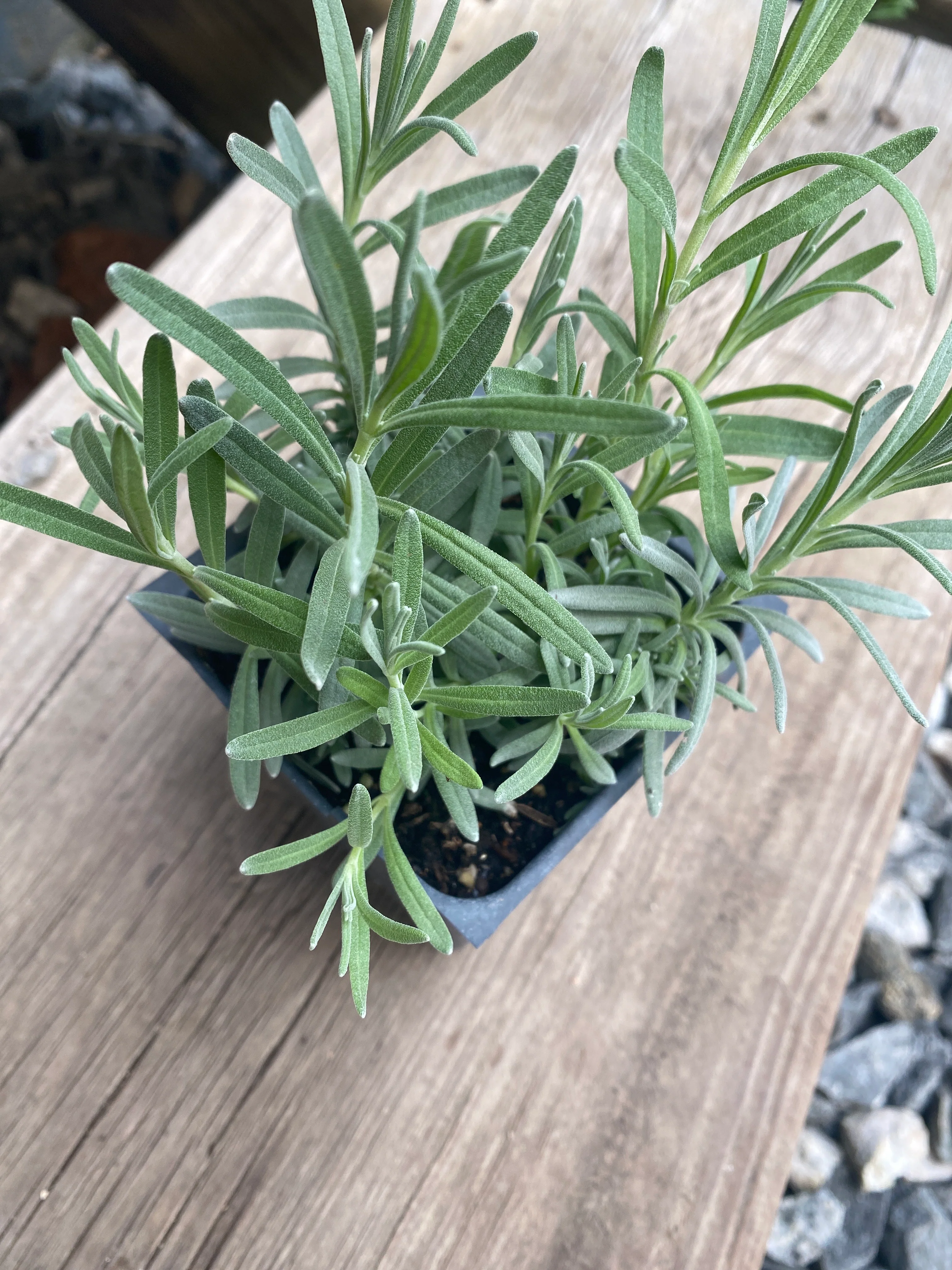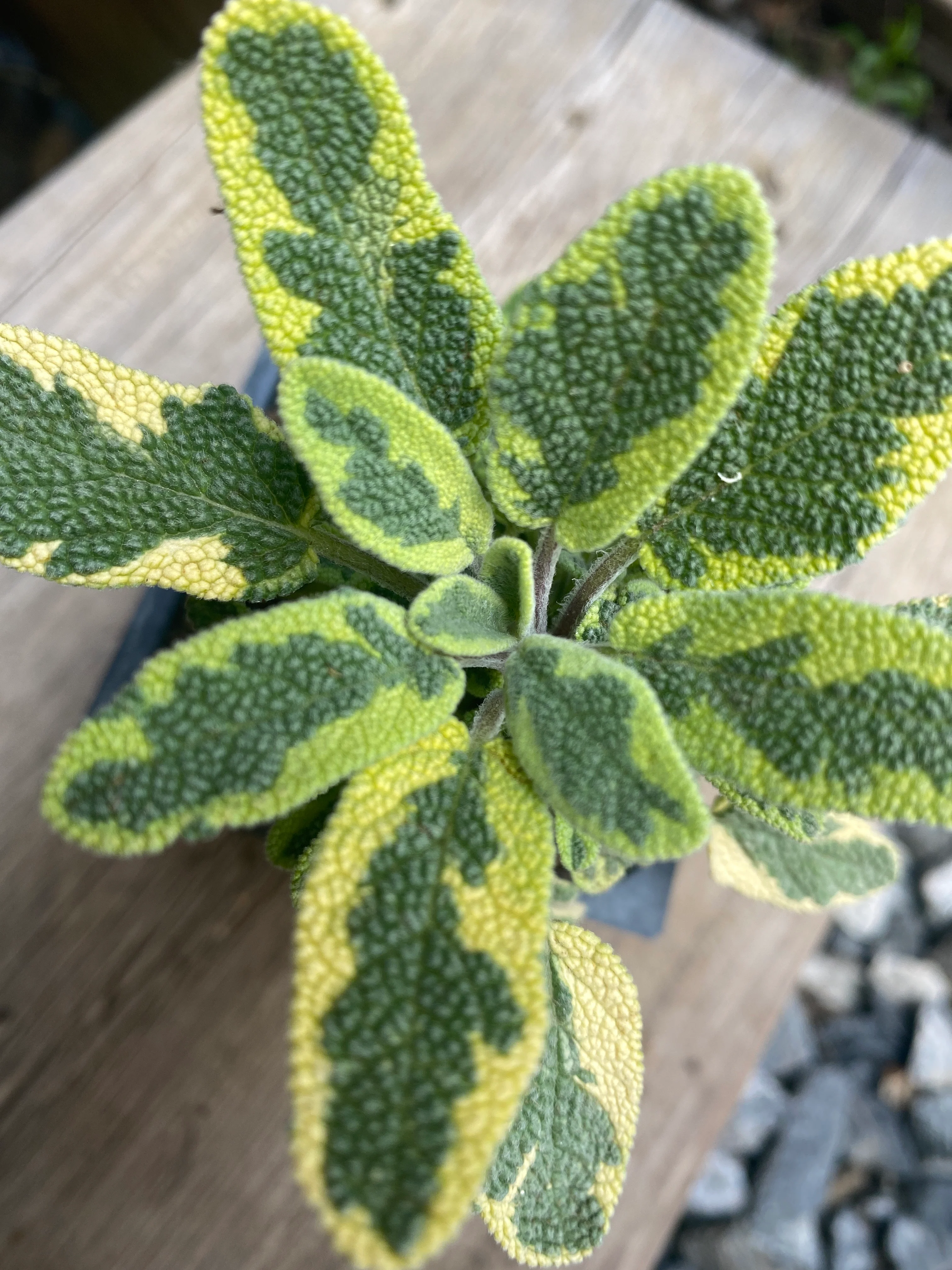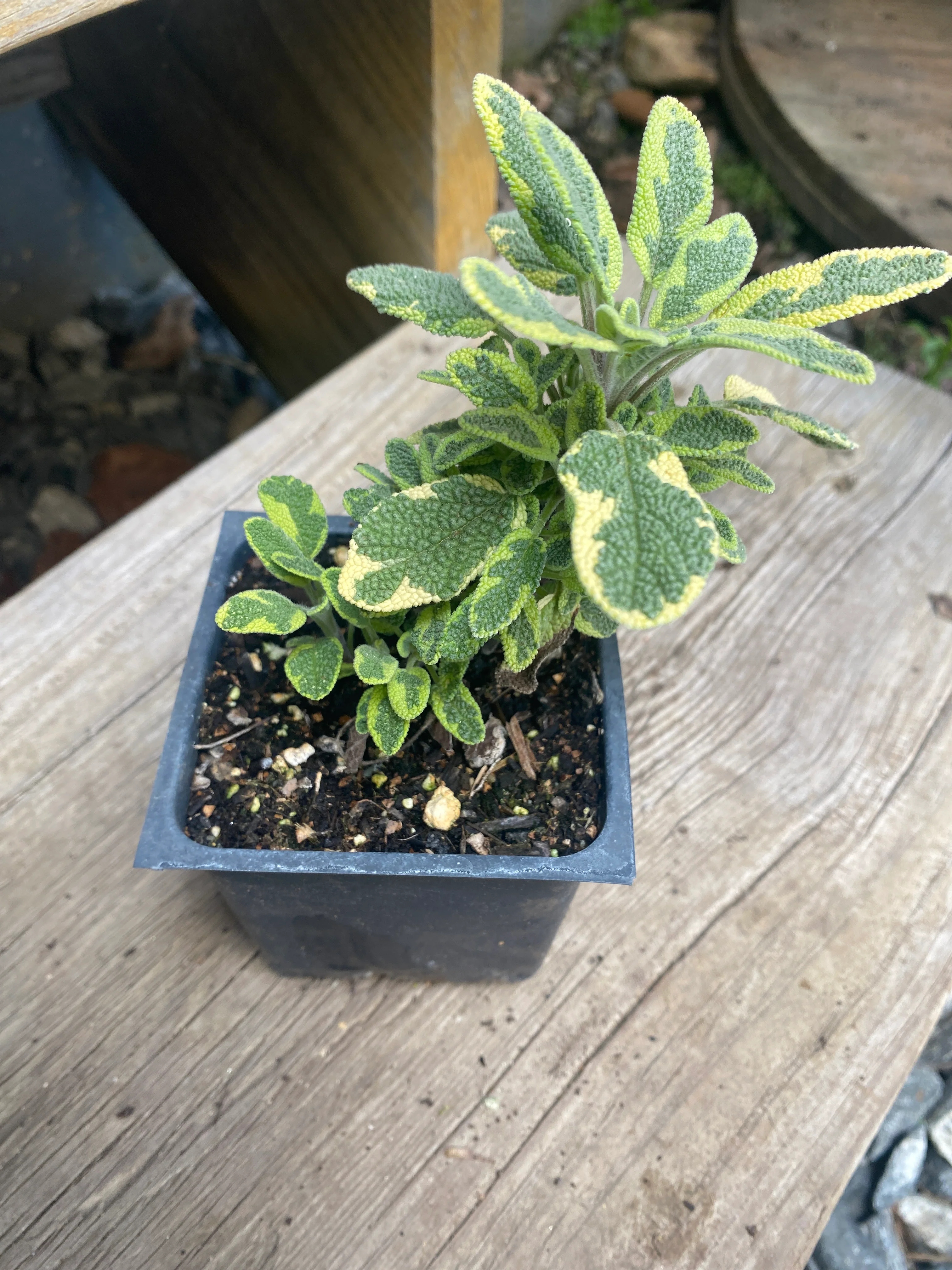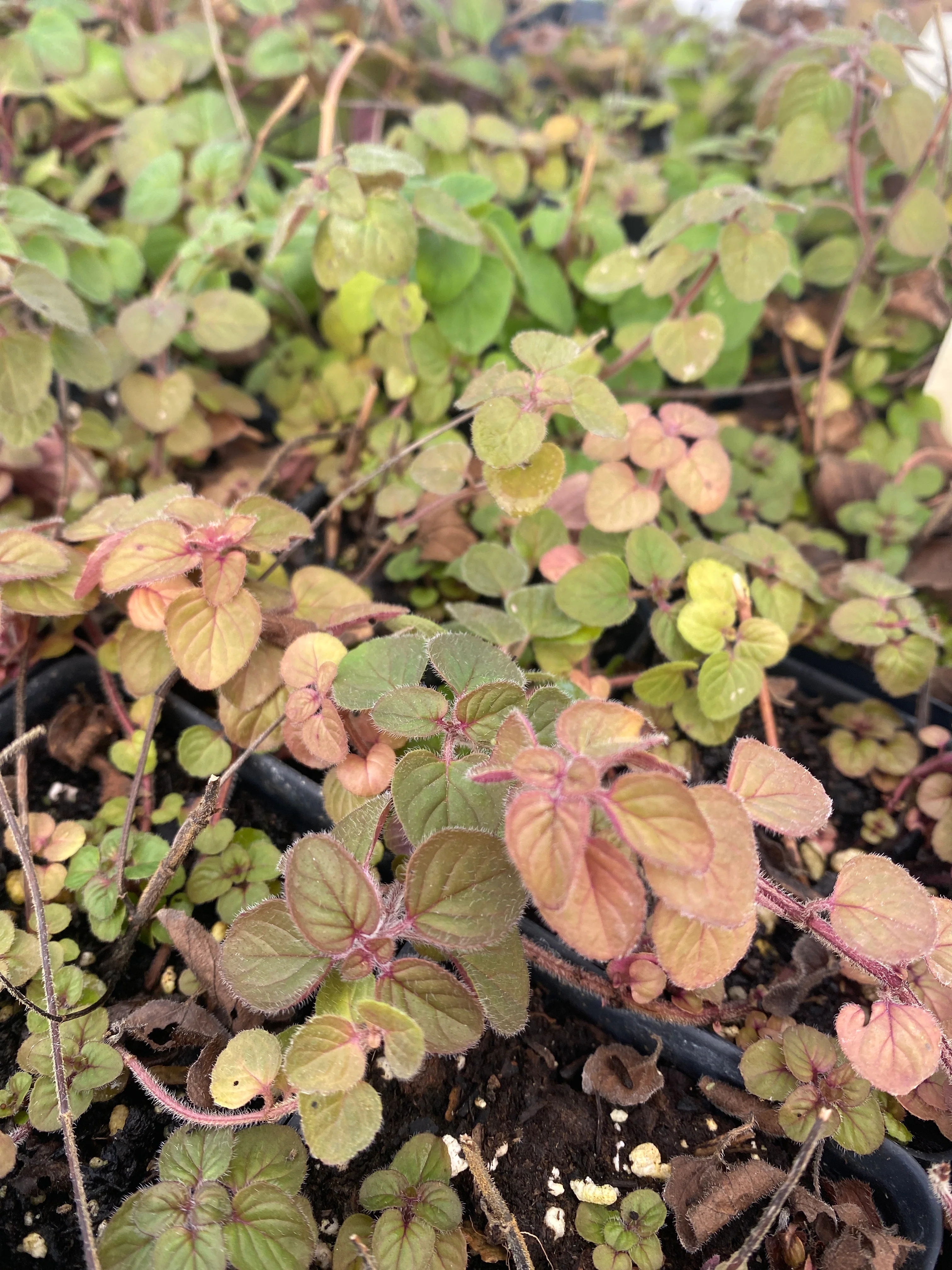
Oregano, Greek
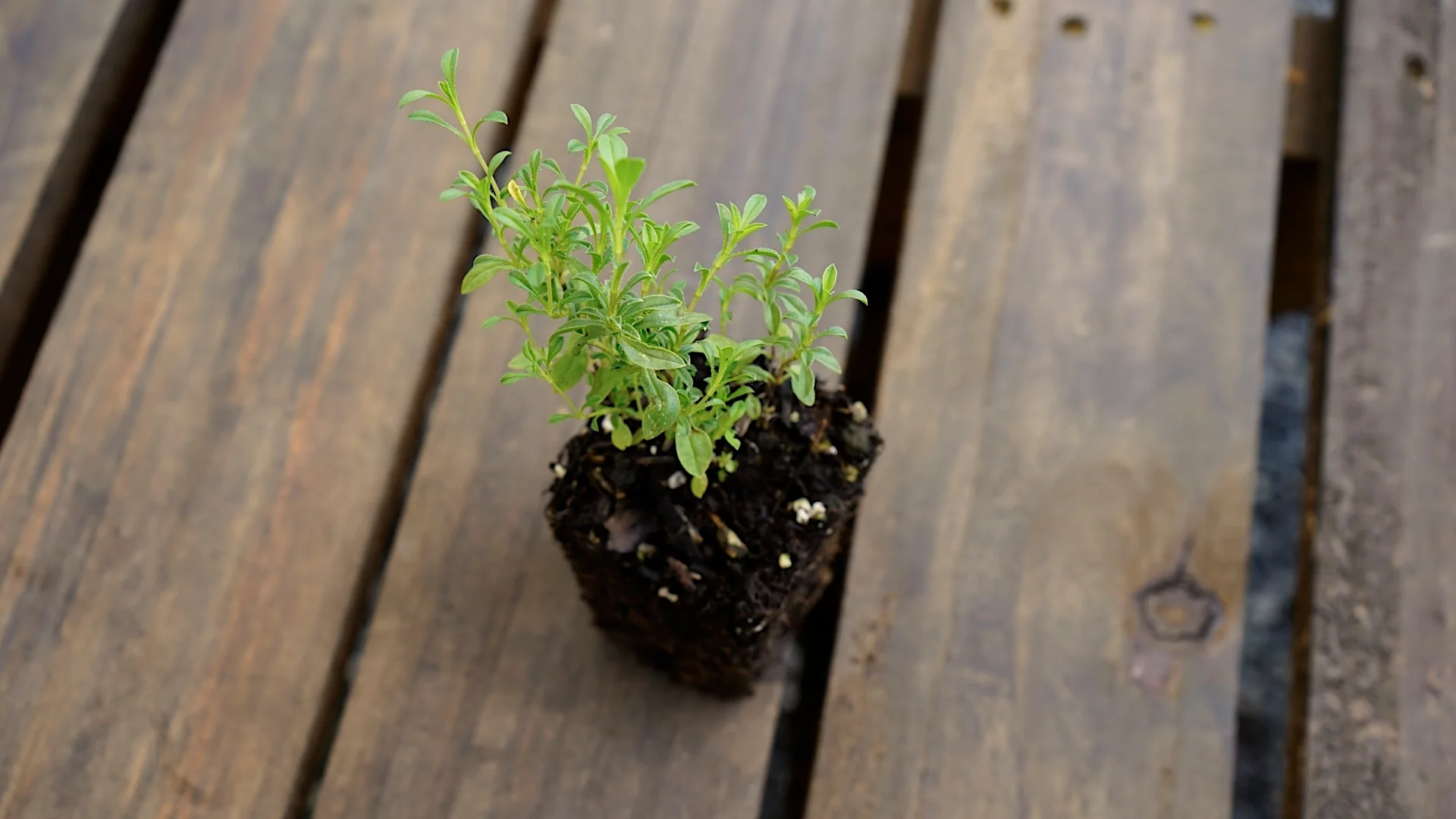
Oregano, Greek (Origanum vulgare subsp. hirtum)
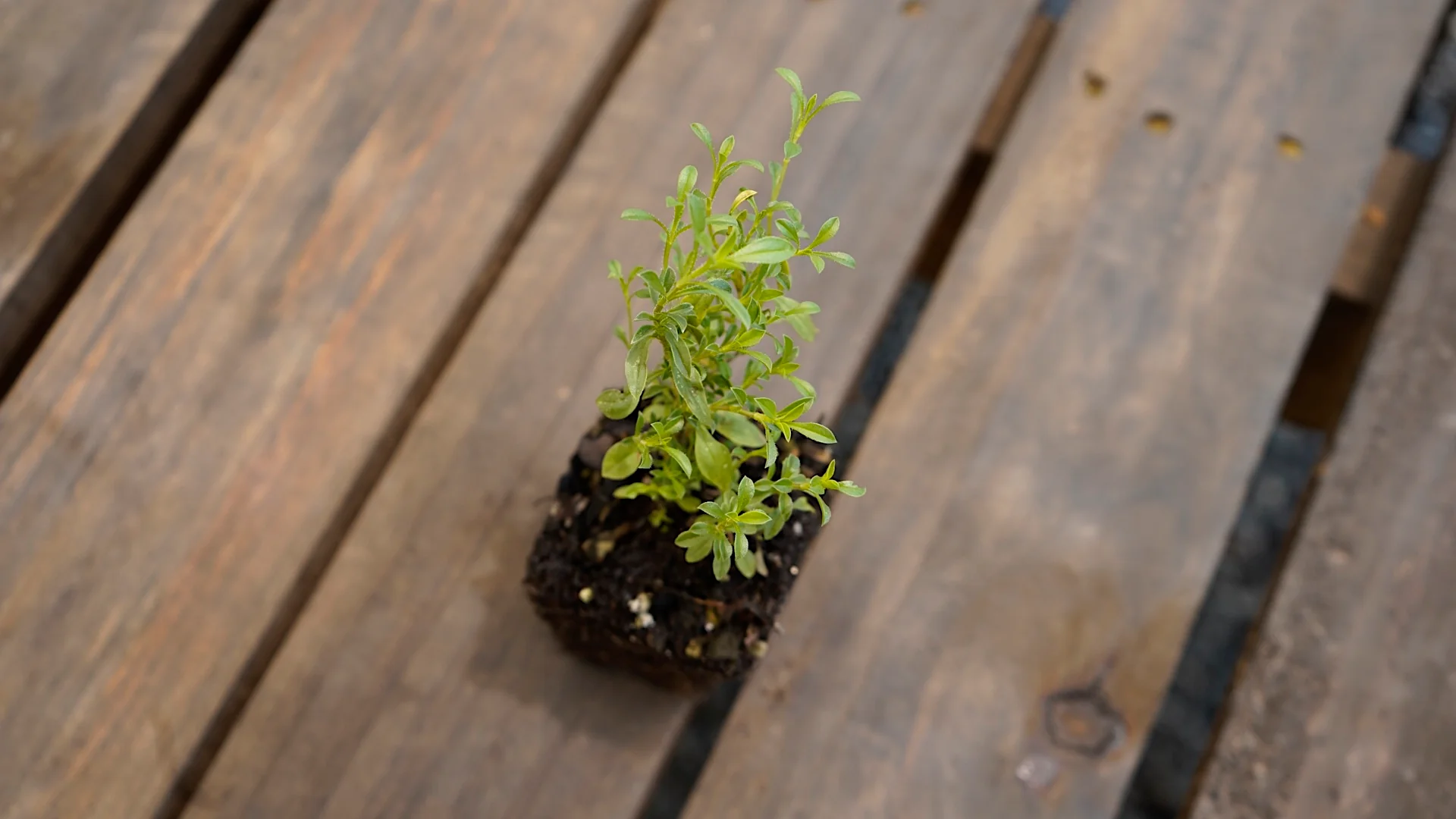
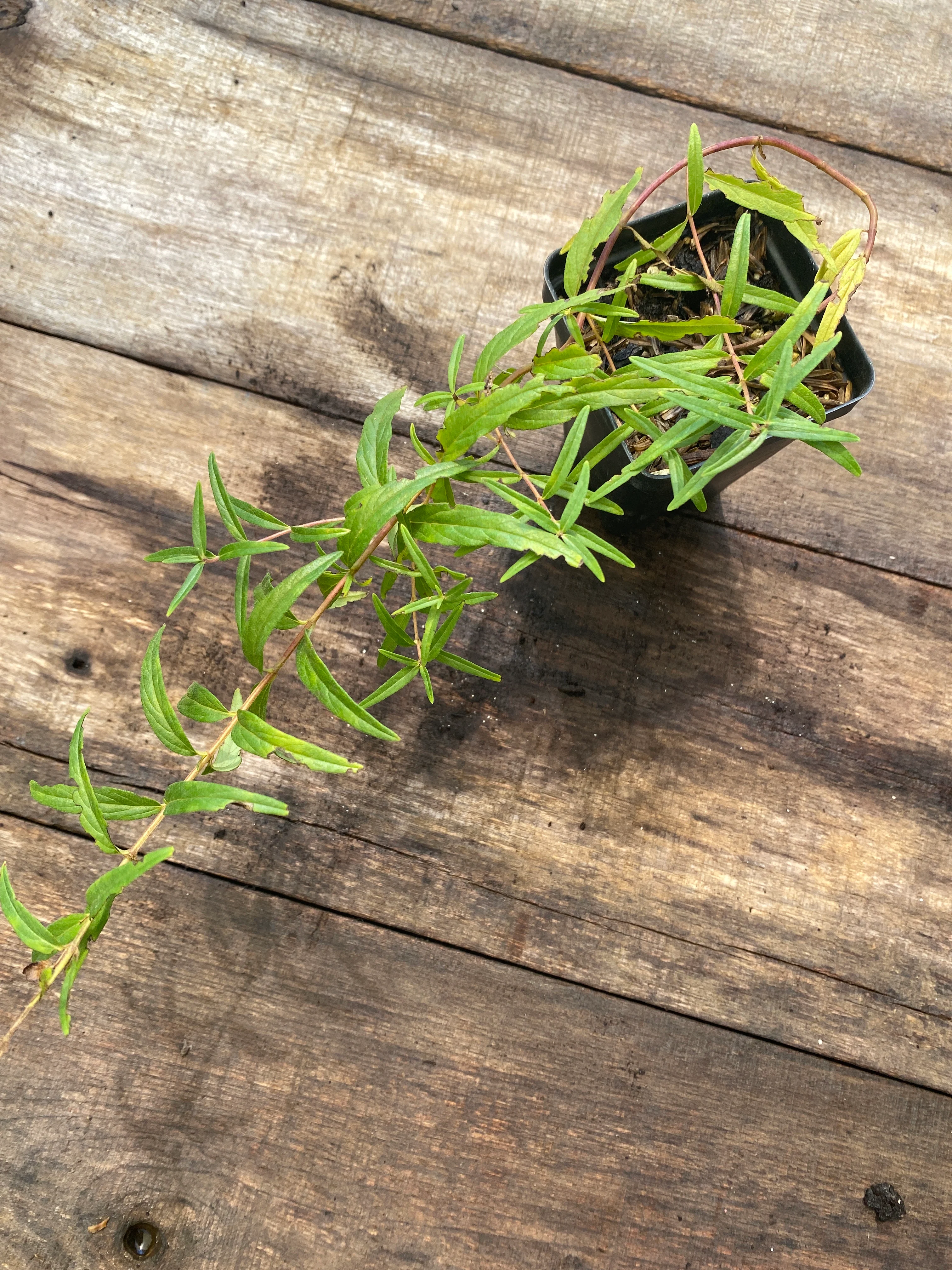
Greek oregano is the classic culinary oregano—bold, pungent, and deeply aromatic. Known for its high essential oil content, it delivers the strongest flavor of all oregano types and is a cornerstone of Mediterranean cooking. In the garden, it forms a hardy, drought-tolerant perennial that thrives in lean soils while supporting pollinators and fitting seamlessly into herb gardens, borders, and dryland systems.
Key Characteristics
Intense flavor from high essential oil content
Greek oregano is prized for its strong, spicy, slightly bitter flavor that holds up well in cooking. The leaves are rich in aromatic compounds like carvacrol and thymol, making them ideal for drying as well as fresh use. It is especially well-suited for sauces, roasted vegetables, meats, and long-simmered dishes where its flavor deepens over time.
Traditional medicinal herb with antimicrobial properties
The leaves have been traditionally used in teas and infusions for respiratory and digestive support. Due to its high concentration of essential oils, Greek oregano has notable antibacterial and antifungal properties. It has been used historically for colds, coughs, and mild infections, often as a warming herbal tea.
Drought-tolerant perennial for low-input systems
Adapted to rocky Mediterranean soils, Greek oregano thrives in dry to medium, well-drained conditions and does not require rich soil to perform well. Once established, it is highly resilient to heat and drought, making it an excellent choice for xeriscaping, dryland permaculture, and low-maintenance herb gardens.
Pollinator-support plant with long bloom period
When allowed to flower, Greek oregano produces clusters of small white blooms that attract bees and beneficial insects. Its extended flowering period makes it a reliable nectar source during mid to late summer, especially in hot, dry conditions where other plants may slow down.
- Native range: Mediterranean region (Greece and surrounding areas)
- Plant life cycle: Perennial
- Sun requirements: Full sun
- Soil requirements: Dry to medium, well-drained
- Mature height: 12–24 inches
- Bloom time: June – September
- Bloom color: White
- USDA Hardiness zones: 5–10
For best results, grow Greek oregano in full sun with lean, well-drained soil. Avoid overwatering or excessive fertility, which can reduce flavor intensity. Harvest regularly to maintain compact growth, and allow some plants to flower for pollinator support.
Original: $4.25
-65%$4.25
$1.49Product Information
Product Information
Shipping & Returns
Shipping & Returns
Description
Oregano, Greek (Origanum vulgare subsp. hirtum)
Greek oregano is the classic culinary oregano—bold, pungent, and deeply aromatic. Known for its high essential oil content, it delivers the strongest flavor of all oregano types and is a cornerstone of Mediterranean cooking. In the garden, it forms a hardy, drought-tolerant perennial that thrives in lean soils while supporting pollinators and fitting seamlessly into herb gardens, borders, and dryland systems.
Key Characteristics
Intense flavor from high essential oil content
Greek oregano is prized for its strong, spicy, slightly bitter flavor that holds up well in cooking. The leaves are rich in aromatic compounds like carvacrol and thymol, making them ideal for drying as well as fresh use. It is especially well-suited for sauces, roasted vegetables, meats, and long-simmered dishes where its flavor deepens over time.
Traditional medicinal herb with antimicrobial properties
The leaves have been traditionally used in teas and infusions for respiratory and digestive support. Due to its high concentration of essential oils, Greek oregano has notable antibacterial and antifungal properties. It has been used historically for colds, coughs, and mild infections, often as a warming herbal tea.
Drought-tolerant perennial for low-input systems
Adapted to rocky Mediterranean soils, Greek oregano thrives in dry to medium, well-drained conditions and does not require rich soil to perform well. Once established, it is highly resilient to heat and drought, making it an excellent choice for xeriscaping, dryland permaculture, and low-maintenance herb gardens.
Pollinator-support plant with long bloom period
When allowed to flower, Greek oregano produces clusters of small white blooms that attract bees and beneficial insects. Its extended flowering period makes it a reliable nectar source during mid to late summer, especially in hot, dry conditions where other plants may slow down.
- Native range: Mediterranean region (Greece and surrounding areas)
- Plant life cycle: Perennial
- Sun requirements: Full sun
- Soil requirements: Dry to medium, well-drained
- Mature height: 12–24 inches
- Bloom time: June – September
- Bloom color: White
- USDA Hardiness zones: 5–10
For best results, grow Greek oregano in full sun with lean, well-drained soil. Avoid overwatering or excessive fertility, which can reduce flavor intensity. Harvest regularly to maintain compact growth, and allow some plants to flower for pollinator support.