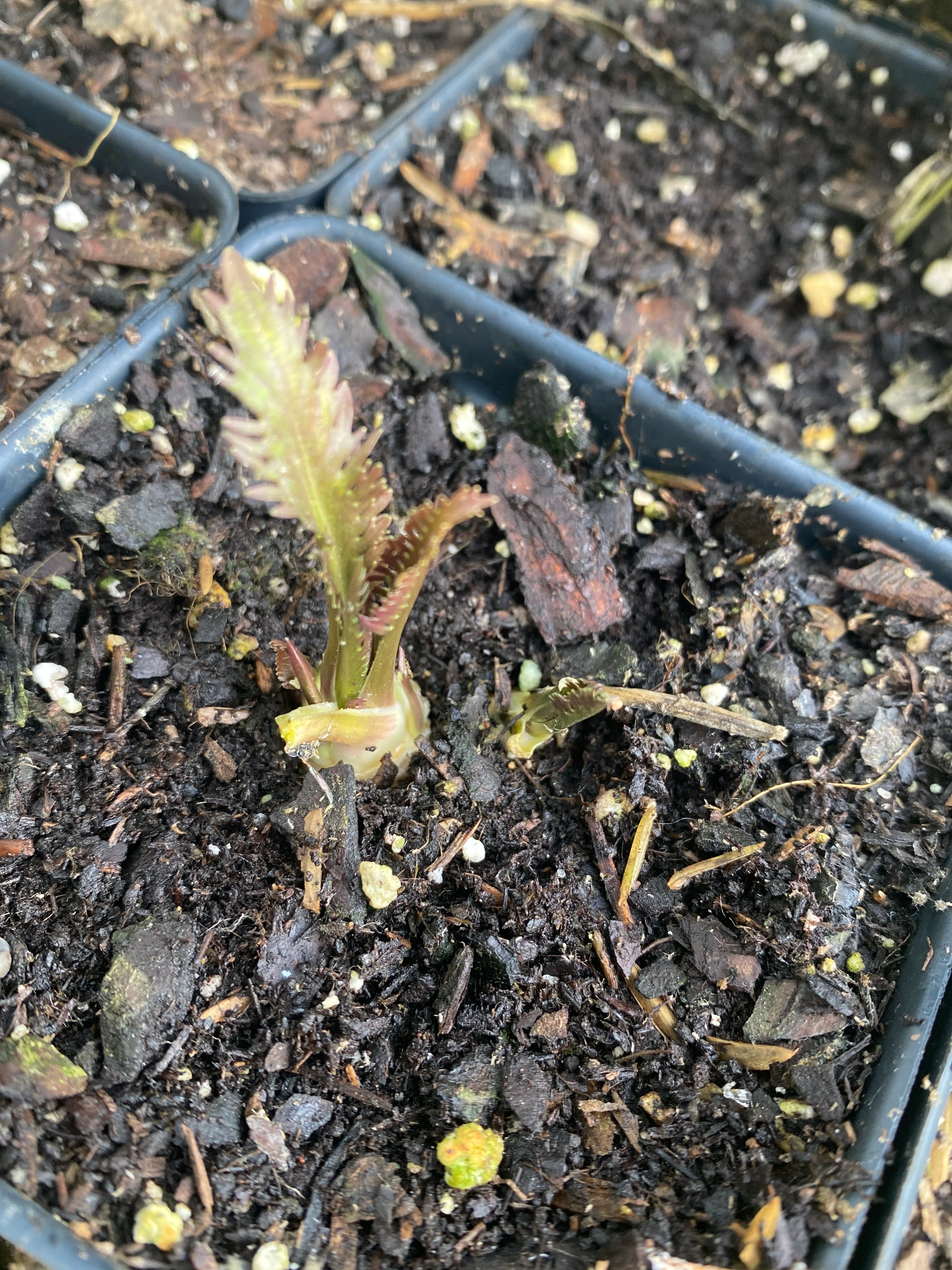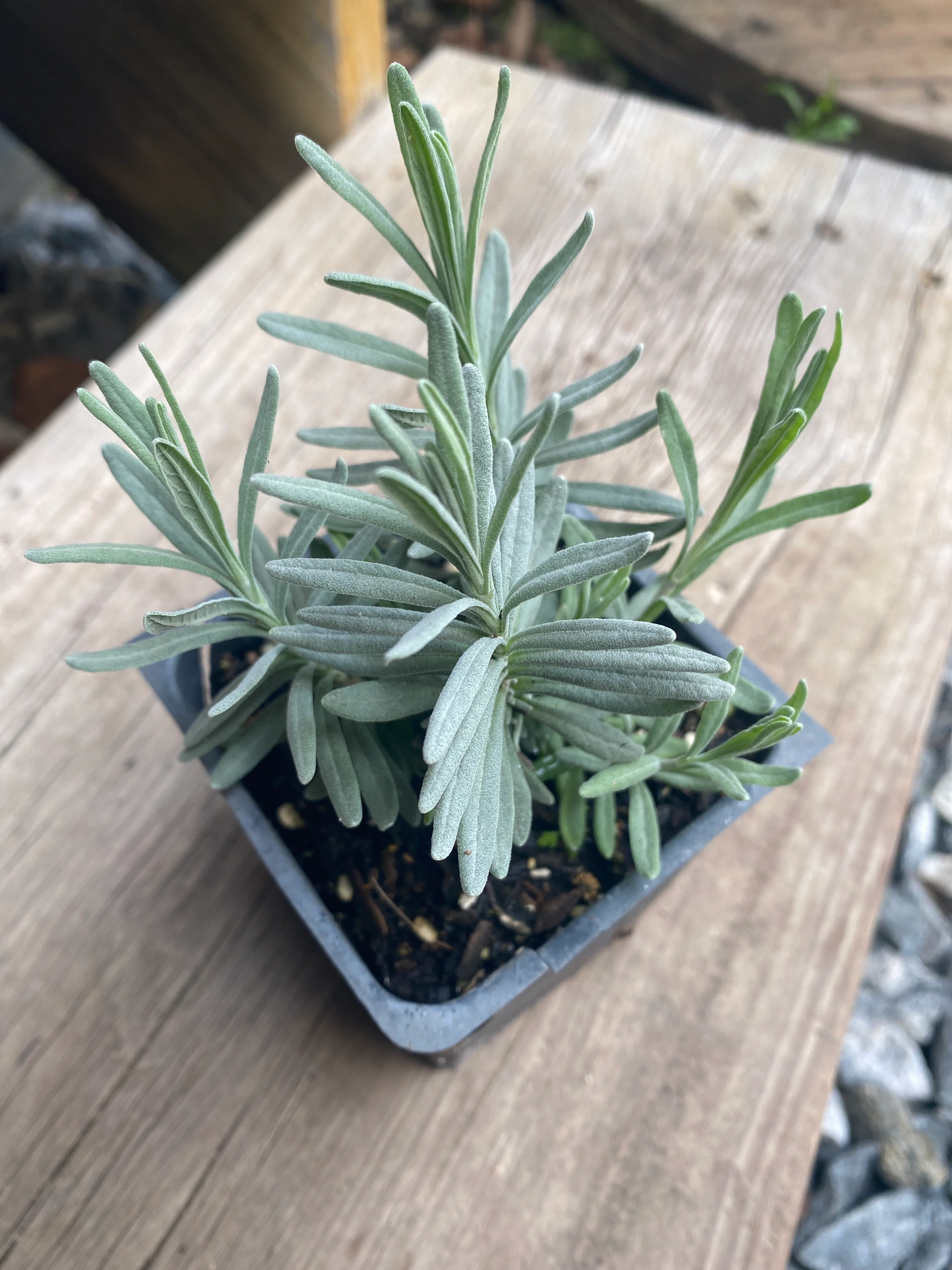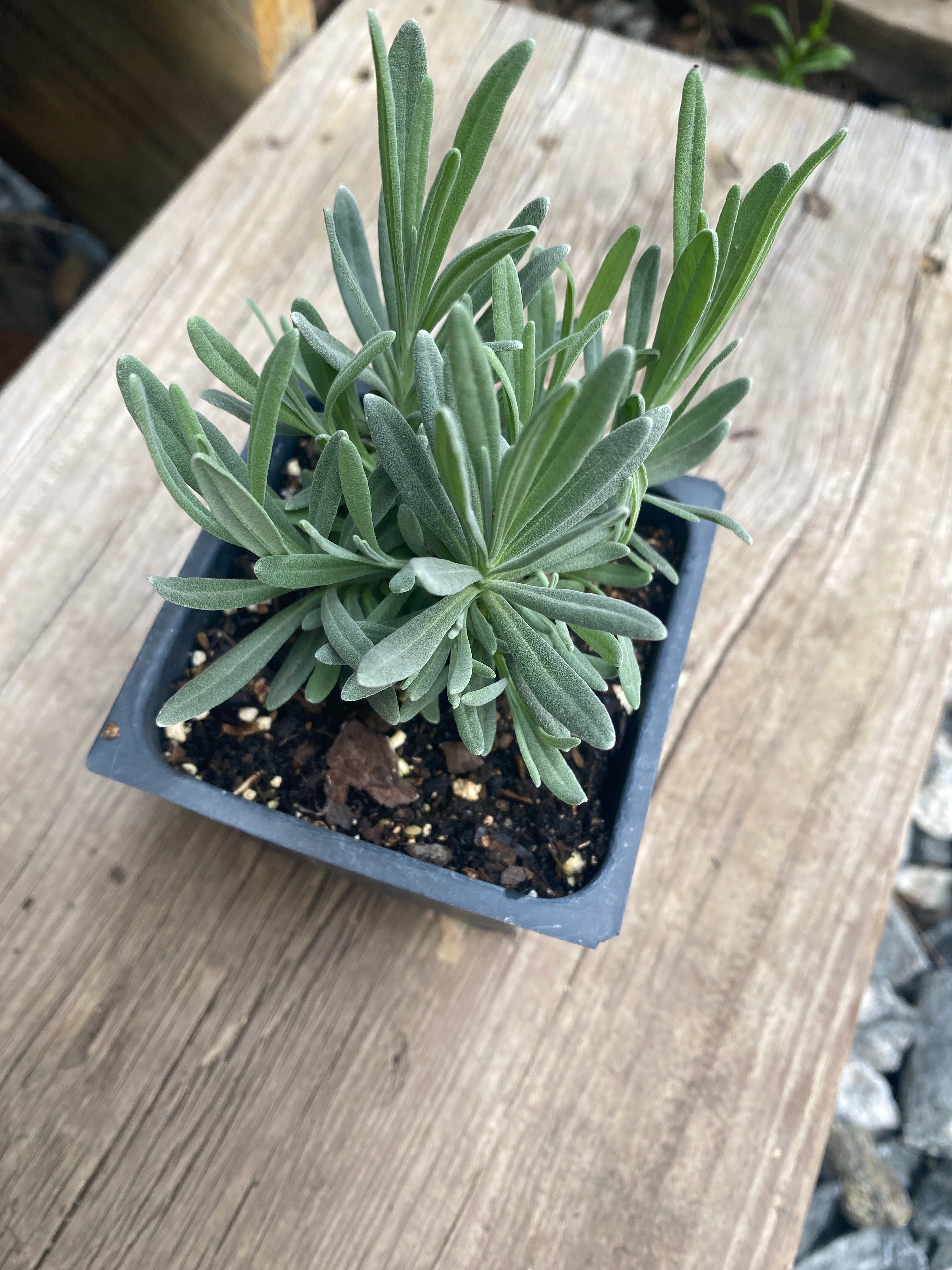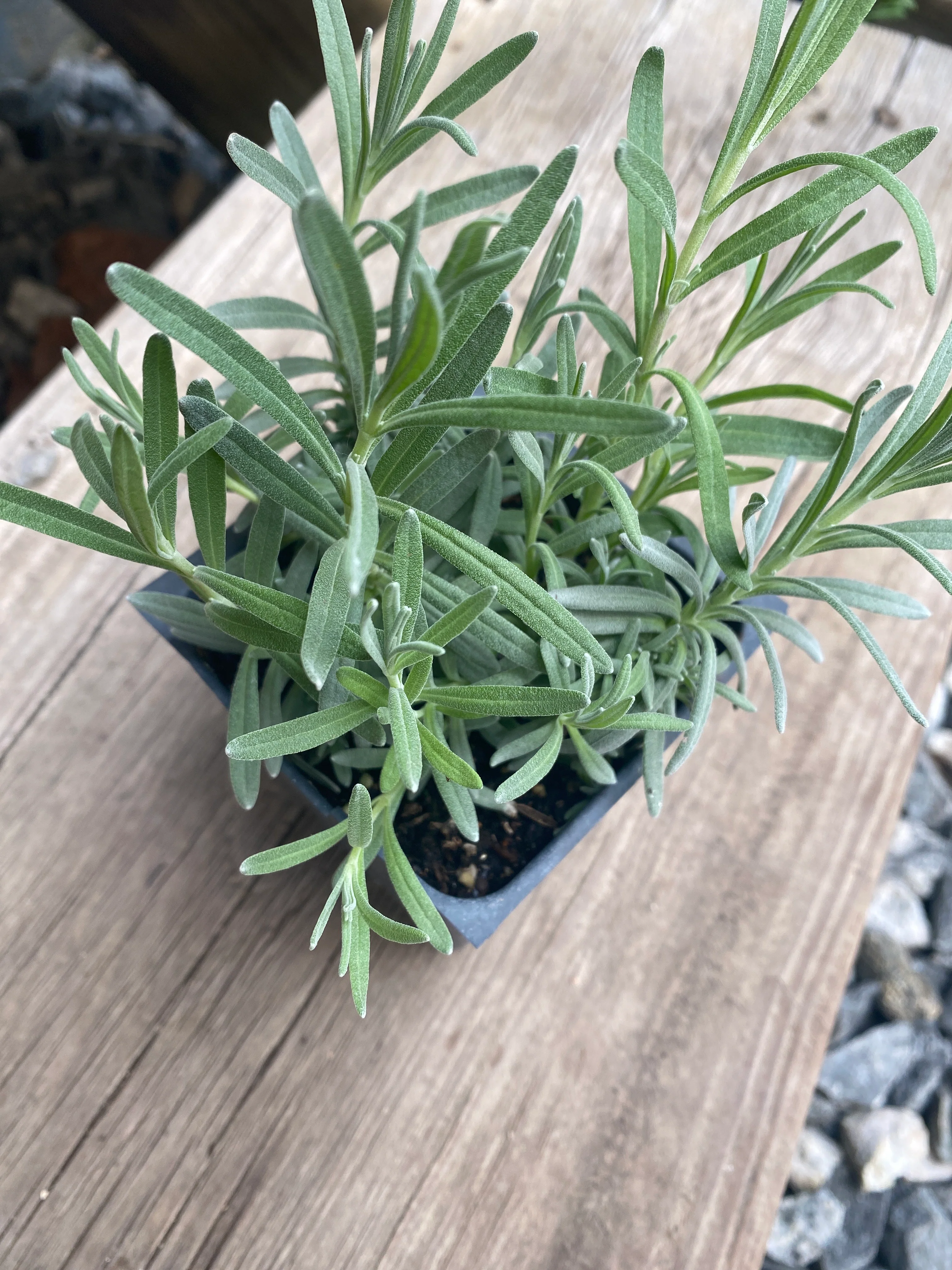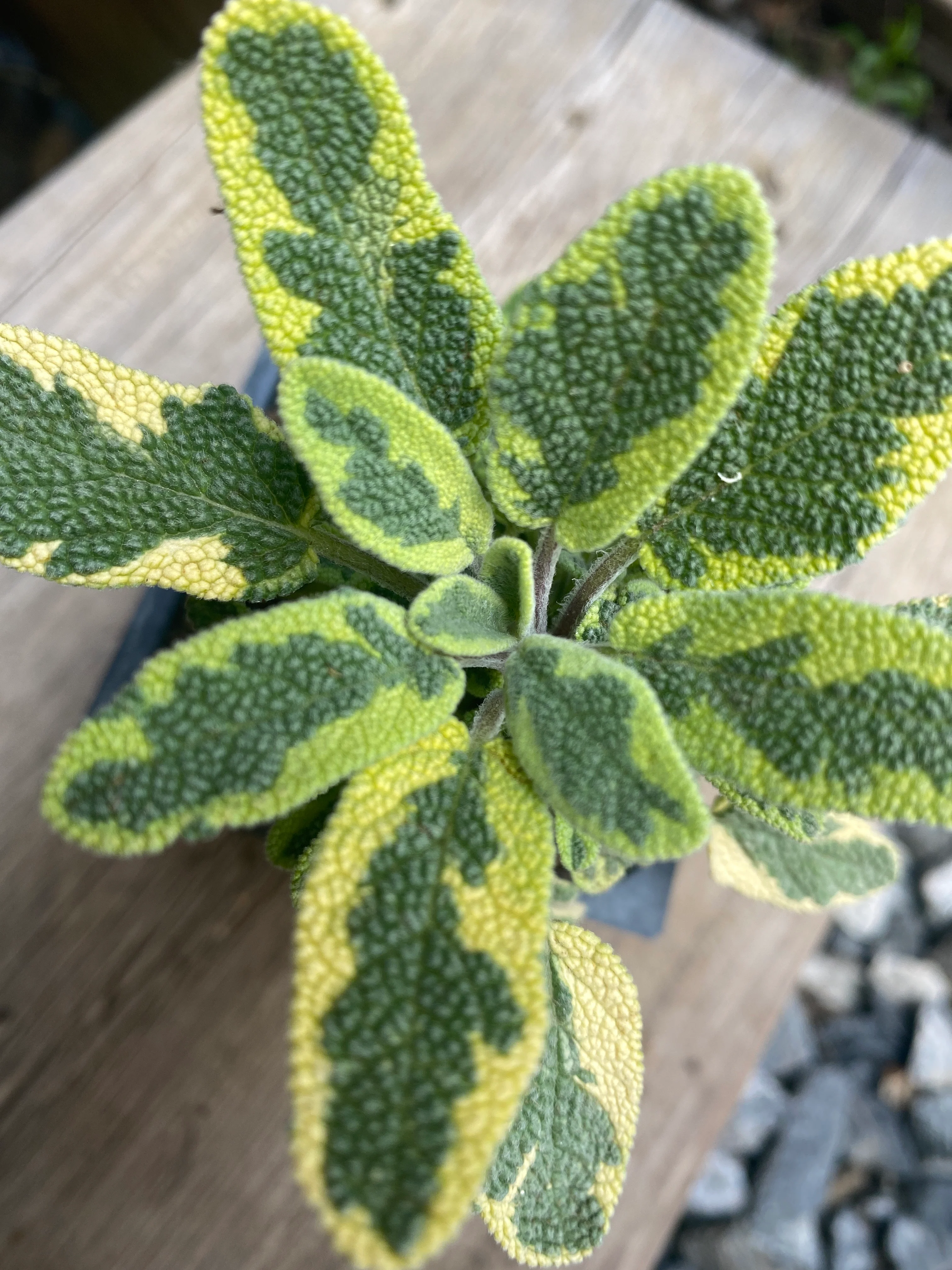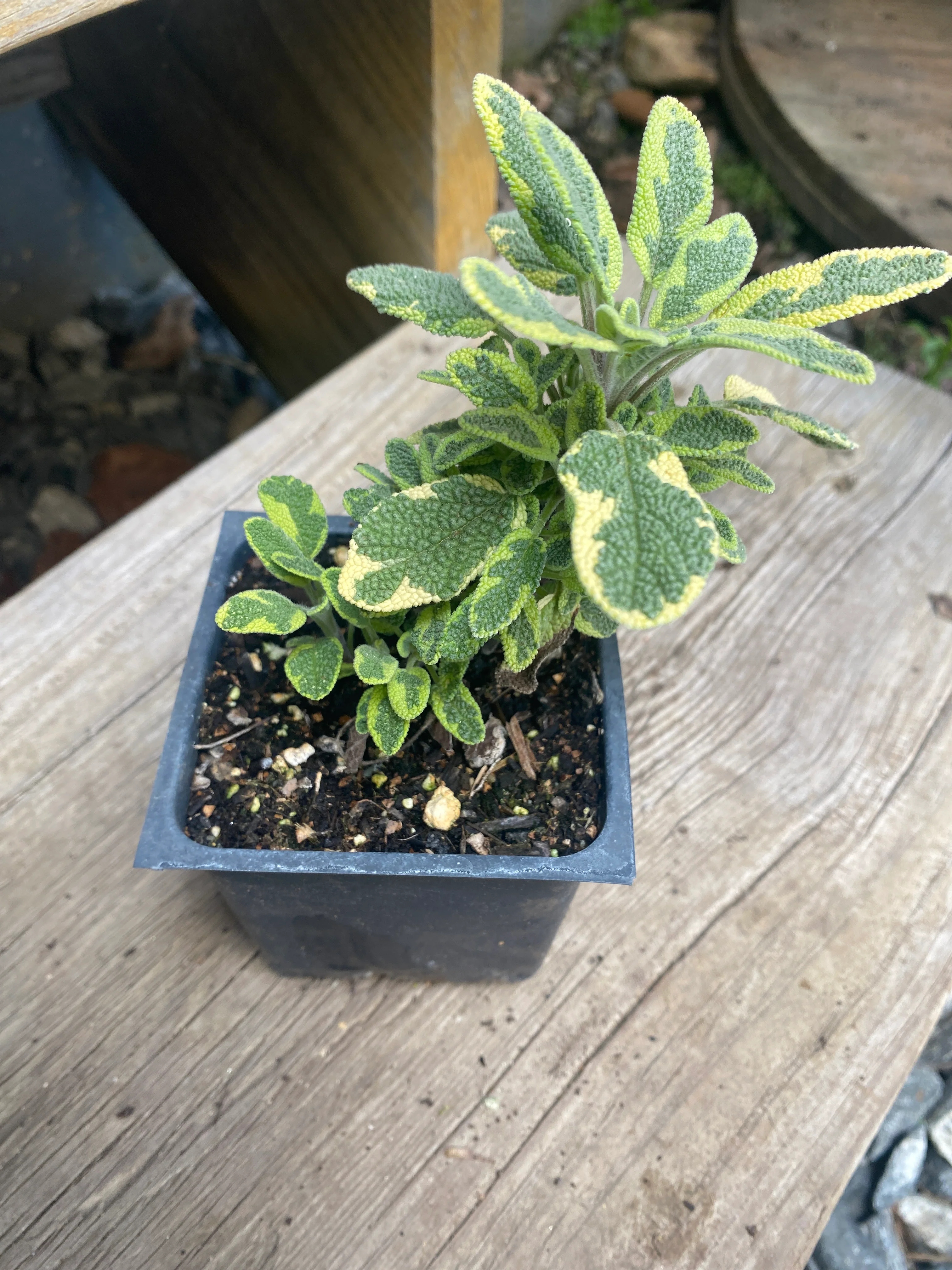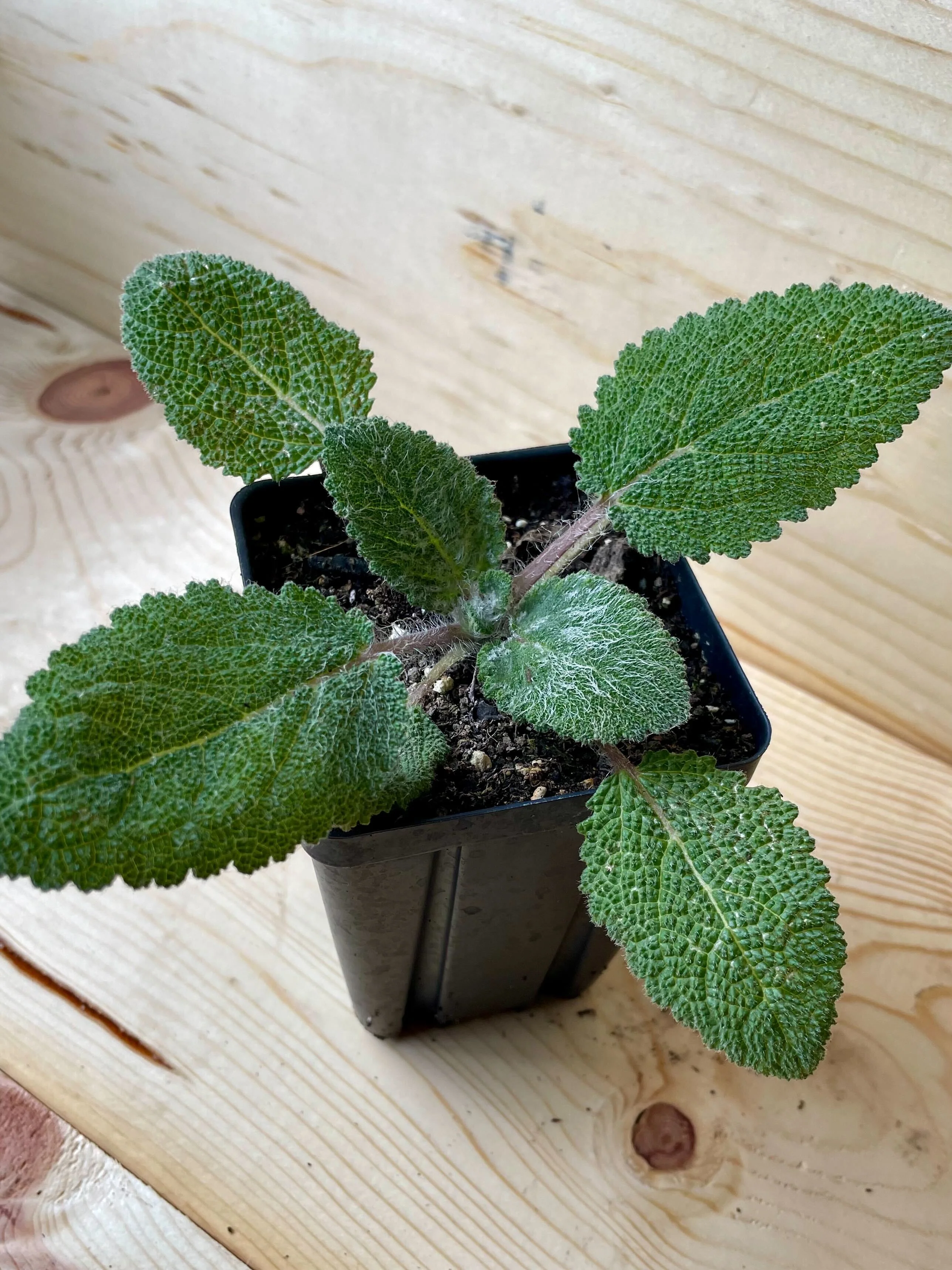
Sage, Clary
Sage, Clary (Salvia sclarea)
Clary sage is a striking biennial (sometimes short-lived perennial) known for its tall flowering stalks, large textured leaves, and aromatic presence. Traditionally valued for its medicinal and aromatic properties, it produces dramatic spikes of pink, lavender, and white bracts that stand out in the garden. Beyond its beauty, clary sage plays an important role in pollinator systems and herbal medicine traditions.
Key Characteristics
Aromatic plant with traditional medicinal uses
Clary sage has a long history of use in herbal medicine, particularly for stress relief and hormonal balance. The leaves and flowering tops have been used in teas and extracts, while the plant is also widely known for its essential oil, used in aromatherapy for calming and grounding effects. Its strong fragrance is both herbal and slightly musky.
Dramatic flowering spikes for pollinators
In its flowering year, clary sage sends up tall, showy spikes that can reach several feet high. These blooms attract bees, bumblebees, and other pollinators, often becoming a focal point of insect activity. The large, colorful bracts create a long-lasting visual display in the landscape.
Biennial growth cycle with self-seeding potential
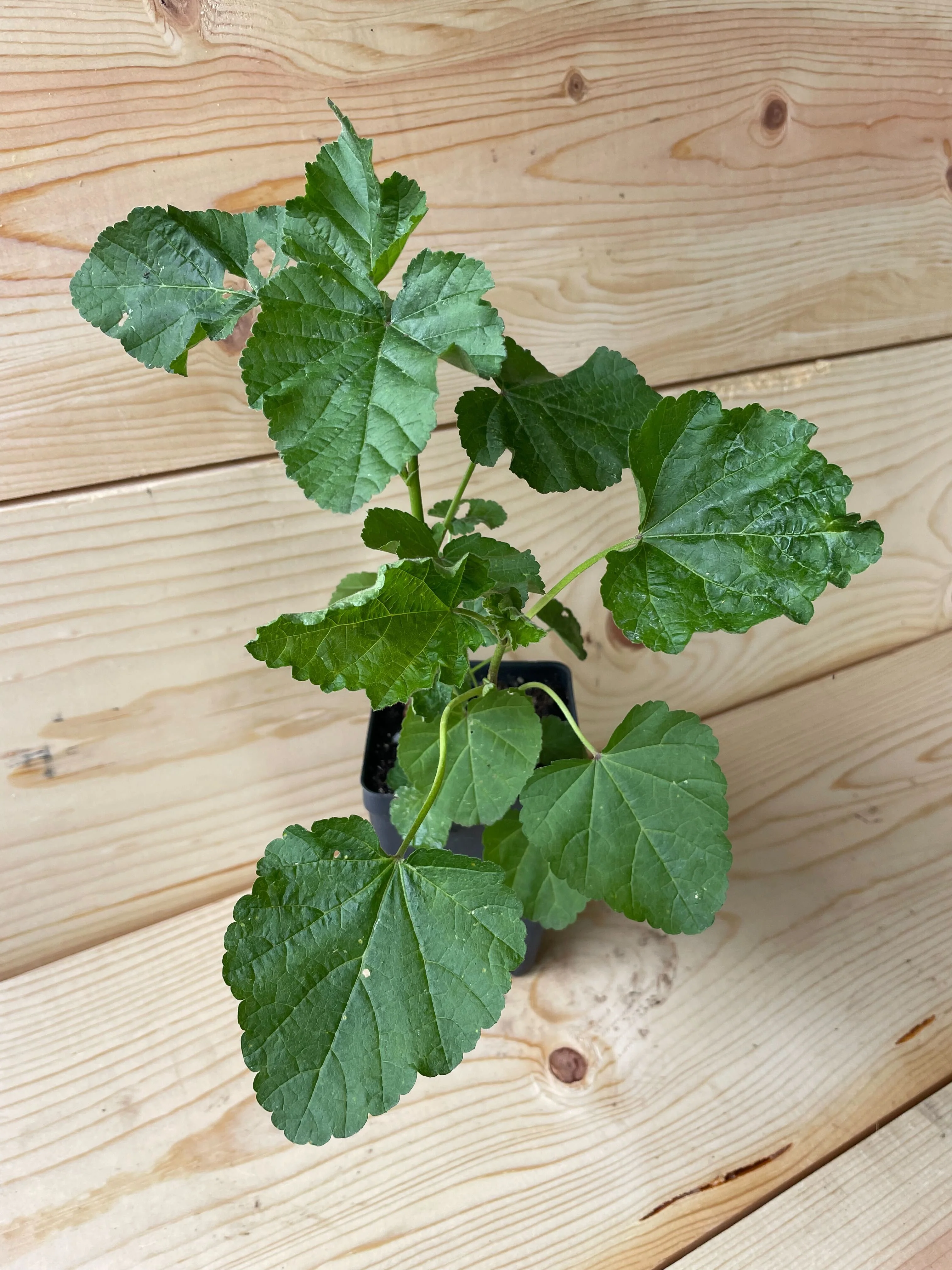
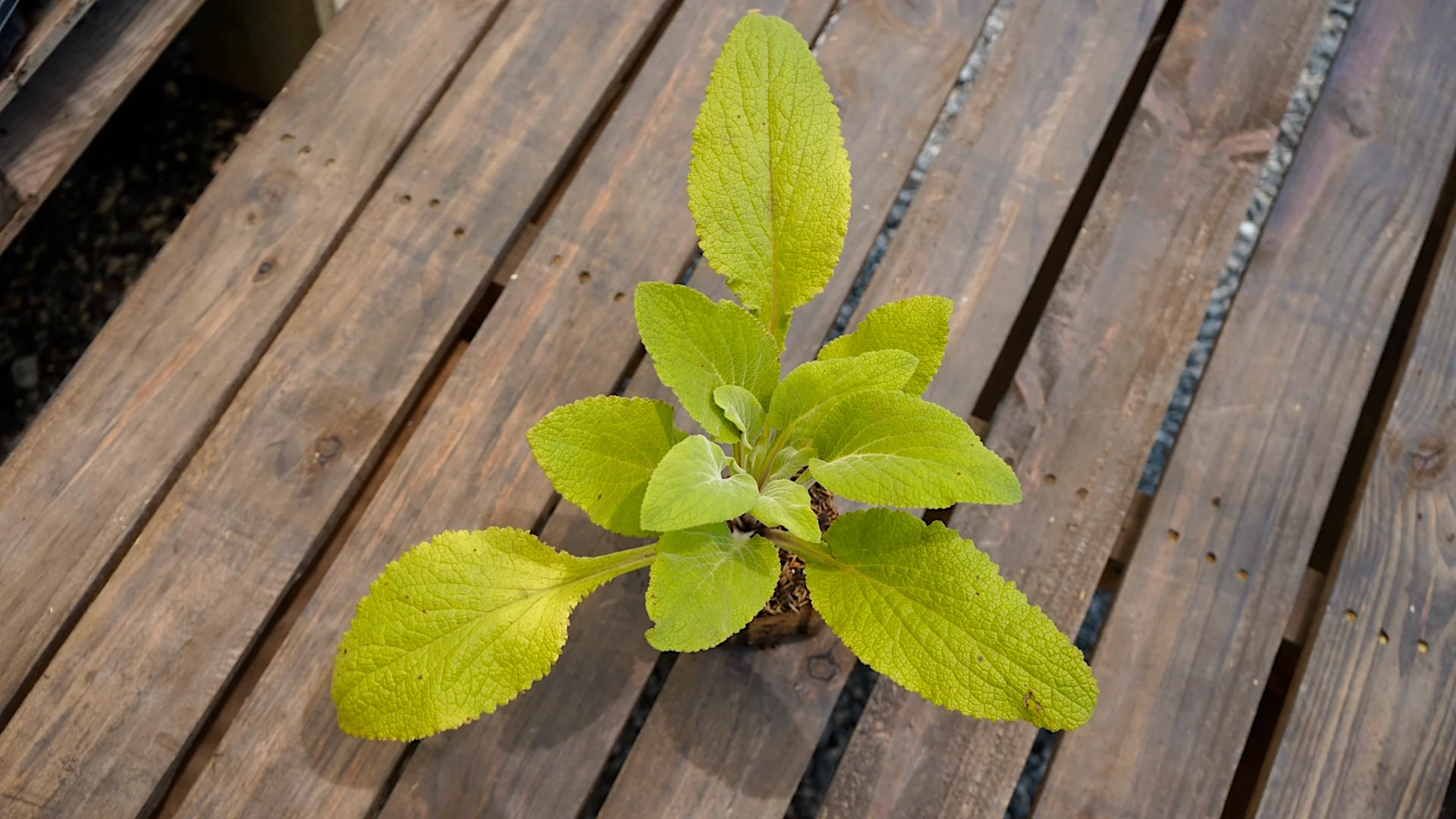
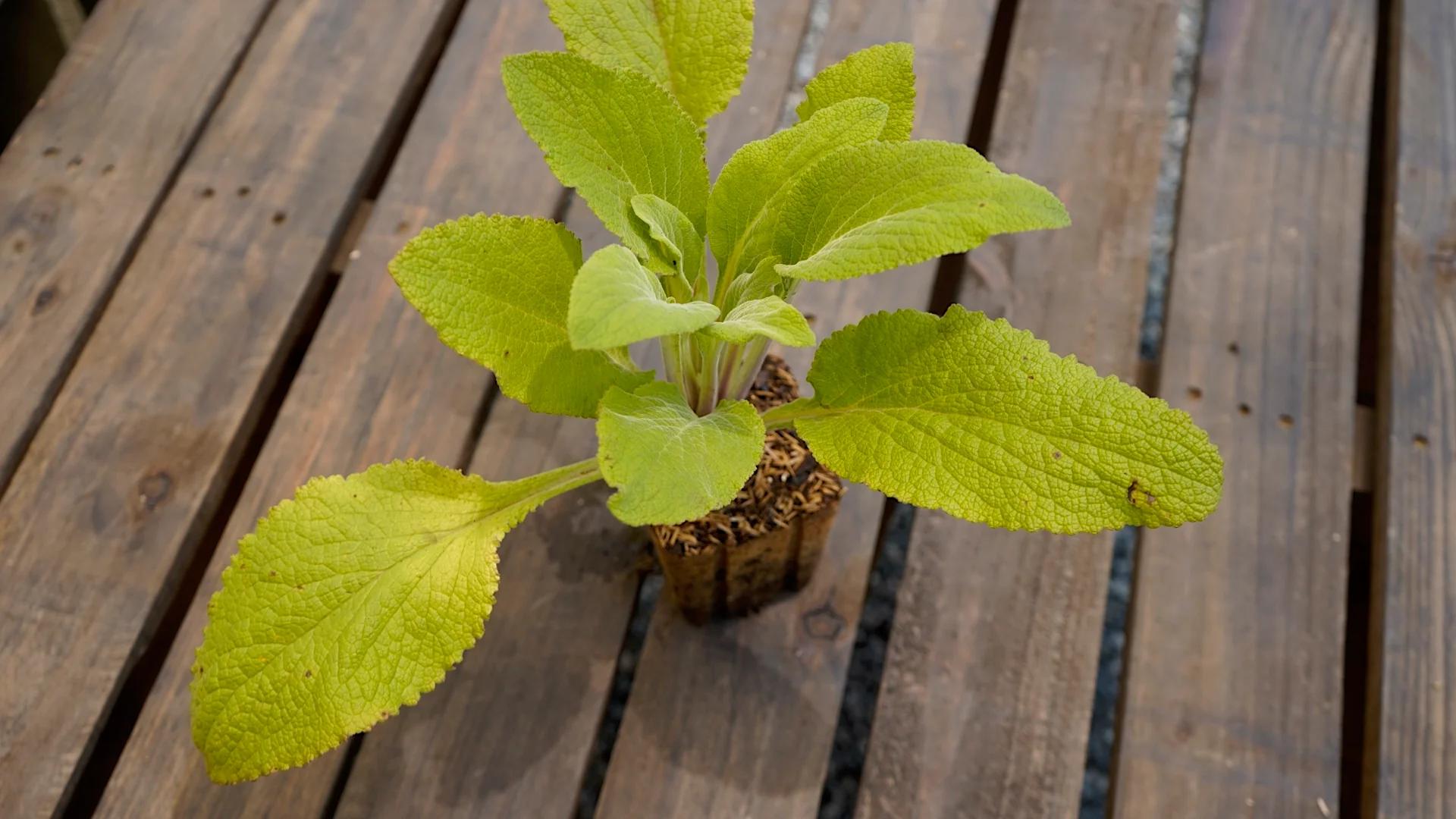
Clary sage typically forms a basal rosette in its first year, then flowers in its second year before setting seed. It often self-seeds readily, allowing it to persist in gardens over time without replanting. This makes it useful in semi-wild plantings and evolving herb systems.
Adapted to dry, well-drained soils
This plant thrives in full sun and prefers dry to medium, well-drained soils. It performs well in low-fertility conditions and is well-suited to herb gardens, pollinator strips, and dryland permaculture systems where resilience and low input are priorities.
- Native range: Mediterranean region
- Plant life cycle: Biennial (short-lived perennial)
- Sun requirements: Full sun
- Soil requirements: Dry to medium, well-drained
- Mature height: 3–5 feet (in bloom)
- Bloom time: May – July
- Bloom color: Pink, lavender, white
- USDA Hardiness zones: 5–9
For best results, plant clary sage in full sun with excellent drainage. Allow some plants to go to seed to maintain a naturalized patch, and give it space to develop its full height and architectural presence in the second year.
Original: $4.25
-65%$4.25
$1.49Product Information
Product Information
Shipping & Returns
Shipping & Returns
Description
Sage, Clary (Salvia sclarea)
Clary sage is a striking biennial (sometimes short-lived perennial) known for its tall flowering stalks, large textured leaves, and aromatic presence. Traditionally valued for its medicinal and aromatic properties, it produces dramatic spikes of pink, lavender, and white bracts that stand out in the garden. Beyond its beauty, clary sage plays an important role in pollinator systems and herbal medicine traditions.
Key Characteristics
Aromatic plant with traditional medicinal uses
Clary sage has a long history of use in herbal medicine, particularly for stress relief and hormonal balance. The leaves and flowering tops have been used in teas and extracts, while the plant is also widely known for its essential oil, used in aromatherapy for calming and grounding effects. Its strong fragrance is both herbal and slightly musky.
Dramatic flowering spikes for pollinators
In its flowering year, clary sage sends up tall, showy spikes that can reach several feet high. These blooms attract bees, bumblebees, and other pollinators, often becoming a focal point of insect activity. The large, colorful bracts create a long-lasting visual display in the landscape.
Biennial growth cycle with self-seeding potential
Clary sage typically forms a basal rosette in its first year, then flowers in its second year before setting seed. It often self-seeds readily, allowing it to persist in gardens over time without replanting. This makes it useful in semi-wild plantings and evolving herb systems.
Adapted to dry, well-drained soils
This plant thrives in full sun and prefers dry to medium, well-drained soils. It performs well in low-fertility conditions and is well-suited to herb gardens, pollinator strips, and dryland permaculture systems where resilience and low input are priorities.
- Native range: Mediterranean region
- Plant life cycle: Biennial (short-lived perennial)
- Sun requirements: Full sun
- Soil requirements: Dry to medium, well-drained
- Mature height: 3–5 feet (in bloom)
- Bloom time: May – July
- Bloom color: Pink, lavender, white
- USDA Hardiness zones: 5–9
For best results, plant clary sage in full sun with excellent drainage. Allow some plants to go to seed to maintain a naturalized patch, and give it space to develop its full height and architectural presence in the second year.