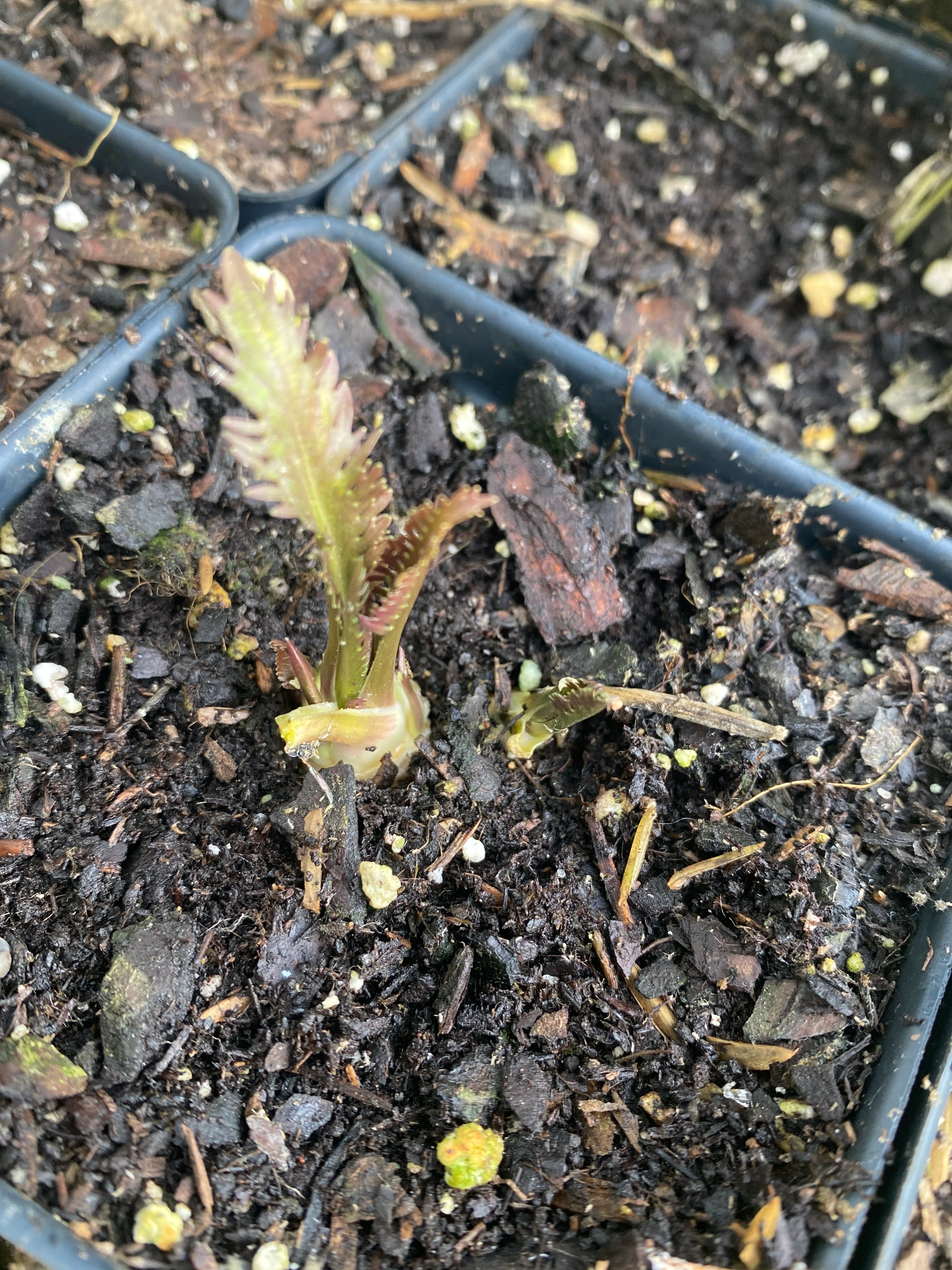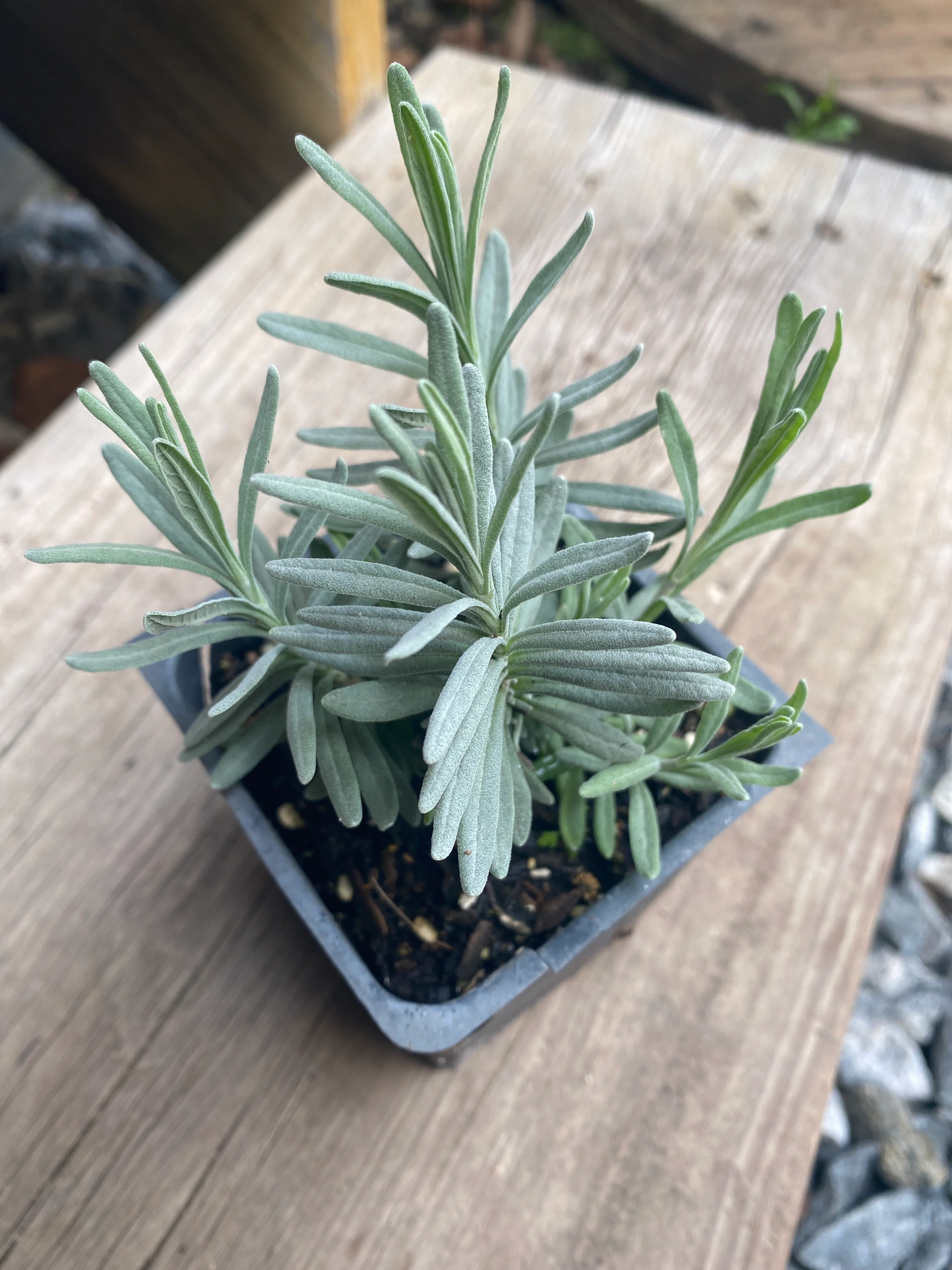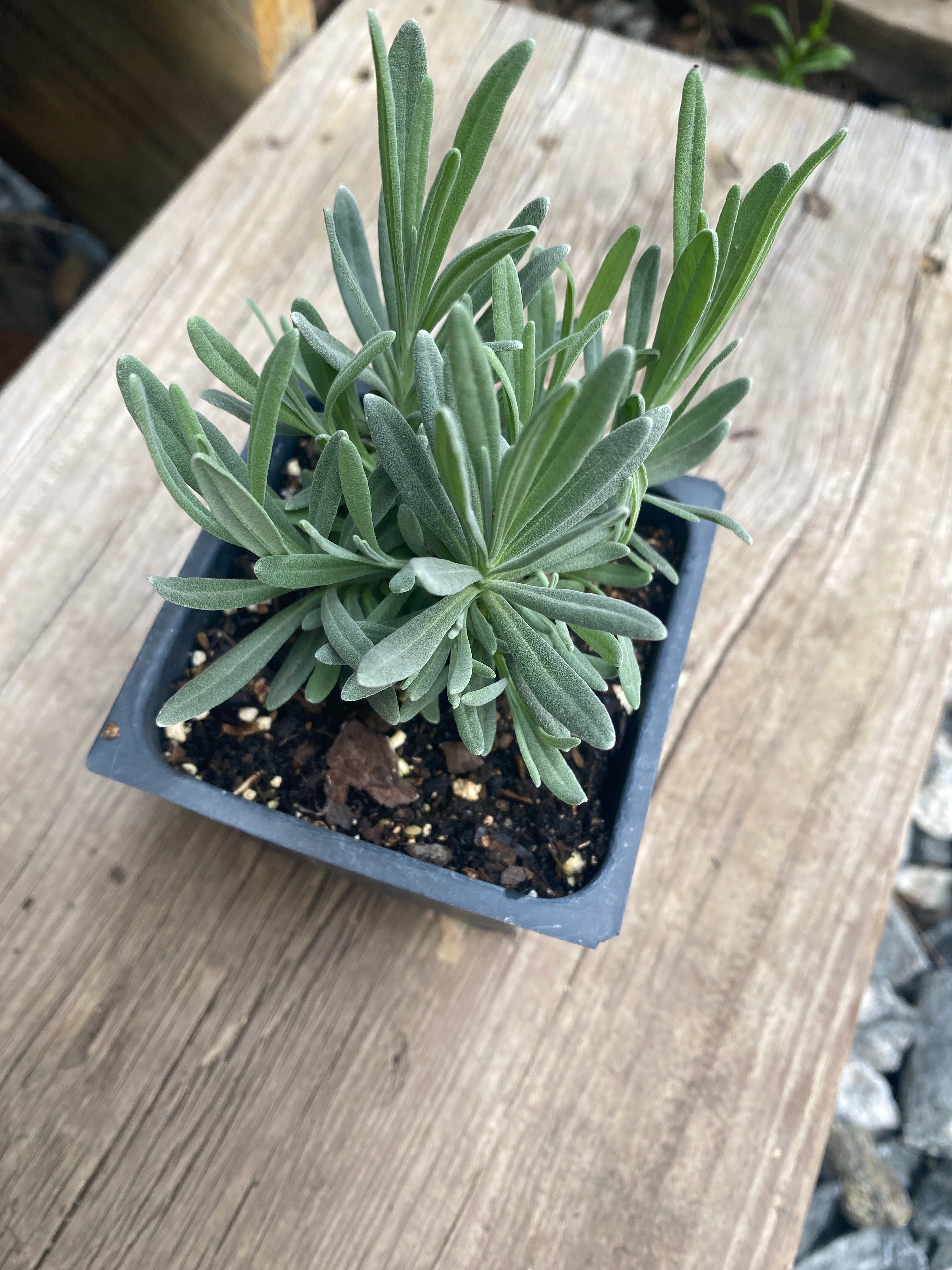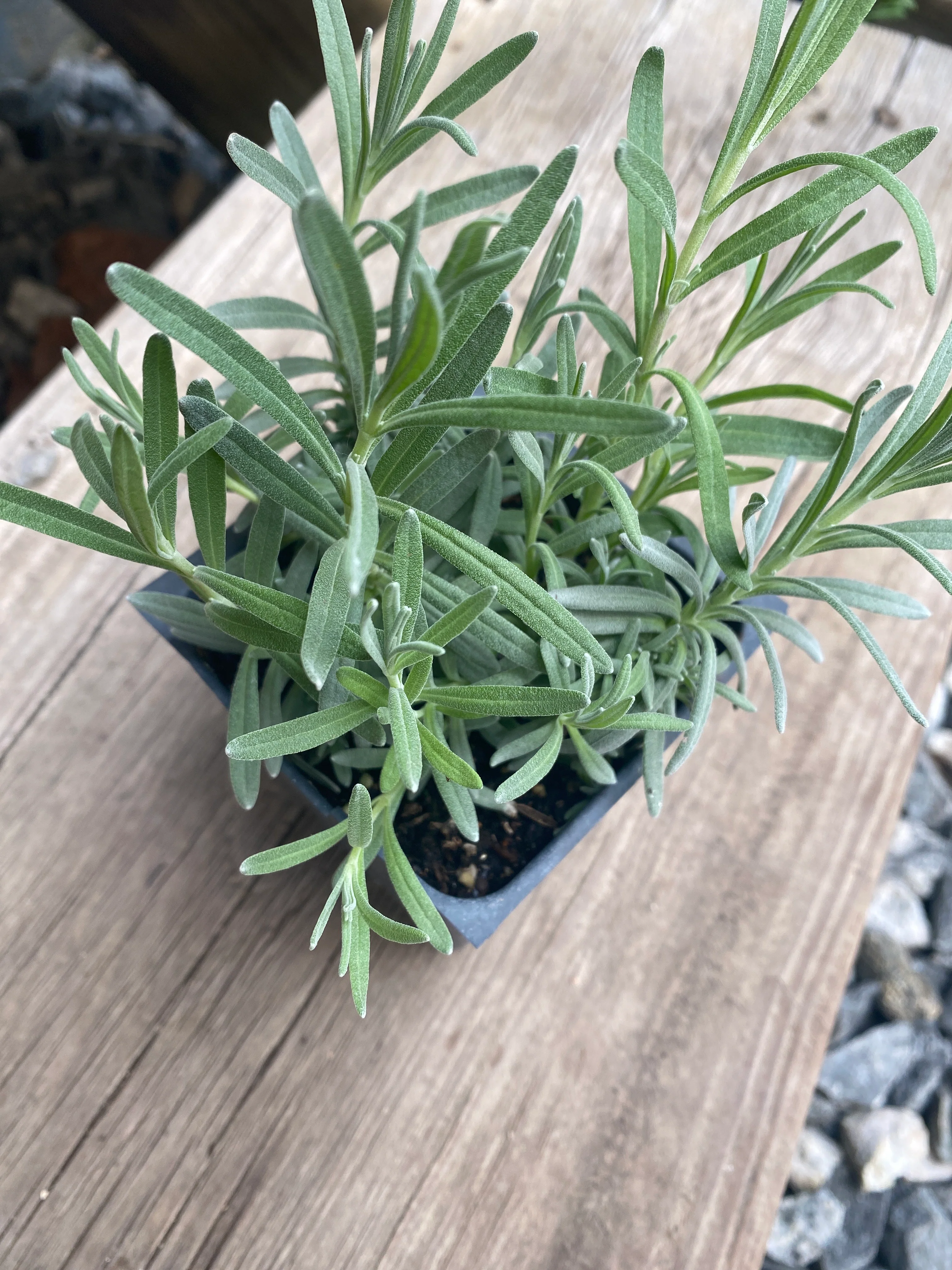
Stinging Nettles
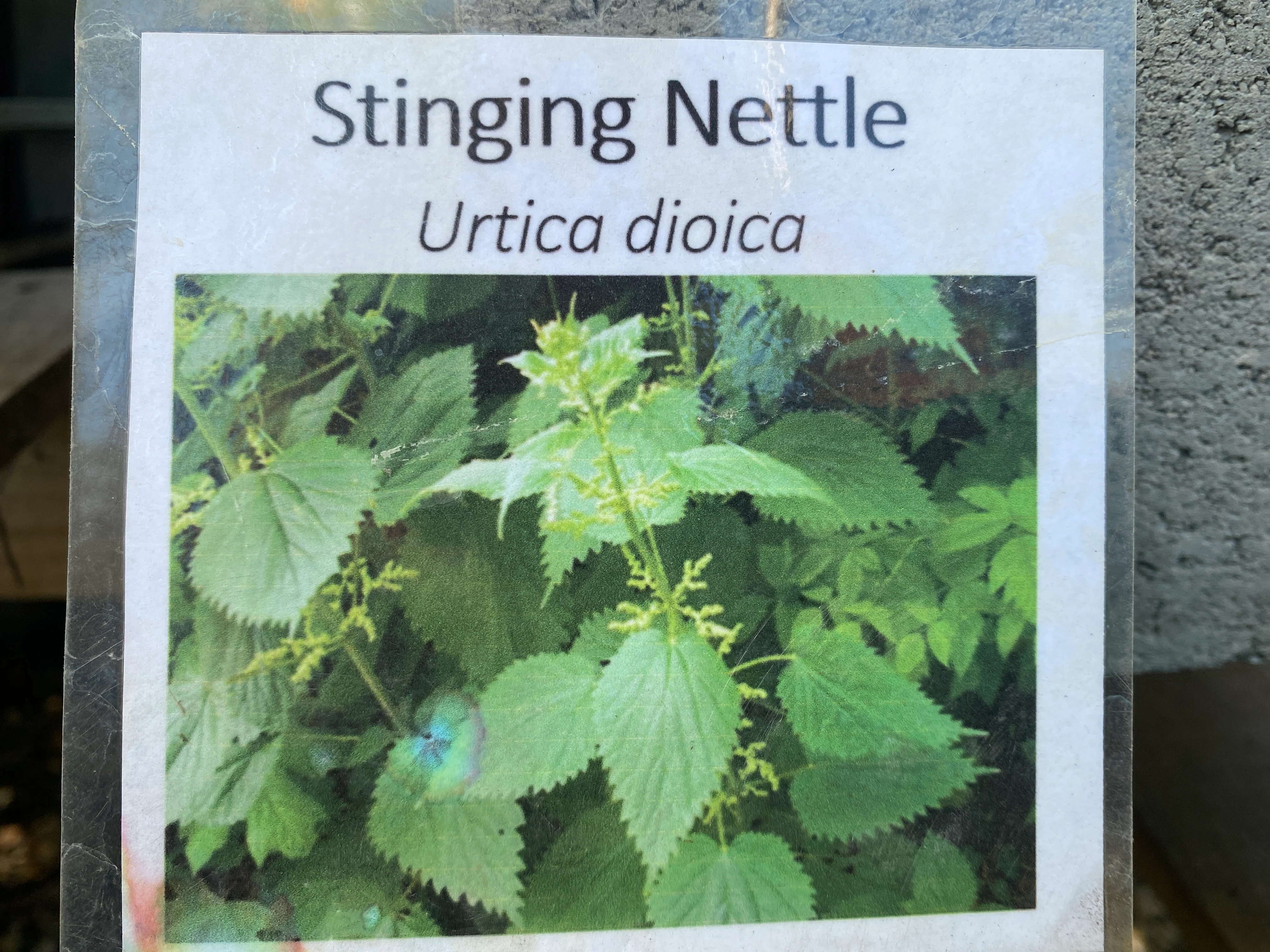
Stinging Nettles (Urtica dioica)
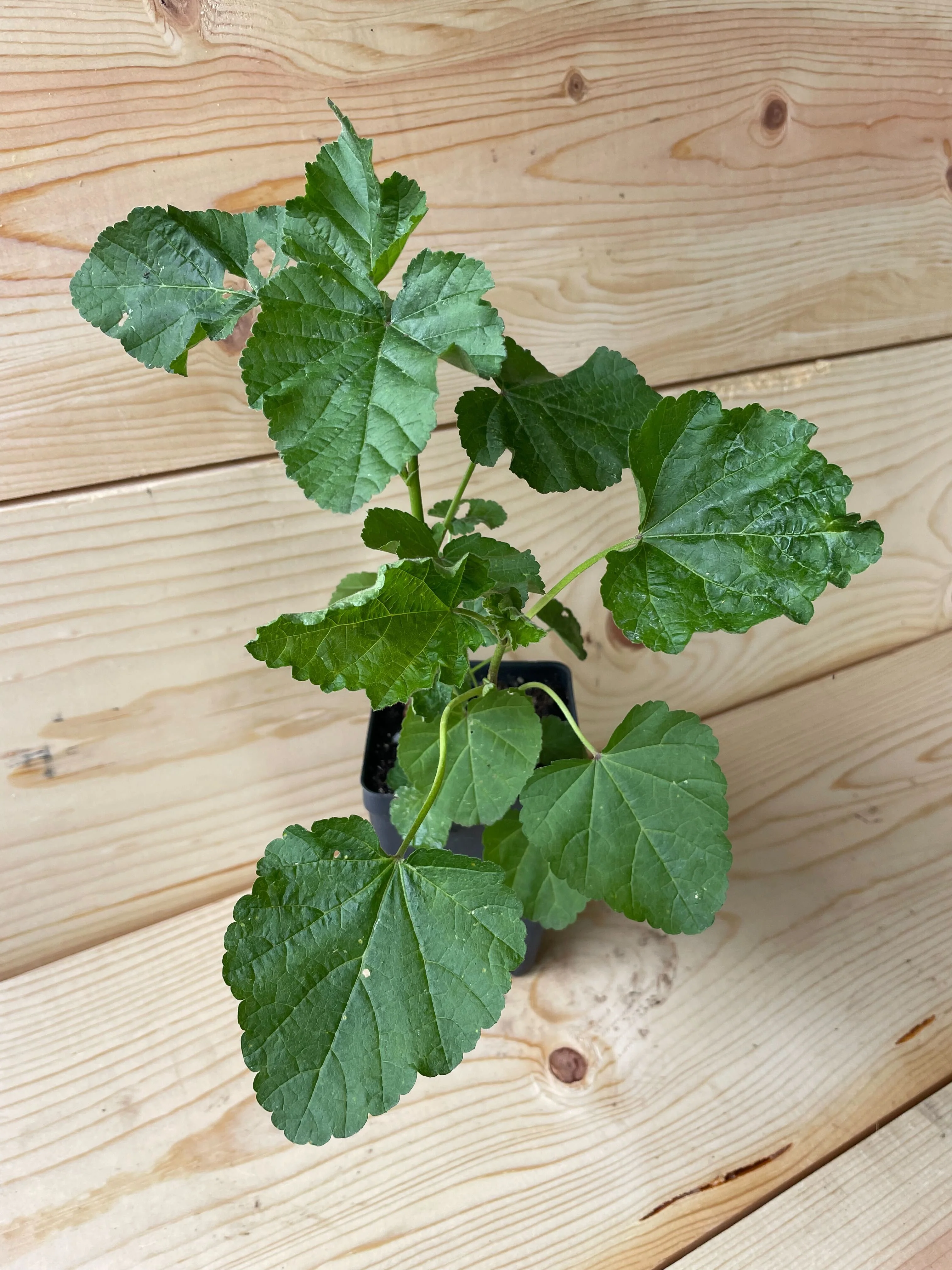
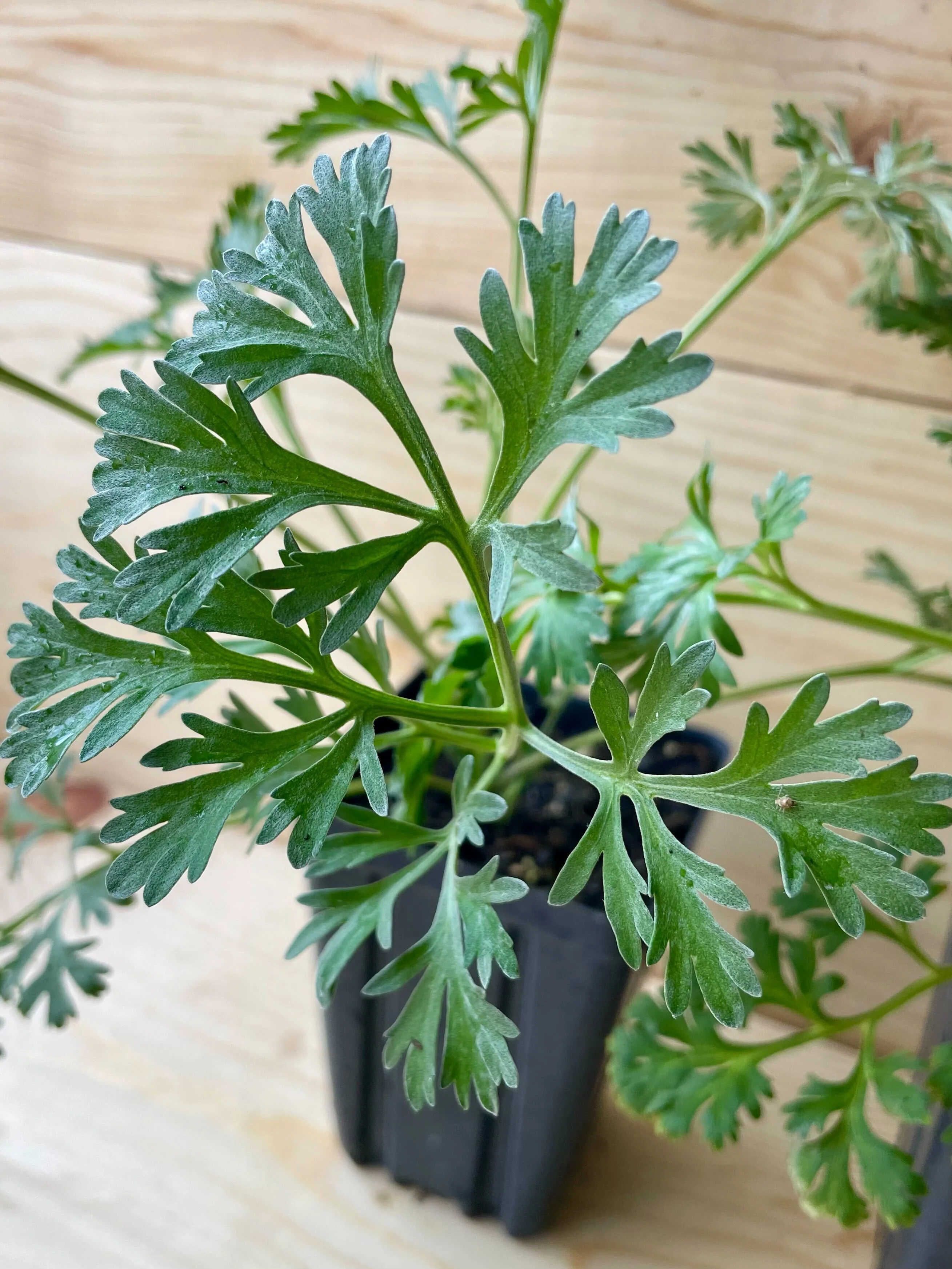
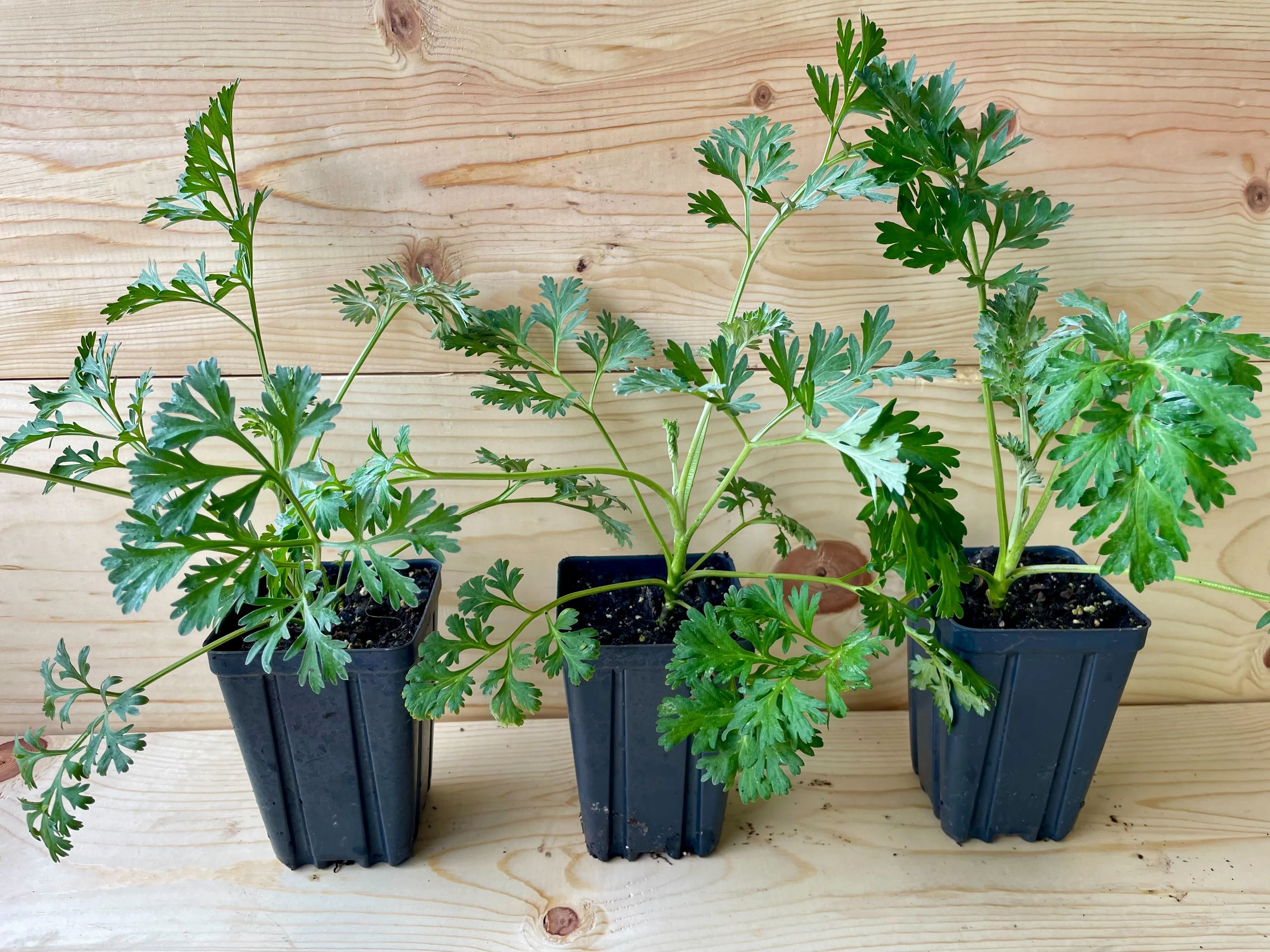
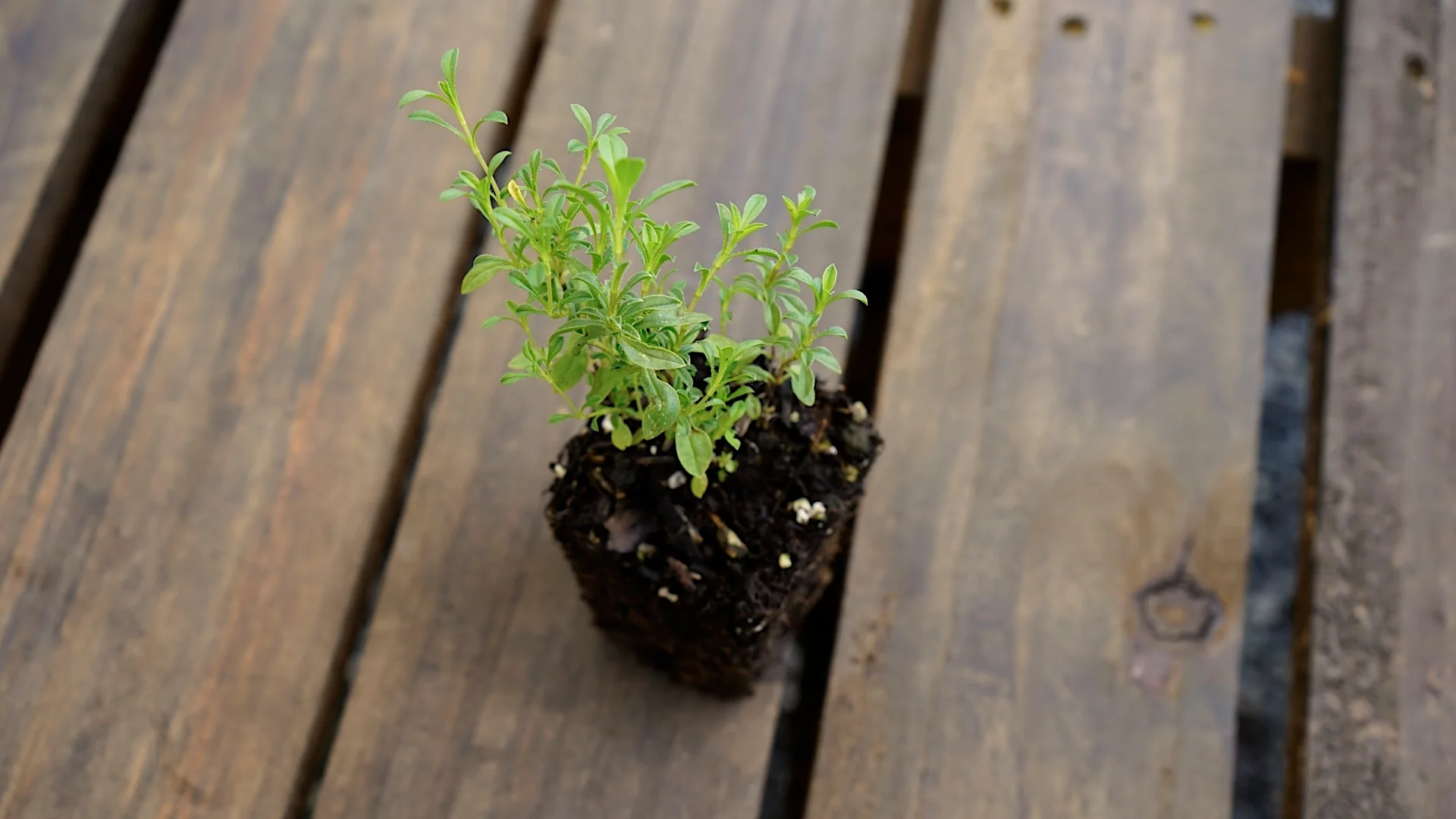
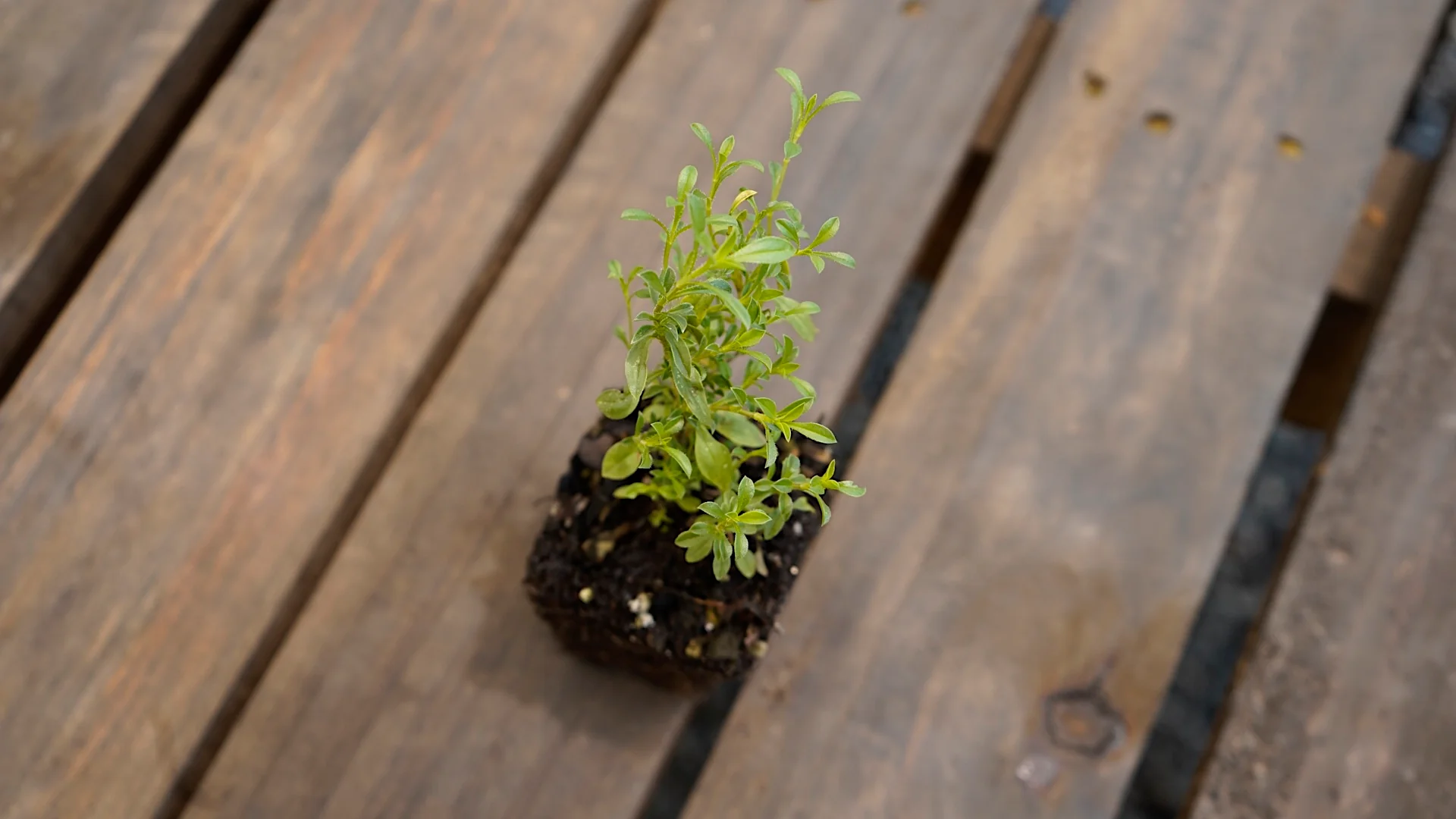
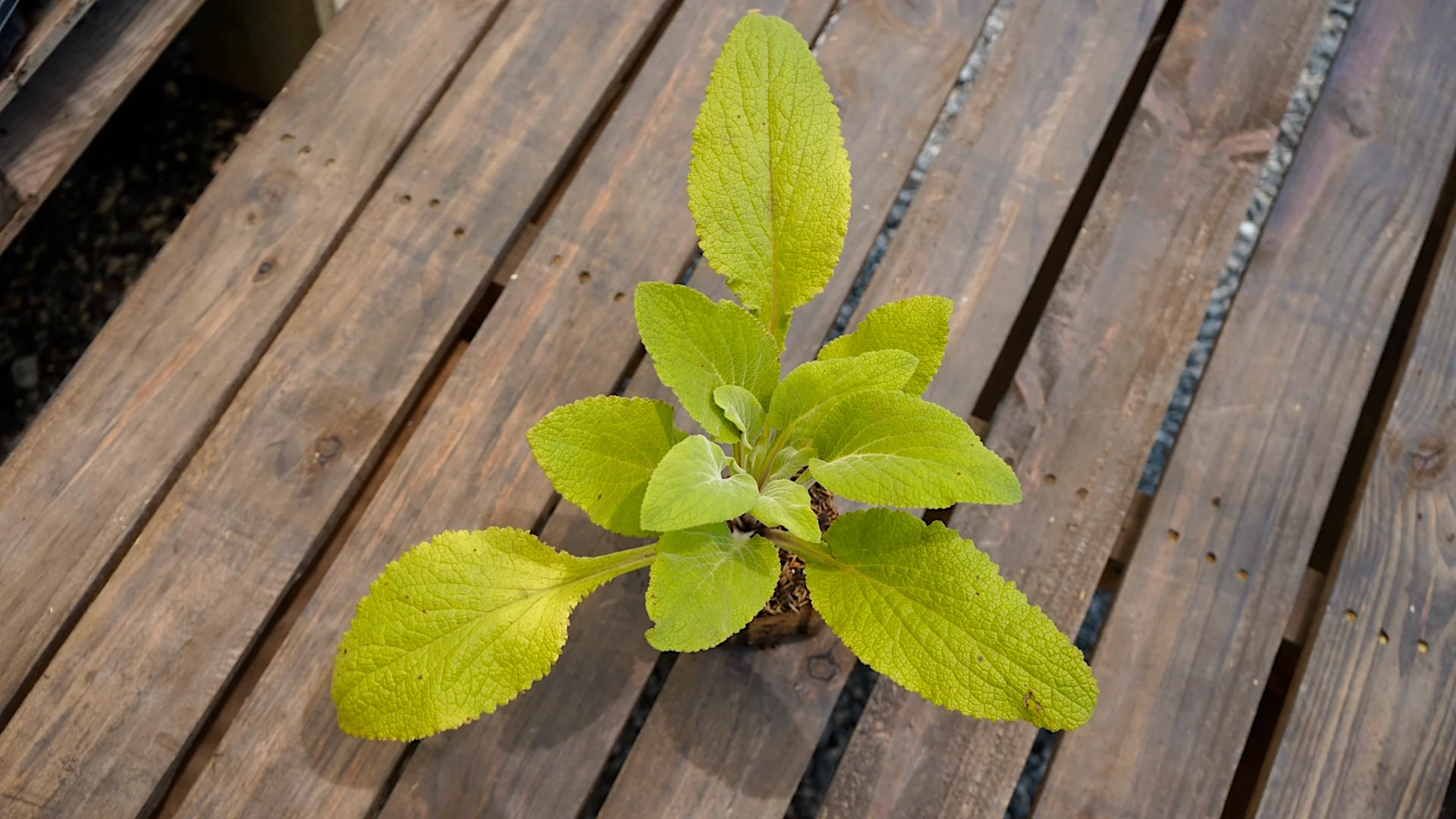
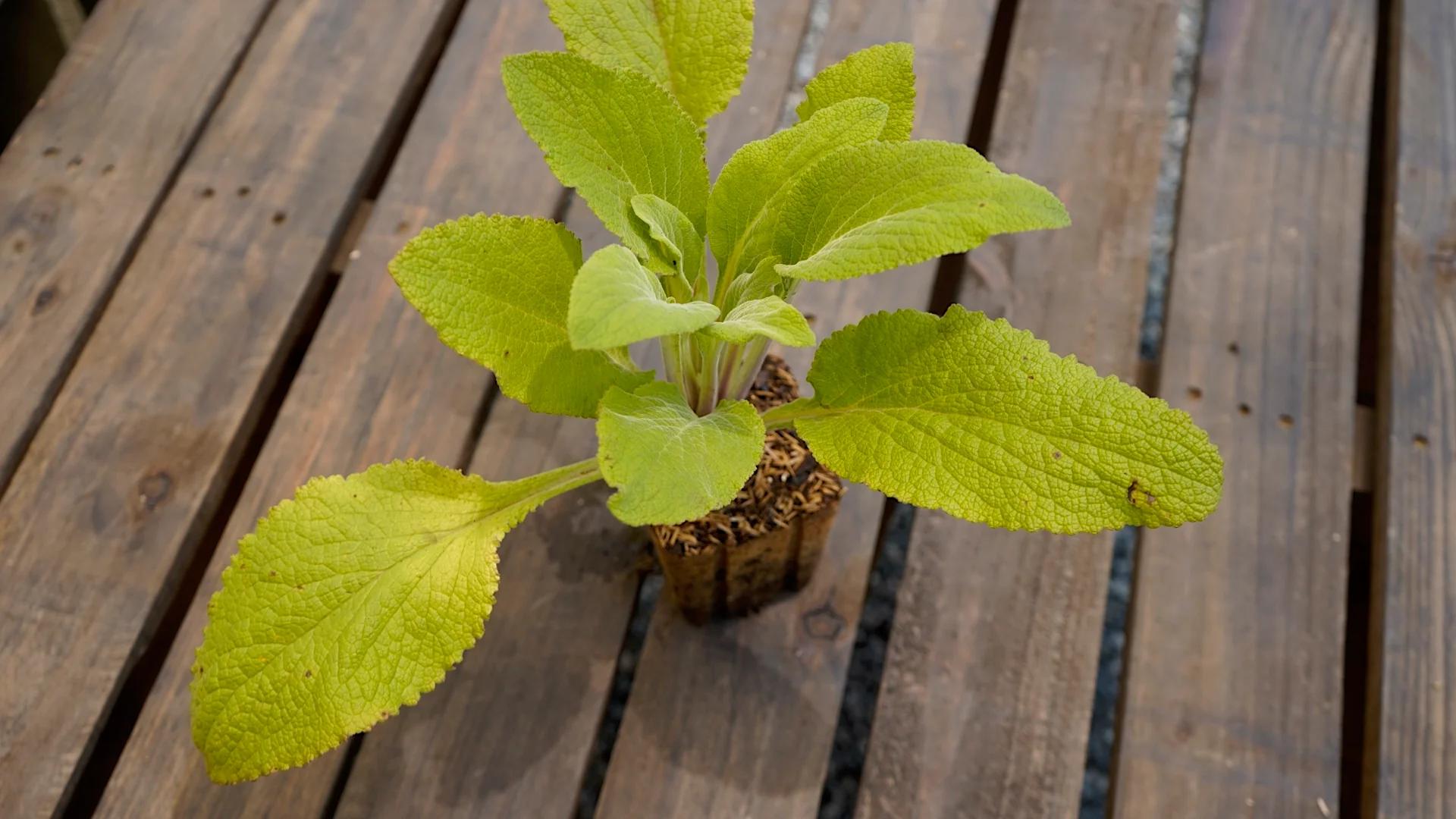
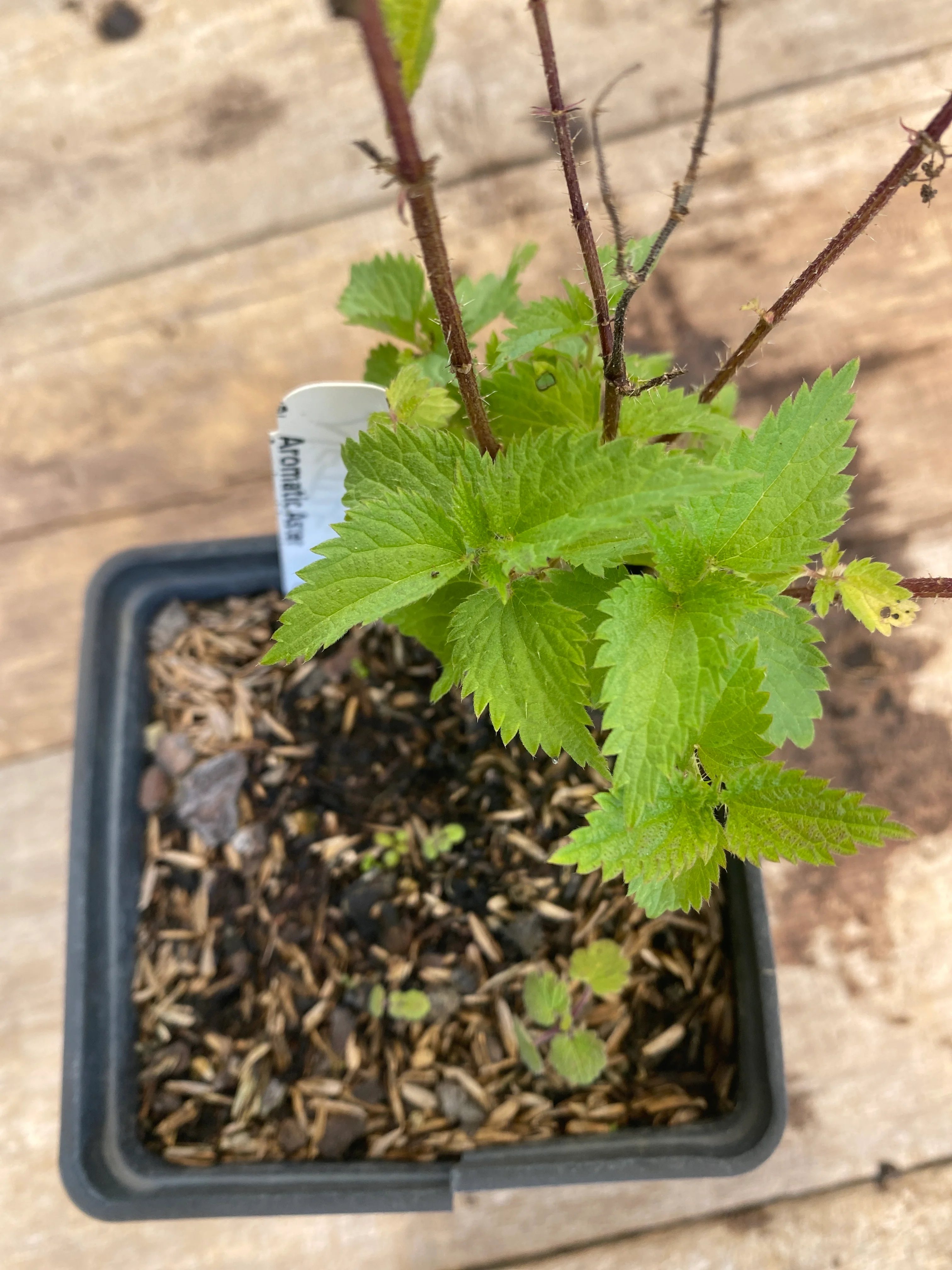
Stinging Nettles are a highly versatile and beneficial perennial herb that plays a significant ecological role while offering valuable traditional and medicinal uses. Known for their nutritional and medicinal properties, nettles have been used for centuries to support health and wellness. They also serve as an important larval host plant for butterflies and play a vital role in maintaining biodiversity in natural landscapes. Despite their sting, they are a valuable addition to food forests, permaculture systems, and wildlife-friendly gardens. They also develop very strong fibers and are great for textiles!
Key Characteristics:
-
Larval Host Plant for Butterflies
Stinging Nettles are a crucial host plant for several butterfly species, including the Red Admiral, Comma, and Peacock butterflies. Their leaves provide food for caterpillars, helping to support butterfly populations and contributing to a biodiverse landscape. -
Nutrient-Dense and Medicinal Uses
Nettles have long been used as a medicinal herb to treat conditions such as arthritis, allergies, and inflammation. The young leaves, rich in vitamins A, C, K, and iron, are often used in teas, soups, and herbal infusions to support overall health. Dried leaves are also used as a diuretic and to promote respiratory health. -
Improves Soil Health and Fertility
Stinging Nettles are known to accumulate nutrients such as nitrogen and potassium in their leaves, which can be returned to the soil through composting. They are often used in permaculture systems to improve soil fertility and enhance the growth of surrounding plants. -
Supports Biodiversity and Insect Populations
In addition to butterflies, nettles attract other beneficial insects, such as ladybugs, which prey on garden pests. By encouraging a range of insect life, nettles help maintain a balanced ecosystem and reduce the need for chemical pest control. -
Perfect for Food Forests and Naturalized Gardens
Nettles thrive in moist, fertile soils and are ideal for naturalized areas, food forests, or permaculture designs where their ecological benefits can be maximized. They grow well alongside other medicinal plants and offer food, habitat, and soil benefits in diverse landscapes.
Product Details:
- Native range: Europe, Asia, and North America
- Life cycle: Perennial
- Sun requirements: Full sun to partial shade
- Soil requirements: Rich, moist soils
- Mature height: 3-6 feet
- Bloom time: Spring to summer
- Bloom color: Green
- USDA Hardiness zones: 3-10
Stinging Nettles are an excellent addition to food forests, pollinator gardens, and permaculture systems, supporting butterflies and improving soil health.
Product Information
Product Information
Shipping & Returns
Shipping & Returns
Description
Stinging Nettles (Urtica dioica)
Stinging Nettles are a highly versatile and beneficial perennial herb that plays a significant ecological role while offering valuable traditional and medicinal uses. Known for their nutritional and medicinal properties, nettles have been used for centuries to support health and wellness. They also serve as an important larval host plant for butterflies and play a vital role in maintaining biodiversity in natural landscapes. Despite their sting, they are a valuable addition to food forests, permaculture systems, and wildlife-friendly gardens. They also develop very strong fibers and are great for textiles!
Key Characteristics:
-
Larval Host Plant for Butterflies
Stinging Nettles are a crucial host plant for several butterfly species, including the Red Admiral, Comma, and Peacock butterflies. Their leaves provide food for caterpillars, helping to support butterfly populations and contributing to a biodiverse landscape. -
Nutrient-Dense and Medicinal Uses
Nettles have long been used as a medicinal herb to treat conditions such as arthritis, allergies, and inflammation. The young leaves, rich in vitamins A, C, K, and iron, are often used in teas, soups, and herbal infusions to support overall health. Dried leaves are also used as a diuretic and to promote respiratory health. -
Improves Soil Health and Fertility
Stinging Nettles are known to accumulate nutrients such as nitrogen and potassium in their leaves, which can be returned to the soil through composting. They are often used in permaculture systems to improve soil fertility and enhance the growth of surrounding plants. -
Supports Biodiversity and Insect Populations
In addition to butterflies, nettles attract other beneficial insects, such as ladybugs, which prey on garden pests. By encouraging a range of insect life, nettles help maintain a balanced ecosystem and reduce the need for chemical pest control. -
Perfect for Food Forests and Naturalized Gardens
Nettles thrive in moist, fertile soils and are ideal for naturalized areas, food forests, or permaculture designs where their ecological benefits can be maximized. They grow well alongside other medicinal plants and offer food, habitat, and soil benefits in diverse landscapes.
Product Details:
- Native range: Europe, Asia, and North America
- Life cycle: Perennial
- Sun requirements: Full sun to partial shade
- Soil requirements: Rich, moist soils
- Mature height: 3-6 feet
- Bloom time: Spring to summer
- Bloom color: Green
- USDA Hardiness zones: 3-10
Stinging Nettles are an excellent addition to food forests, pollinator gardens, and permaculture systems, supporting butterflies and improving soil health.