Valerian
Valerian (Valeriana officinalis)
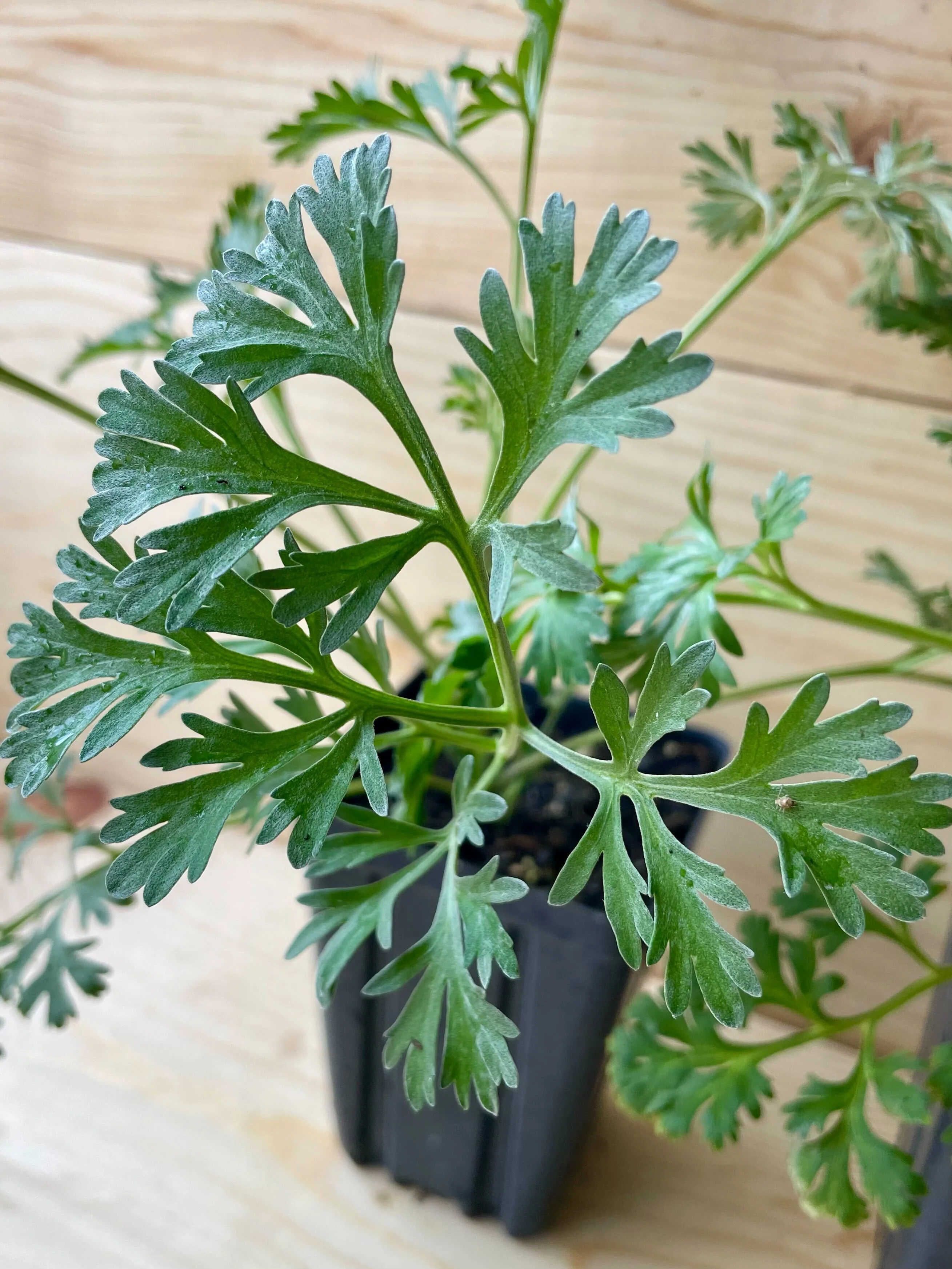
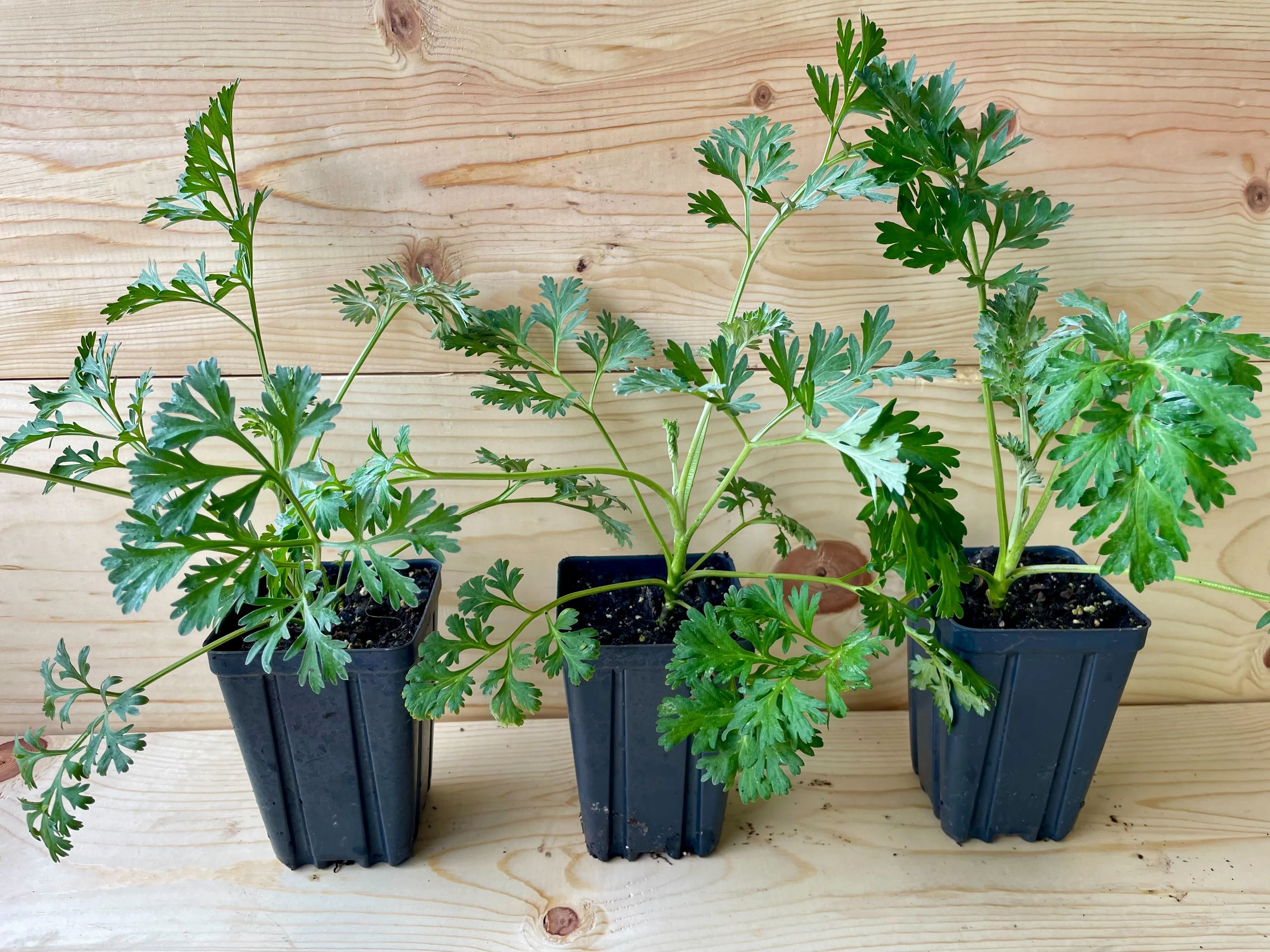
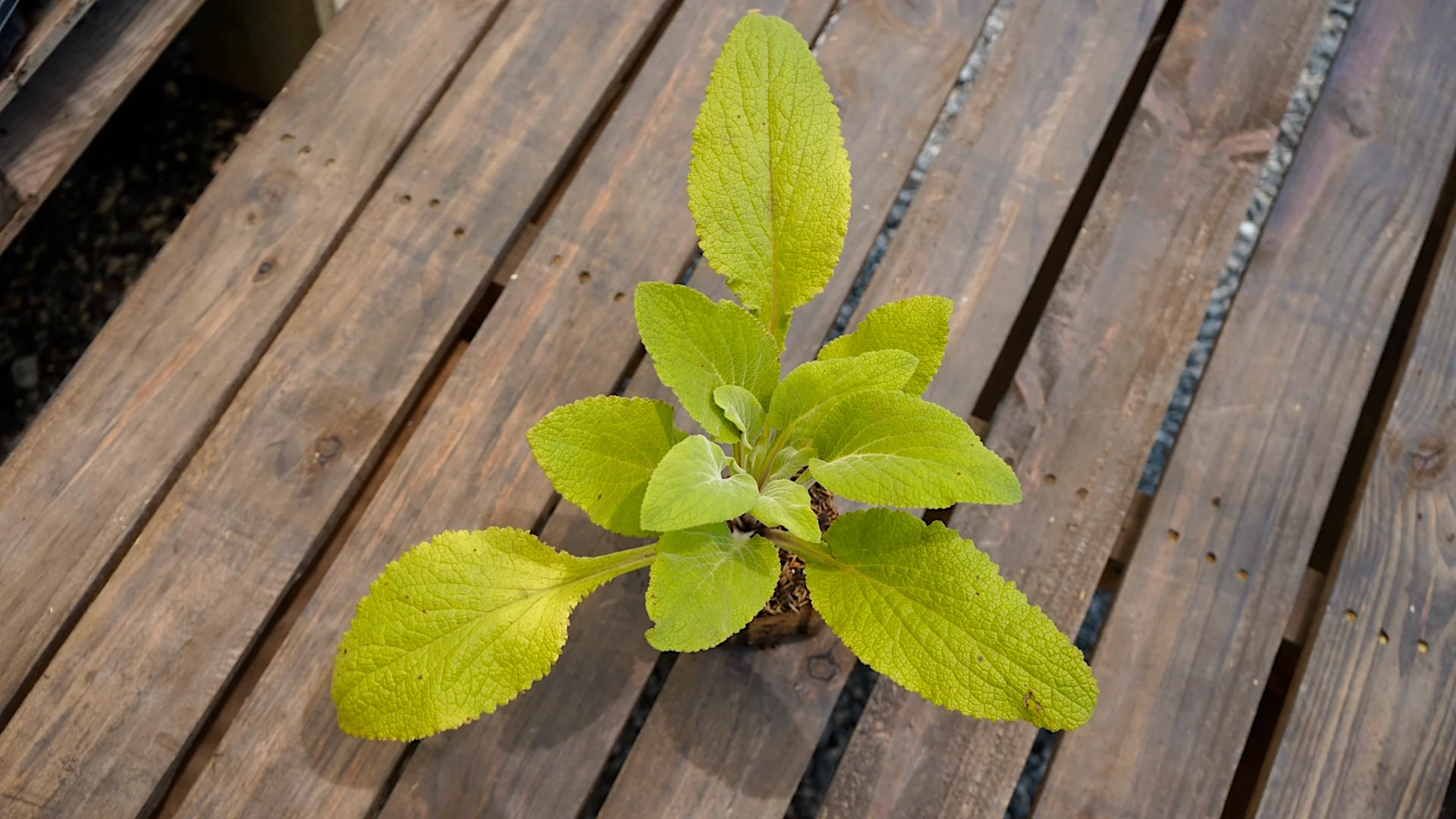
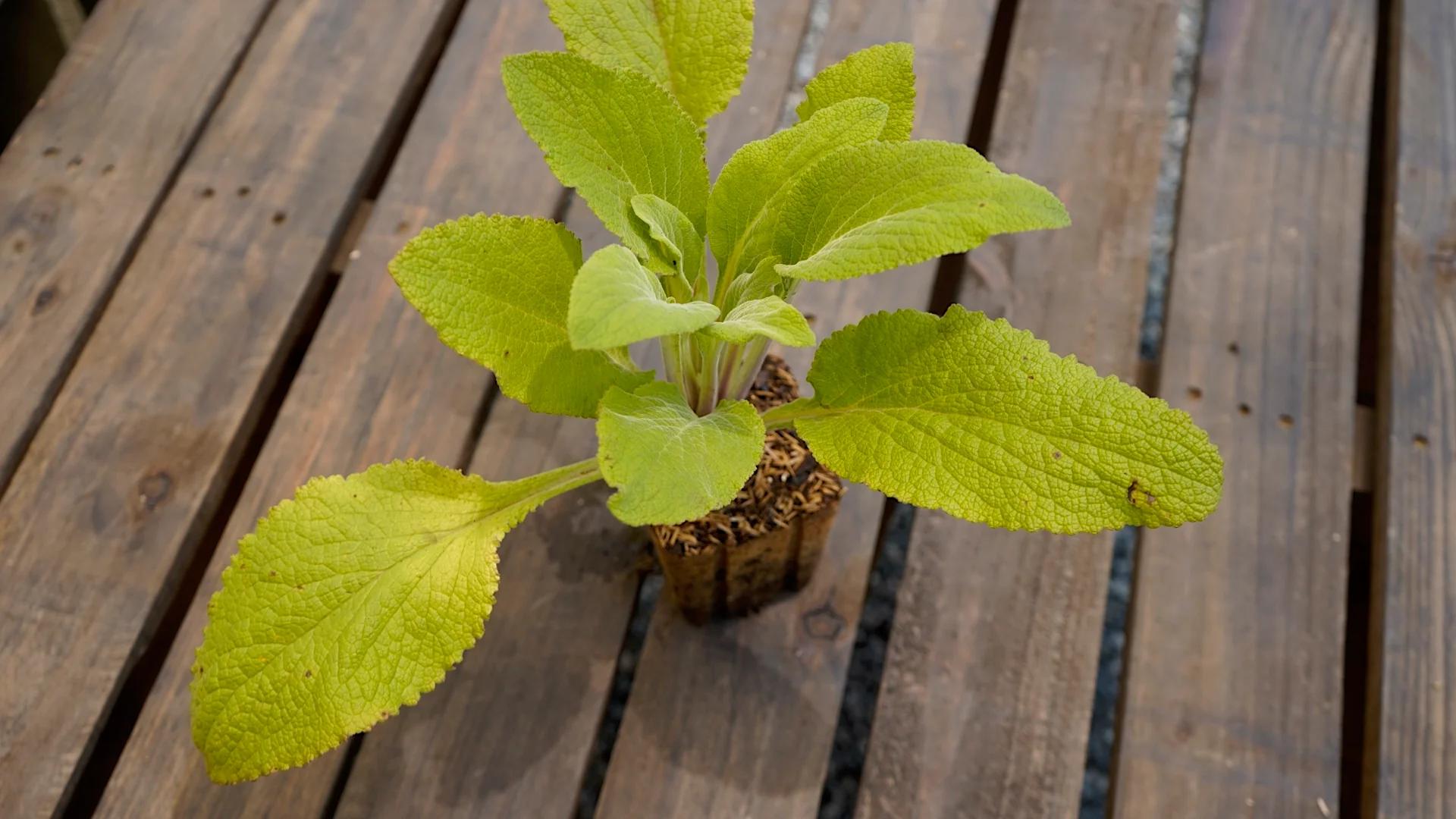
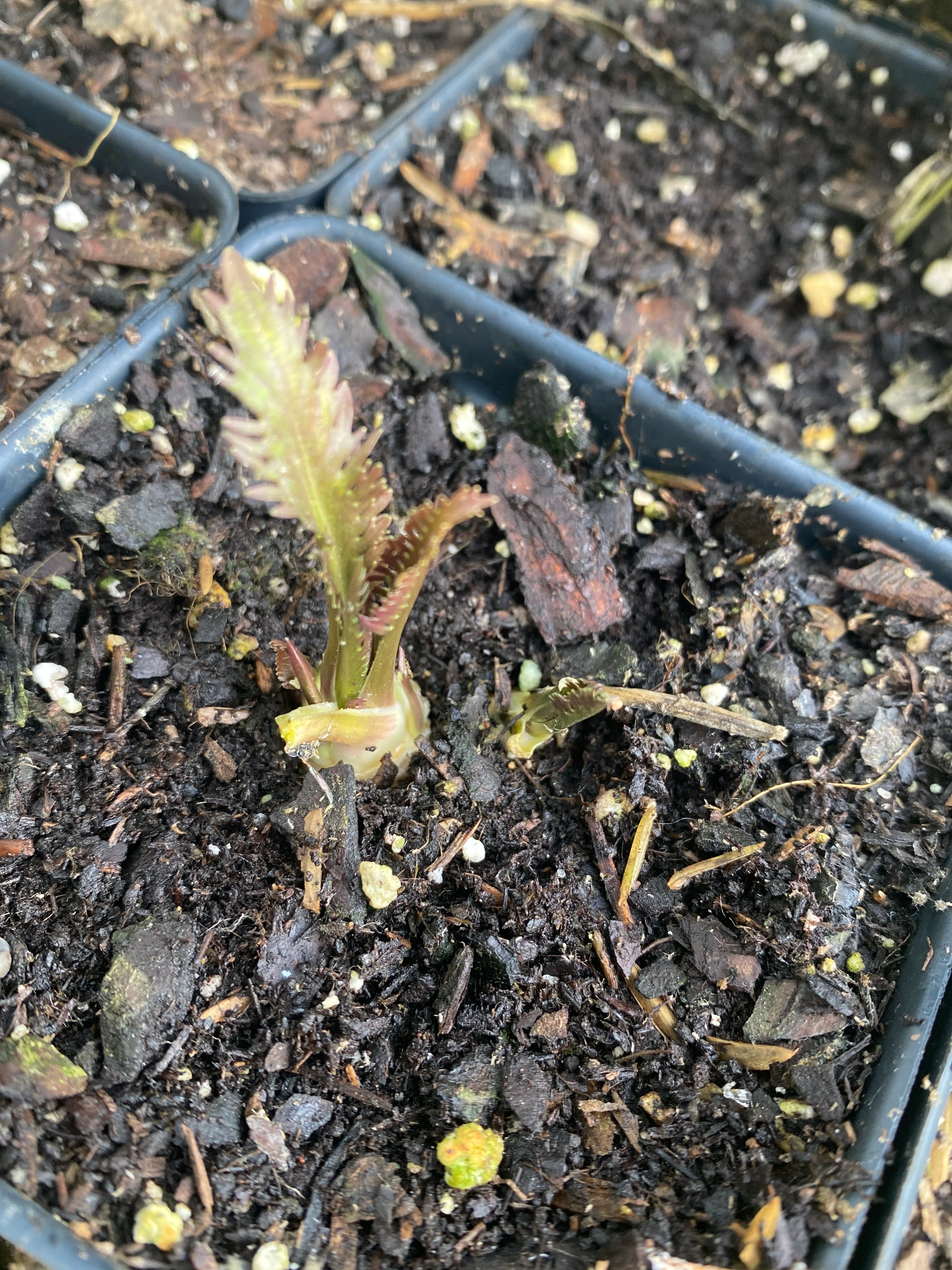
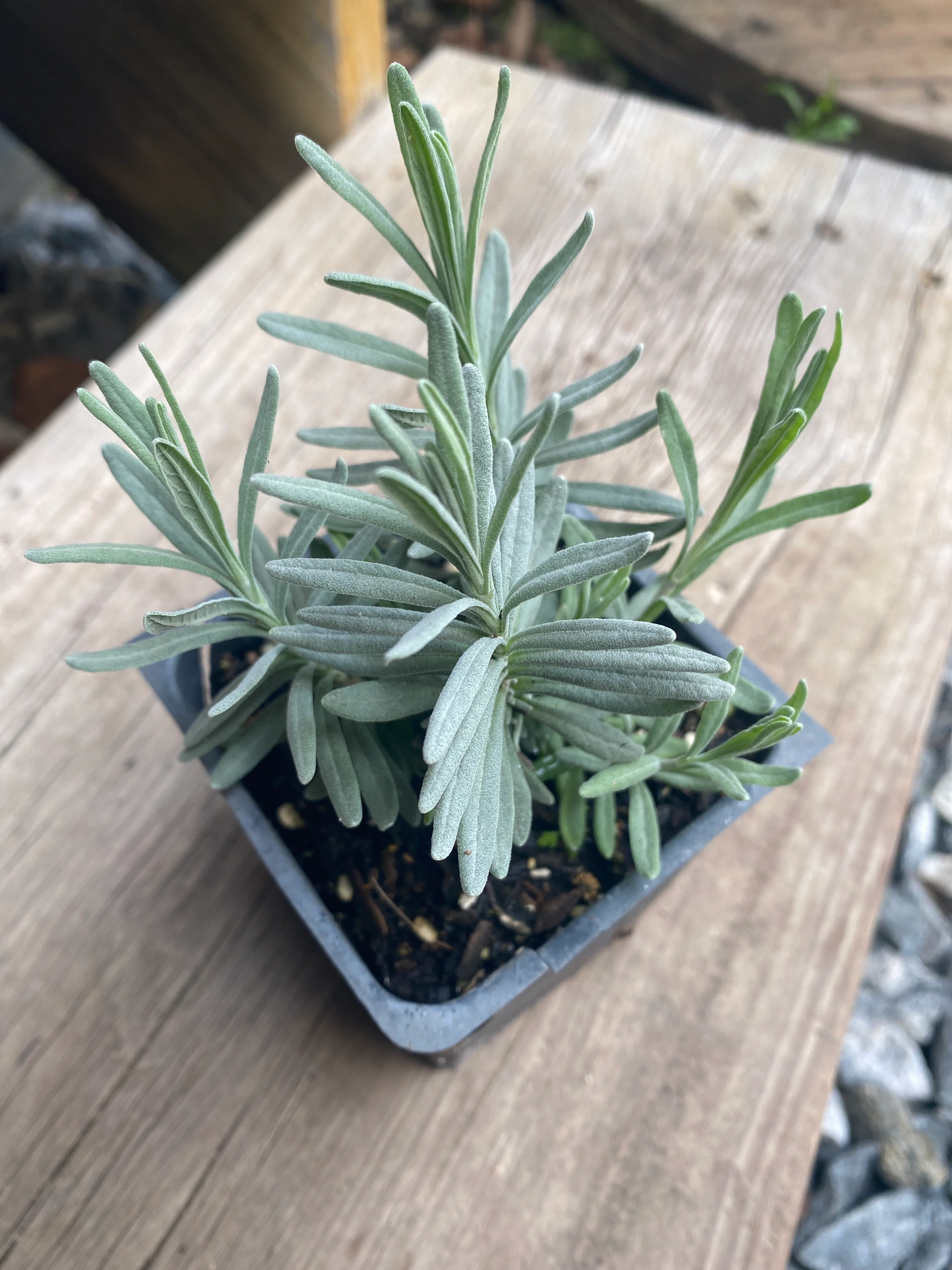
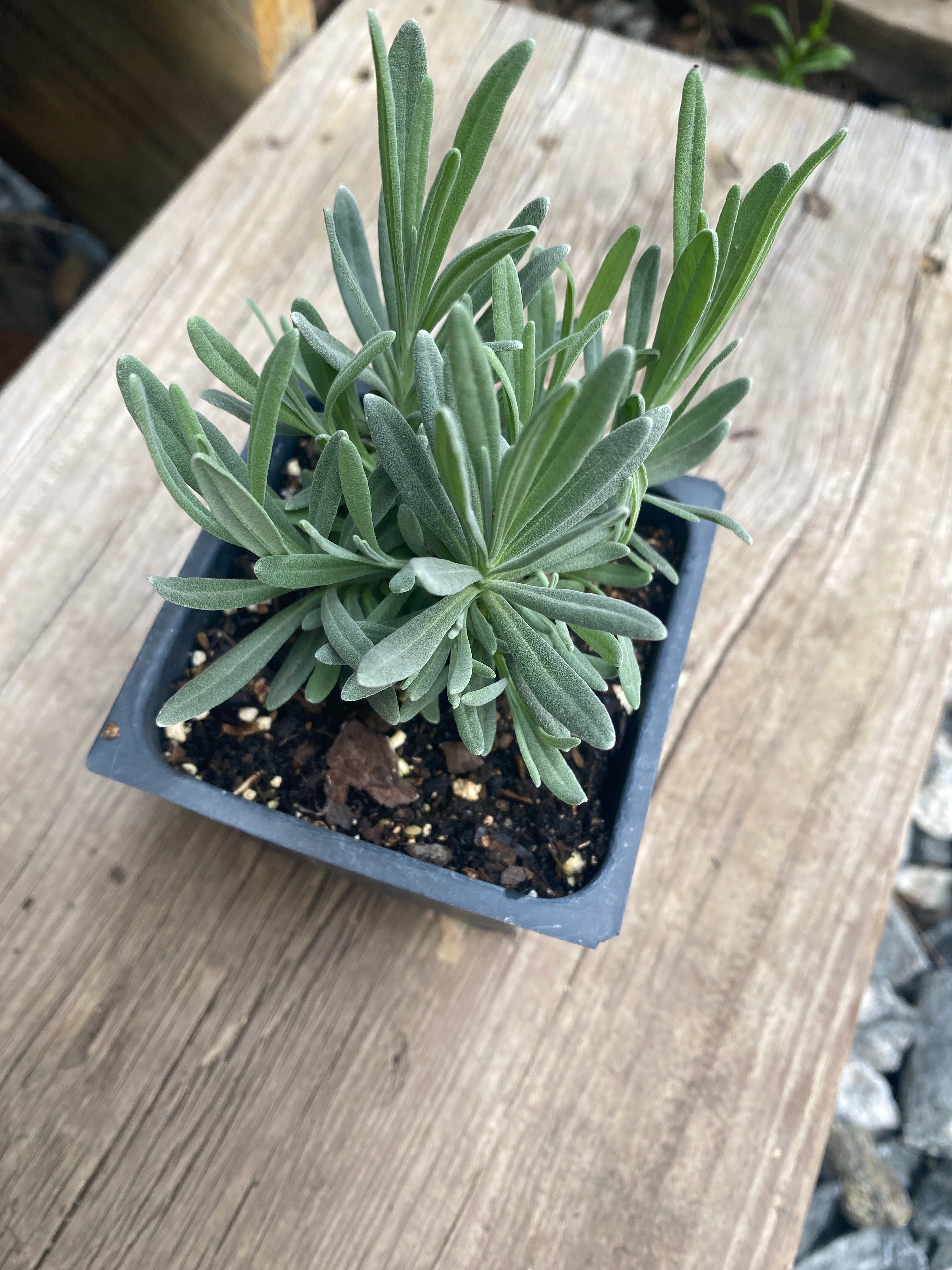
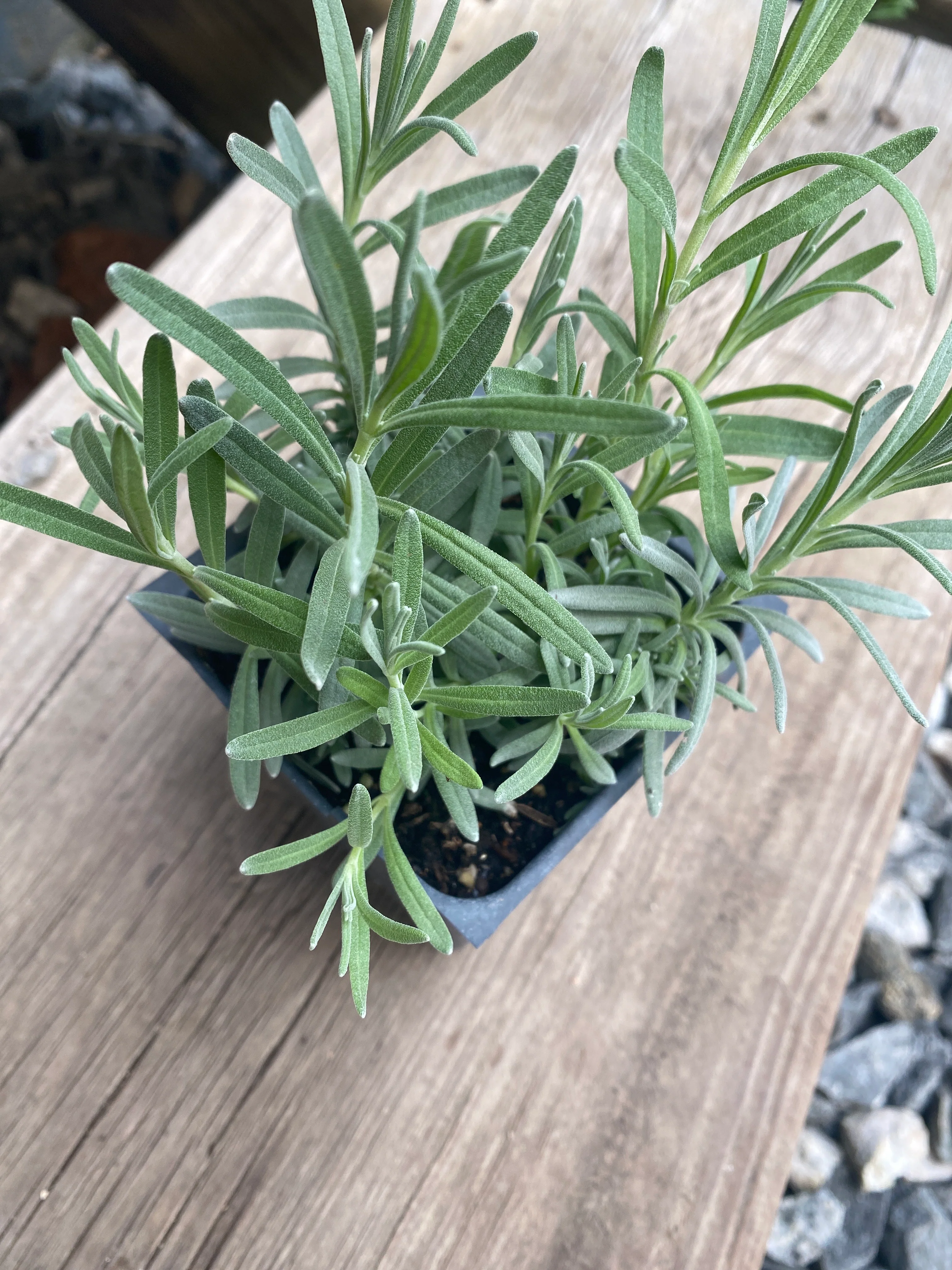
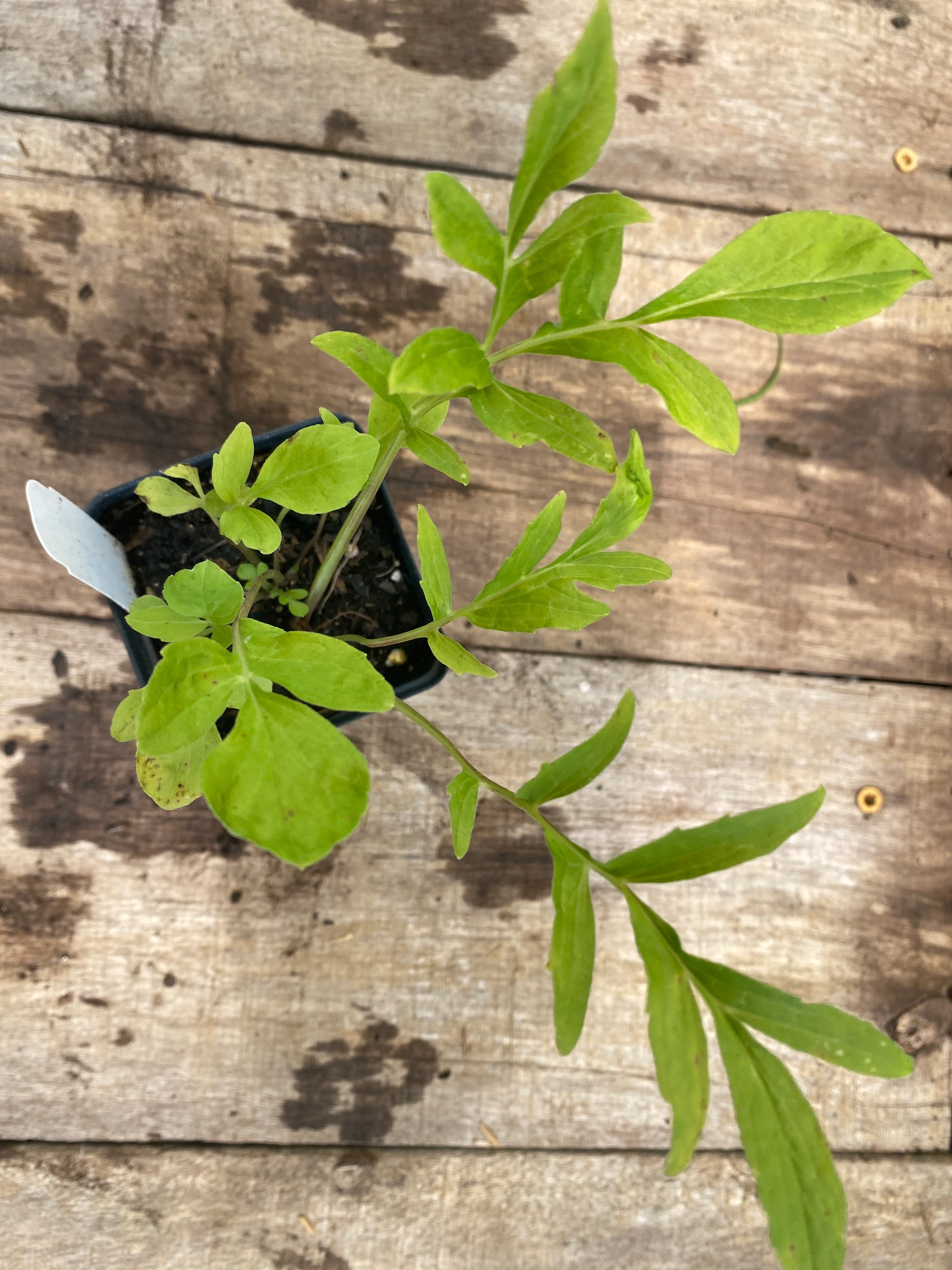
Valerian is a tall, flowering perennial best known for its deeply calming root, widely used to support sleep and nervous system balance. In the garden, it produces elegant clusters of soft pink-white flowers that rise above lush foliage, attracting a wide range of pollinators. Beneath the soil, its roots develop the strong aroma and medicinal compounds that have made valerian a cornerstone herb in traditional European herbalism.
Key Characteristics
Powerful root for sleep and nervous system support
Valerian root is traditionally used as a sedative and nervine, helping to support restful sleep, reduce tension, and calm an overactive mind. The roots are harvested, dried, and used in teas, tinctures, or capsules. Its effects are often gradual and cumulative, making it more suited for consistent use rather than immediate results.
Long-standing traditional medicinal use
Used for centuries in European herbal traditions, valerian has been relied upon for insomnia, anxiety, and nervous unrest. The root is the primary medicinal part, typically prepared as a decoction or tincture due to its strong flavor and aroma. It is often combined with other calming herbs like chamomile, lemon balm, or skullcap.
Pollinator-attracting flowers with wide ecological value
Valerian produces large, fragrant flower clusters that attract bees, flies, beetles, and other beneficial insects. Its extended bloom period provides a steady nectar source, and it plays a role in increasing insect diversity in mixed plantings. Some gardeners also note its ability to attract predatory insects that support pest balance.
Tall, moisture-loving perennial for edges and understory transitions
Valerian grows upright, often reaching 3–5 feet, making it useful toward the back of herb beds or along edges of wetter garden zones. It thrives in medium to moist soils and can be integrated into food forests, meadow edges, or near water catchment areas where consistent moisture is available.
- Native range: Europe and parts of Asia
- Plant life cycle: Perennial
- Sun requirements: Full sun to partial shade
- Soil requirements: Medium to medium-wet
- Mature height: 3–5 feet
- Bloom time: June – August
- Bloom color: White to pale pink
- USDA Hardiness zones: 4–9
For best results, grow valerian in moist, fertile soil with consistent water. Allow plants at least one full season before harvesting roots, and consider leaving some plants to flower to support beneficial insects and maintain a self-sustaining patch.
Original: $4.25
-65%$4.25
$1.49Product Information
Product Information
Shipping & Returns
Shipping & Returns
Description
Valerian (Valeriana officinalis)
Valerian is a tall, flowering perennial best known for its deeply calming root, widely used to support sleep and nervous system balance. In the garden, it produces elegant clusters of soft pink-white flowers that rise above lush foliage, attracting a wide range of pollinators. Beneath the soil, its roots develop the strong aroma and medicinal compounds that have made valerian a cornerstone herb in traditional European herbalism.
Key Characteristics
Powerful root for sleep and nervous system support
Valerian root is traditionally used as a sedative and nervine, helping to support restful sleep, reduce tension, and calm an overactive mind. The roots are harvested, dried, and used in teas, tinctures, or capsules. Its effects are often gradual and cumulative, making it more suited for consistent use rather than immediate results.
Long-standing traditional medicinal use
Used for centuries in European herbal traditions, valerian has been relied upon for insomnia, anxiety, and nervous unrest. The root is the primary medicinal part, typically prepared as a decoction or tincture due to its strong flavor and aroma. It is often combined with other calming herbs like chamomile, lemon balm, or skullcap.
Pollinator-attracting flowers with wide ecological value
Valerian produces large, fragrant flower clusters that attract bees, flies, beetles, and other beneficial insects. Its extended bloom period provides a steady nectar source, and it plays a role in increasing insect diversity in mixed plantings. Some gardeners also note its ability to attract predatory insects that support pest balance.
Tall, moisture-loving perennial for edges and understory transitions
Valerian grows upright, often reaching 3–5 feet, making it useful toward the back of herb beds or along edges of wetter garden zones. It thrives in medium to moist soils and can be integrated into food forests, meadow edges, or near water catchment areas where consistent moisture is available.
- Native range: Europe and parts of Asia
- Plant life cycle: Perennial
- Sun requirements: Full sun to partial shade
- Soil requirements: Medium to medium-wet
- Mature height: 3–5 feet
- Bloom time: June – August
- Bloom color: White to pale pink
- USDA Hardiness zones: 4–9
For best results, grow valerian in moist, fertile soil with consistent water. Allow plants at least one full season before harvesting roots, and consider leaving some plants to flower to support beneficial insects and maintain a self-sustaining patch.