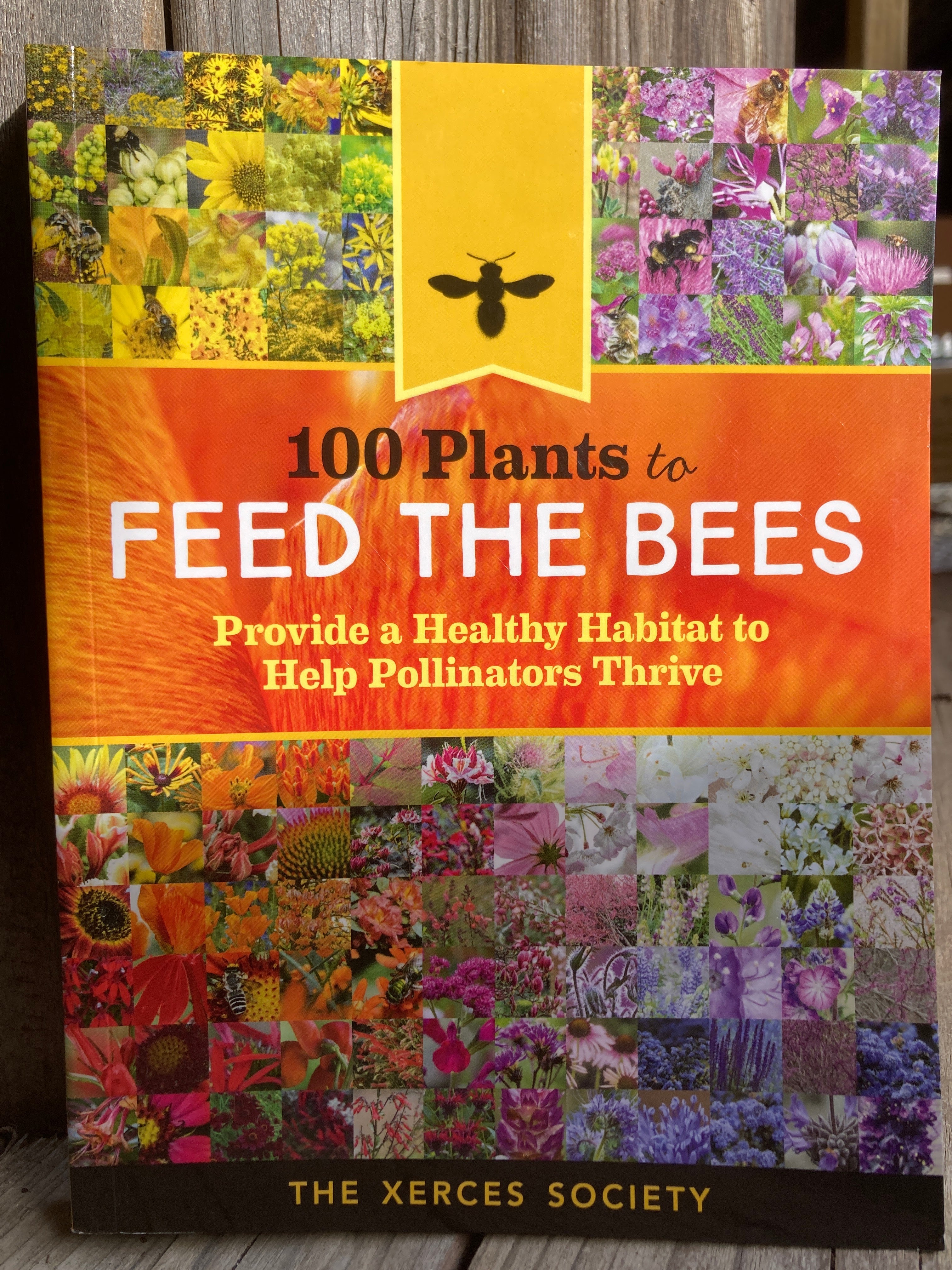
100 Plants to Feed the Bees
100 Plants to Feed the Bees (The Xerces Society for Invertebrate Conservation)
100 Plants to Feed the Bees is a regionally informed planting guide focused on supporting native bees and other pollinators through intentional plant selection. Developed by the Xerces Society, this book offers detailed insight into which plants provide the most valuable nectar and pollen resources, helping growers design landscapes that actively sustain pollinator populations throughout the growing season.
Key Characteristics
-
Top Plant Species for Native Bees
Profiles 100 carefully selected plants known to provide high-quality forage for native bees, including specialist species. The book highlights which bees benefit from specific plants, offering a deeper level of ecological detail. -
Season-Long Bloom Support
Emphasizes planting for continuous bloom from early spring through late fall. This ensures consistent nectar and pollen availability, especially during critical early and late-season gaps when resources are scarce. -
Regional Plant Recommendations
Organized by geographic regions, making it easier to select plants suited to your local climate and ecosystem. This increases success in both plant establishment and pollinator support. -
Supports Specialist and Generalist Pollinators
Goes beyond honeybees to include native solitary bees and specialist species that rely on specific plants, such as squash bees (Peponapis spp.) or bumblebees (Bombus spp.). -
Practical Design and Planting Guidance
Includes strategies for grouping plants, increasing visibility to pollinators, and designing effective pollinator habitats in gardens, farms, meadows, and restoration projects.
Product Details
- Format: Paperback
- Subject: Pollinator plants, native bees, ecological gardening
- Recommended Use: Pollinator garden design, habitat restoration, plant selection
- Skill Level: Beginner to advanced
- Language: English
- Illustrations: Plant photos and regional planting guides
Growing & Use Notes
Use this book as a planning tool when designing pollinator habitats—focus on grouping the same species in clusters and ensuring overlapping bloom times. Integrate these plants into garden beds, orchard edges, hedgerows, or meadow systems to create consistent forage across the season.
Product Information
Product Information
Shipping & Returns
Shipping & Returns
Description
100 Plants to Feed the Bees (The Xerces Society for Invertebrate Conservation)
100 Plants to Feed the Bees is a regionally informed planting guide focused on supporting native bees and other pollinators through intentional plant selection. Developed by the Xerces Society, this book offers detailed insight into which plants provide the most valuable nectar and pollen resources, helping growers design landscapes that actively sustain pollinator populations throughout the growing season.
Key Characteristics
-
Top Plant Species for Native Bees
Profiles 100 carefully selected plants known to provide high-quality forage for native bees, including specialist species. The book highlights which bees benefit from specific plants, offering a deeper level of ecological detail. -
Season-Long Bloom Support
Emphasizes planting for continuous bloom from early spring through late fall. This ensures consistent nectar and pollen availability, especially during critical early and late-season gaps when resources are scarce. -
Regional Plant Recommendations
Organized by geographic regions, making it easier to select plants suited to your local climate and ecosystem. This increases success in both plant establishment and pollinator support. -
Supports Specialist and Generalist Pollinators
Goes beyond honeybees to include native solitary bees and specialist species that rely on specific plants, such as squash bees (Peponapis spp.) or bumblebees (Bombus spp.). -
Practical Design and Planting Guidance
Includes strategies for grouping plants, increasing visibility to pollinators, and designing effective pollinator habitats in gardens, farms, meadows, and restoration projects.
Product Details
- Format: Paperback
- Subject: Pollinator plants, native bees, ecological gardening
- Recommended Use: Pollinator garden design, habitat restoration, plant selection
- Skill Level: Beginner to advanced
- Language: English
- Illustrations: Plant photos and regional planting guides
Growing & Use Notes
Use this book as a planning tool when designing pollinator habitats—focus on grouping the same species in clusters and ensuring overlapping bloom times. Integrate these plants into garden beds, orchard edges, hedgerows, or meadow systems to create consistent forage across the season.