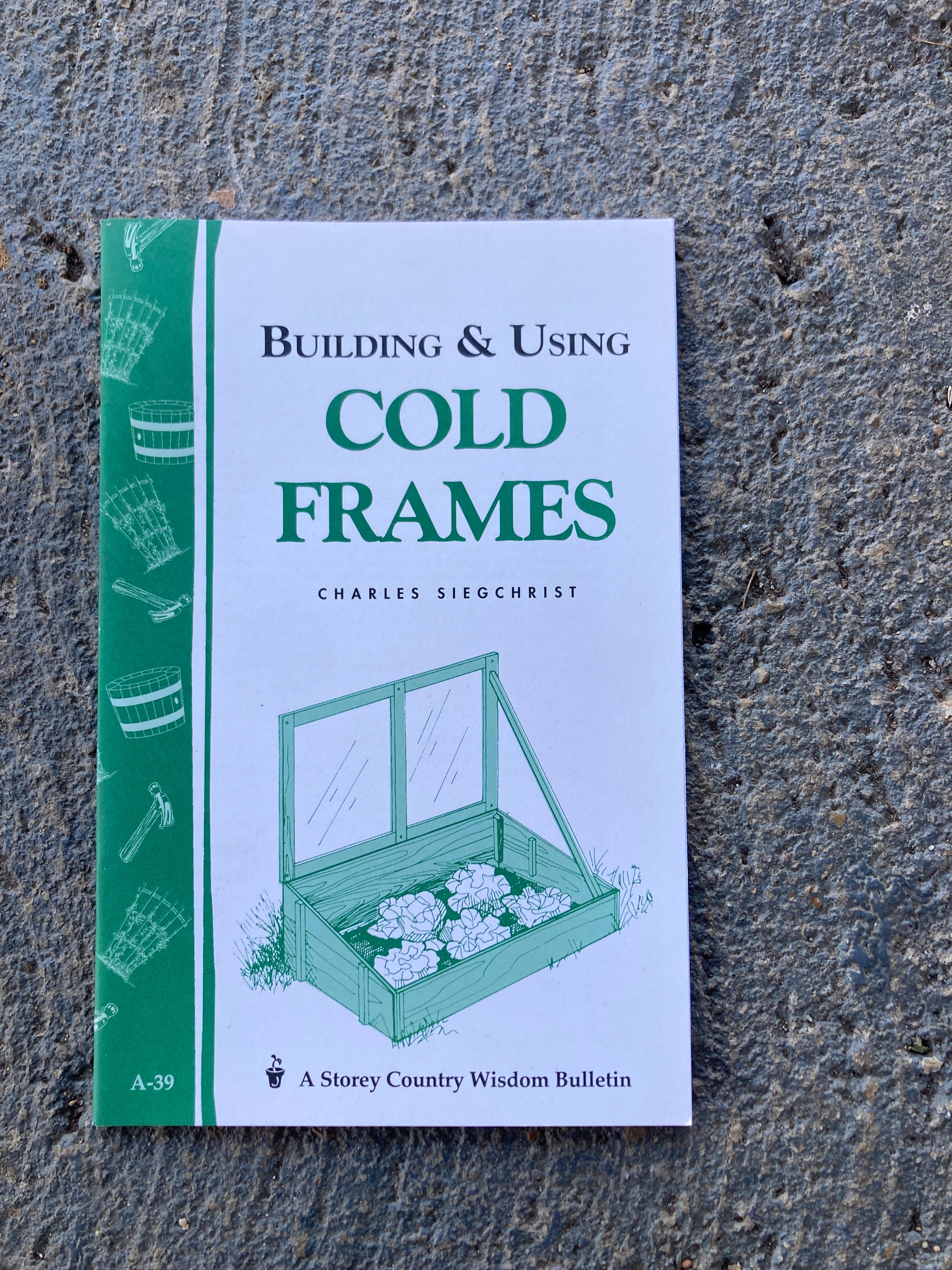
CWB Building and Using Cold Frames
CWB Building and Using Cold Frames (Charles Siegchrist)
CWB Building and Using Cold Frames is a practical guide to extending the growing season using simple, passive solar structures. Charles Siegchrist walks through how to build and manage cold frames that protect crops from cold weather, allowing growers to start earlier in spring, harvest later into winter, and maintain production in cooler climates.
Key Characteristics
-
DIY Cold Frame Construction
Provides step-by-step instructions for building cold frames using accessible materials like wood, old windows, and recycled supplies. Designs are simple, adaptable, and suitable for a range of garden sizes. -
Season Extension for Year-Round Growing
Cold frames capture and retain heat, creating a protected microclimate for plants. This allows for earlier planting in spring, continued harvests into late fall and winter, and overwintering of hardy crops. -
Crop Selection and Management
Covers which crops perform best in cold frames—such as greens, root vegetables, and hardy herbs—and how to manage ventilation, watering, and temperature fluctuations. -
Low-Tech, Passive Solar Growing
No electricity or complex systems required—cold frames rely on sunlight and insulation. This makes them an efficient, low-cost tool for increasing food production. -
Integration into Garden Systems
Cold frames can be incorporated into raised beds, market gardens, or backyard plots. They work well alongside other season-extension methods like hoop houses and row covers.
Product Details
- Format: Paperback
- Subject: Season extension, cold frames, garden structures
- Recommended Use: Extending harvests, protecting crops, early planting
- Skill Level: Beginner to intermediate
- Language: English
- Illustrations: Diagrams and construction guides
Growing & Use Notes
Position cold frames in a south-facing location with good sun exposure for best results. Start with cool-season crops like spinach, kale, and lettuce, and monitor ventilation closely on sunny days to prevent overheating. With consistent use, cold frames can significantly expand your growing window and overall yield.
Original: $3.95
-65%$3.95
$1.38Product Information
Product Information
Shipping & Returns
Shipping & Returns
Description
CWB Building and Using Cold Frames (Charles Siegchrist)
CWB Building and Using Cold Frames is a practical guide to extending the growing season using simple, passive solar structures. Charles Siegchrist walks through how to build and manage cold frames that protect crops from cold weather, allowing growers to start earlier in spring, harvest later into winter, and maintain production in cooler climates.
Key Characteristics
-
DIY Cold Frame Construction
Provides step-by-step instructions for building cold frames using accessible materials like wood, old windows, and recycled supplies. Designs are simple, adaptable, and suitable for a range of garden sizes. -
Season Extension for Year-Round Growing
Cold frames capture and retain heat, creating a protected microclimate for plants. This allows for earlier planting in spring, continued harvests into late fall and winter, and overwintering of hardy crops. -
Crop Selection and Management
Covers which crops perform best in cold frames—such as greens, root vegetables, and hardy herbs—and how to manage ventilation, watering, and temperature fluctuations. -
Low-Tech, Passive Solar Growing
No electricity or complex systems required—cold frames rely on sunlight and insulation. This makes them an efficient, low-cost tool for increasing food production. -
Integration into Garden Systems
Cold frames can be incorporated into raised beds, market gardens, or backyard plots. They work well alongside other season-extension methods like hoop houses and row covers.
Product Details
- Format: Paperback
- Subject: Season extension, cold frames, garden structures
- Recommended Use: Extending harvests, protecting crops, early planting
- Skill Level: Beginner to intermediate
- Language: English
- Illustrations: Diagrams and construction guides
Growing & Use Notes
Position cold frames in a south-facing location with good sun exposure for best results. Start with cool-season crops like spinach, kale, and lettuce, and monitor ventilation closely on sunny days to prevent overheating. With consistent use, cold frames can significantly expand your growing window and overall yield.