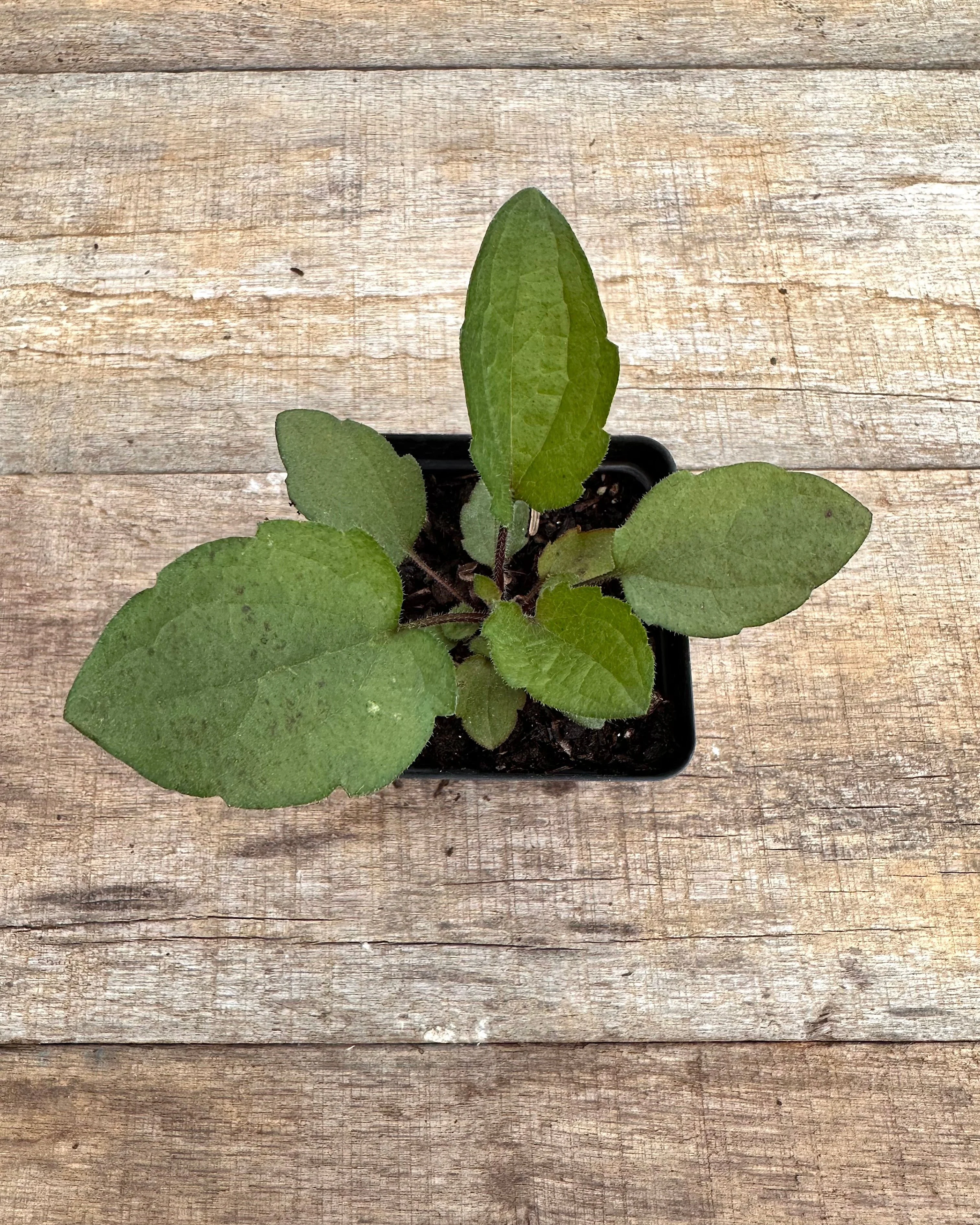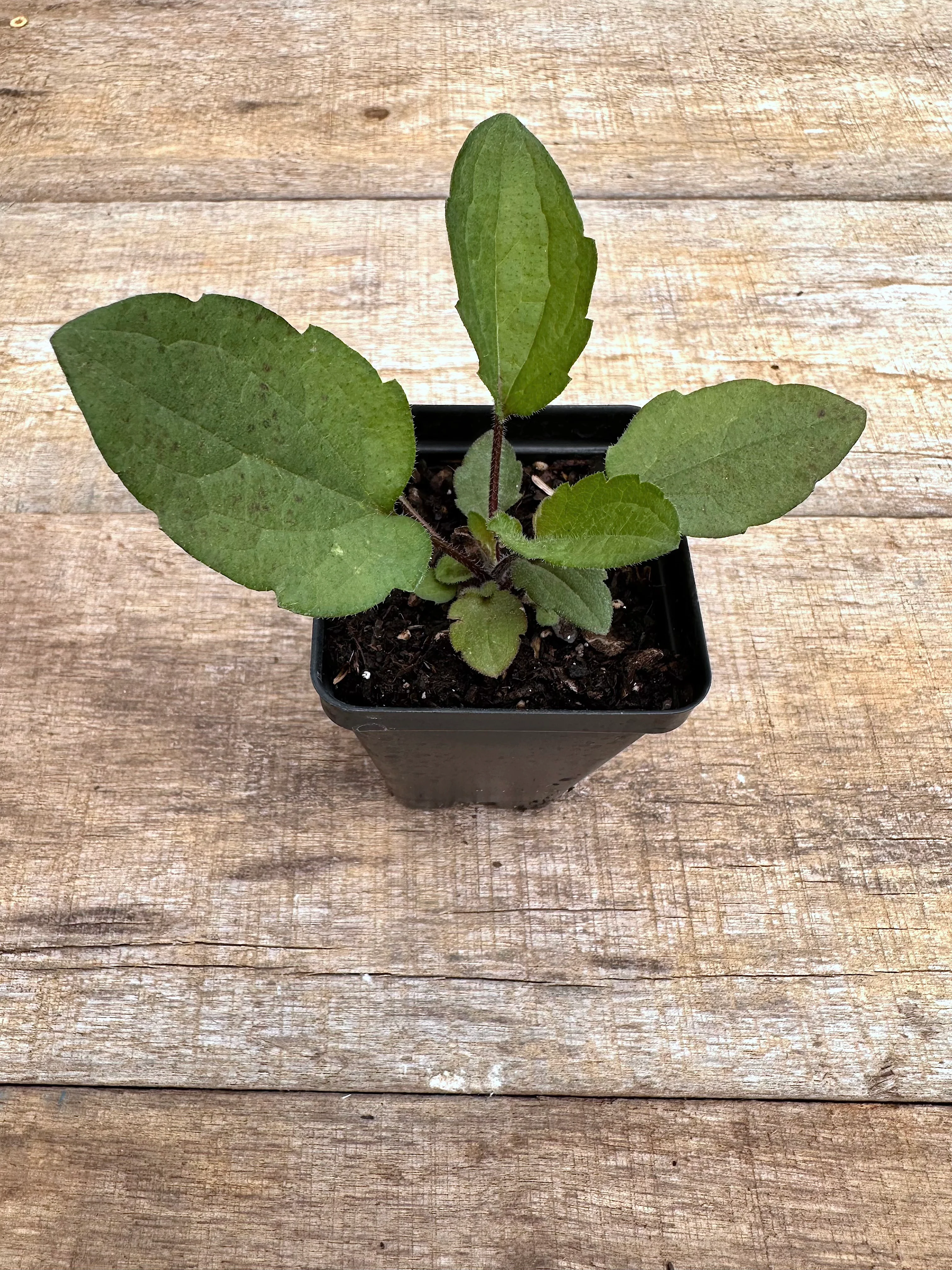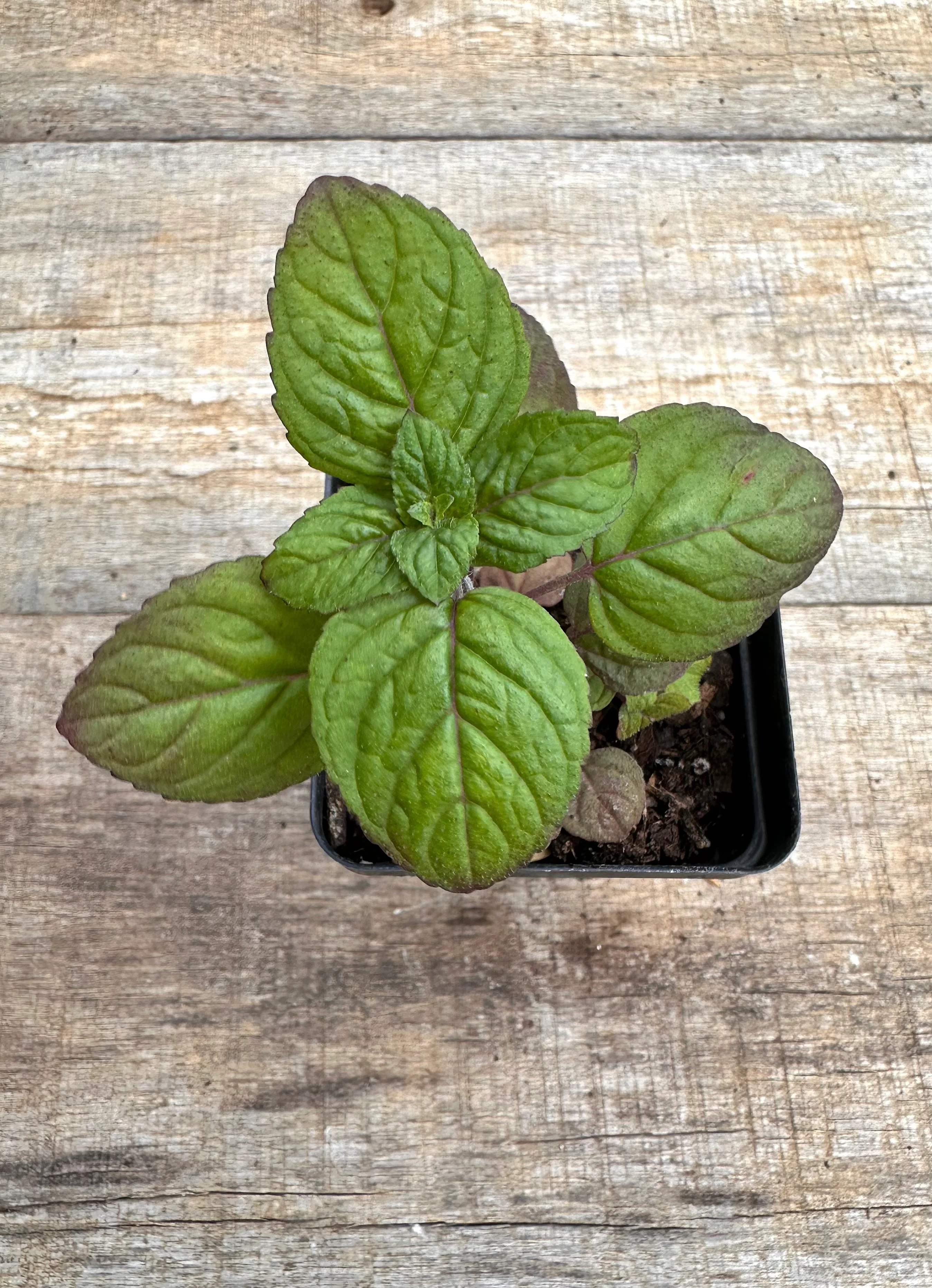
Downy Wood Mint
Downy Wood Mint (Blephilia ciliata)
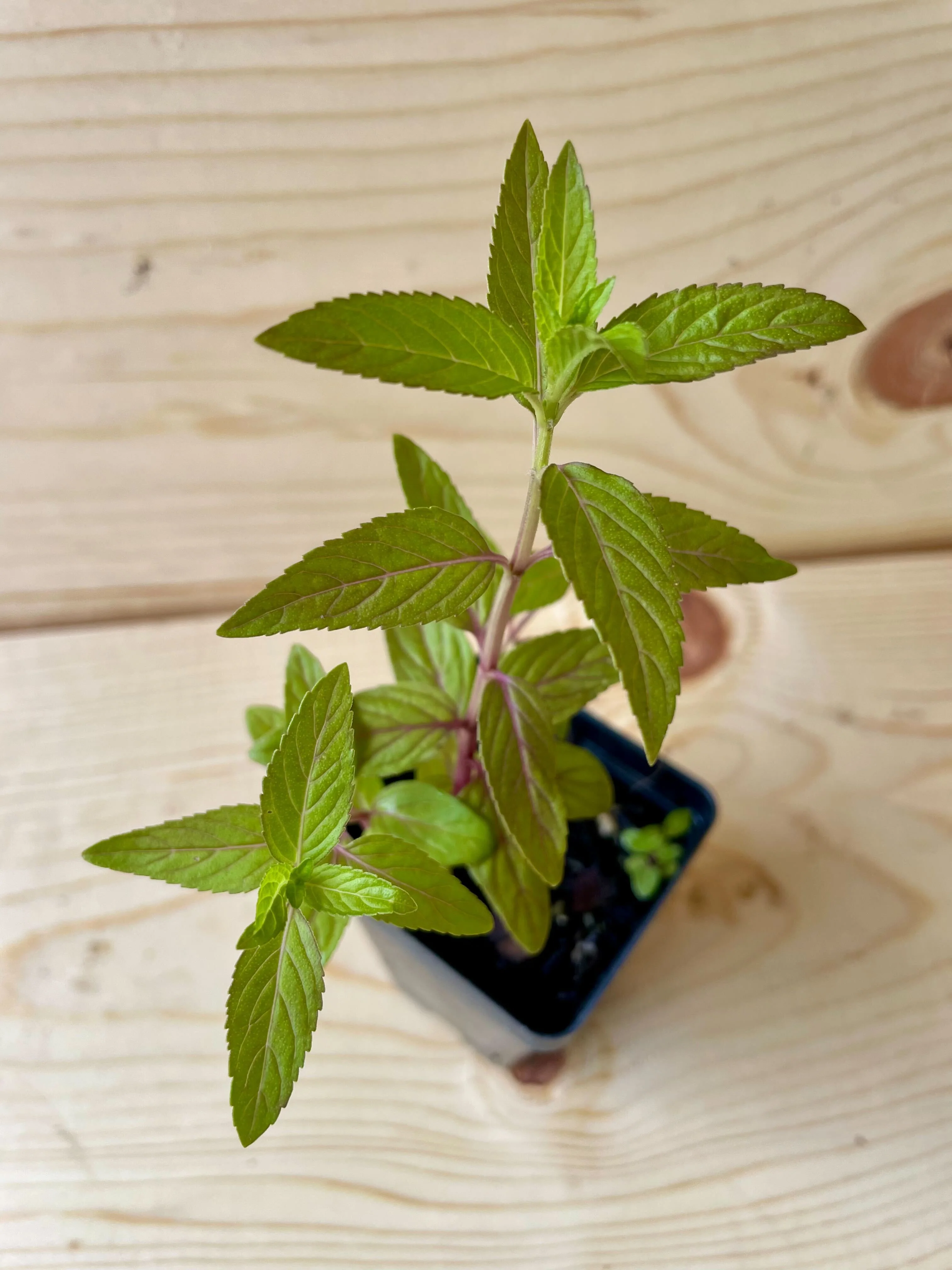
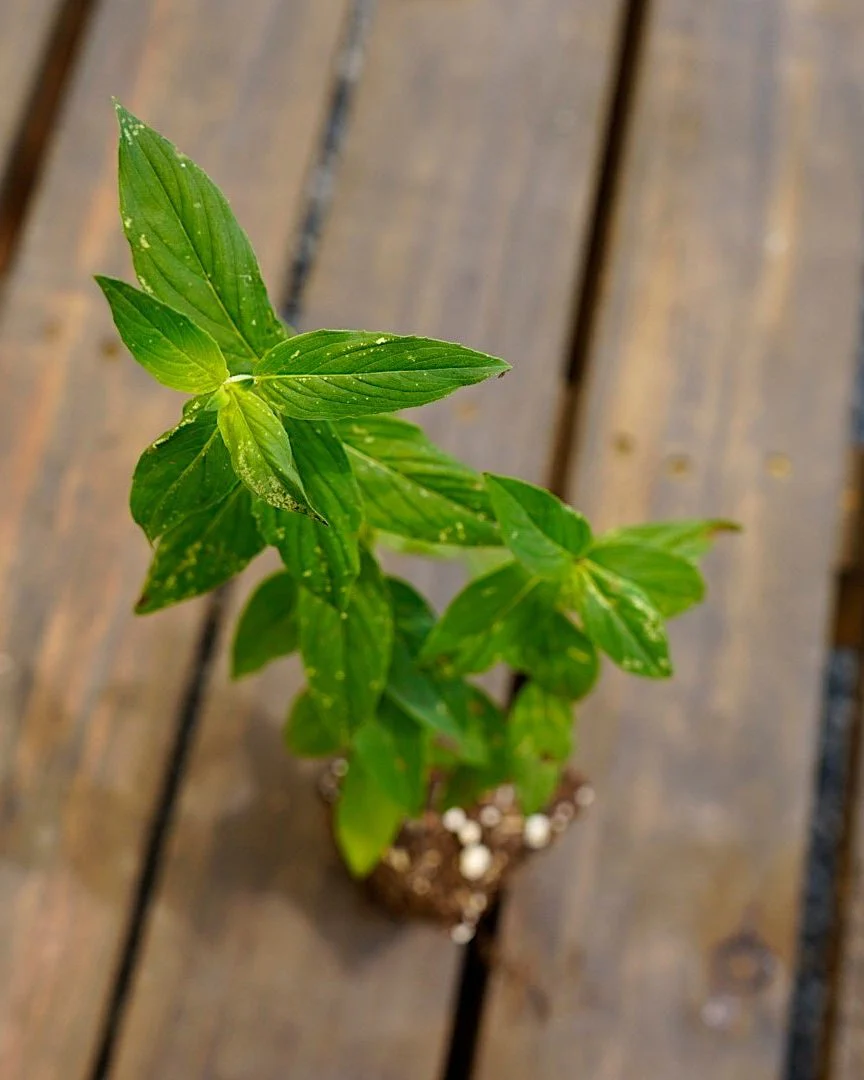
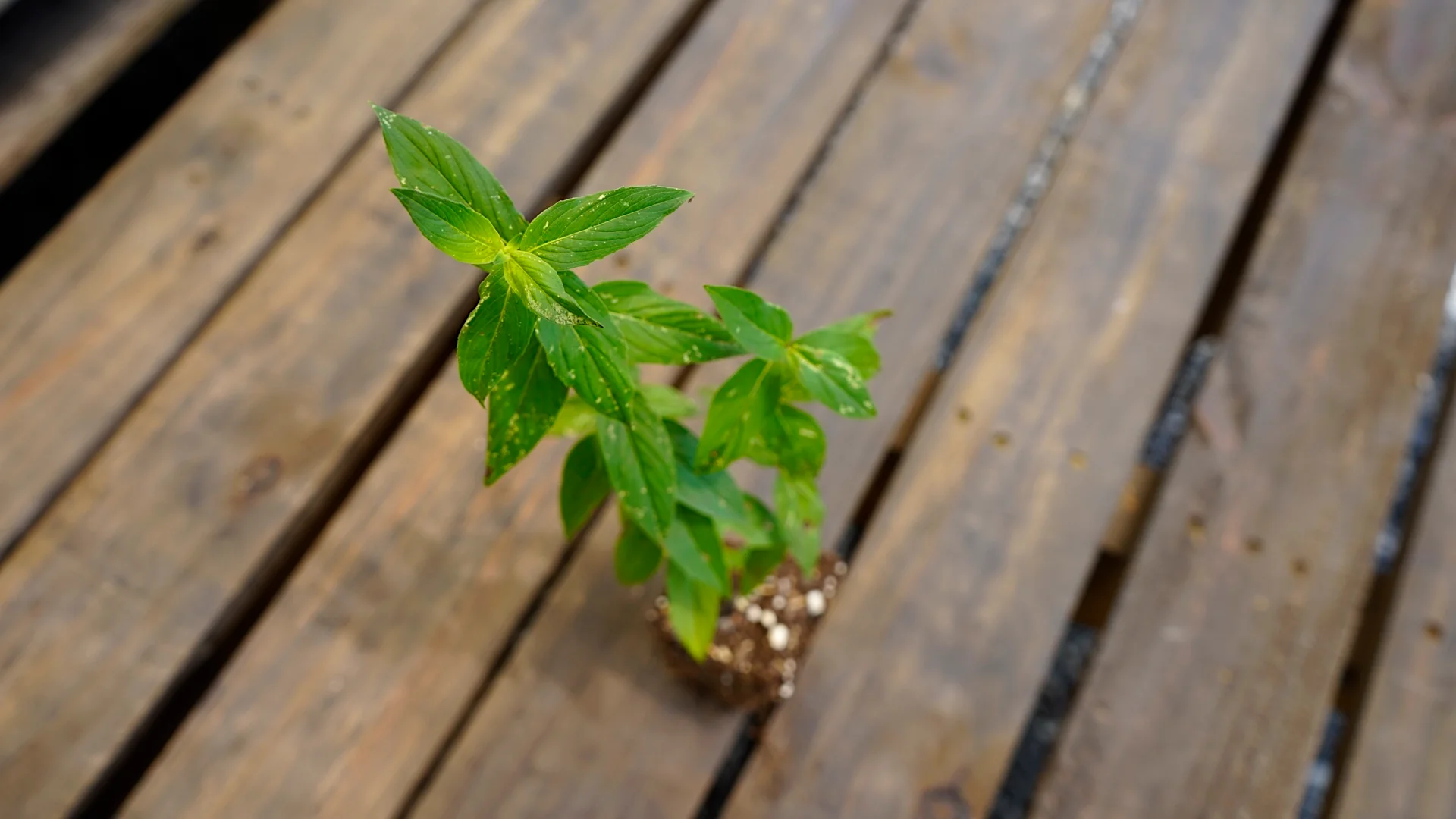
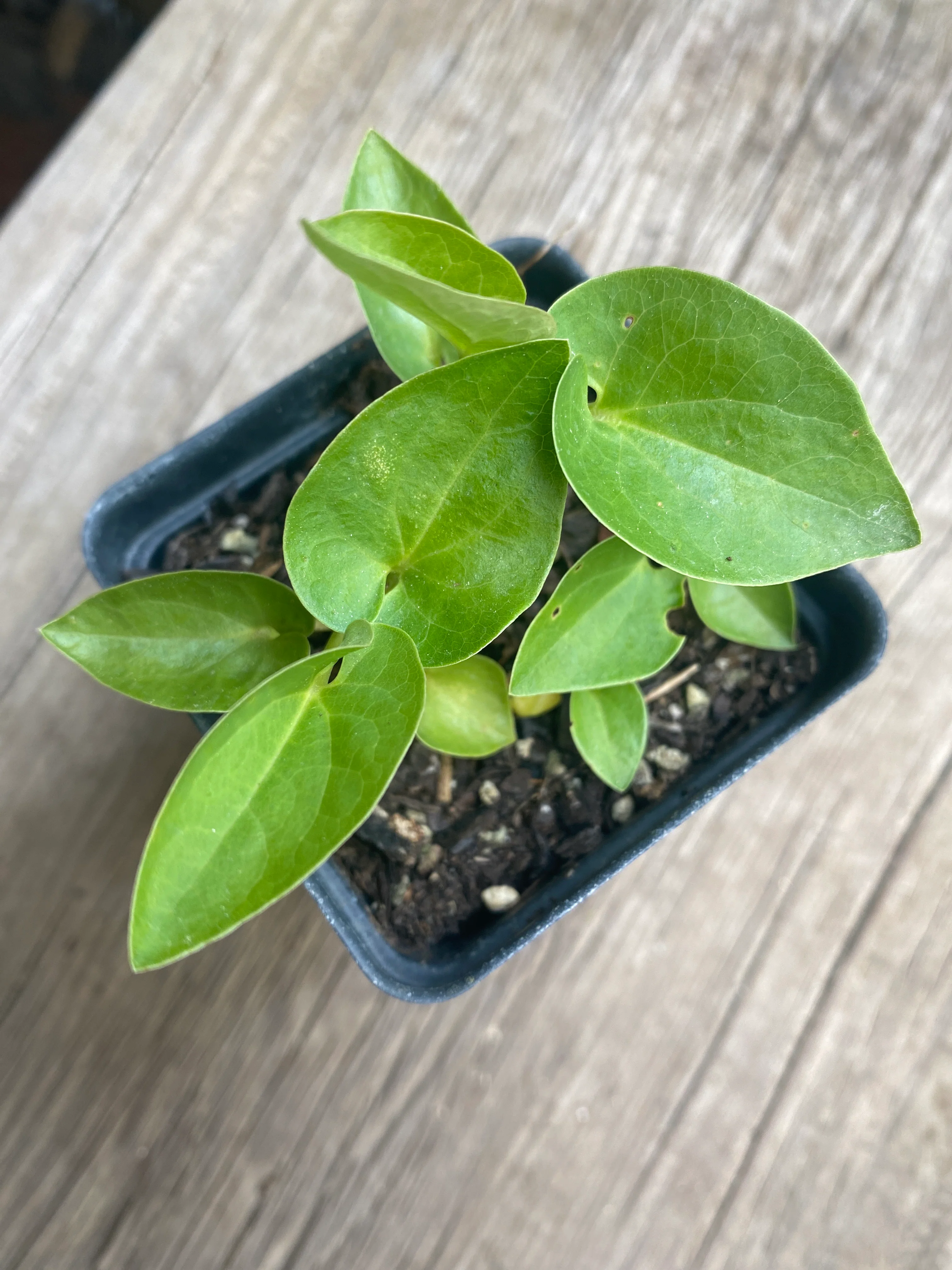
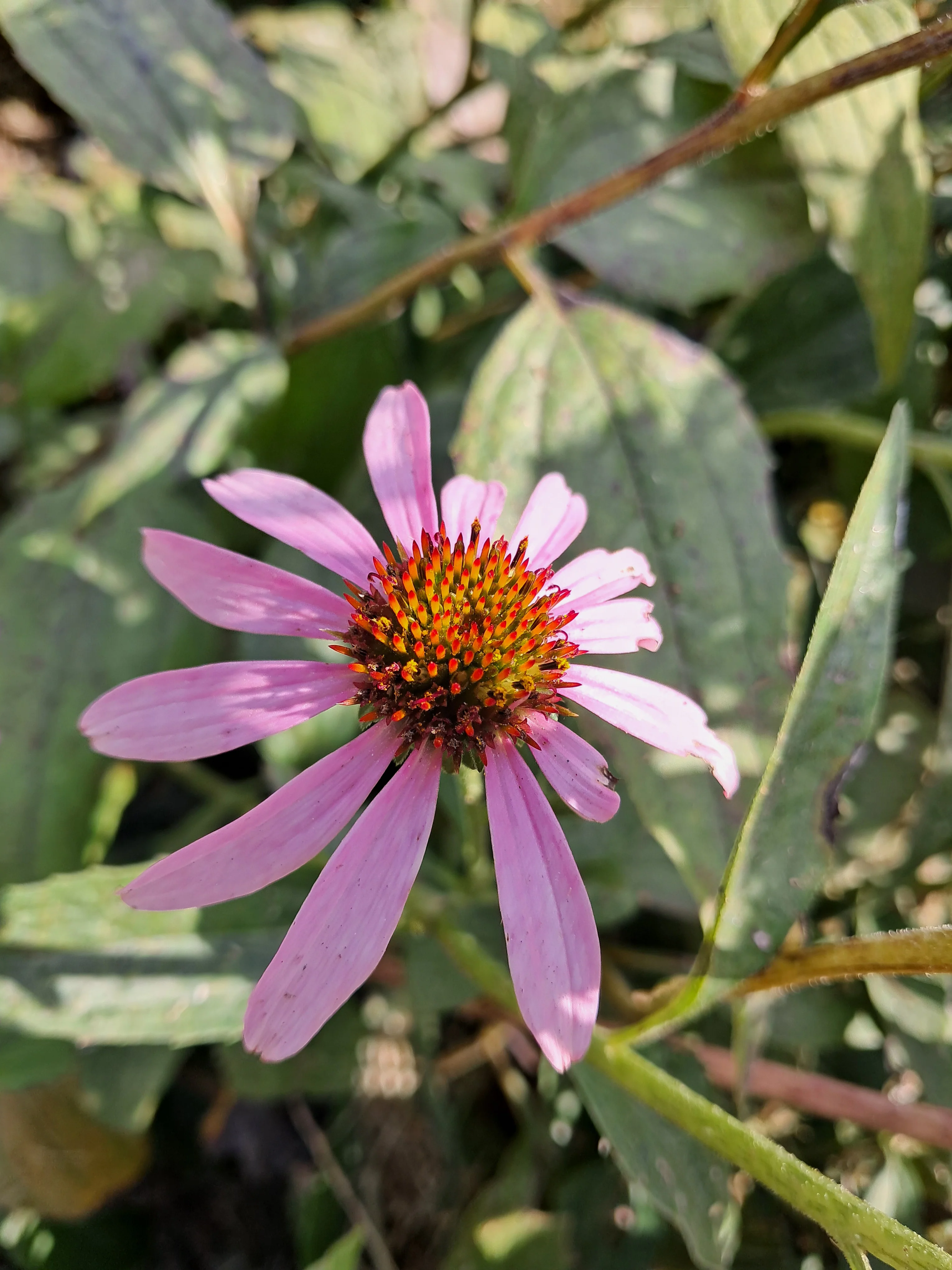
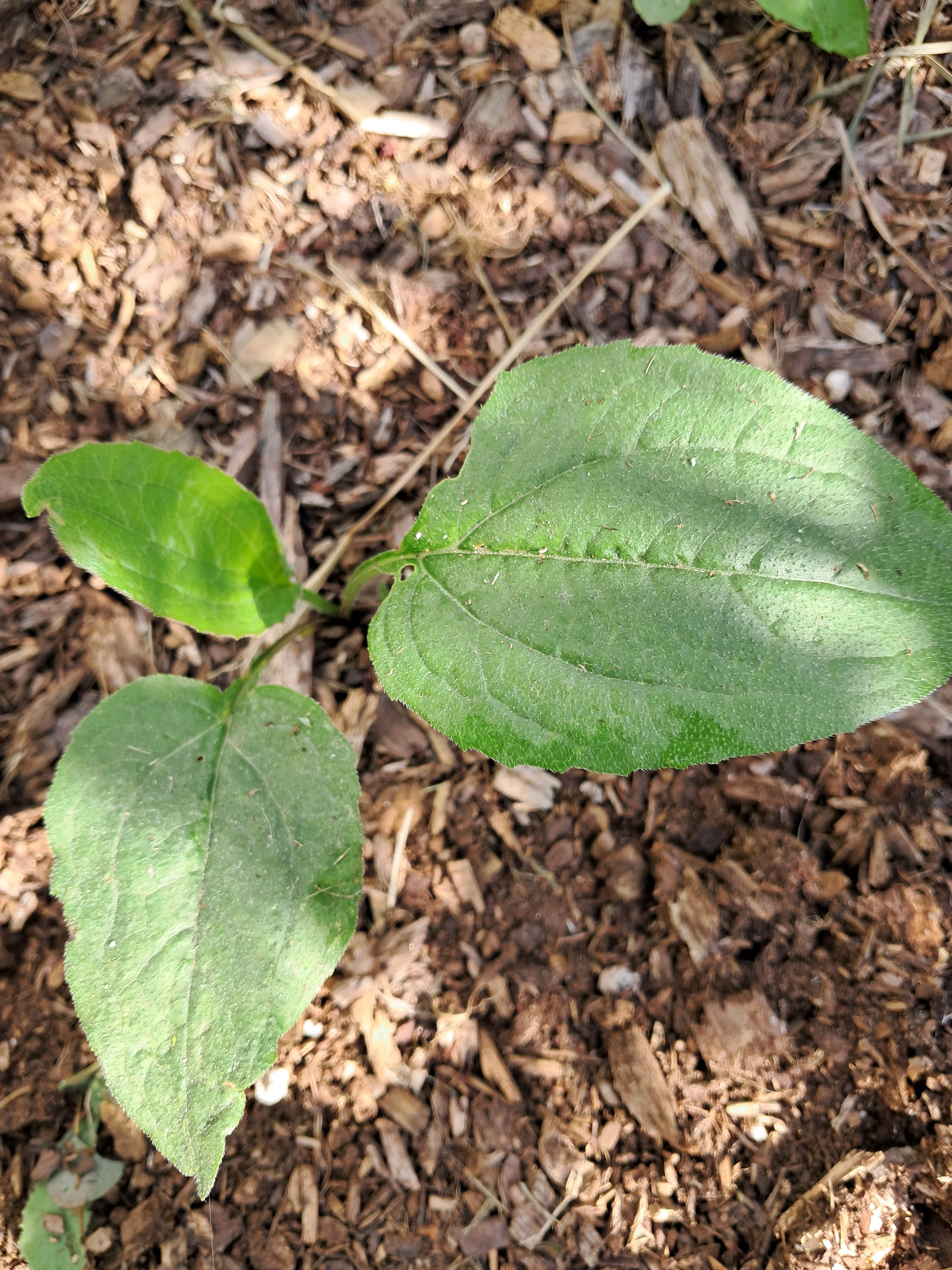
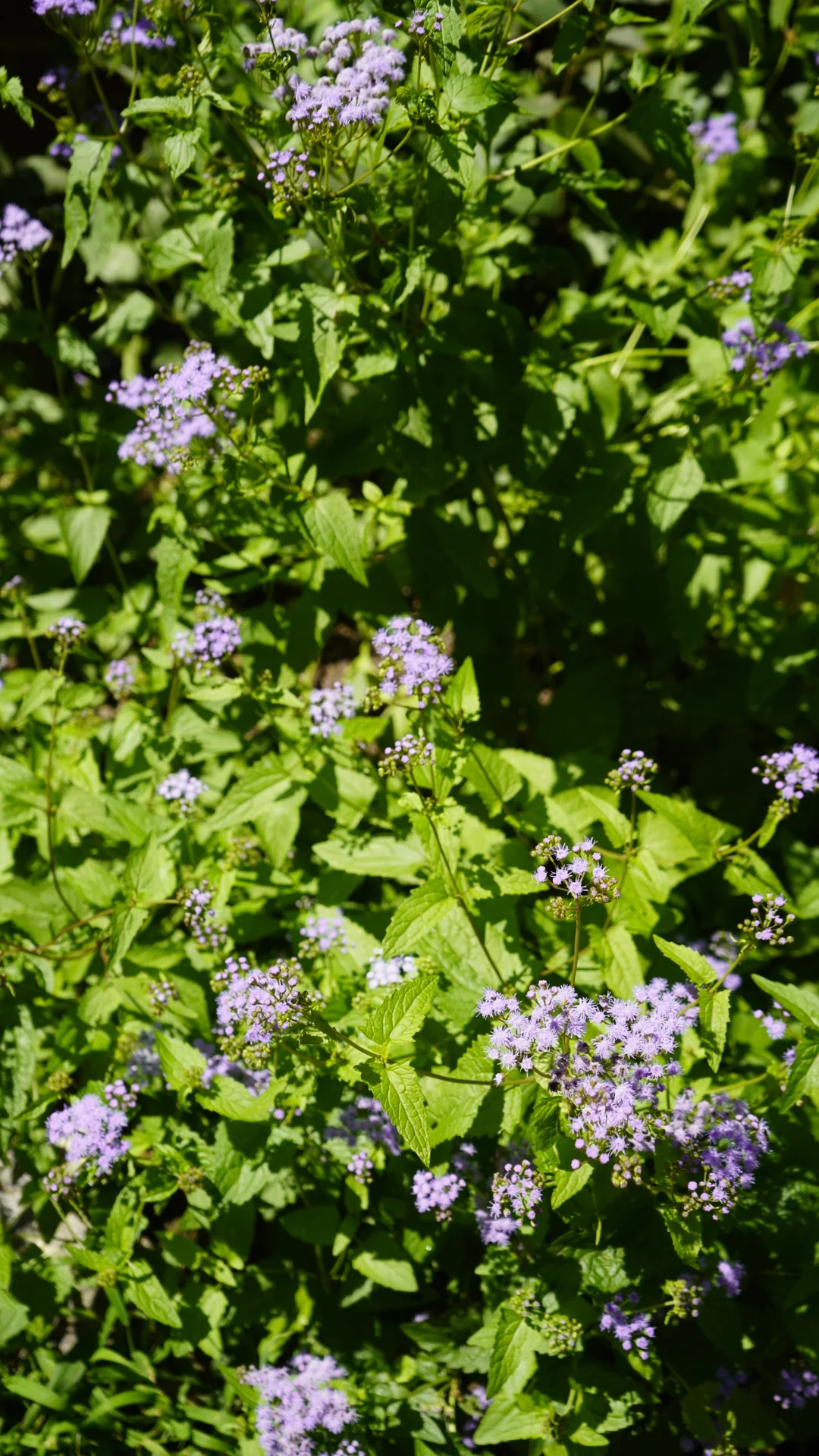
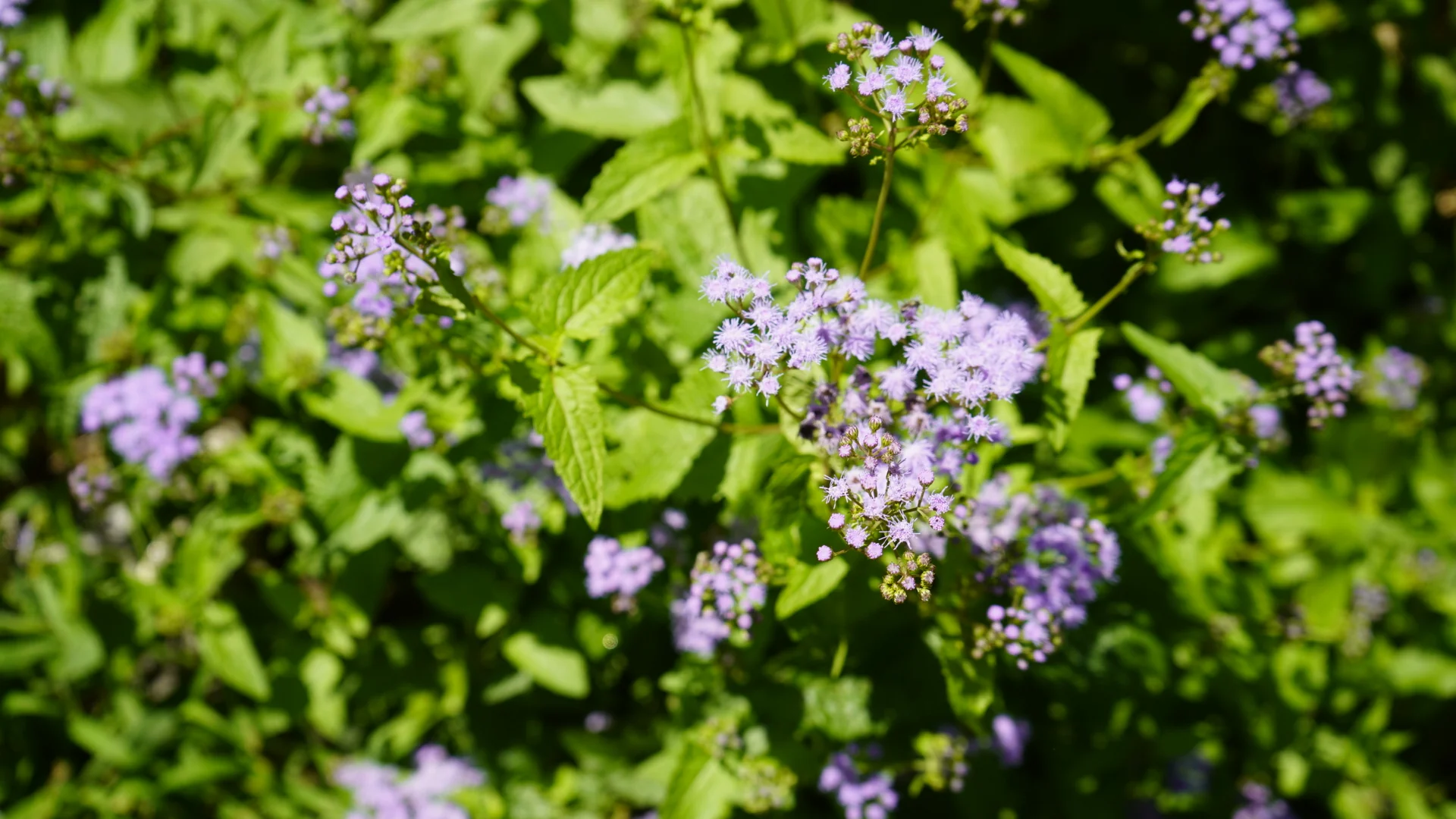
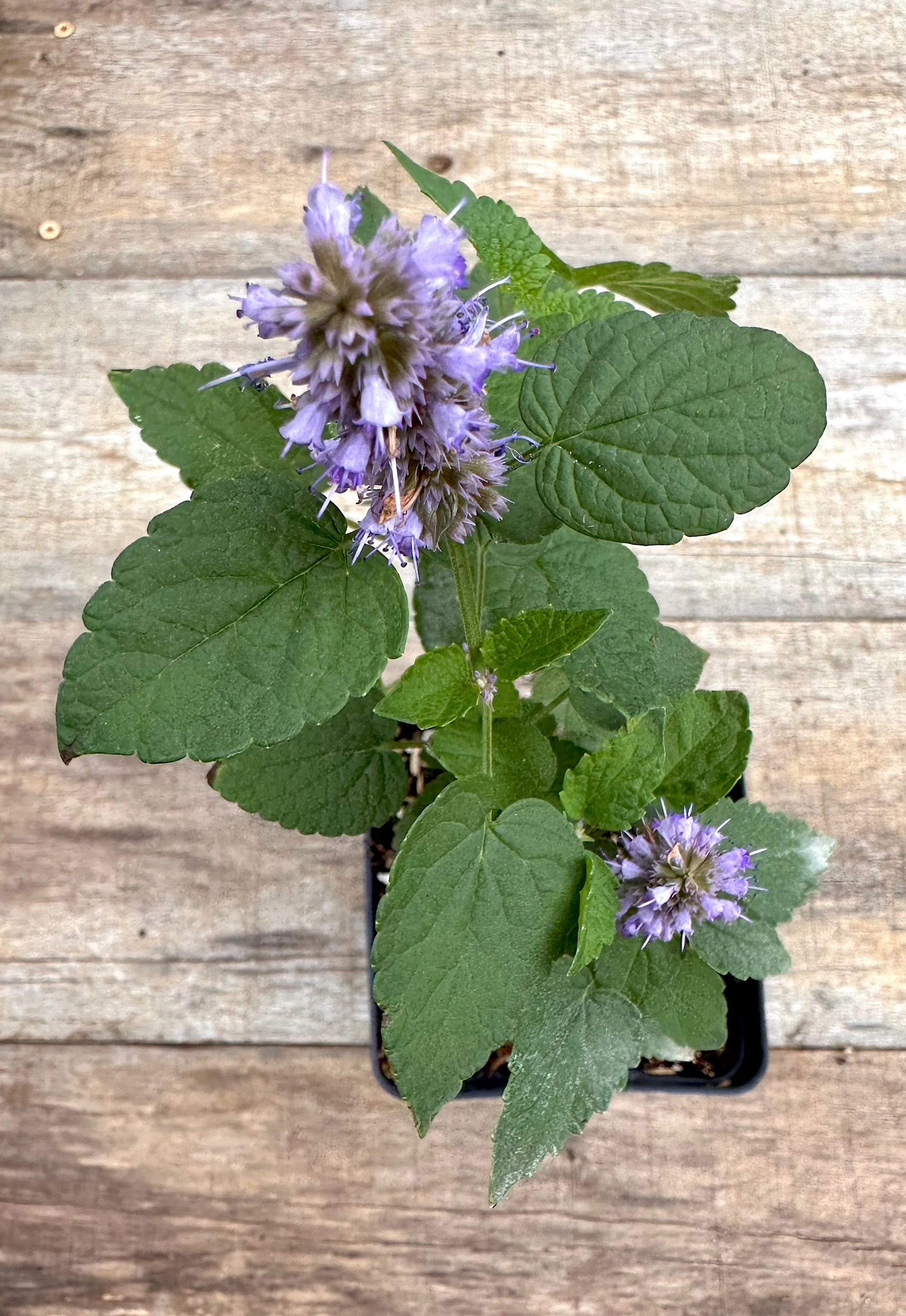
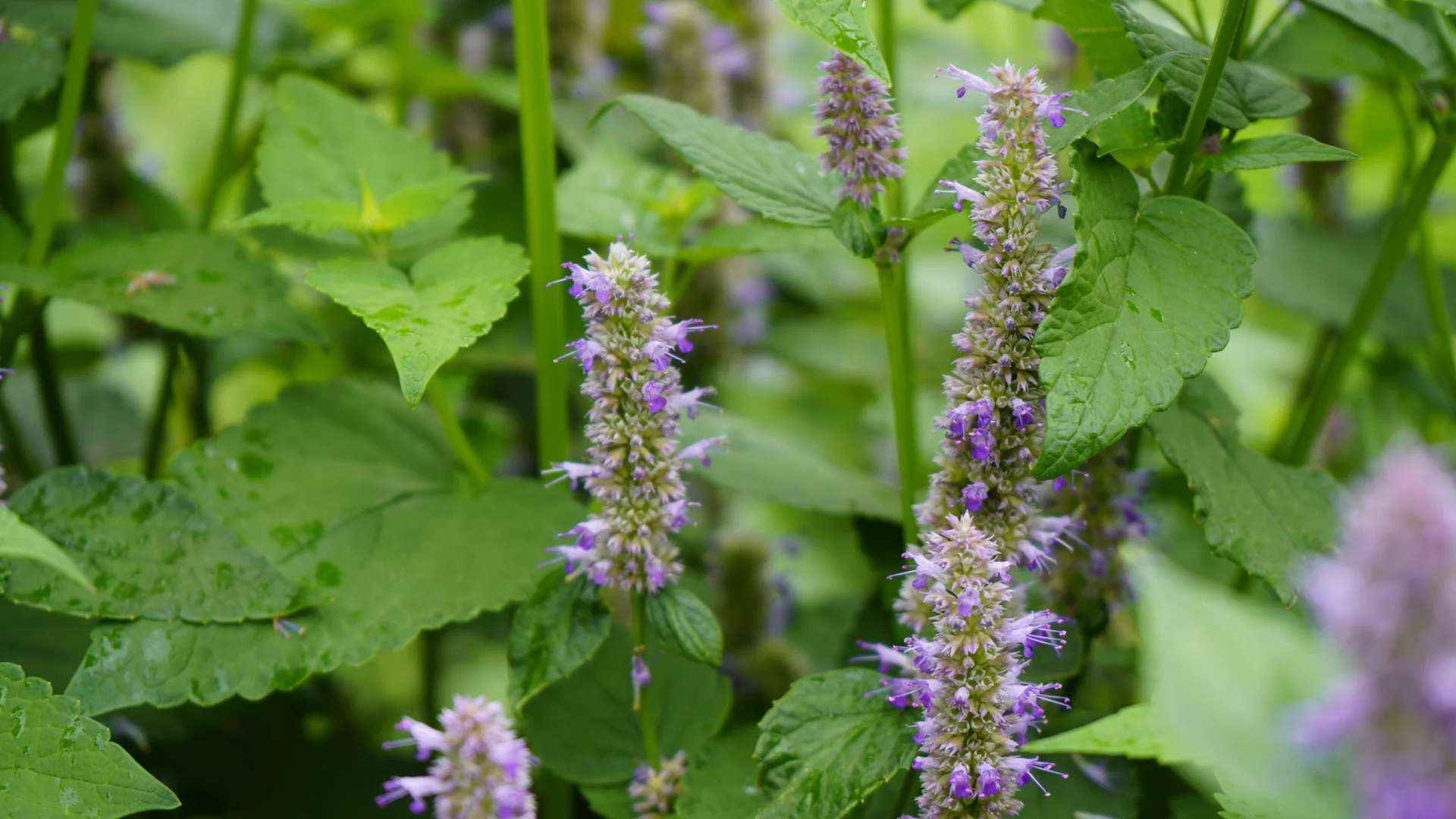
Downy Wood Mint is a hardy, easy-to-grow perennial that adds a charming, wildflower look to any garden or meadow. Its soft, fuzzy leaves and whorled clusters of light purple flowers are not only visually striking but also serve as an excellent nectar source for native pollinators. This mint family member is a low-maintenance, drought-tolerant plant perfect for natural landscapes.
Key Characteristics:
- Ecological Benefits: Downy Wood Mint attracts a wide variety of pollinators, including native bees, butterflies, and moths. Its nectar-rich flowers are particularly popular with bumblebees and skippers, providing crucial support for these species.
- Wildlife Habitat: This plant's dense, leafy growth creates ground cover for insects and small animals, offering a protective environment. Birds like goldfinches and sparrows also visit its seed heads for food.
- Traditional Uses: Historically, some Native American tribes used the leaves of Downy Wood Mint for tea to treat respiratory ailments and digestive issues.
- Landscape Uses: This perennial thrives in native pollinator gardens, meadows, woodland edges, and permaculture designs. Its ability to attract pollinators makes it a valuable addition to permaculture systems, where it enhances biodiversity.
- Drought Tolerance: Downy Wood Mint is highly adaptable to dry, poor soils, making it perfect for xeriscaping and areas with low water availability.
Product Details:
- Native range: Central and Eastern North America
- Plant life cycle: Perennial
- Sun requirements: Full sun to partial shade
- Soil requirements: Well-drained, dry to medium moisture soils
- Mature height: 1 to 2 feet
- Bloom time: Early summer
- Bloom color: Light purple
- USDA Hardiness zones: 4-8
Downy Wood Mint is an excellent choice for anyone looking to add a durable, pollinator-friendly plant to their landscape. With its ability to attract beneficial species and its tolerance to tough conditions, it's perfect for enhancing biodiversity and creating a thriving, resilient garden.
Original: $4.25
-65%$4.25
$1.49Product Information
Product Information
Shipping & Returns
Shipping & Returns
Description
Downy Wood Mint (Blephilia ciliata)
Downy Wood Mint is a hardy, easy-to-grow perennial that adds a charming, wildflower look to any garden or meadow. Its soft, fuzzy leaves and whorled clusters of light purple flowers are not only visually striking but also serve as an excellent nectar source for native pollinators. This mint family member is a low-maintenance, drought-tolerant plant perfect for natural landscapes.
Key Characteristics:
- Ecological Benefits: Downy Wood Mint attracts a wide variety of pollinators, including native bees, butterflies, and moths. Its nectar-rich flowers are particularly popular with bumblebees and skippers, providing crucial support for these species.
- Wildlife Habitat: This plant's dense, leafy growth creates ground cover for insects and small animals, offering a protective environment. Birds like goldfinches and sparrows also visit its seed heads for food.
- Traditional Uses: Historically, some Native American tribes used the leaves of Downy Wood Mint for tea to treat respiratory ailments and digestive issues.
- Landscape Uses: This perennial thrives in native pollinator gardens, meadows, woodland edges, and permaculture designs. Its ability to attract pollinators makes it a valuable addition to permaculture systems, where it enhances biodiversity.
- Drought Tolerance: Downy Wood Mint is highly adaptable to dry, poor soils, making it perfect for xeriscaping and areas with low water availability.
Product Details:
- Native range: Central and Eastern North America
- Plant life cycle: Perennial
- Sun requirements: Full sun to partial shade
- Soil requirements: Well-drained, dry to medium moisture soils
- Mature height: 1 to 2 feet
- Bloom time: Early summer
- Bloom color: Light purple
- USDA Hardiness zones: 4-8
Downy Wood Mint is an excellent choice for anyone looking to add a durable, pollinator-friendly plant to their landscape. With its ability to attract beneficial species and its tolerance to tough conditions, it's perfect for enhancing biodiversity and creating a thriving, resilient garden.