Mistflower
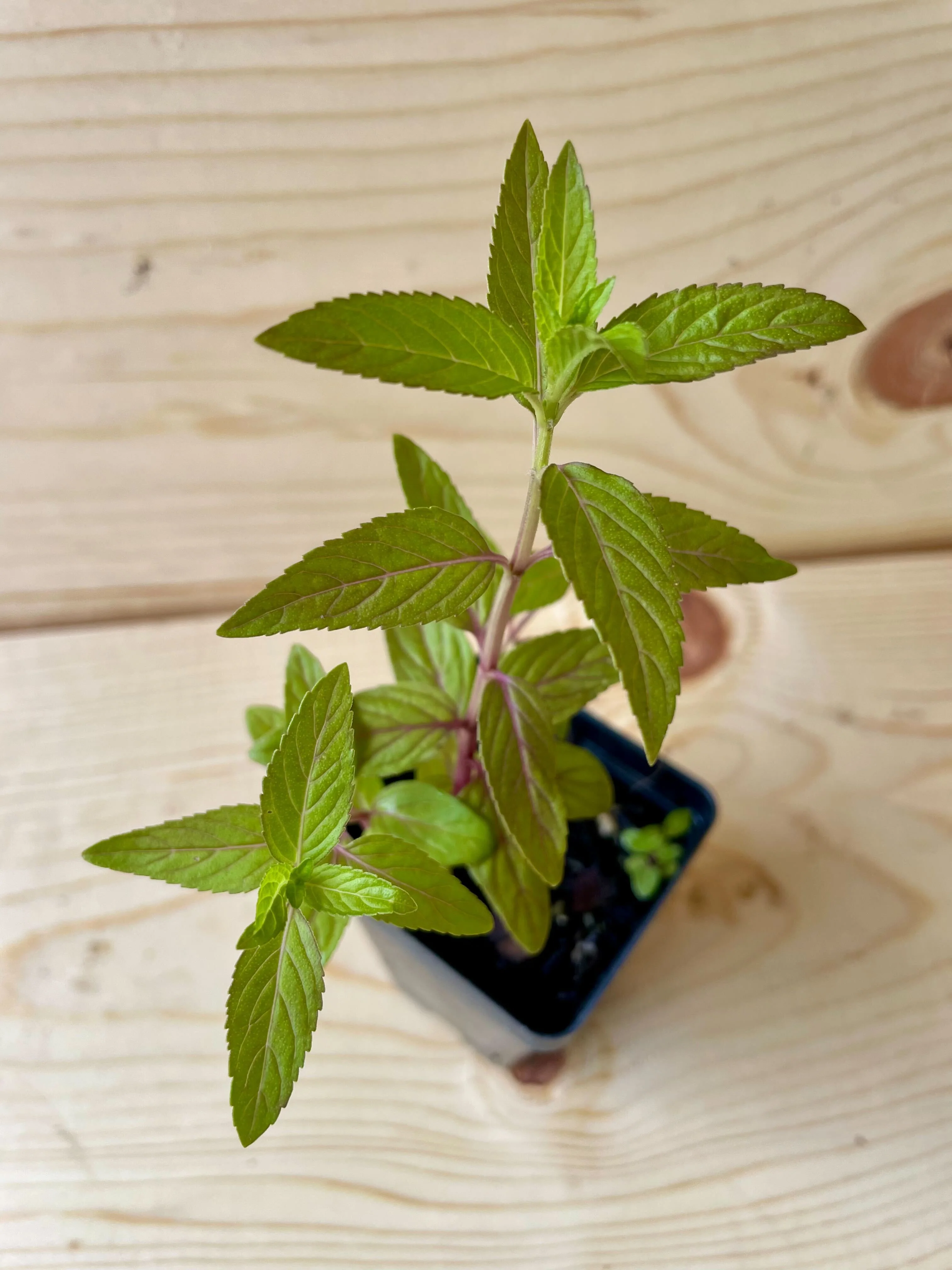
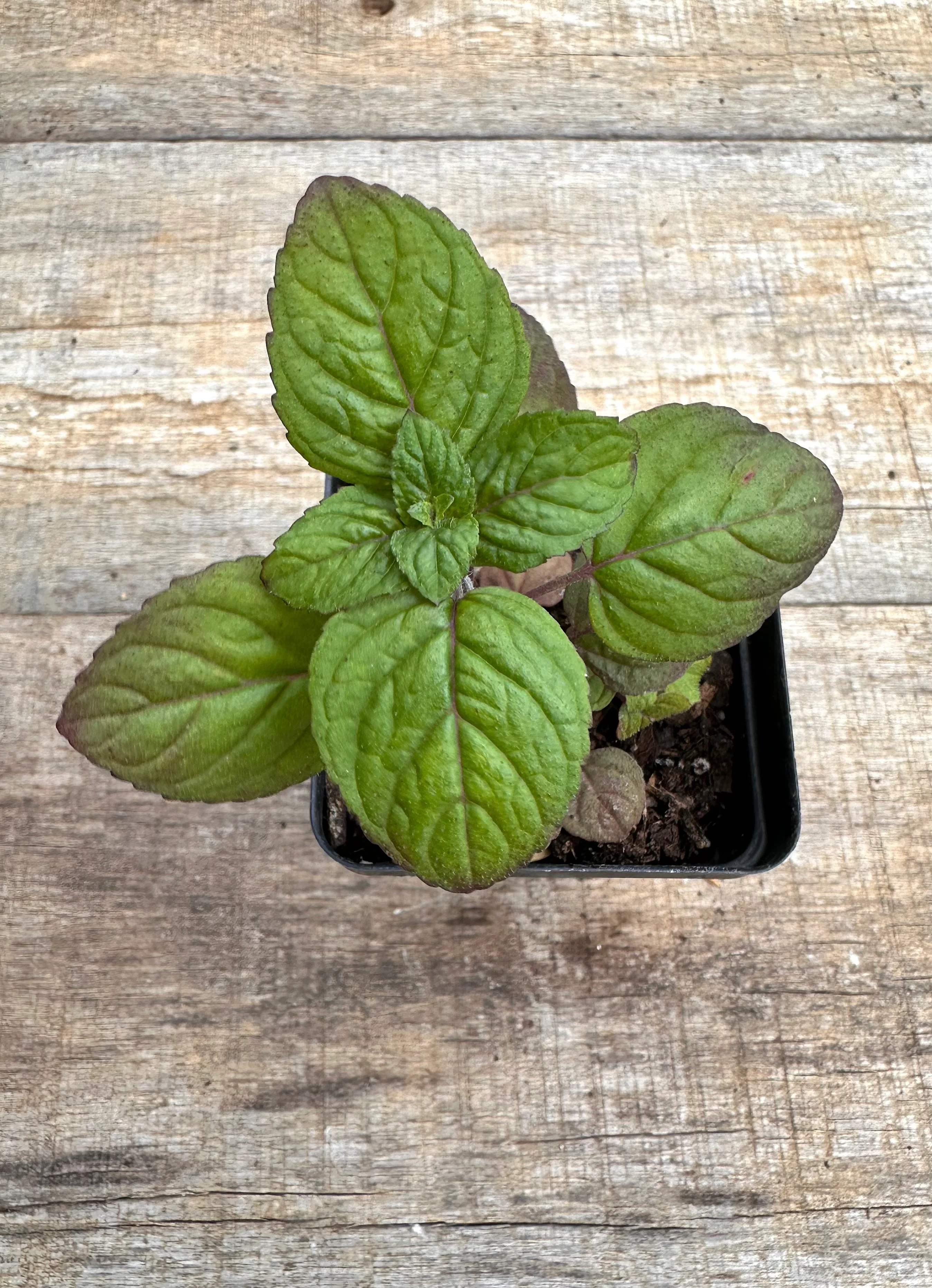
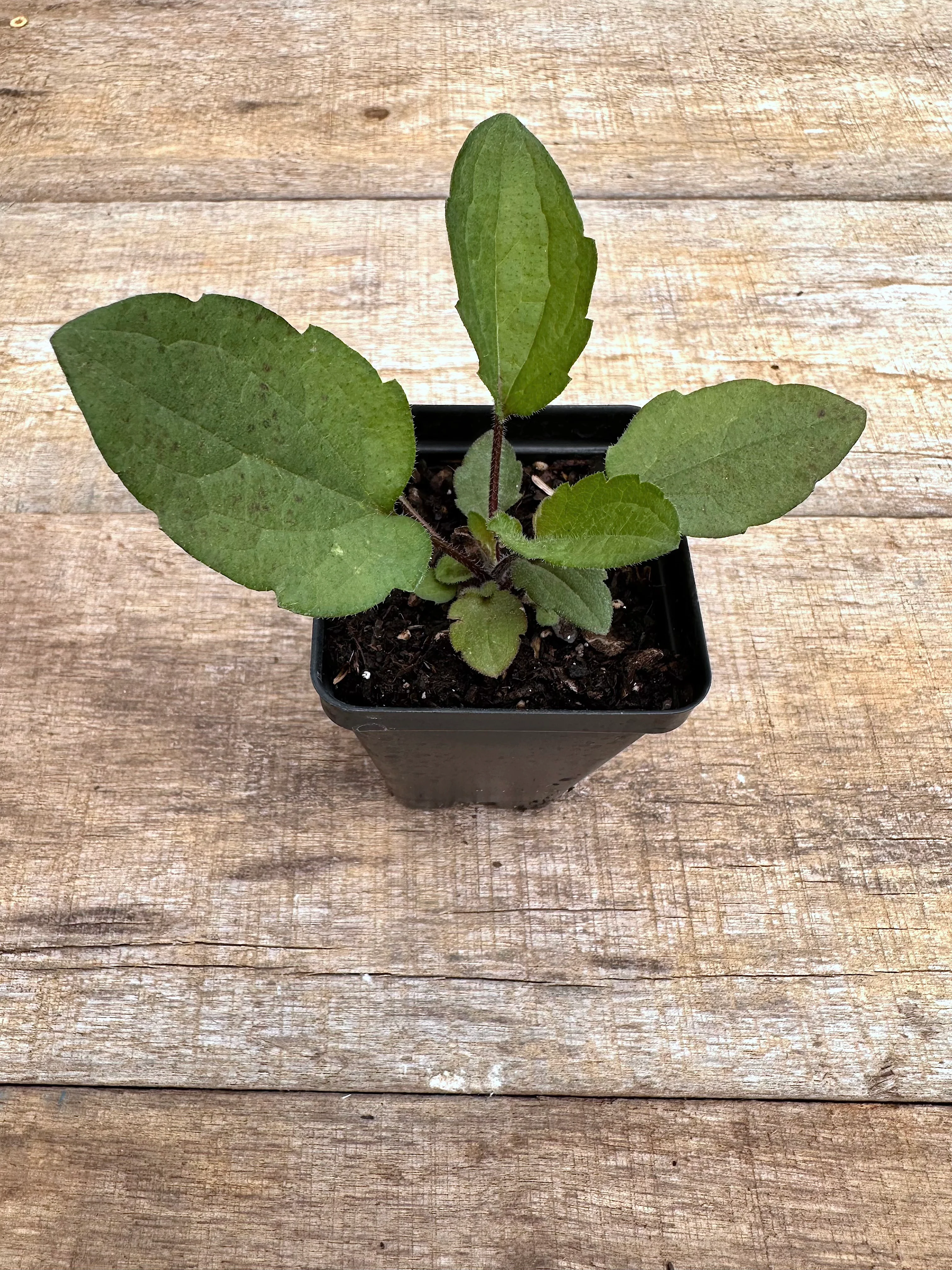
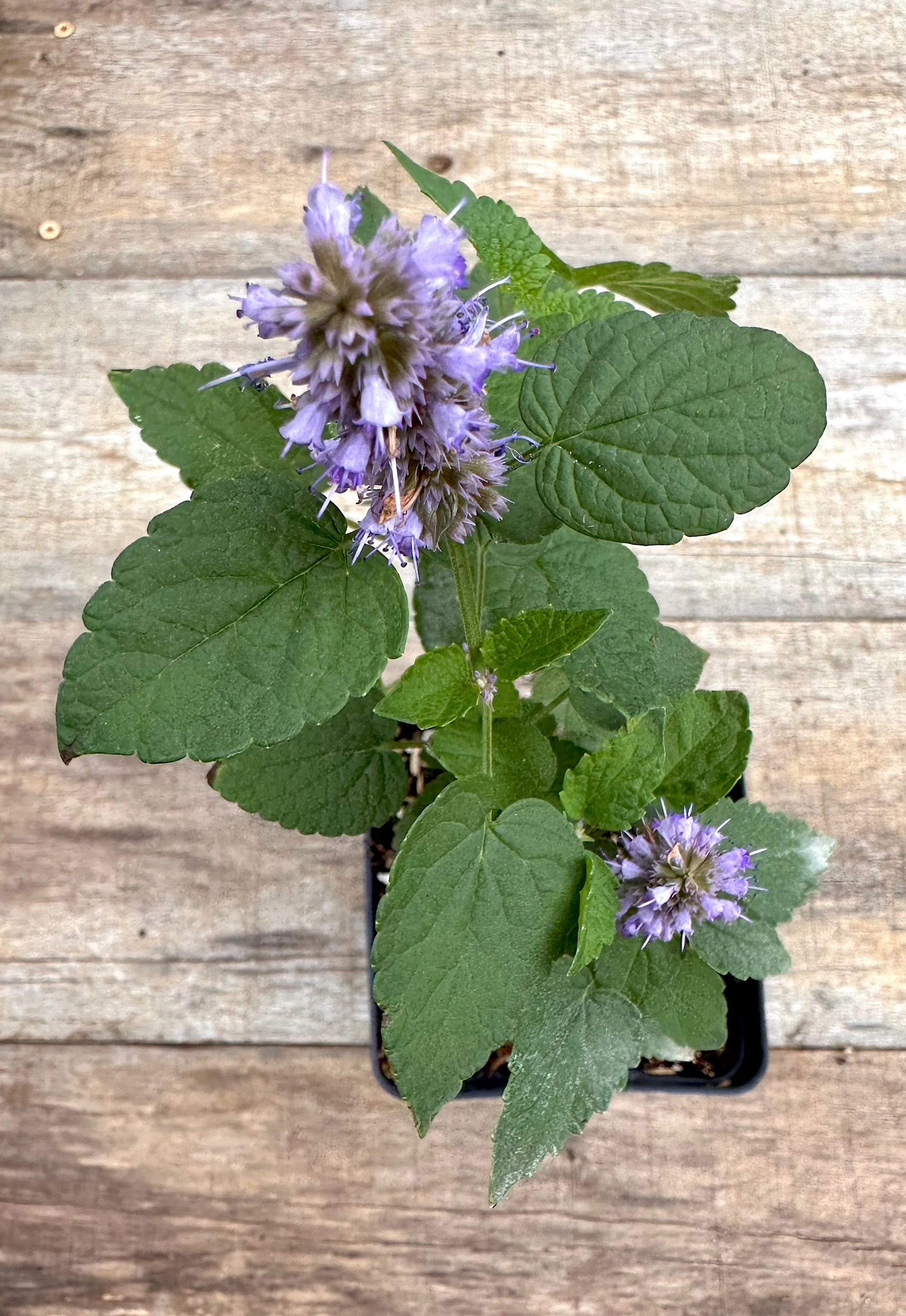
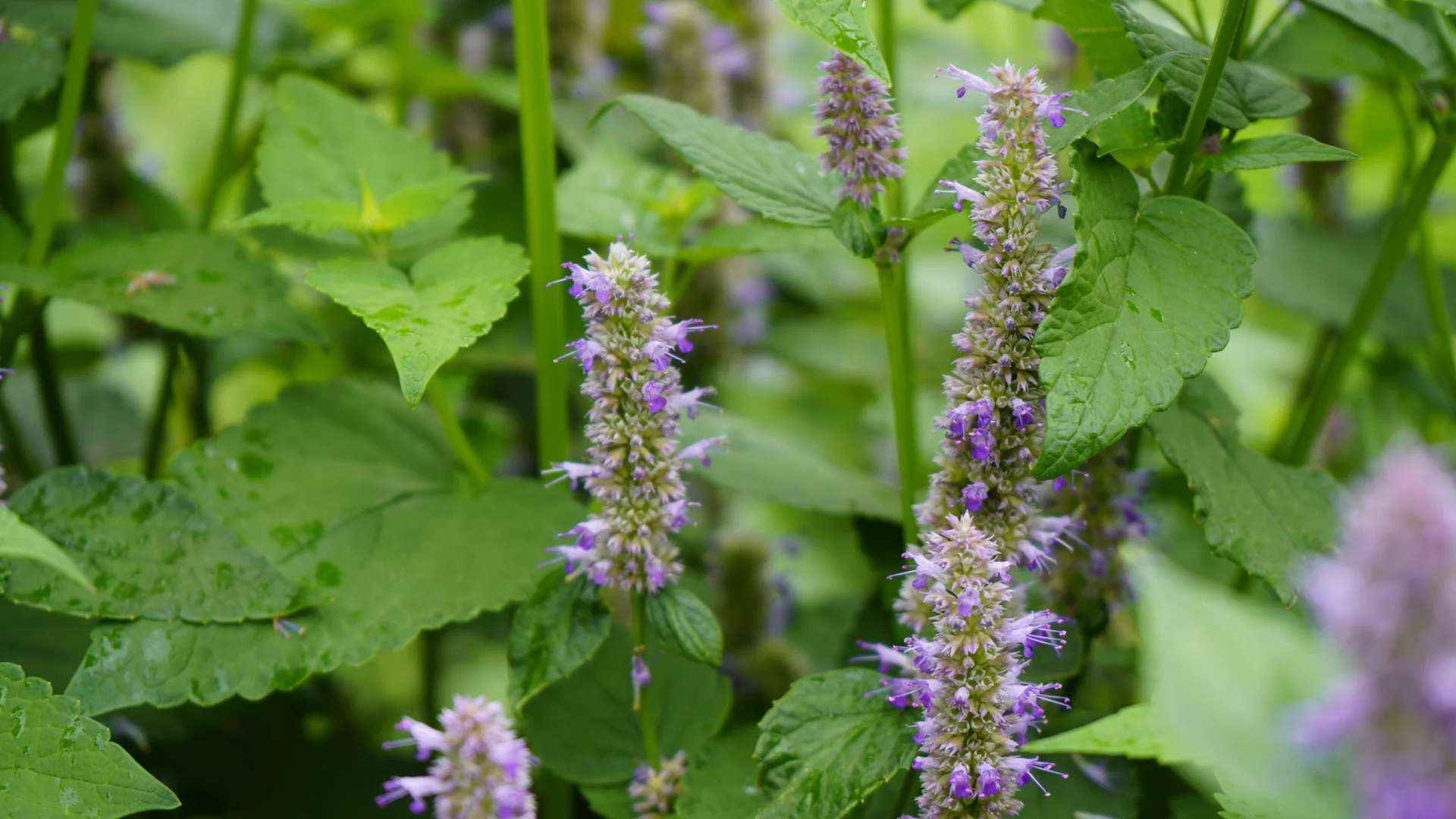
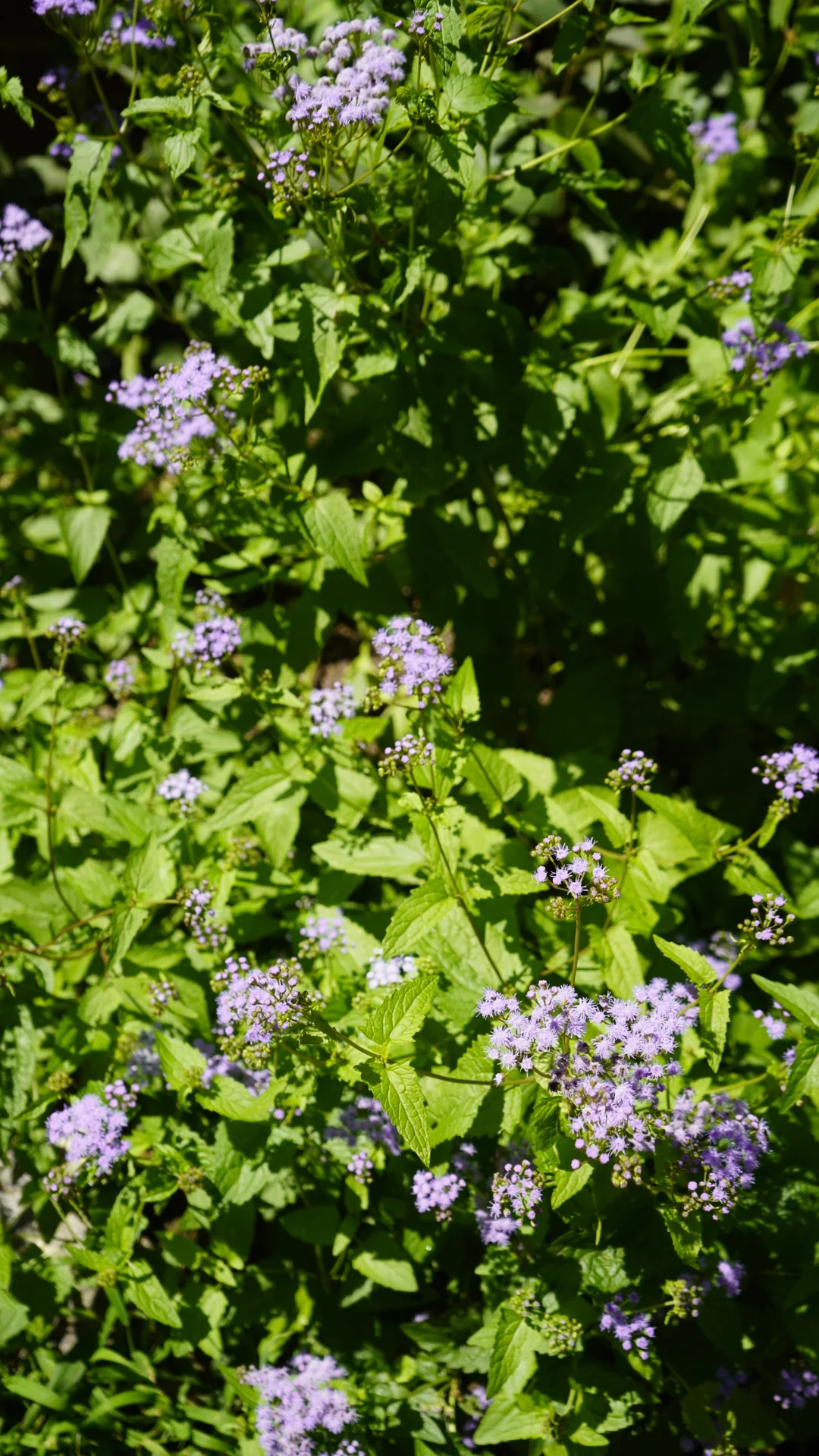
Mistflower (Conoclinium coelestinum)
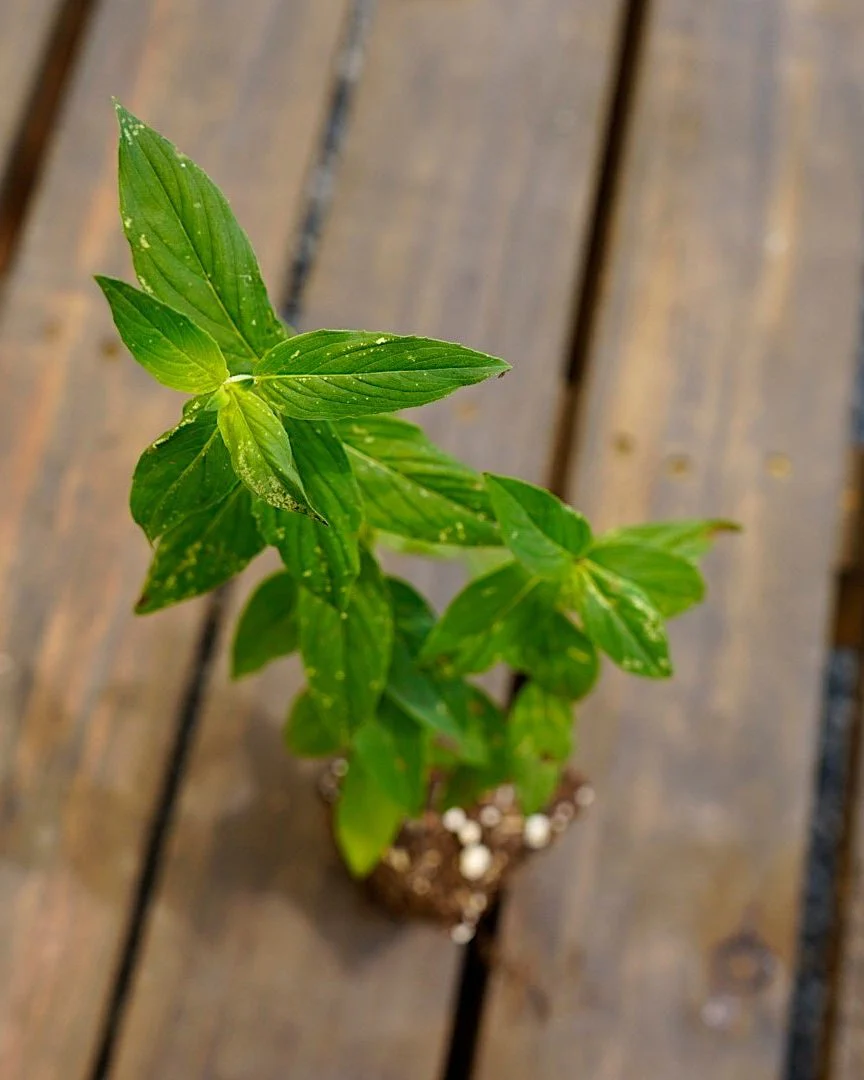
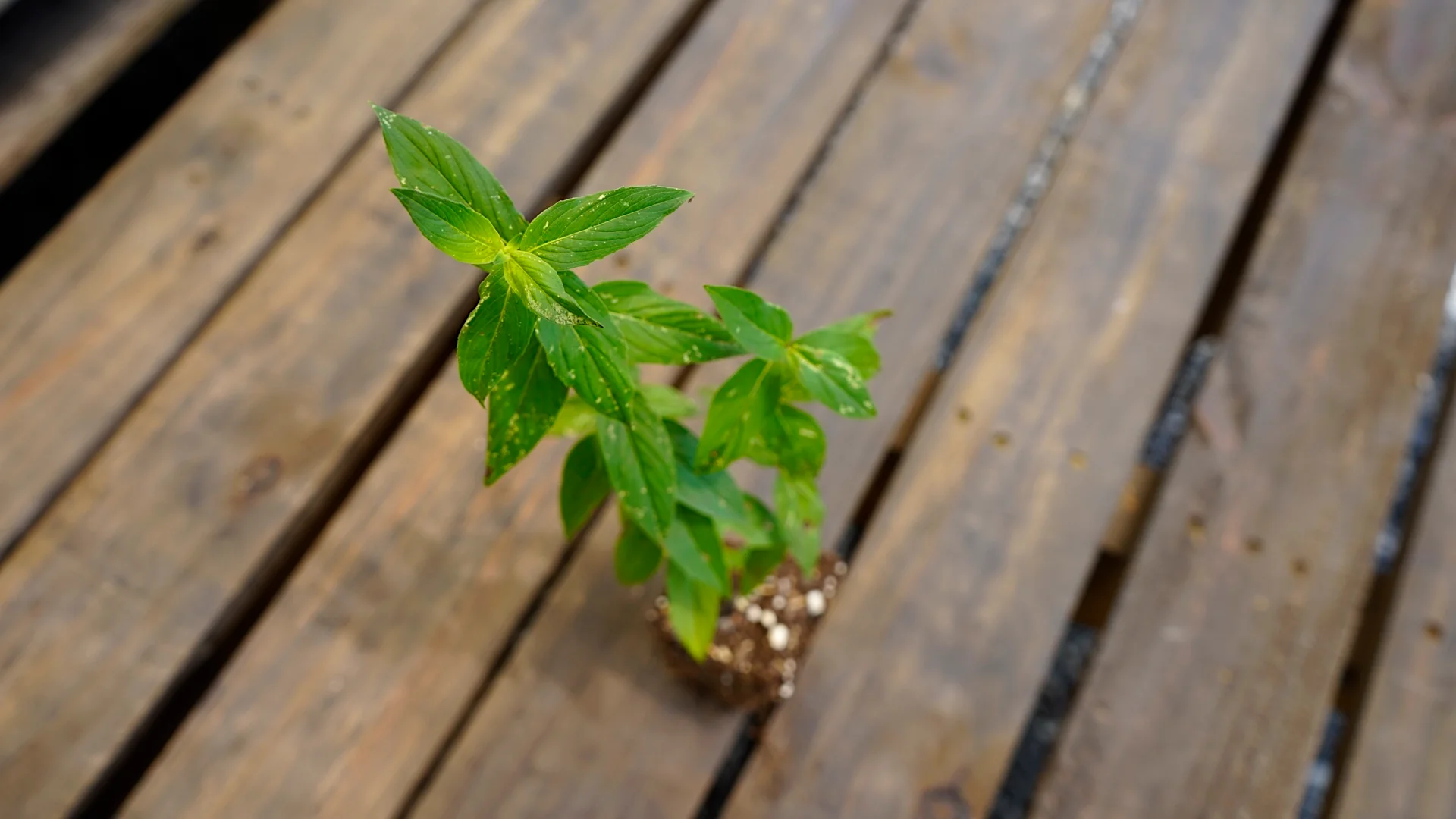
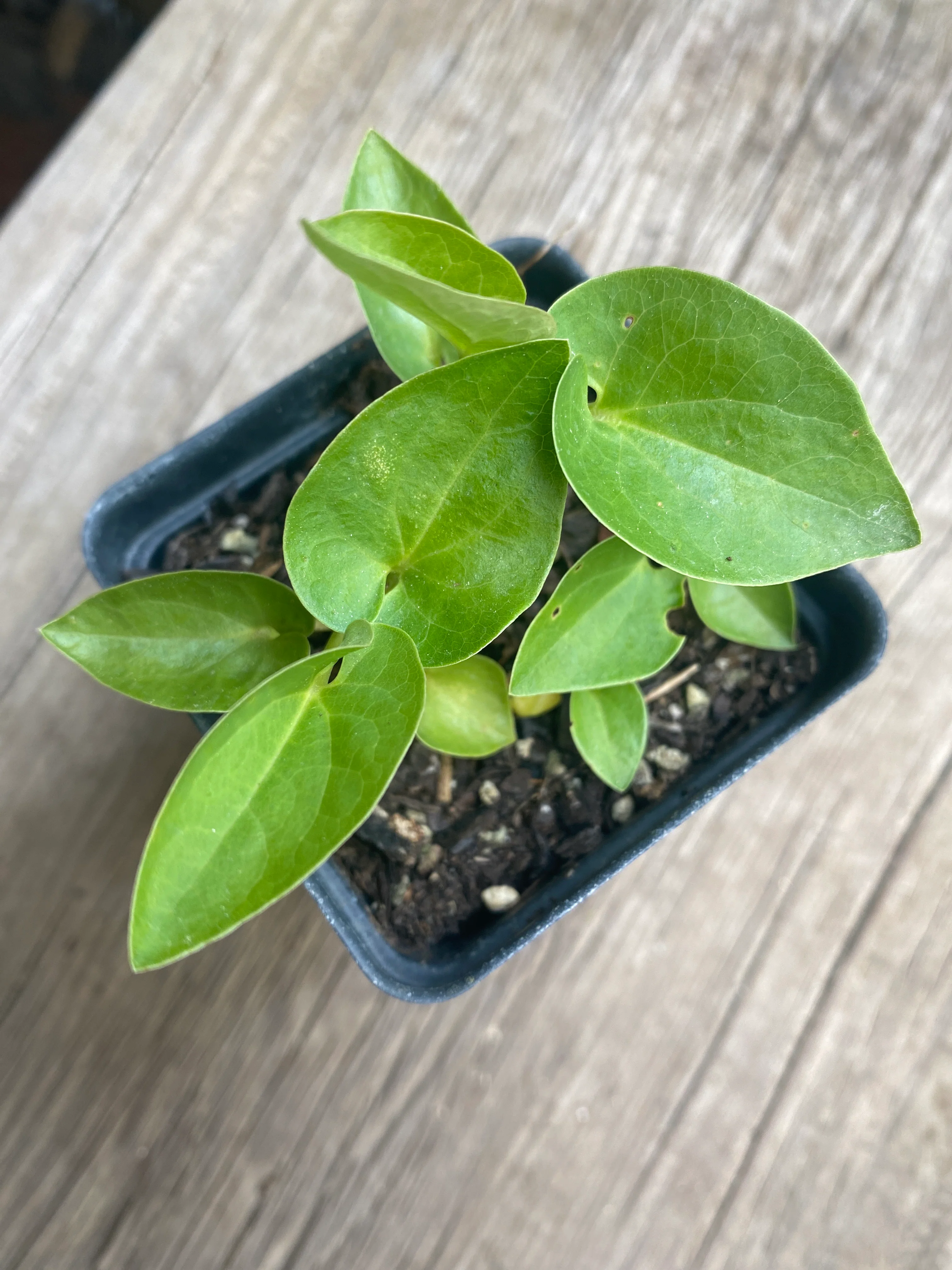
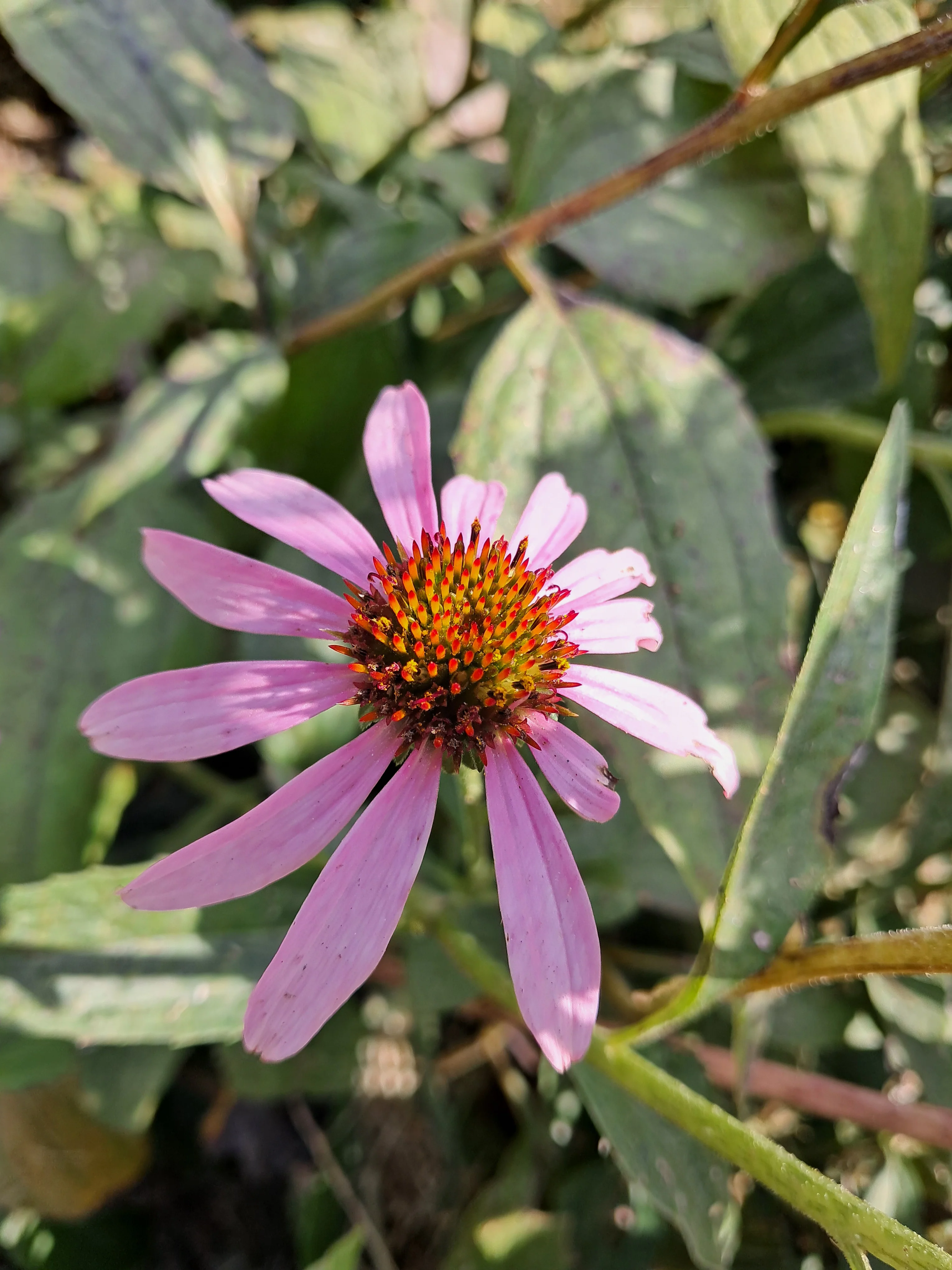
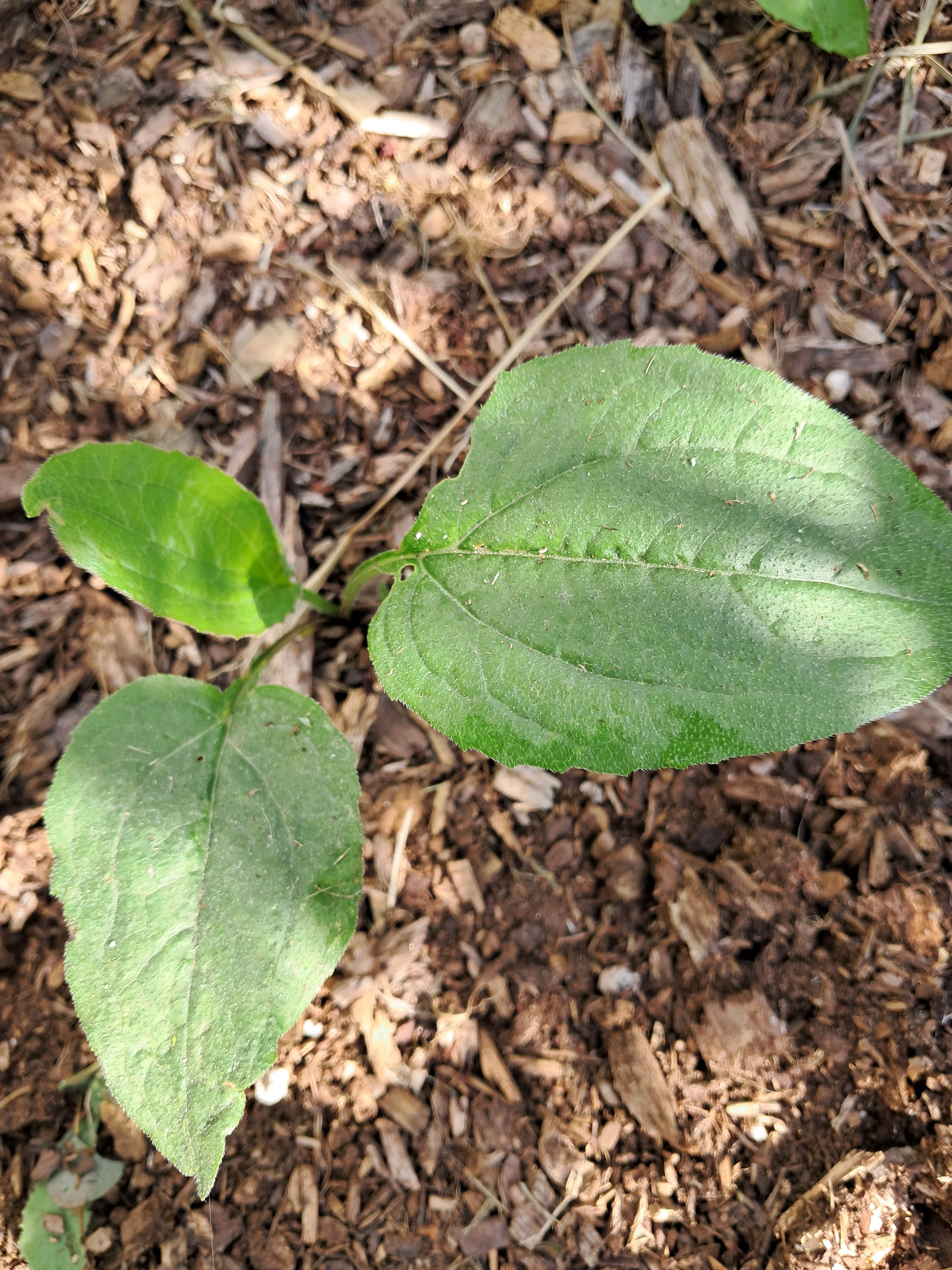
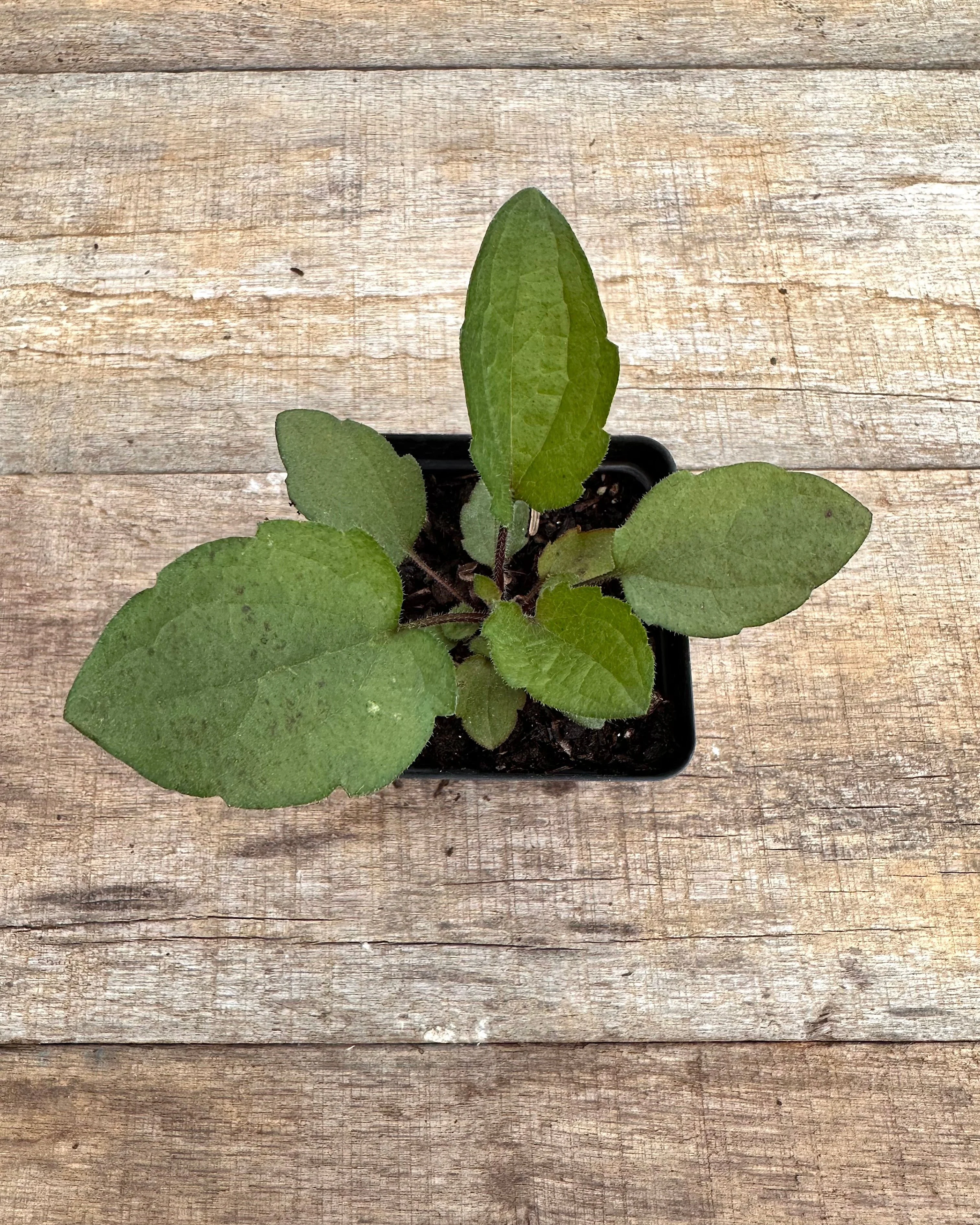
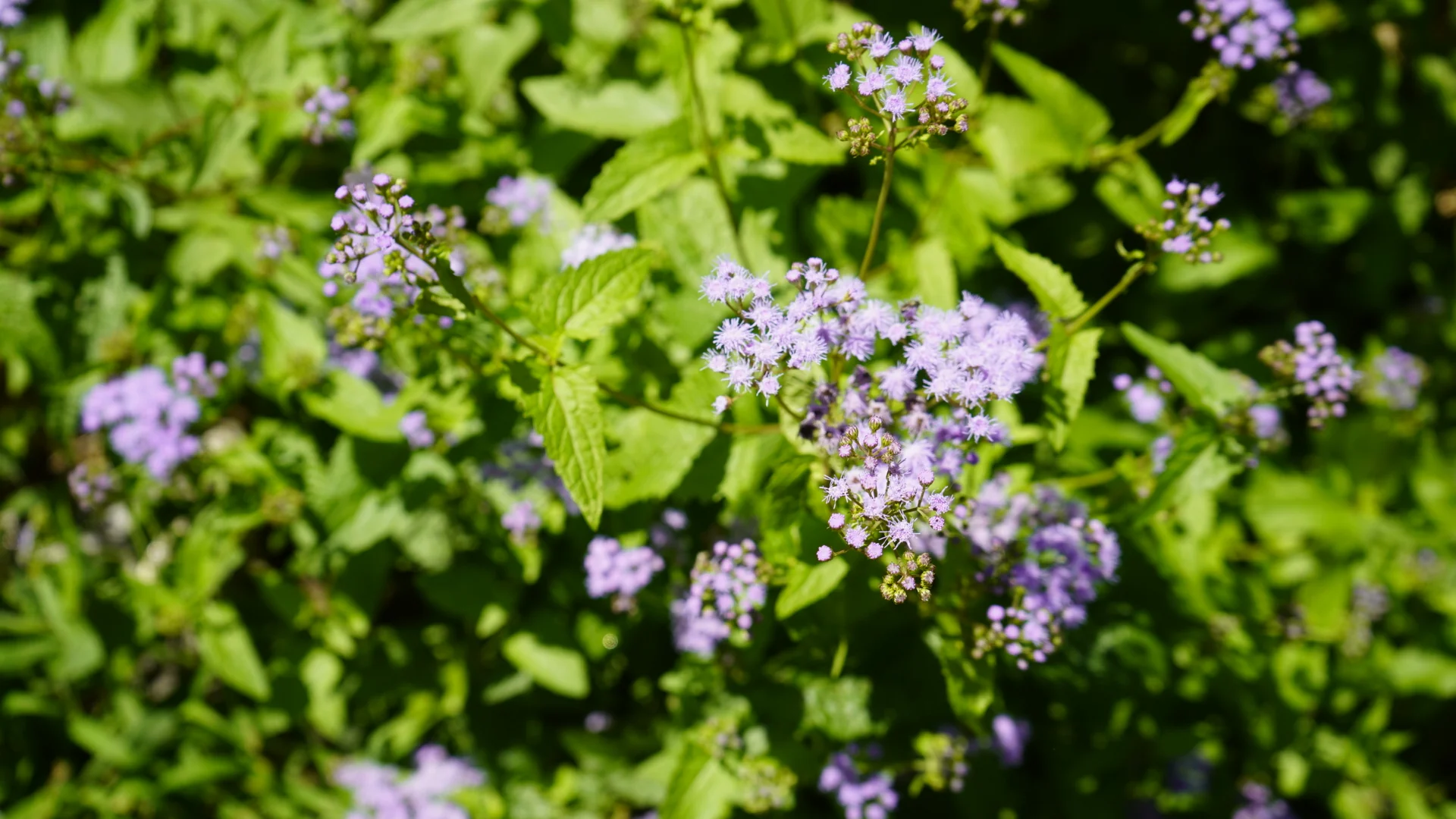
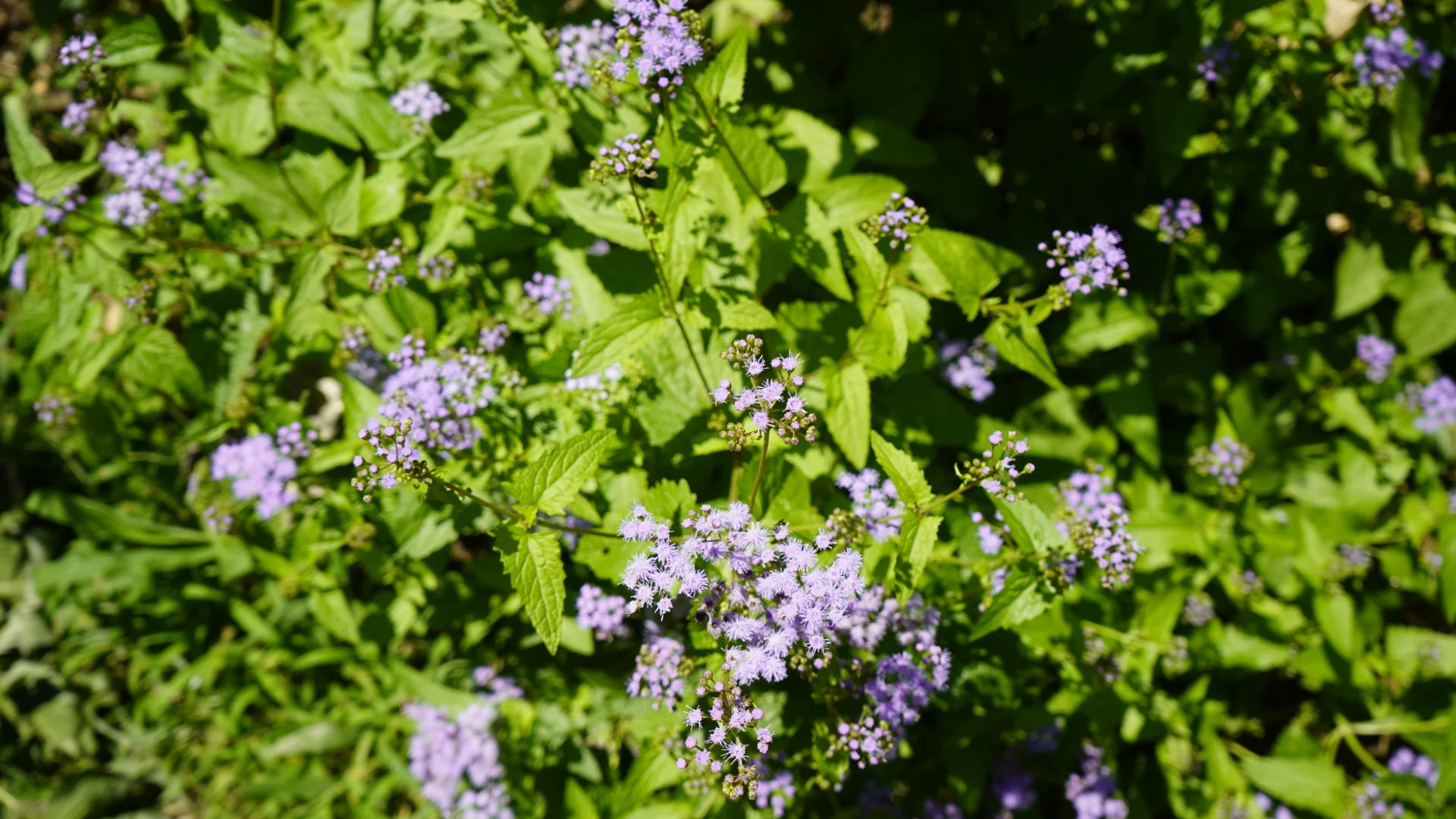
Mistflower is a native perennial that brings clouds of soft, lavender-blue blooms to gardens in late summer and fall, offering crucial ecological benefits. This easy-to-grow plant thrives in moist, low-lying areas and supports various pollinators, especially during critical migration periods. It's a great choice for pollinator gardens, rain gardens, and naturalized landscapes where it can spread and fill in bare spots.
Key Characteristics:
-
Vital Nectar Source for Monarchs and Other Pollinators
From August to October, Mistflower produces abundant blooms that provide essential late-season nectar for migrating Monarch butterflies and other pollinators like bees and skippers. This makes it an excellent addition to gardens aiming to support butterfly migration and local pollinator populations. -
Shelter and Habitat for Beneficial Insects
Mistflower's dense growth not only attracts pollinators but also provides cover and habitat for beneficial insects such as hoverflies and lacewings, which prey on garden pests. This helps maintain a balanced ecosystem and supports natural pest control. -
Supports Rain Gardens and Moist Soil Landscapes
Thriving in medium to wet soils, Mistflower is ideal for rain gardens, streambanks, and other moist areas. Its spreading nature helps stabilize soil in these environments, making it a good option for erosion control and water retention landscapes. -
Traditional Medicinal Uses
Historically, the leaves and stems of Mistflower were used by Native Americans in poultices to treat fevers and swelling. Its medicinal properties highlight its cultural significance, although it is now primarily valued for its ecological benefits in gardens. -
Spreading Ground Cover for Naturalized Areas
Mistflower's vigorous spreading habit makes it perfect for filling in bare patches in meadows or naturalized areas. It works well in pollinator gardens, woodland edges, or alongside streams, providing both beauty and biodiversity.
Product Details:
- Native range: Eastern and Central U.S.
- Life cycle: Perennial
- Sun requirements: Full sun to partial shade
- Soil requirements: Medium to wet, well-drained soils
- Mature height: 2-3 feet
- Bloom time: August to October
- Bloom color: Soft blue to lavender
- USDA Hardiness zones: 5-10
Mistflower is perfect for pollinator gardens, rain gardens, and wet landscapes, supporting migrating butterflies, bees, and beneficial insects. Its spreading growth and late blooms bring both beauty and biodiversity to any garden.
Original: $4.25
-65%$4.25
$1.49Product Information
Product Information
Shipping & Returns
Shipping & Returns
Description
Mistflower (Conoclinium coelestinum)
Mistflower is a native perennial that brings clouds of soft, lavender-blue blooms to gardens in late summer and fall, offering crucial ecological benefits. This easy-to-grow plant thrives in moist, low-lying areas and supports various pollinators, especially during critical migration periods. It's a great choice for pollinator gardens, rain gardens, and naturalized landscapes where it can spread and fill in bare spots.
Key Characteristics:
-
Vital Nectar Source for Monarchs and Other Pollinators
From August to October, Mistflower produces abundant blooms that provide essential late-season nectar for migrating Monarch butterflies and other pollinators like bees and skippers. This makes it an excellent addition to gardens aiming to support butterfly migration and local pollinator populations. -
Shelter and Habitat for Beneficial Insects
Mistflower's dense growth not only attracts pollinators but also provides cover and habitat for beneficial insects such as hoverflies and lacewings, which prey on garden pests. This helps maintain a balanced ecosystem and supports natural pest control. -
Supports Rain Gardens and Moist Soil Landscapes
Thriving in medium to wet soils, Mistflower is ideal for rain gardens, streambanks, and other moist areas. Its spreading nature helps stabilize soil in these environments, making it a good option for erosion control and water retention landscapes. -
Traditional Medicinal Uses
Historically, the leaves and stems of Mistflower were used by Native Americans in poultices to treat fevers and swelling. Its medicinal properties highlight its cultural significance, although it is now primarily valued for its ecological benefits in gardens. -
Spreading Ground Cover for Naturalized Areas
Mistflower's vigorous spreading habit makes it perfect for filling in bare patches in meadows or naturalized areas. It works well in pollinator gardens, woodland edges, or alongside streams, providing both beauty and biodiversity.
Product Details:
- Native range: Eastern and Central U.S.
- Life cycle: Perennial
- Sun requirements: Full sun to partial shade
- Soil requirements: Medium to wet, well-drained soils
- Mature height: 2-3 feet
- Bloom time: August to October
- Bloom color: Soft blue to lavender
- USDA Hardiness zones: 5-10
Mistflower is perfect for pollinator gardens, rain gardens, and wet landscapes, supporting migrating butterflies, bees, and beneficial insects. Its spreading growth and late blooms bring both beauty and biodiversity to any garden.