Hophornbeam, American (Ironwood)
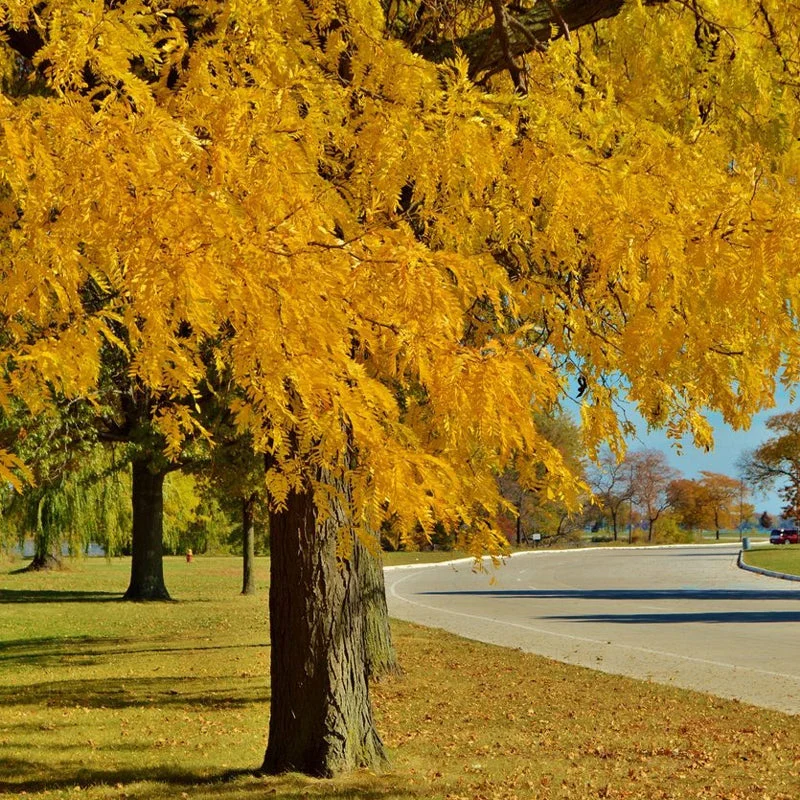
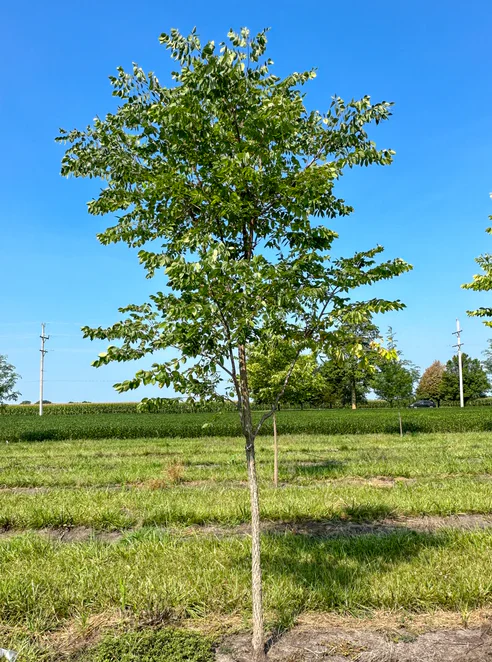
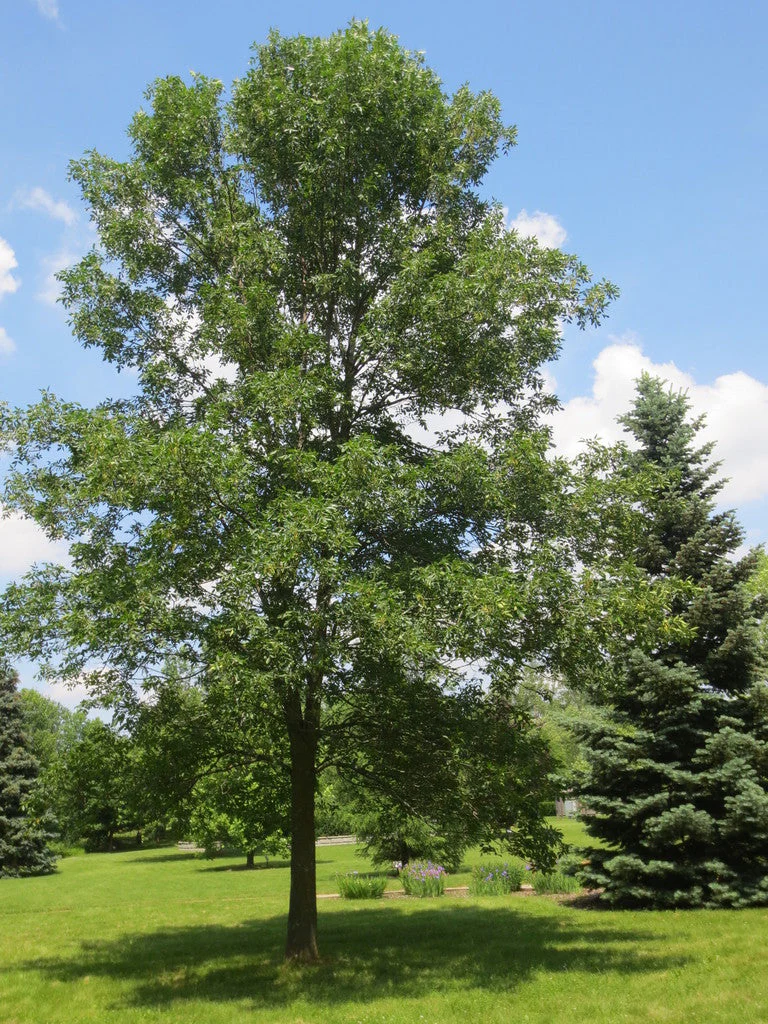
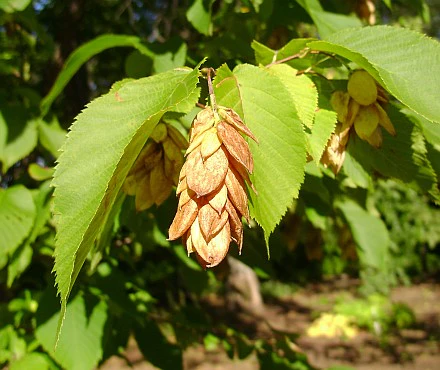
The Ironwood American Hophornbeam (Ostrya virginiana), also known as the hophornbeam or ironwood tree, is a native deciduous shrub or small tree named for its seeds resembling hops used in beer production, and its extremely hard wood. This hardy and adaptable plant is known for its unique hop-like strobiles, which are clusters of small, papery fruits that persist on the branches through winter. The Ironwood blooms in early spring, producing small, inconspicuous green flowers that give way to the interesting strobiles. Fall foliage gives a dazzling display of yellow.
The Ironwood is a valuable plant for a variety of reasons. Its dense, twiggy growth provides excellent cover for wildlife, and its strobiles are a favorite food source for birds and small mammals. The wood of the Ironwood is hard and strong, making it a valuable material for tools and implements. Additionally, the bark of the Ironwood has been used medicinally by Native Americans.
Native Range: Eastern North America, from southern Quebec and Ontario to Minnesota, south to Florida and eastern Texas
Sun Requirements: Full sun to partial shade
Soil Moisture: Prefers moist, well-drained soils but will tolerate a range of soil conditions
Mature Height: 20 feet
Mature Width: 15-20 feet
Bloom Time: April-May
Bloom Color: Green
Pollination:
Ironwood is a wind-pollinated plant, meaning that pollen is carried by the wind to fertilize flowers. See our Pollination page for more information on cross-pollination varieties and requirements!
Original: $24.95
-65%$24.95
$8.73Product Information
Product Information
Shipping & Returns
Shipping & Returns
Description
The Ironwood American Hophornbeam (Ostrya virginiana), also known as the hophornbeam or ironwood tree, is a native deciduous shrub or small tree named for its seeds resembling hops used in beer production, and its extremely hard wood. This hardy and adaptable plant is known for its unique hop-like strobiles, which are clusters of small, papery fruits that persist on the branches through winter. The Ironwood blooms in early spring, producing small, inconspicuous green flowers that give way to the interesting strobiles. Fall foliage gives a dazzling display of yellow.
The Ironwood is a valuable plant for a variety of reasons. Its dense, twiggy growth provides excellent cover for wildlife, and its strobiles are a favorite food source for birds and small mammals. The wood of the Ironwood is hard and strong, making it a valuable material for tools and implements. Additionally, the bark of the Ironwood has been used medicinally by Native Americans.
Native Range: Eastern North America, from southern Quebec and Ontario to Minnesota, south to Florida and eastern Texas
Sun Requirements: Full sun to partial shade
Soil Moisture: Prefers moist, well-drained soils but will tolerate a range of soil conditions
Mature Height: 20 feet
Mature Width: 15-20 feet
Bloom Time: April-May
Bloom Color: Green
Pollination:
Ironwood is a wind-pollinated plant, meaning that pollen is carried by the wind to fertilize flowers. See our Pollination page for more information on cross-pollination varieties and requirements!