Hornbeam, American (Musclewood)
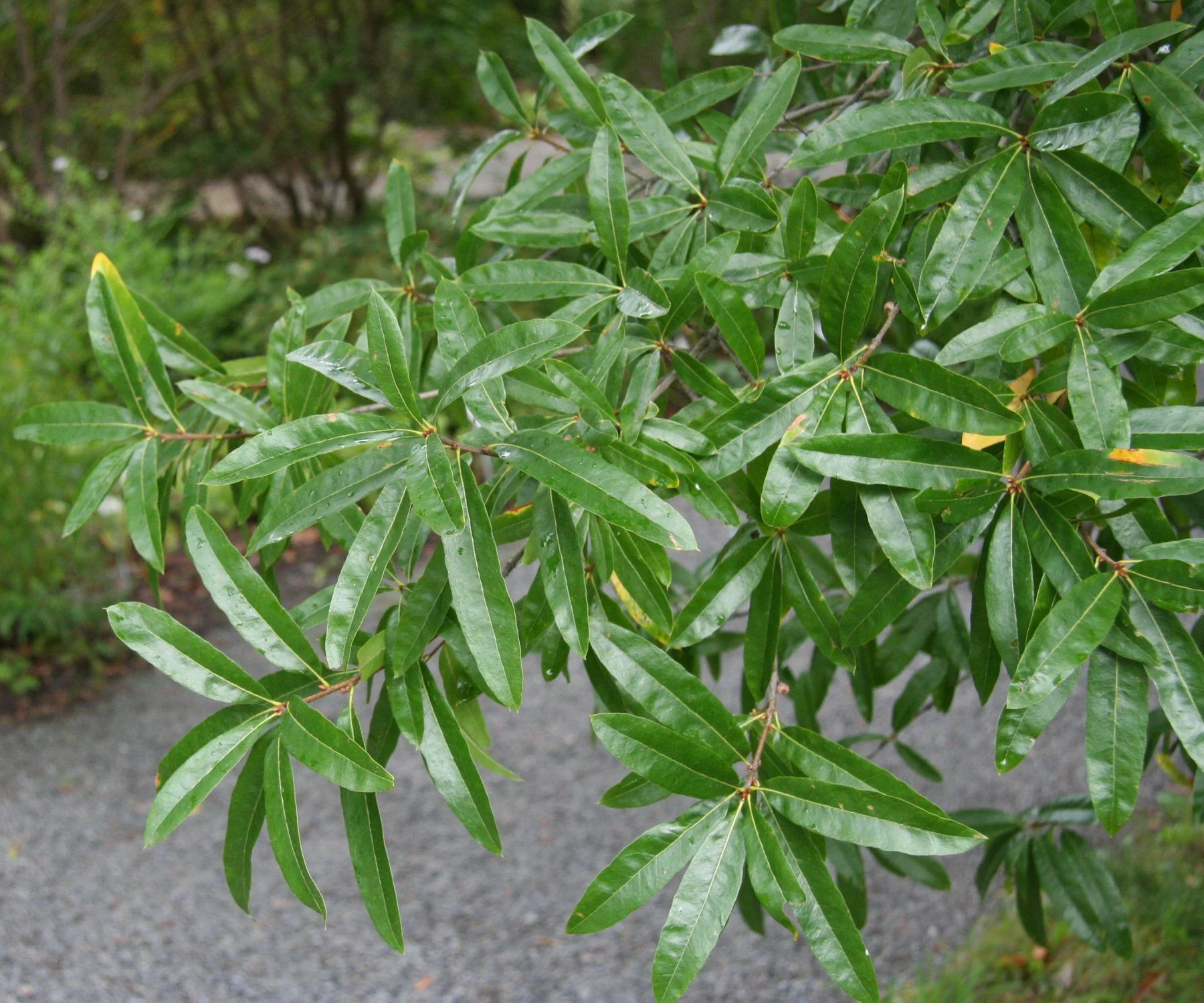
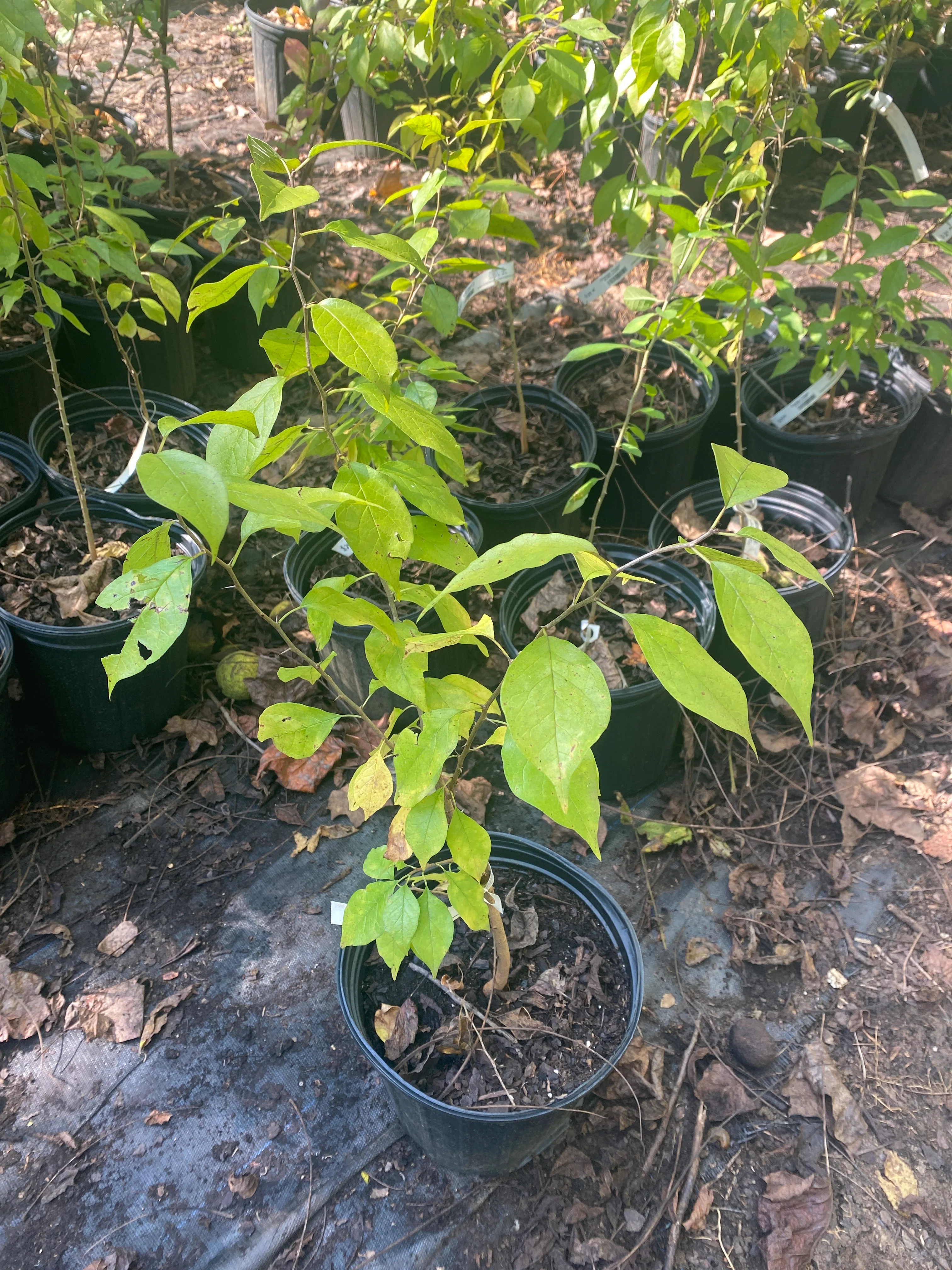
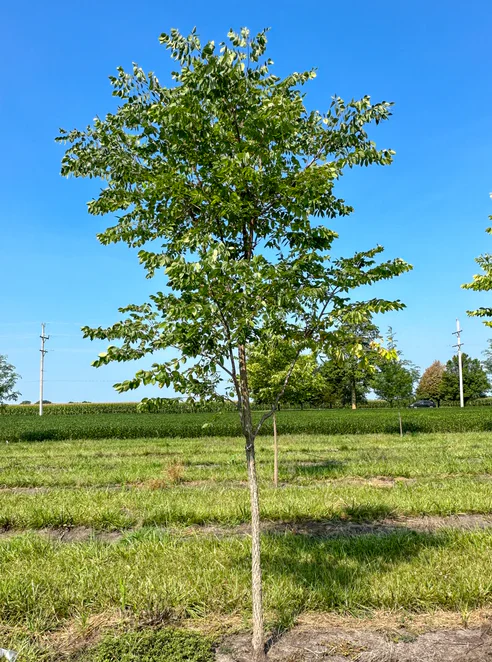
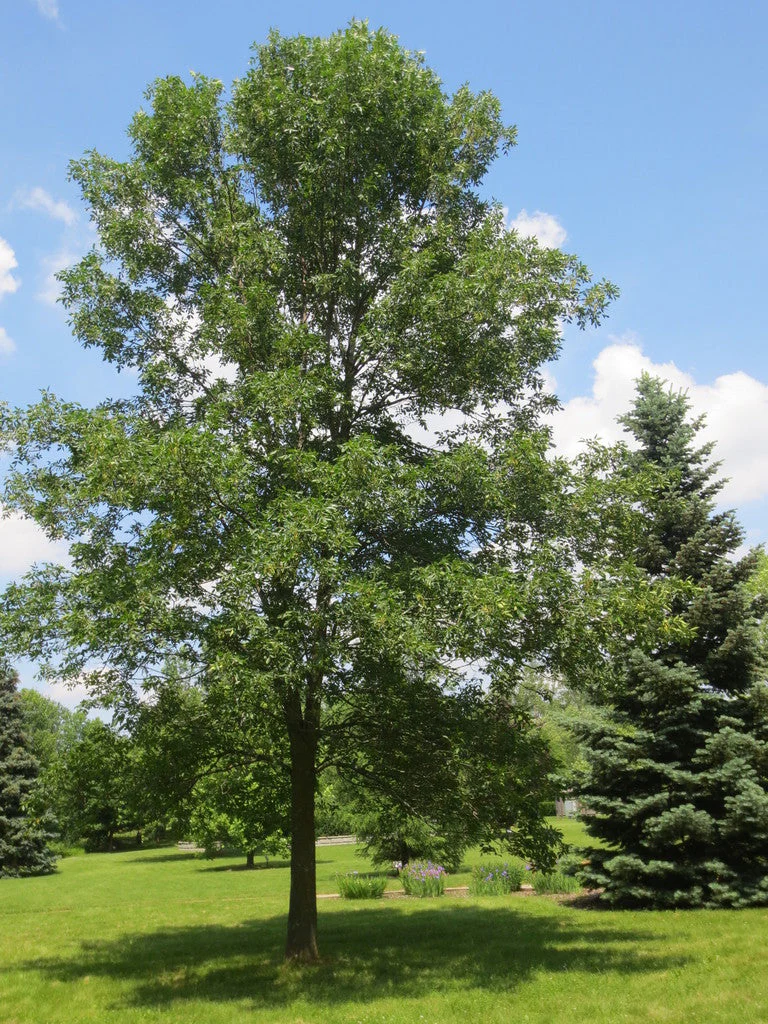
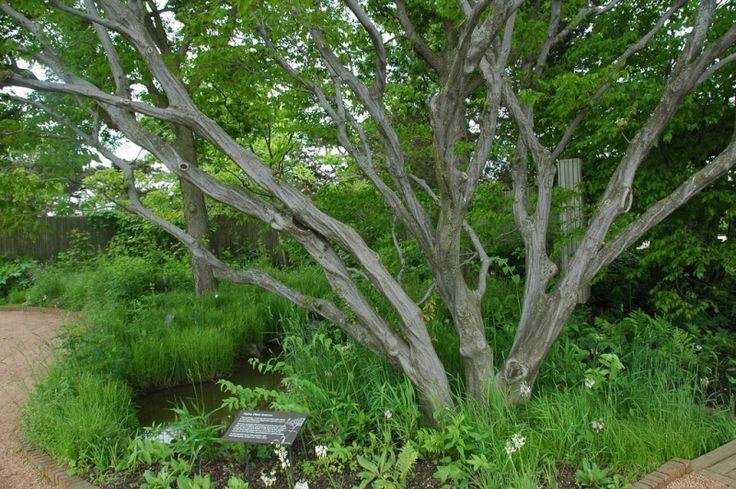
Hornbeams, also known as musclewood (Carpinus caroliniana) get their common names from their strong wood, which rarely cracks or splits. In fact, early pioneers found these trees ideal for making mallets and other tools as well as bowls and dishes. They are small trees that serve many purposes in the home landscape. In the shade of other trees, they have an attractive, open shape, but in sunlight, they have a tight, dense growth pattern. Hornbeam trees provide top quality shade for both humans and wildlife. Additionally, children love hornbeams, which have strong, low-growing branches that are perfect for climbing.
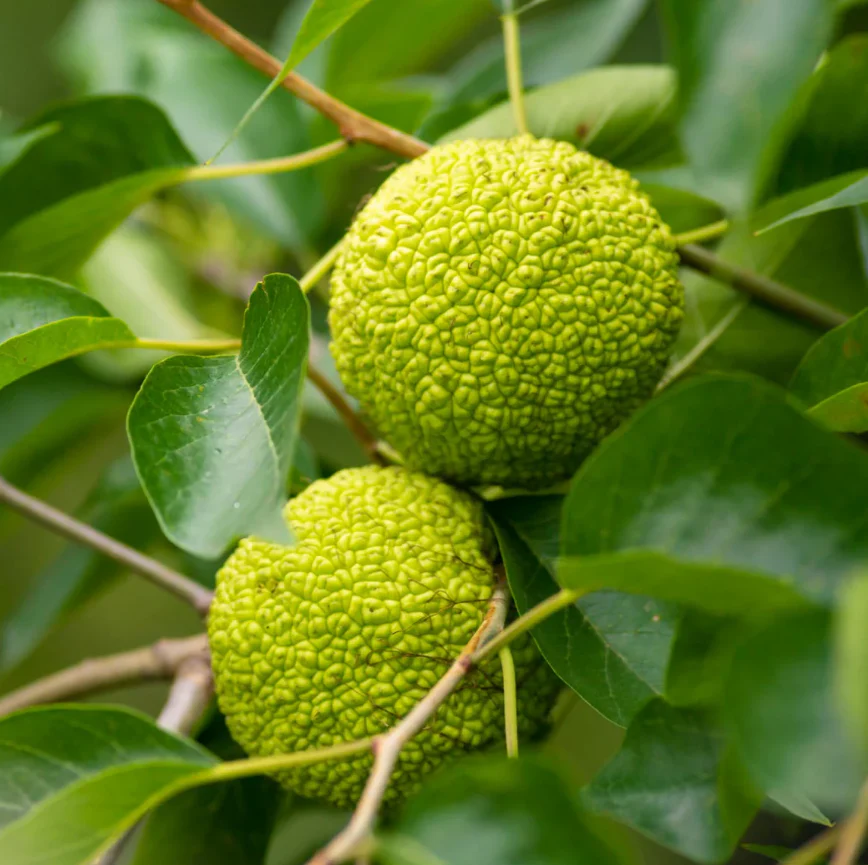
Birds and small mammals find shelter and nesting sites among the branches, and eat the fruit and nutlets that appear later in the year. The tree is an excellent choice for attracting wildlife, including some highly desirable songbirds and swallowtail butterflies. Rabbits, beavers and white-tailed deer feed on the leaves and twigs. Beavers use the tree extensively, probably because it grows abundantly in habitats where beavers are found.
Native Range: North Carolina
Sun Requirements: Full sun to partial shade
Soil Moisture: Well-drained soil
Mature Height: 20-30 feet
Mature Width: 15-20 feet
Bloom Time: April-May
Bloom Color: Green
Pollination:
Musclewood is dioecious, meaning that there are male and female plants, and wind-pollinated. It requires cross-pollination from another Musclewood tree to produce fruit. See our Pollination page for more information on cross-pollination varieties and requirements!
Original: $19.95
-65%$19.95
$6.98Product Information
Product Information
Shipping & Returns
Shipping & Returns
Description
Hornbeams, also known as musclewood (Carpinus caroliniana) get their common names from their strong wood, which rarely cracks or splits. In fact, early pioneers found these trees ideal for making mallets and other tools as well as bowls and dishes. They are small trees that serve many purposes in the home landscape. In the shade of other trees, they have an attractive, open shape, but in sunlight, they have a tight, dense growth pattern. Hornbeam trees provide top quality shade for both humans and wildlife. Additionally, children love hornbeams, which have strong, low-growing branches that are perfect for climbing.
Birds and small mammals find shelter and nesting sites among the branches, and eat the fruit and nutlets that appear later in the year. The tree is an excellent choice for attracting wildlife, including some highly desirable songbirds and swallowtail butterflies. Rabbits, beavers and white-tailed deer feed on the leaves and twigs. Beavers use the tree extensively, probably because it grows abundantly in habitats where beavers are found.
Native Range: North Carolina
Sun Requirements: Full sun to partial shade
Soil Moisture: Well-drained soil
Mature Height: 20-30 feet
Mature Width: 15-20 feet
Bloom Time: April-May
Bloom Color: Green
Pollination:
Musclewood is dioecious, meaning that there are male and female plants, and wind-pollinated. It requires cross-pollination from another Musclewood tree to produce fruit. See our Pollination page for more information on cross-pollination varieties and requirements!