Oak, White
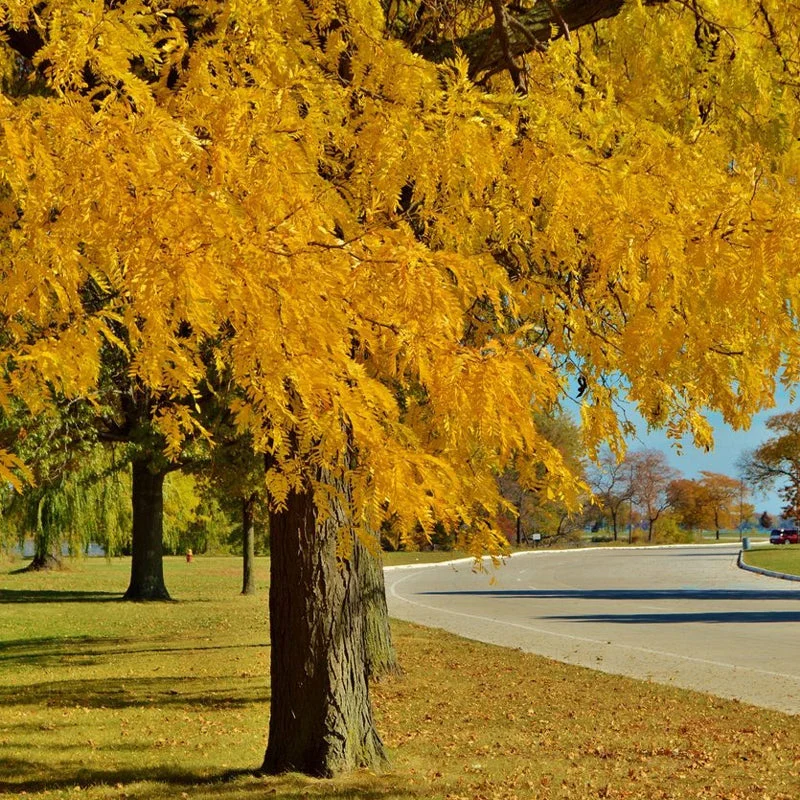
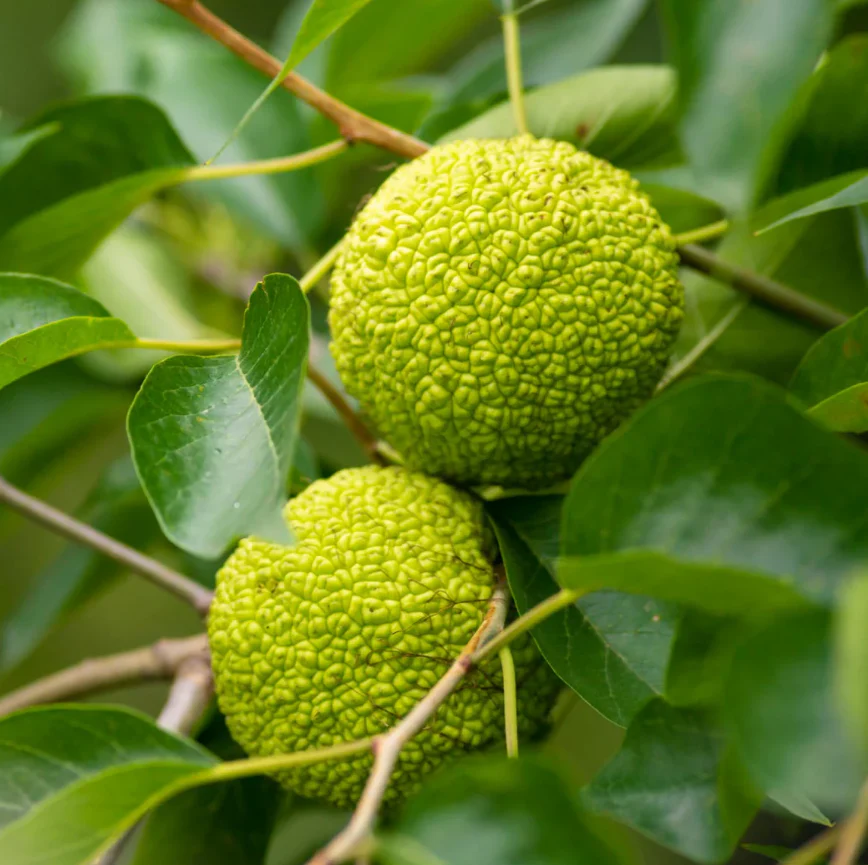
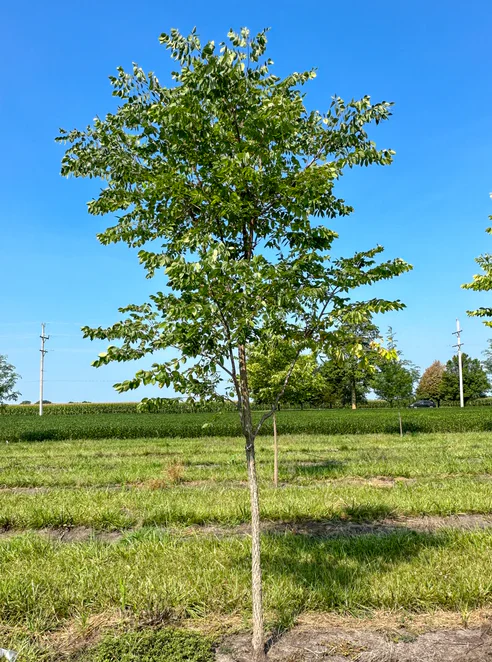
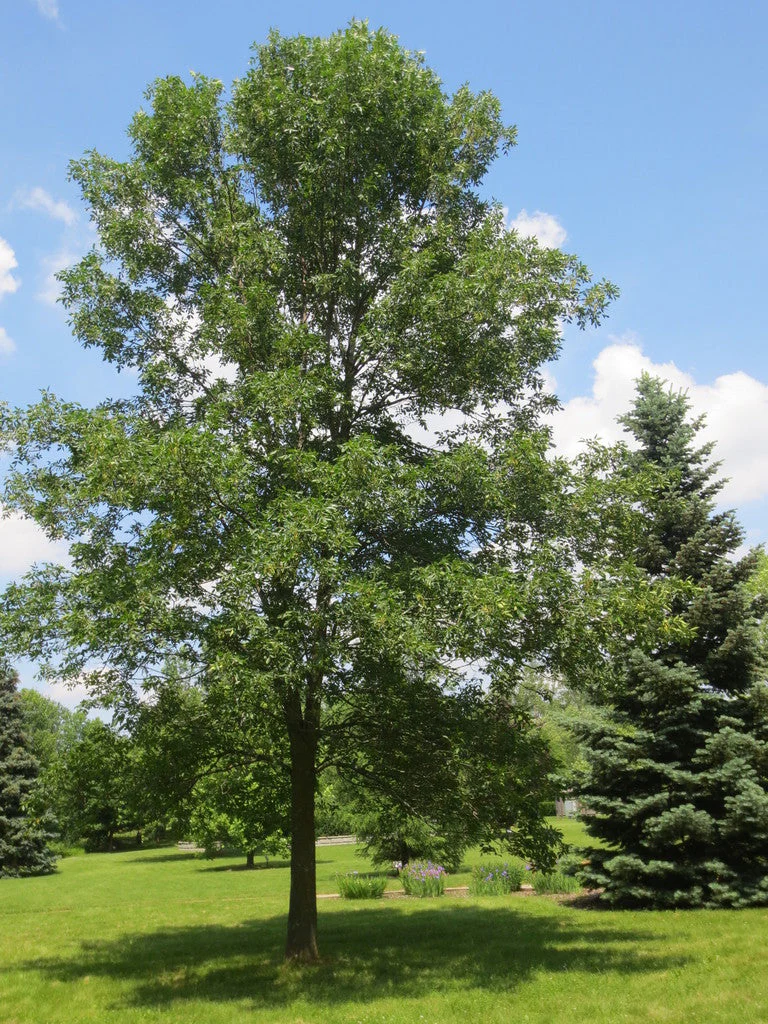
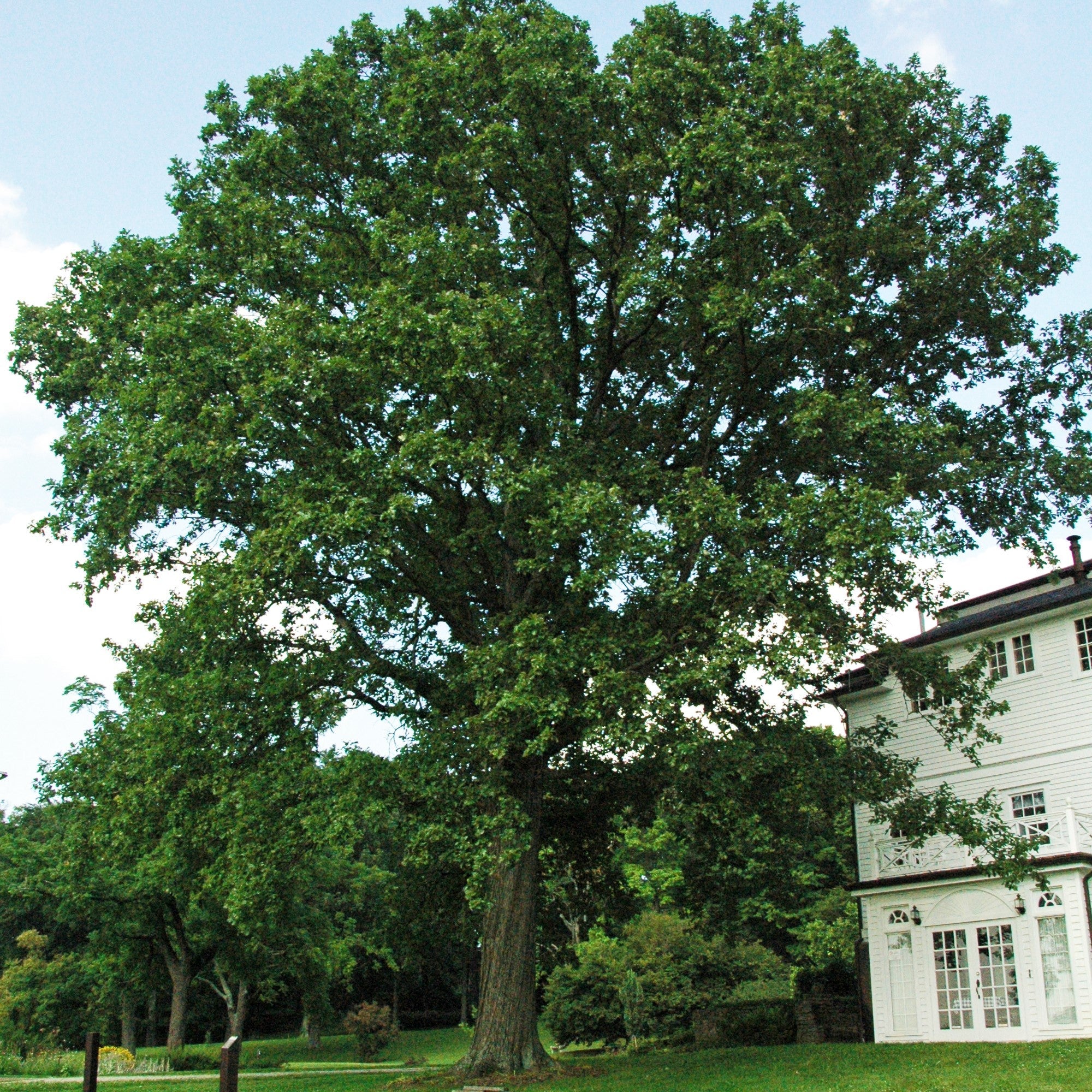
White Oak is a grand, long-lived native tree known for its impressive stature, striking silvery-gray bark, and vibrant seasonal foliage. Revered for its ecological importance, White Oak provides essential food and shelter for a wide range of wildlife, from birds to mammals. Its acorns, maturing in early fall, are a highly nutritious food source for wildlife, while its strong, rot-resistant wood is prized in timber production. White Oak's adaptability to various soil types and its slow-growing, sturdy nature make it ideal for reforestation projects, naturalized areas, and legacy plantings where it can thrive for centuries.
Key Characteristics
-
Essential Wildlife Habitat: White Oak supports hundreds of species, providing food, shelter, and nesting sites. Its acorns are favored by squirrels, deer, turkeys, and numerous bird species, making it a cornerstone in wildlife-rich landscapes.
-
Durable, High-Value Timber: Known for its strength, rot resistance, and attractive grain, White Oak wood is highly sought after in furniture-making, flooring, and barrel production. This hardwood's durability makes it a valuable timber species with historical and economic importance.
-
Adaptable and Long-Lived: White Oak is hardy and adaptable, thriving in a range of well-drained soils, from sandy to clay-rich soils. With a life span of several hundred years, it's ideal for planting in long-term landscapes, reforestation, and conservation projects.
-
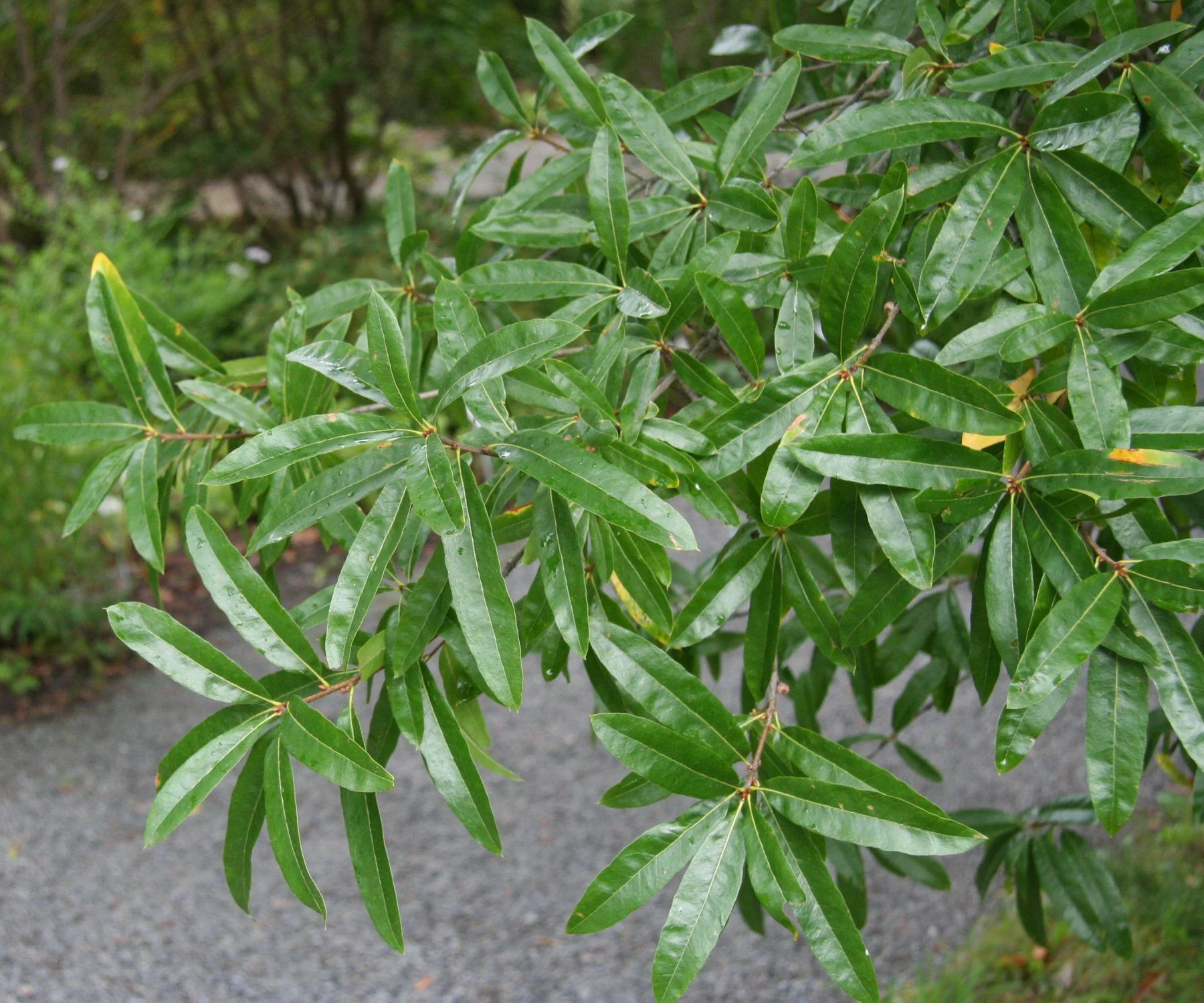
Seasonal Beauty and Foliage: White Oak's leaves turn shades of red and deep purple in the fall, creating a brilliant seasonal display. Its attractive, lobed leaves and distinctive bark add beauty and texture to the landscape year-round.
-
Deep Root System for Soil Stabilization: This tree's deep roots help stabilize soil and prevent erosion, making it suitable for large landscapes, slopes, and naturalized areas where soil conservation is a priority.
Product Details
- Native Range: Eastern and Central North America
- Plant Life Cycle: Deciduous tree
- Sun Requirements: Full sun to part shade
- Soil Requirements: Prefers well-drained soils; adaptable to sandy, loamy, and clay soils
- Mature Height: 50-80 feet
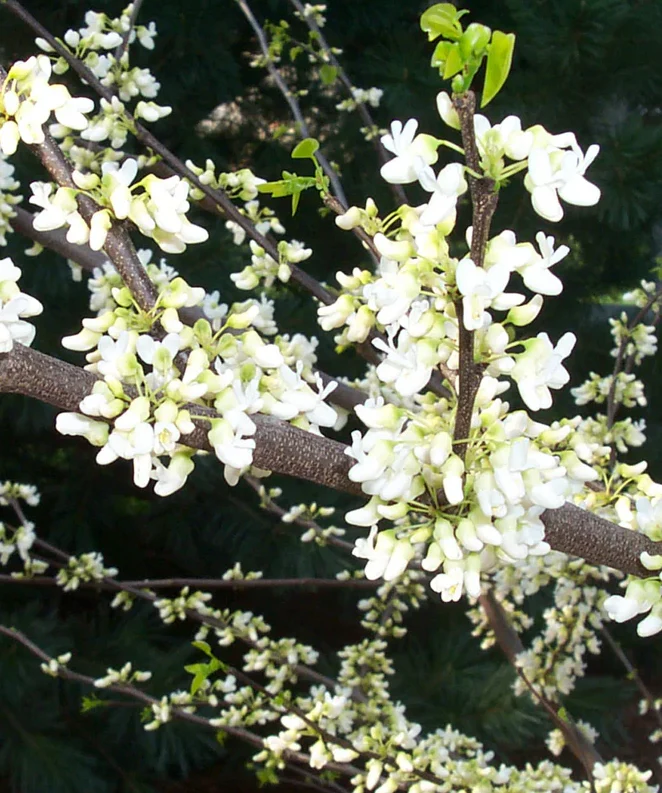
- Bloom Time: Spring (inconspicuous flowers)
- Fall Color: Red to purple
- USDA Hardiness Zones: 3-9
White Oak's ecological importance, strength, and beauty make it a cherished addition to large landscapes, naturalized plantings, and conservation areas, where it can grow and support biodiversity for generations.
Original: $19.95
-65%$19.95
$6.98Product Information
Product Information
Shipping & Returns
Shipping & Returns
Description
White Oak is a grand, long-lived native tree known for its impressive stature, striking silvery-gray bark, and vibrant seasonal foliage. Revered for its ecological importance, White Oak provides essential food and shelter for a wide range of wildlife, from birds to mammals. Its acorns, maturing in early fall, are a highly nutritious food source for wildlife, while its strong, rot-resistant wood is prized in timber production. White Oak's adaptability to various soil types and its slow-growing, sturdy nature make it ideal for reforestation projects, naturalized areas, and legacy plantings where it can thrive for centuries.
Key Characteristics
-
Essential Wildlife Habitat: White Oak supports hundreds of species, providing food, shelter, and nesting sites. Its acorns are favored by squirrels, deer, turkeys, and numerous bird species, making it a cornerstone in wildlife-rich landscapes.
-
Durable, High-Value Timber: Known for its strength, rot resistance, and attractive grain, White Oak wood is highly sought after in furniture-making, flooring, and barrel production. This hardwood's durability makes it a valuable timber species with historical and economic importance.
-
Adaptable and Long-Lived: White Oak is hardy and adaptable, thriving in a range of well-drained soils, from sandy to clay-rich soils. With a life span of several hundred years, it's ideal for planting in long-term landscapes, reforestation, and conservation projects.
-
Seasonal Beauty and Foliage: White Oak's leaves turn shades of red and deep purple in the fall, creating a brilliant seasonal display. Its attractive, lobed leaves and distinctive bark add beauty and texture to the landscape year-round.
-
Deep Root System for Soil Stabilization: This tree's deep roots help stabilize soil and prevent erosion, making it suitable for large landscapes, slopes, and naturalized areas where soil conservation is a priority.
Product Details
- Native Range: Eastern and Central North America
- Plant Life Cycle: Deciduous tree
- Sun Requirements: Full sun to part shade
- Soil Requirements: Prefers well-drained soils; adaptable to sandy, loamy, and clay soils
- Mature Height: 50-80 feet
- Bloom Time: Spring (inconspicuous flowers)
- Fall Color: Red to purple
- USDA Hardiness Zones: 3-9
White Oak's ecological importance, strength, and beauty make it a cherished addition to large landscapes, naturalized plantings, and conservation areas, where it can grow and support biodiversity for generations.