Bee Balm, Lemon
Bee Balm, Lemon (Monarda citriodora)
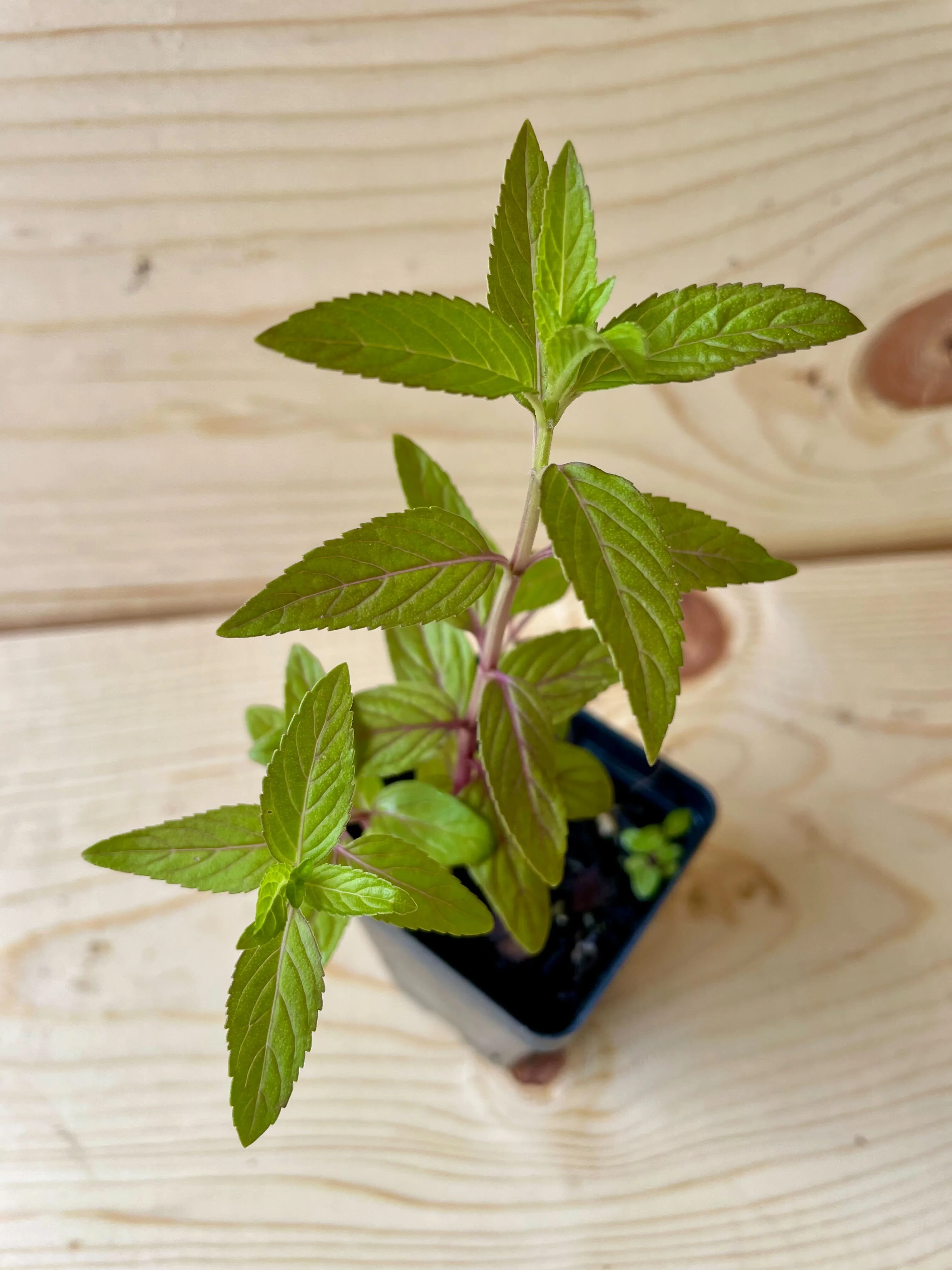
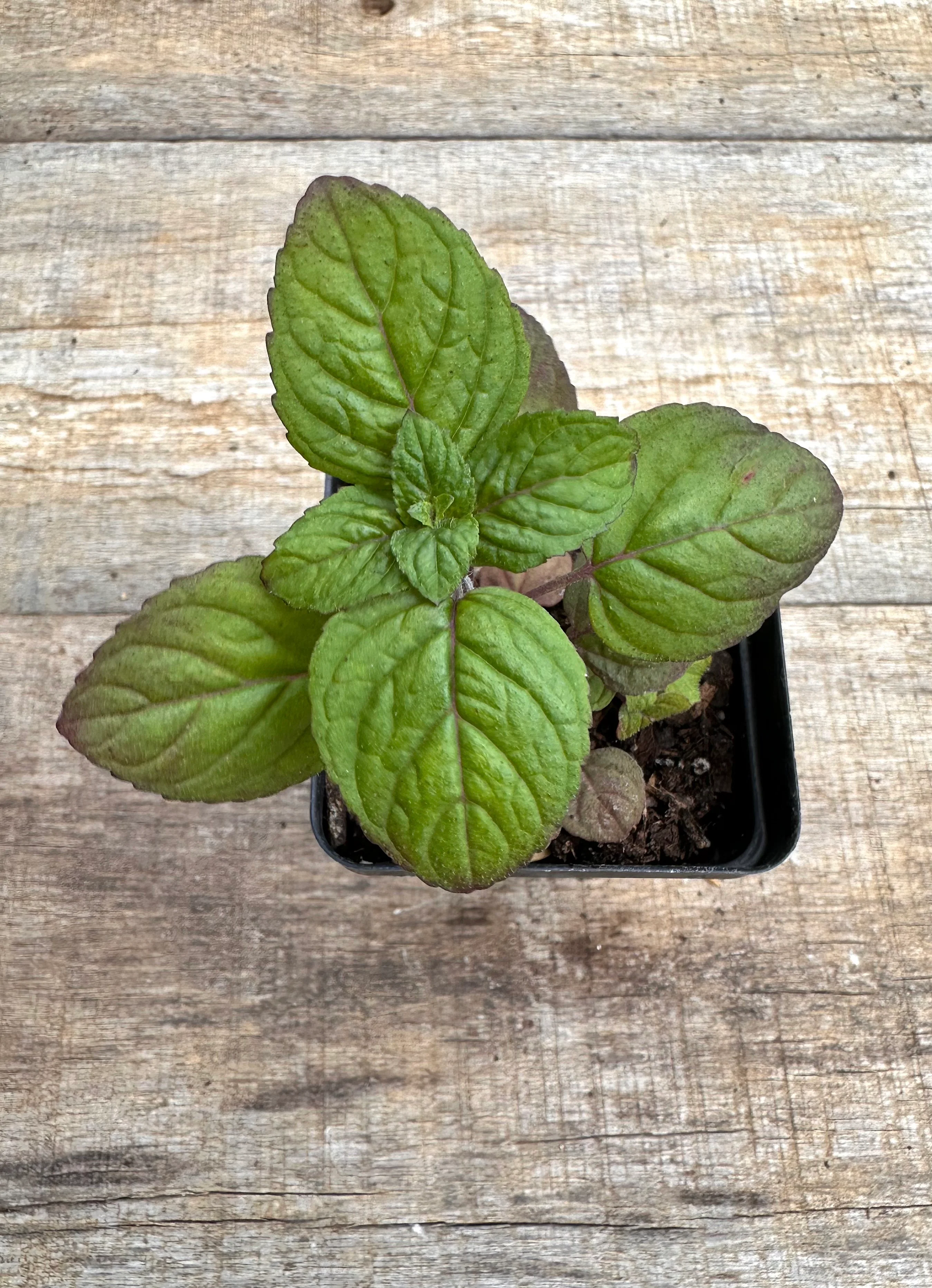
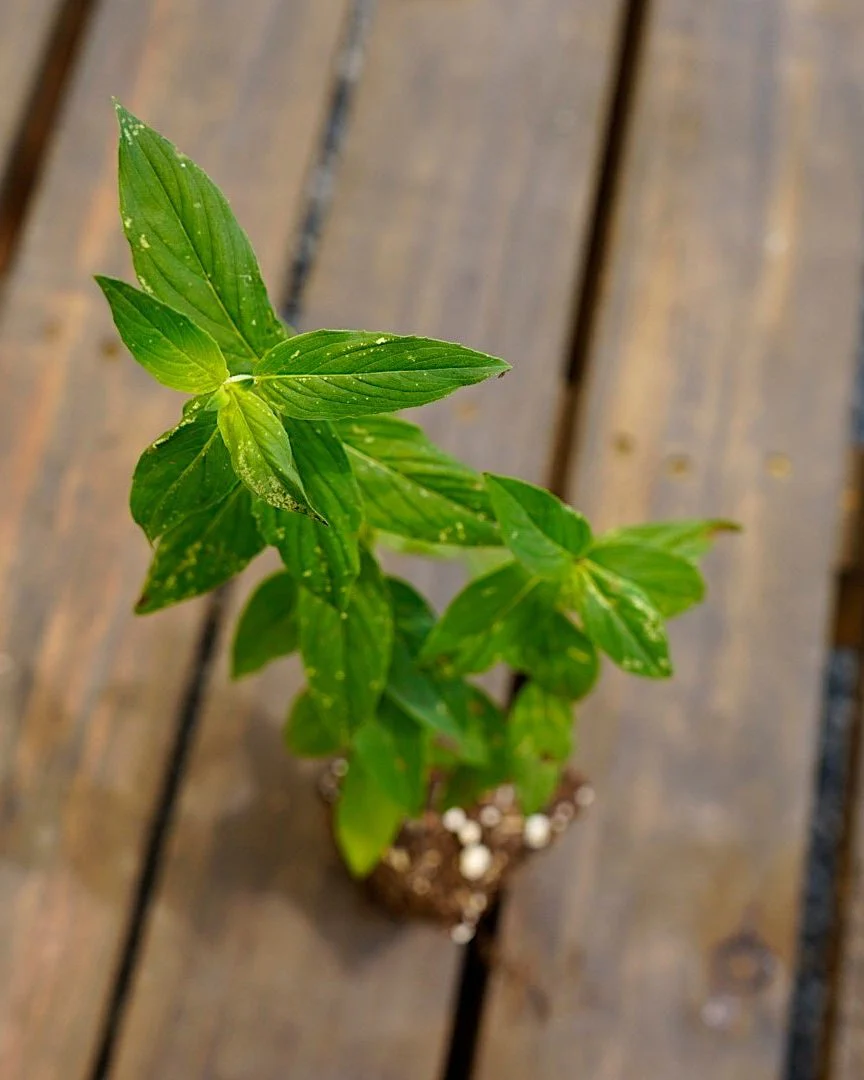
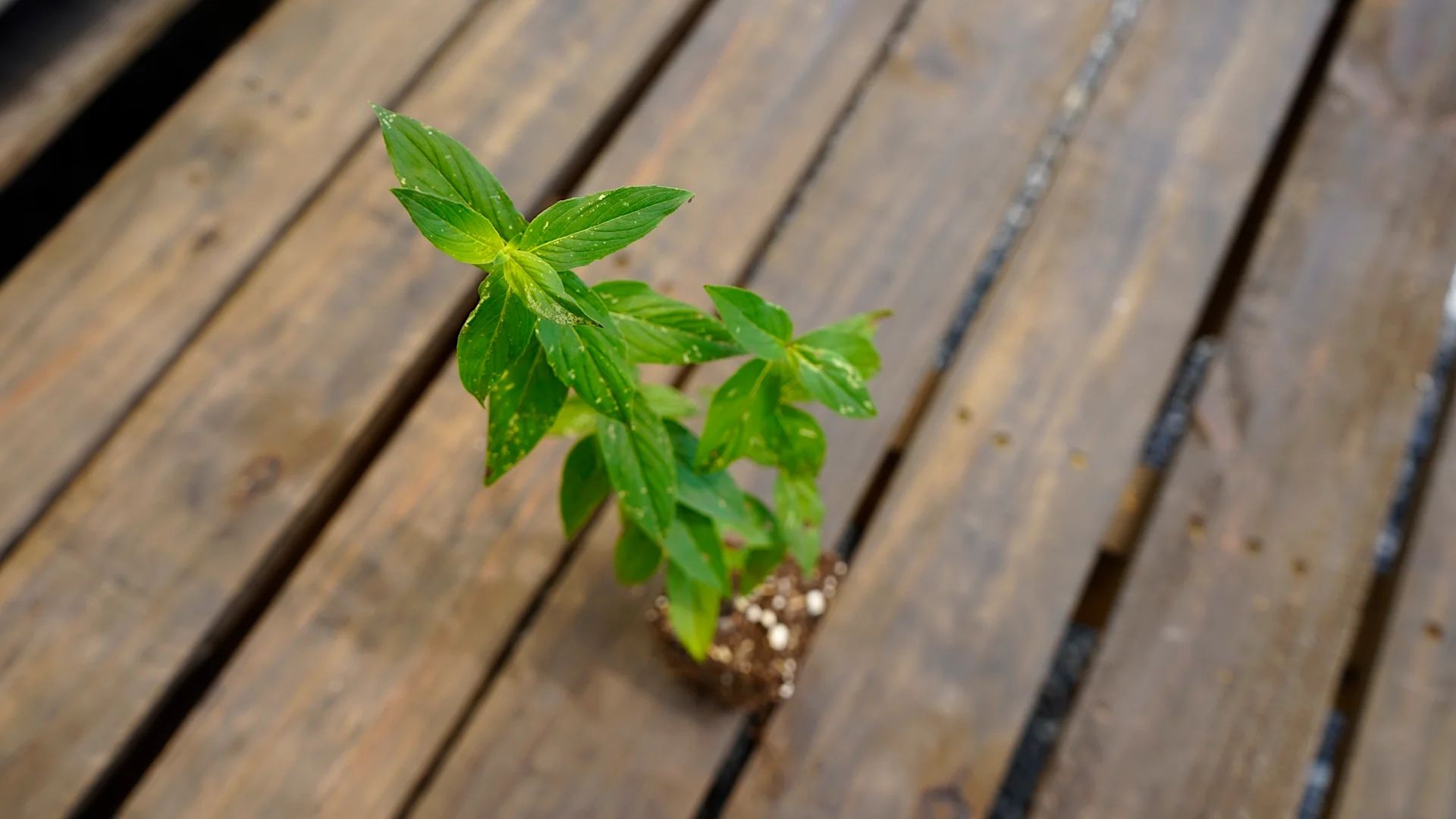
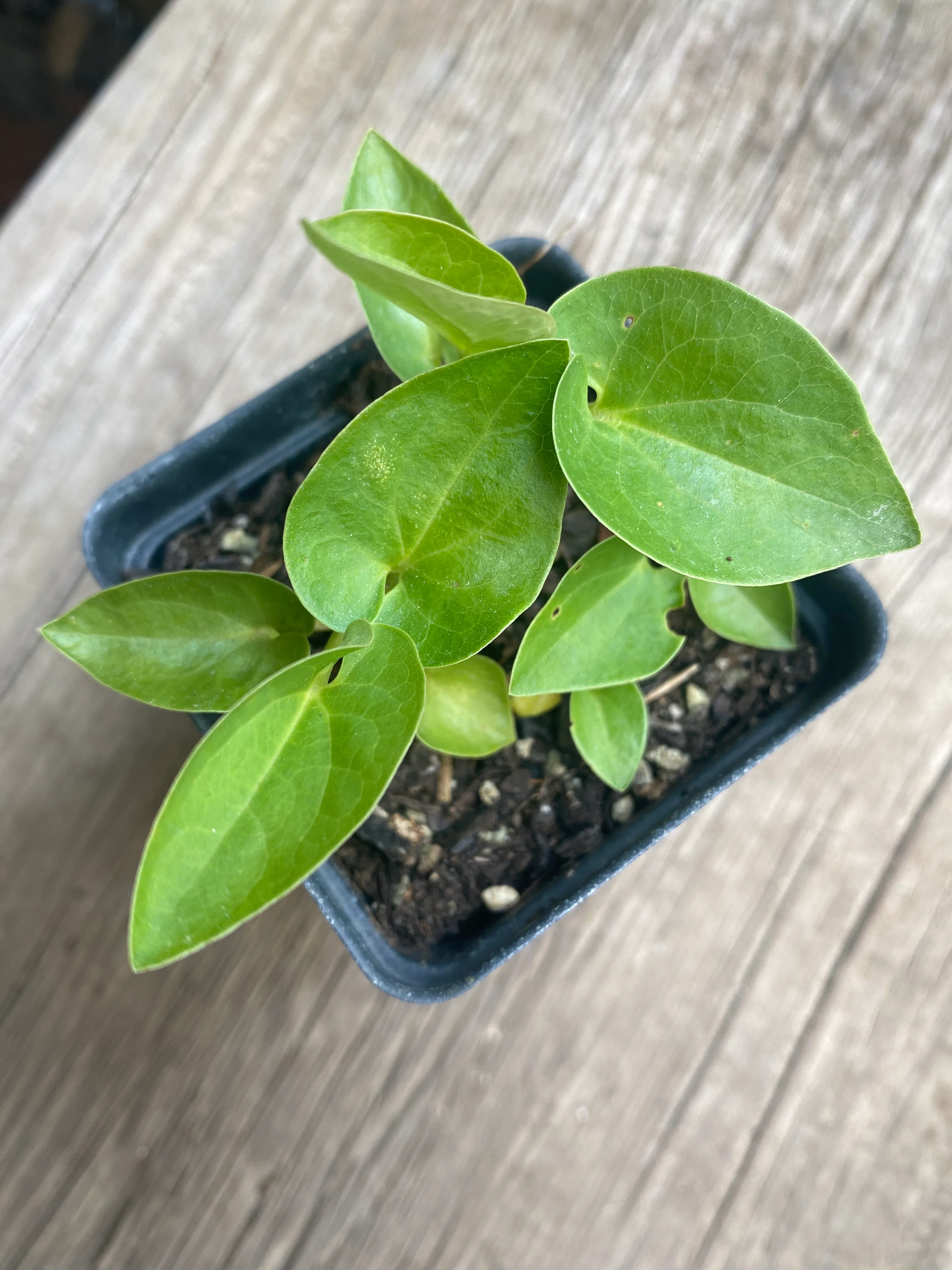
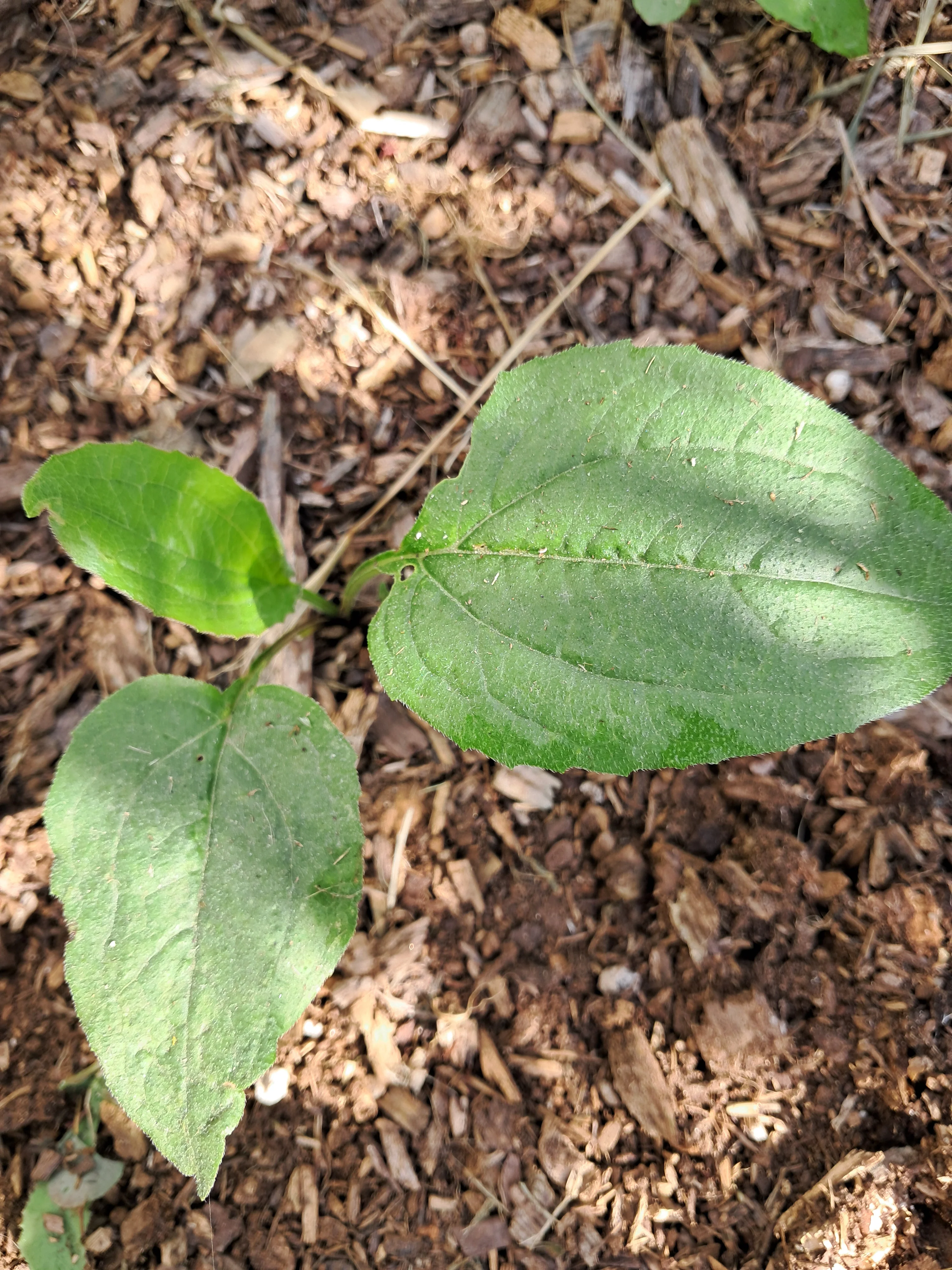
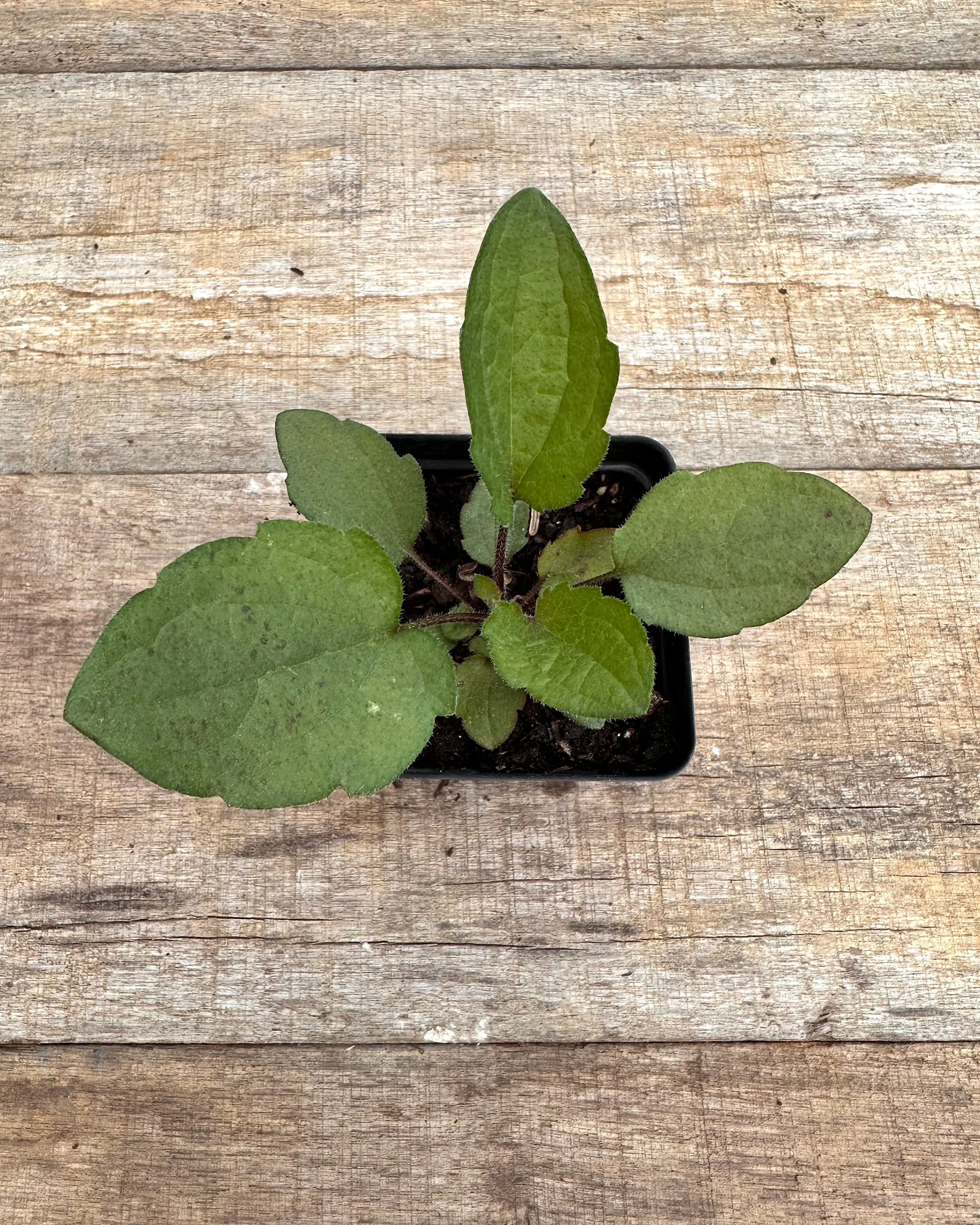
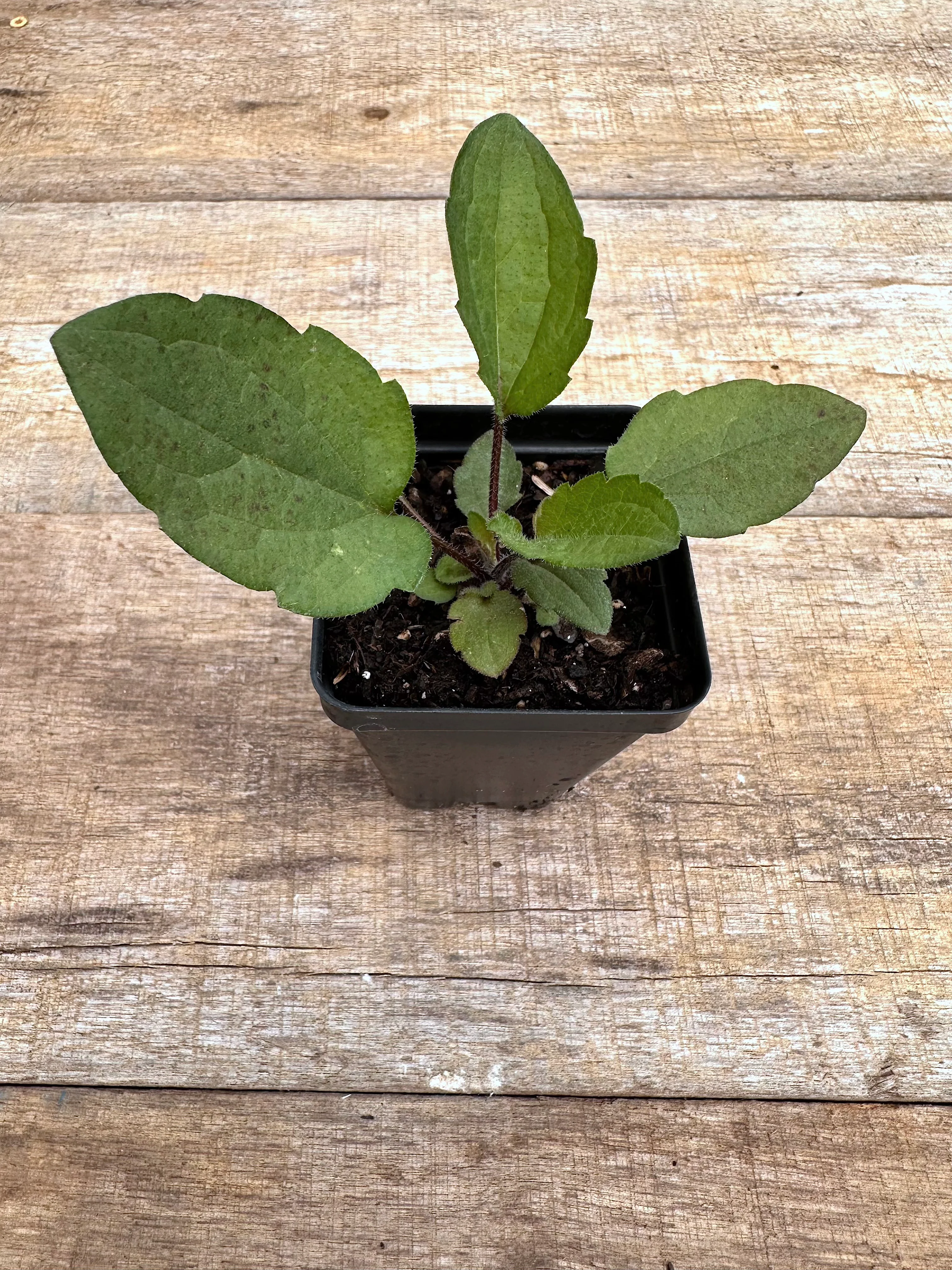
Lemon bee balm is an aromatic annual herb known for its citrus-scented foliage, tiered lavender blooms, and strong attraction to pollinators. Native to the southern United States, it thrives in heat and lean soils, making it an excellent addition to meadow plantings, herb gardens, and low-input systems. Its leaves and flowers are used for teas and herbal preparations, offering both flavor and function in the landscape.
Key Characteristics
Citrus-scented leaves for tea and herbal use
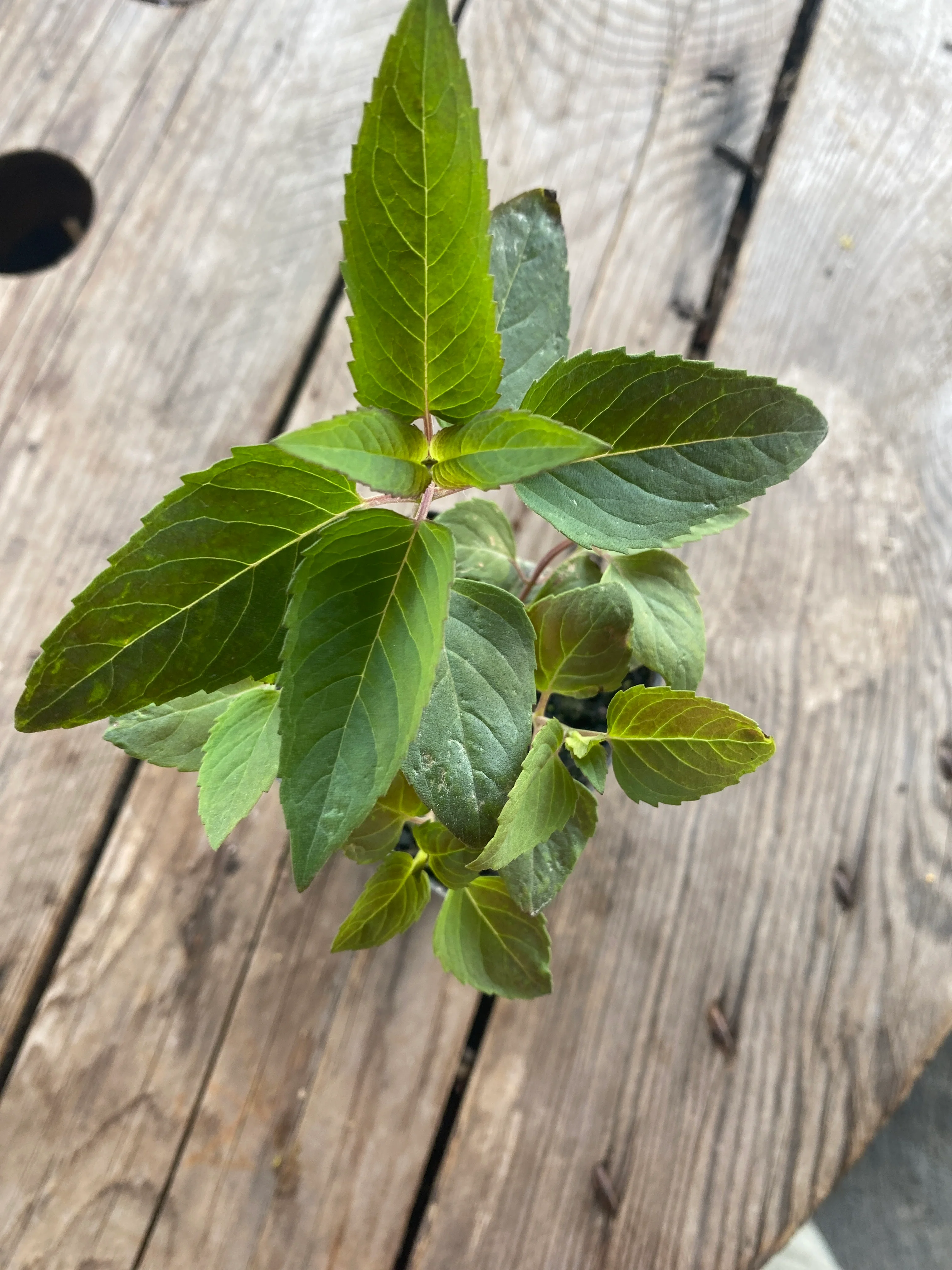
The leaves have a bright lemony aroma and are commonly used fresh or dried for herbal teas. Traditionally, they have been used for mild digestive support and as a calming infusion. The flavor is refreshing and uplifting, making it a favorite for summer tea blends.
Highly attractive to bees and beneficial insects
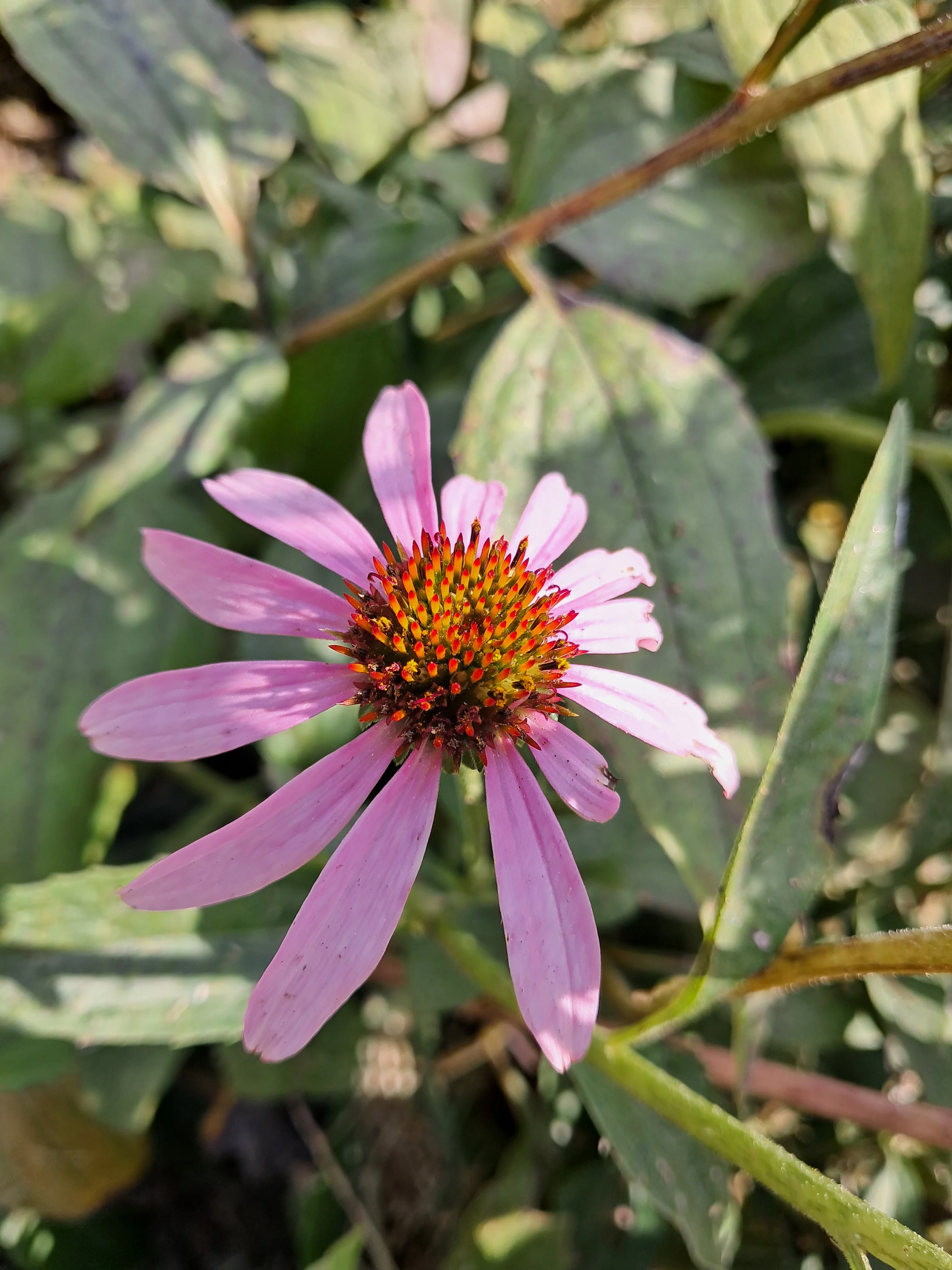
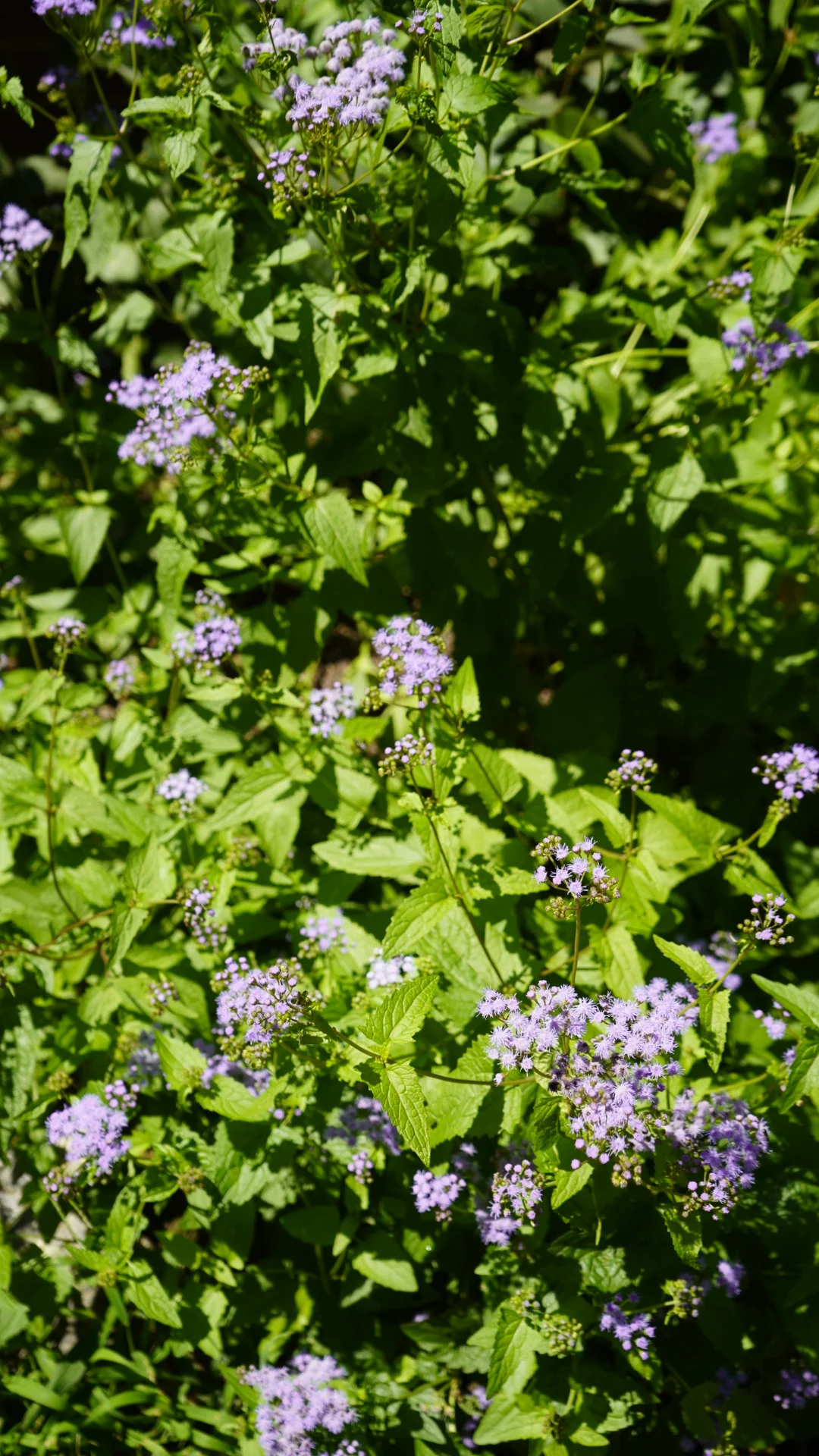
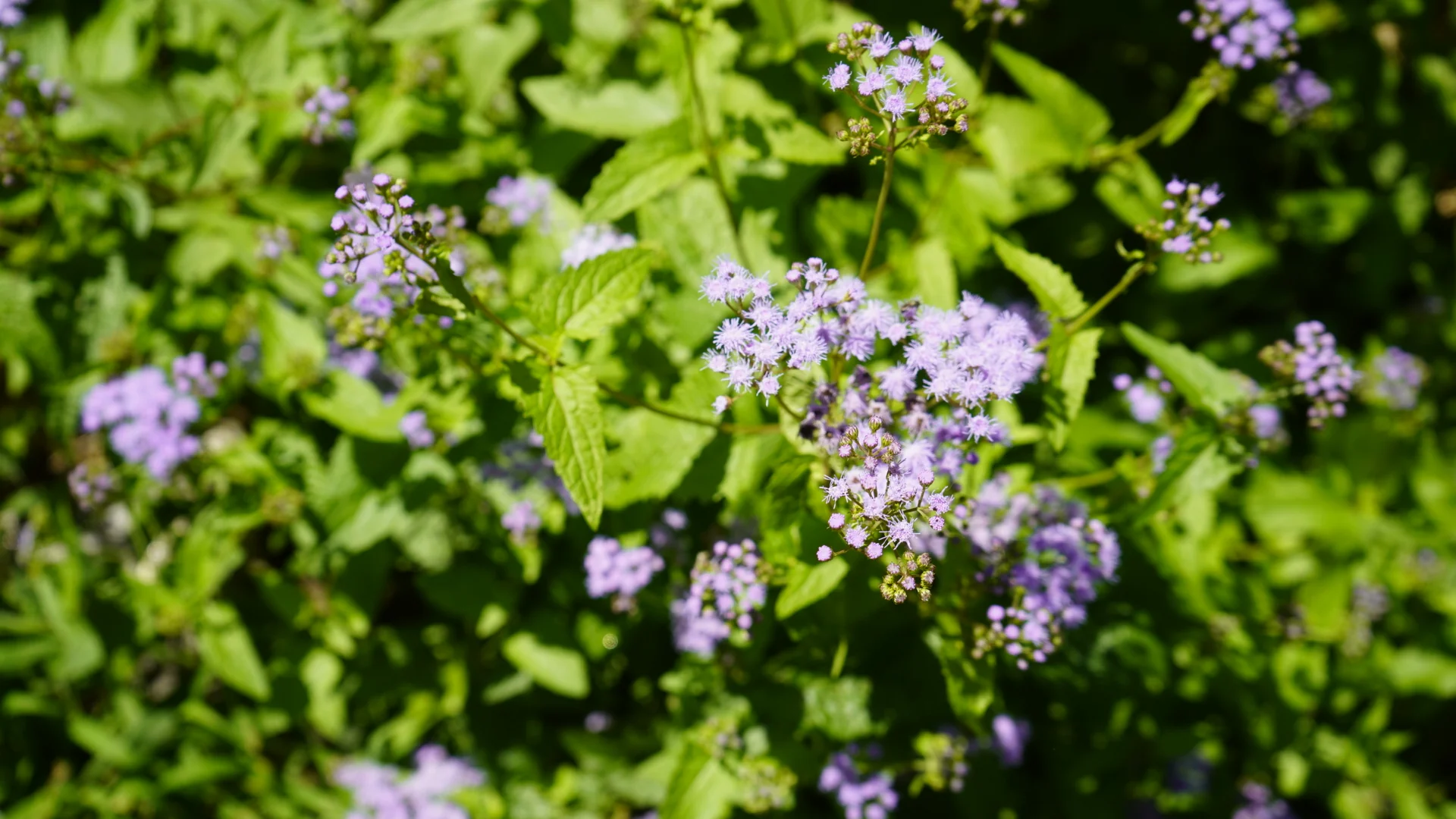
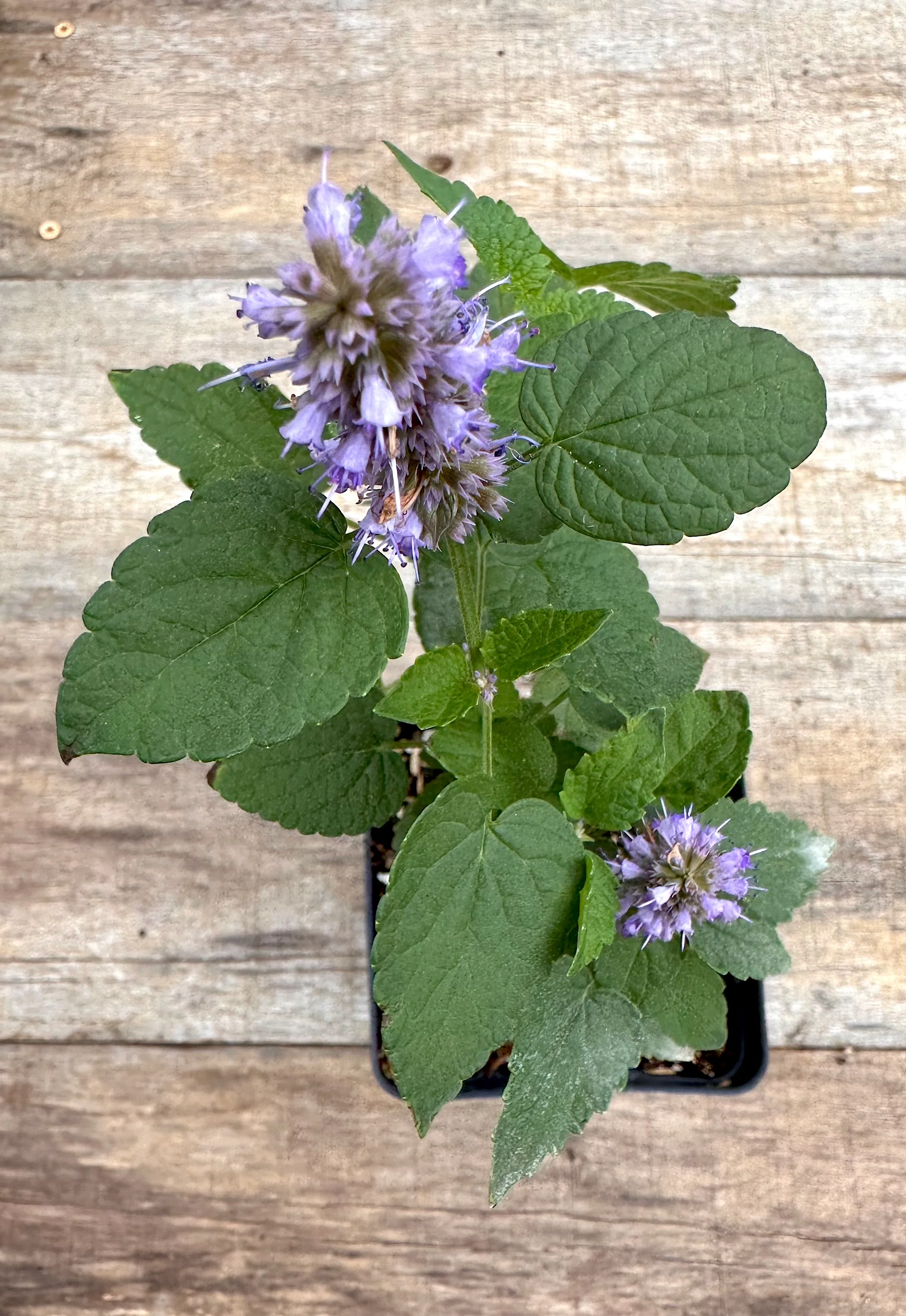
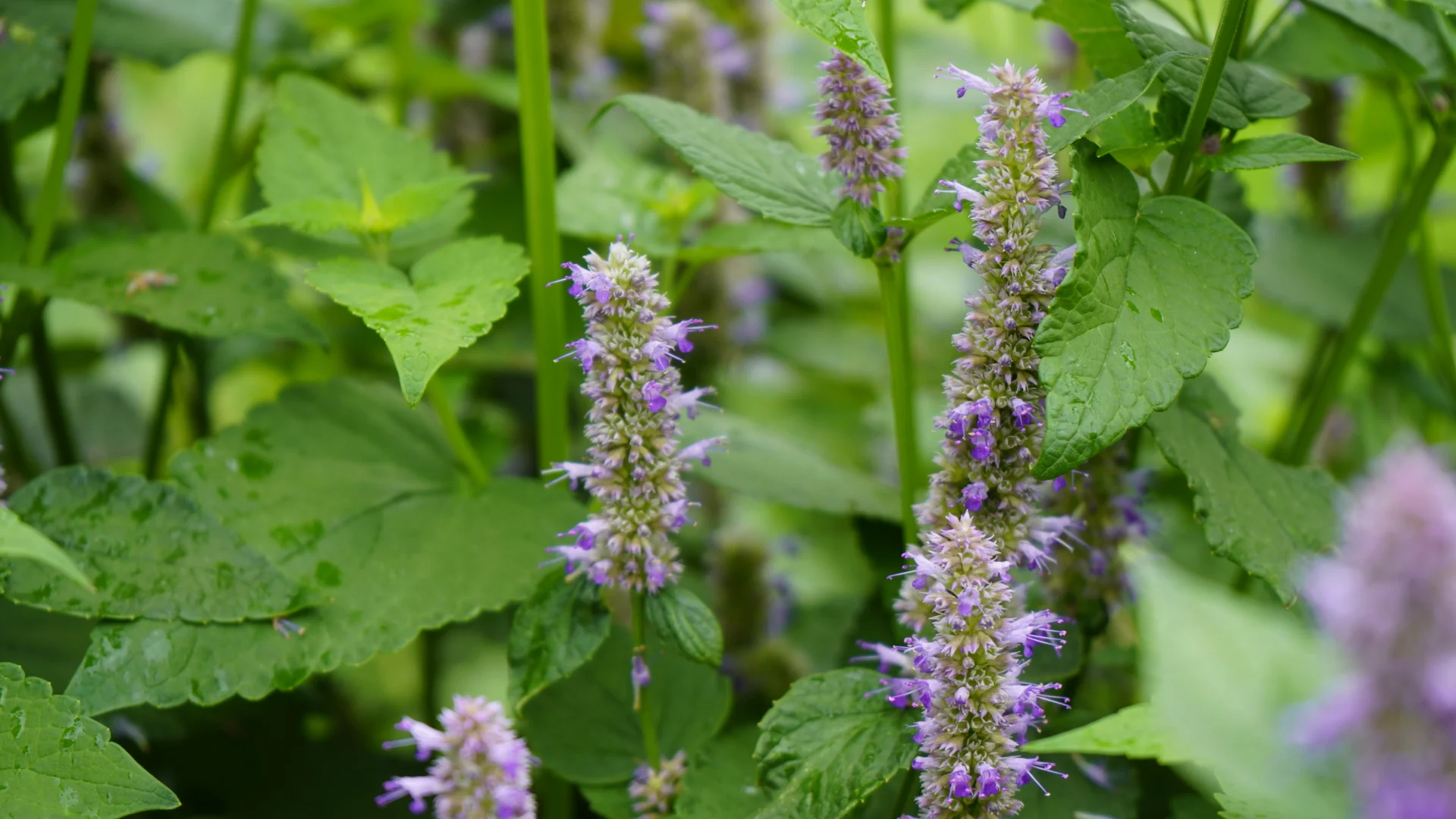
Lemon bee balm is one of the most reliable pollinator plants for warm-season gardens. Its stacked whorls of purple-lavender flowers draw in honeybees, native bees, butterflies, and other beneficial insects. It plays an important role in increasing pollinator activity in vegetable and herb systems.
Distinctive tiered blooms for visual structure
Unlike other Monarda species, M. citriodora produces unique layered flower clusters that create a striking architectural effect. This makes it especially useful in meadow plantings, wildflower gardens, and mixed borders where vertical interest and seasonal color are desired.
Adapted to dry, low-fertility soils
This species thrives in full sun and well-drained, even poor soils. It performs well in dry to medium conditions and is well-suited to meadow systems, pollinator strips, and low-input permaculture designs. It often self-seeds, allowing it to naturalize gently in the right conditions.
- Native range: Southern United States (Texas and surrounding regions)
- Plant life cycle: Annual (self-seeding)
- Sun requirements: Full sun
- Soil requirements: Dry to medium, well-drained
- Mature height: 12–30 inches
- Bloom time: May – August
- Bloom color: Lavender to purple
- USDA Hardiness zones: Grown as an annual in all zones
For best results, direct sow or transplant into full sun with well-drained soil. Allow some plants to go to seed to encourage natural reseeding, and integrate into pollinator plantings or meadow-style gardens for long-term presence.
Original: $4.25
-65%$4.25
$1.49Product Information
Product Information
Shipping & Returns
Shipping & Returns
Description
Bee Balm, Lemon (Monarda citriodora)
Lemon bee balm is an aromatic annual herb known for its citrus-scented foliage, tiered lavender blooms, and strong attraction to pollinators. Native to the southern United States, it thrives in heat and lean soils, making it an excellent addition to meadow plantings, herb gardens, and low-input systems. Its leaves and flowers are used for teas and herbal preparations, offering both flavor and function in the landscape.
Key Characteristics
Citrus-scented leaves for tea and herbal use
The leaves have a bright lemony aroma and are commonly used fresh or dried for herbal teas. Traditionally, they have been used for mild digestive support and as a calming infusion. The flavor is refreshing and uplifting, making it a favorite for summer tea blends.
Highly attractive to bees and beneficial insects
Lemon bee balm is one of the most reliable pollinator plants for warm-season gardens. Its stacked whorls of purple-lavender flowers draw in honeybees, native bees, butterflies, and other beneficial insects. It plays an important role in increasing pollinator activity in vegetable and herb systems.
Distinctive tiered blooms for visual structure
Unlike other Monarda species, M. citriodora produces unique layered flower clusters that create a striking architectural effect. This makes it especially useful in meadow plantings, wildflower gardens, and mixed borders where vertical interest and seasonal color are desired.
Adapted to dry, low-fertility soils
This species thrives in full sun and well-drained, even poor soils. It performs well in dry to medium conditions and is well-suited to meadow systems, pollinator strips, and low-input permaculture designs. It often self-seeds, allowing it to naturalize gently in the right conditions.
- Native range: Southern United States (Texas and surrounding regions)
- Plant life cycle: Annual (self-seeding)
- Sun requirements: Full sun
- Soil requirements: Dry to medium, well-drained
- Mature height: 12–30 inches
- Bloom time: May – August
- Bloom color: Lavender to purple
- USDA Hardiness zones: Grown as an annual in all zones
For best results, direct sow or transplant into full sun with well-drained soil. Allow some plants to go to seed to encourage natural reseeding, and integrate into pollinator plantings or meadow-style gardens for long-term presence.