Coneflower, Pale Purple
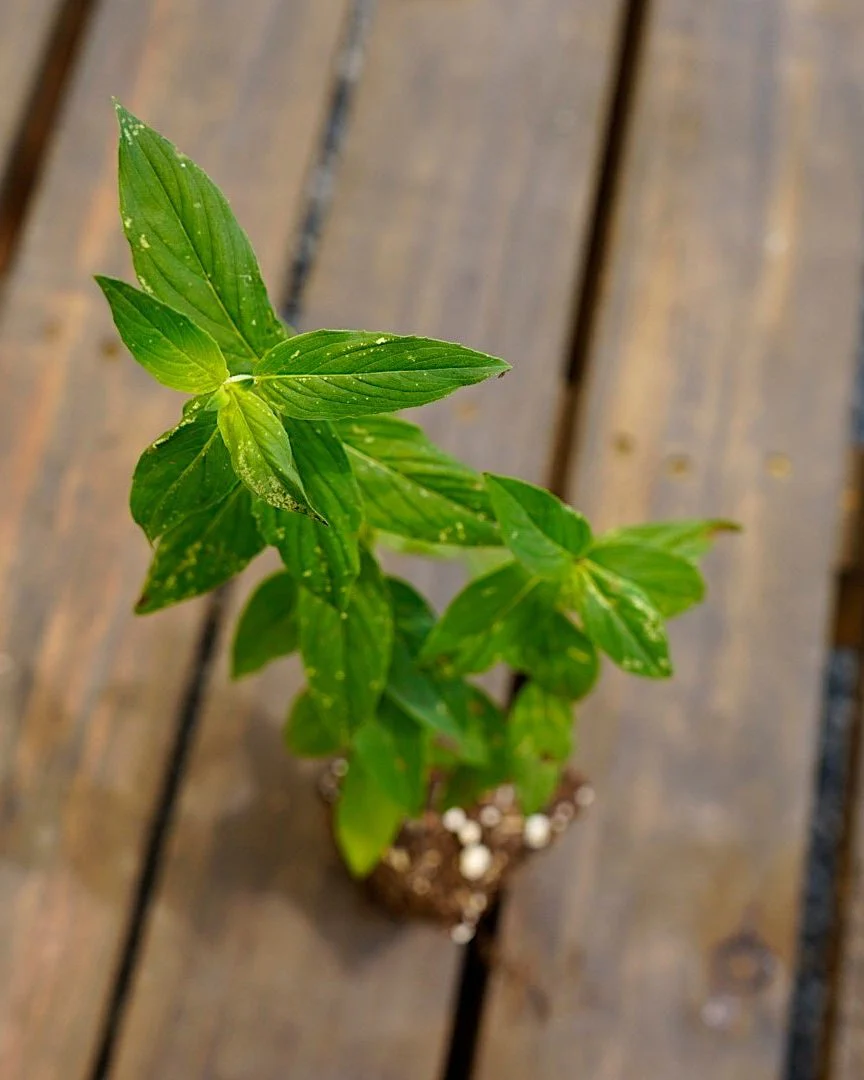
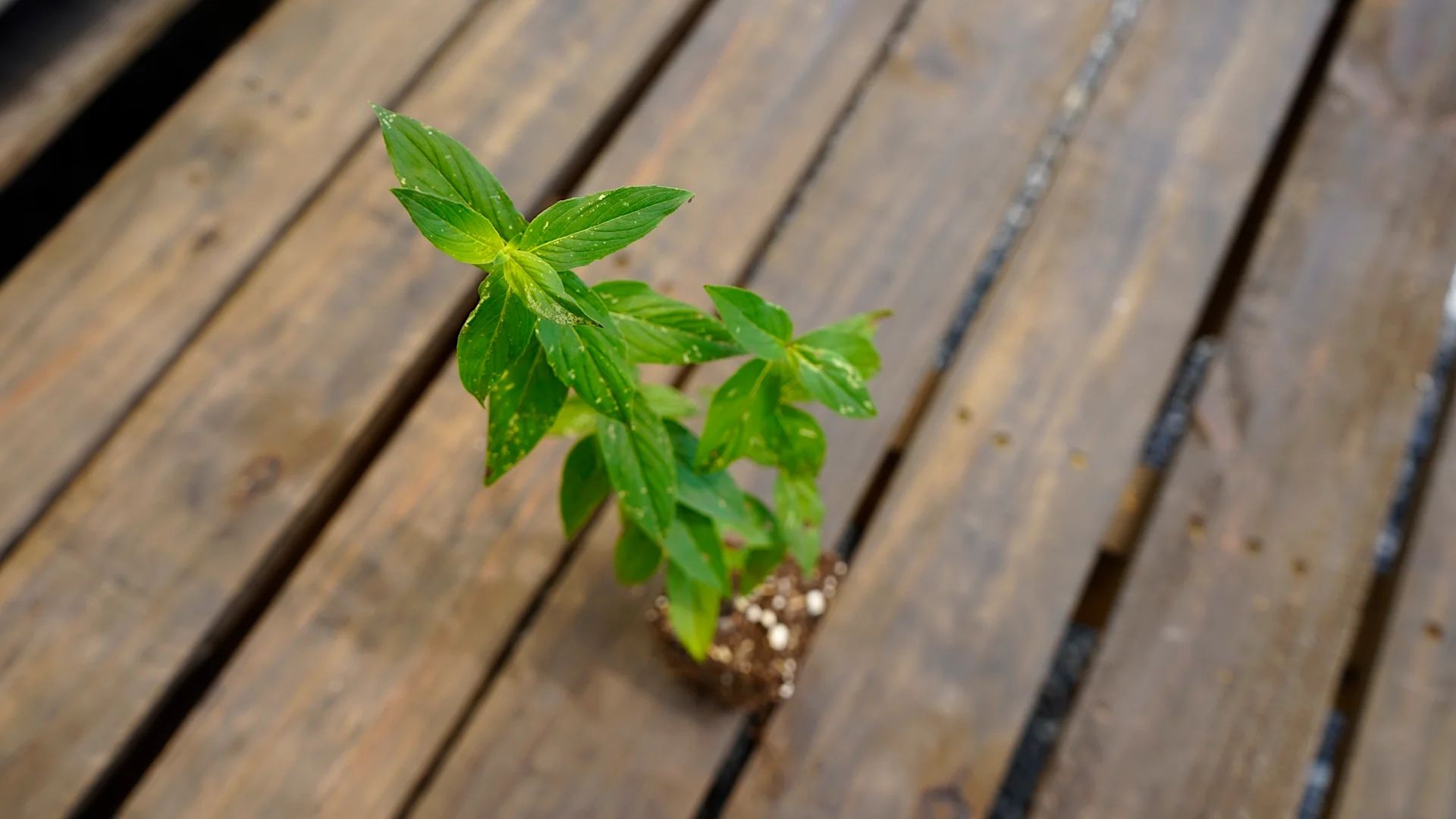
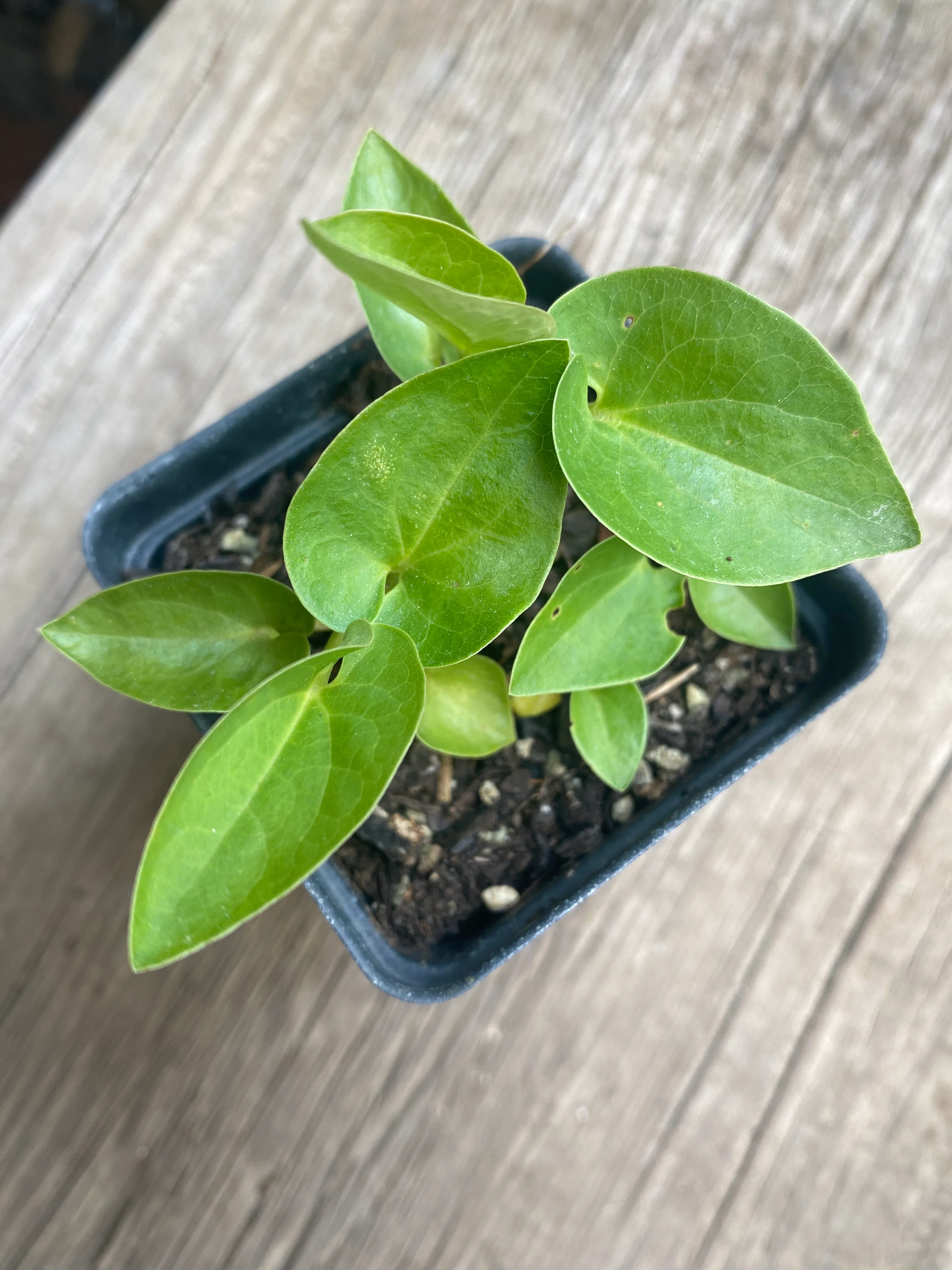
Pale Purple Coneflower (Echinacea pallida)
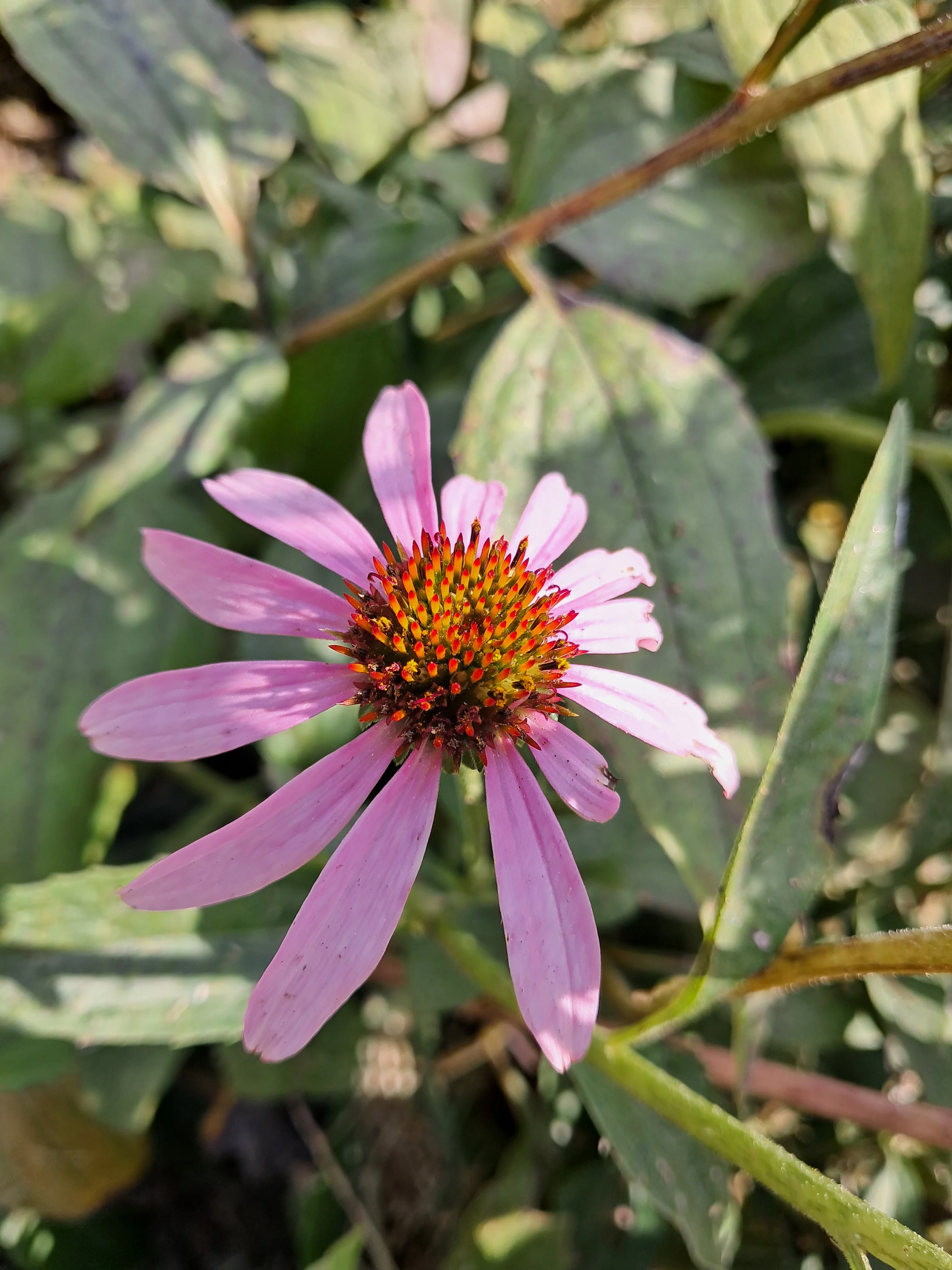
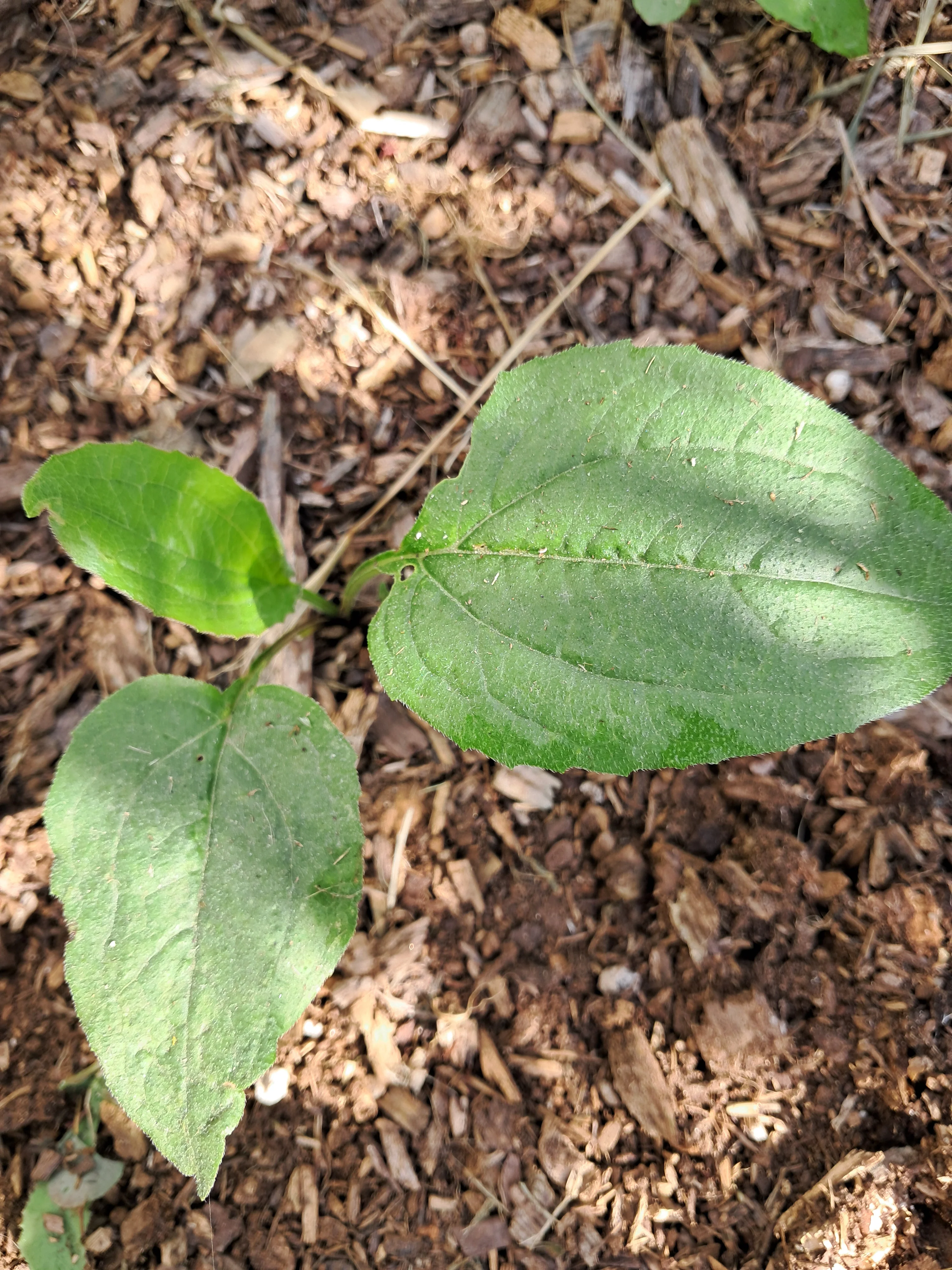
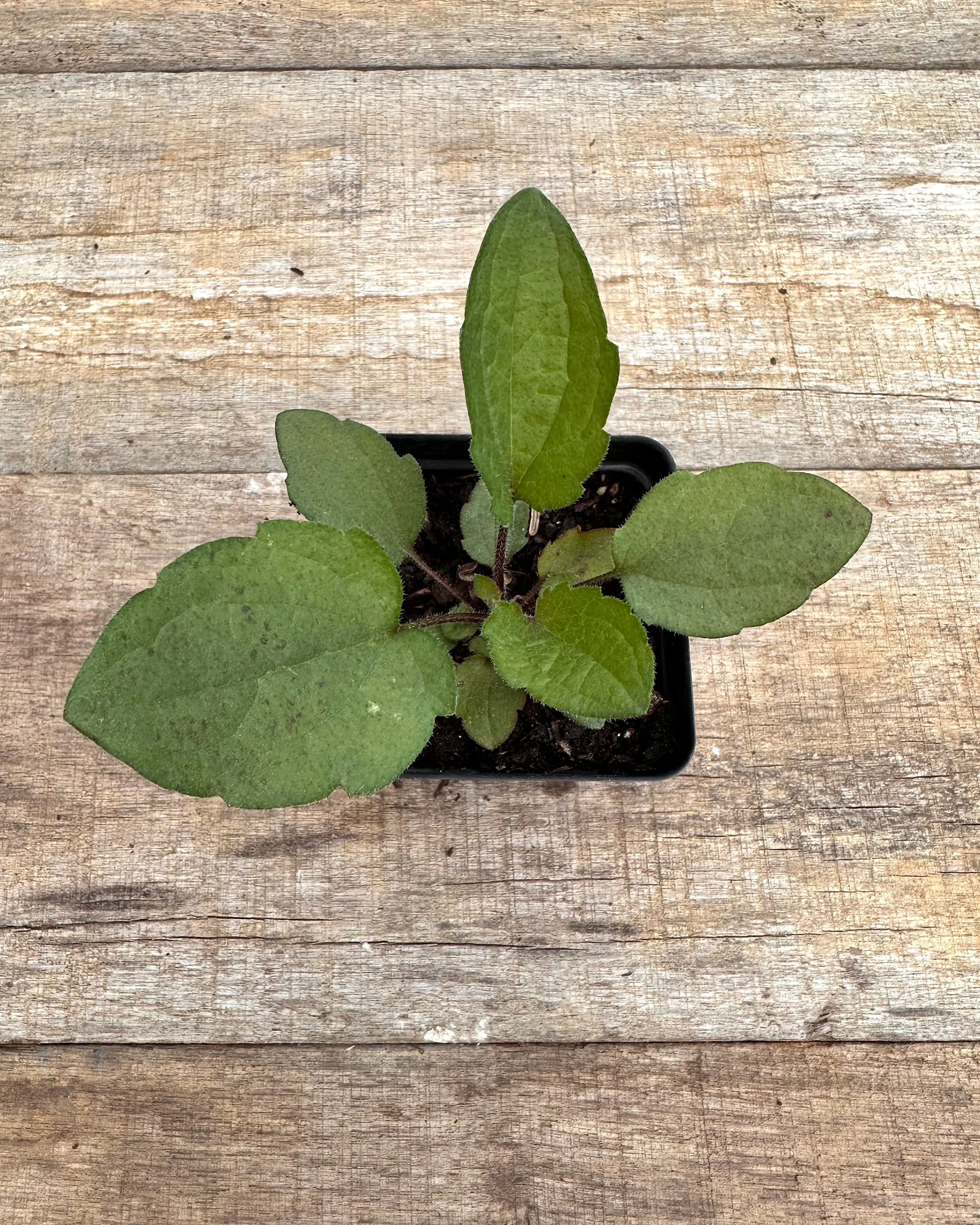
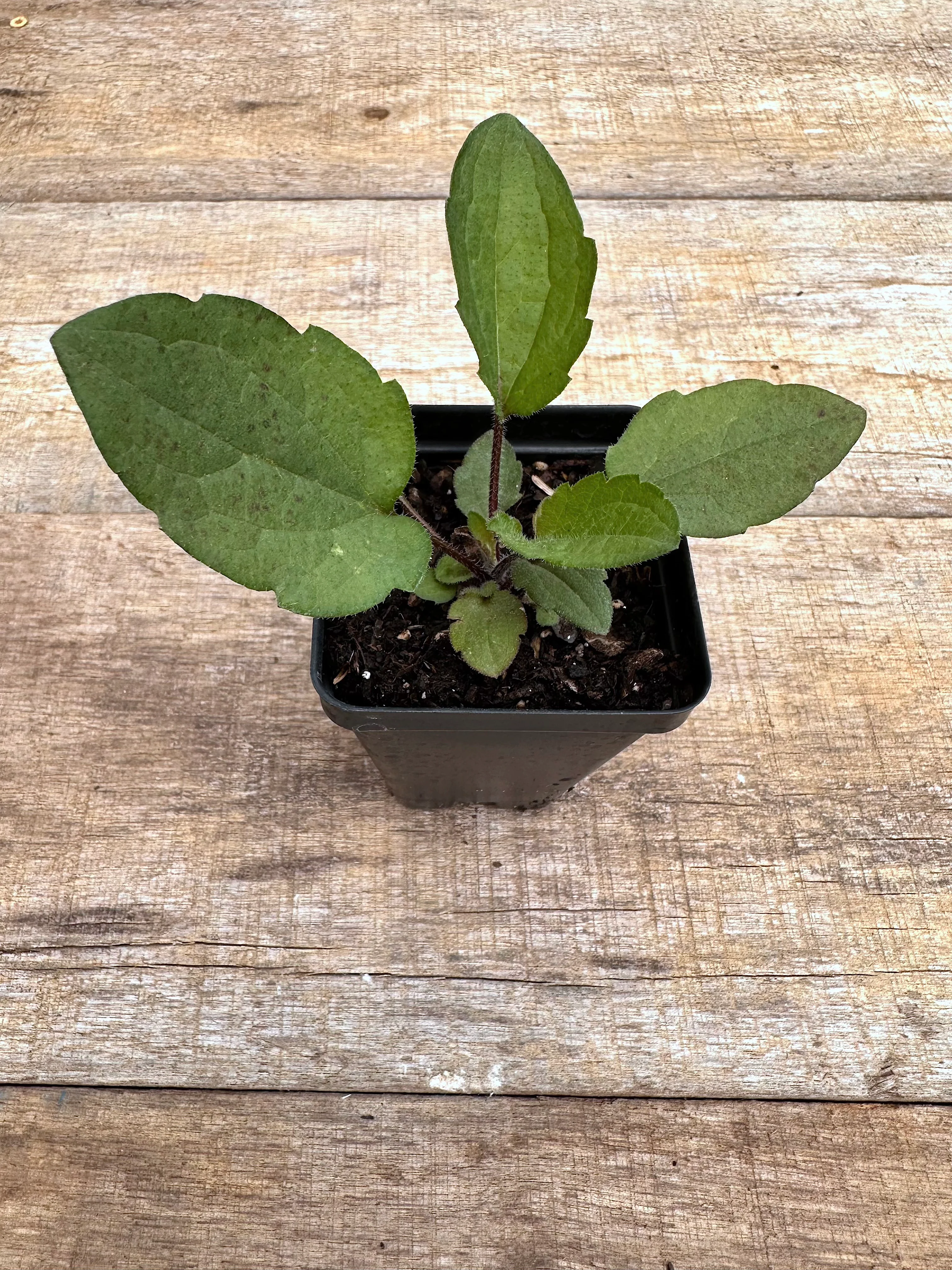
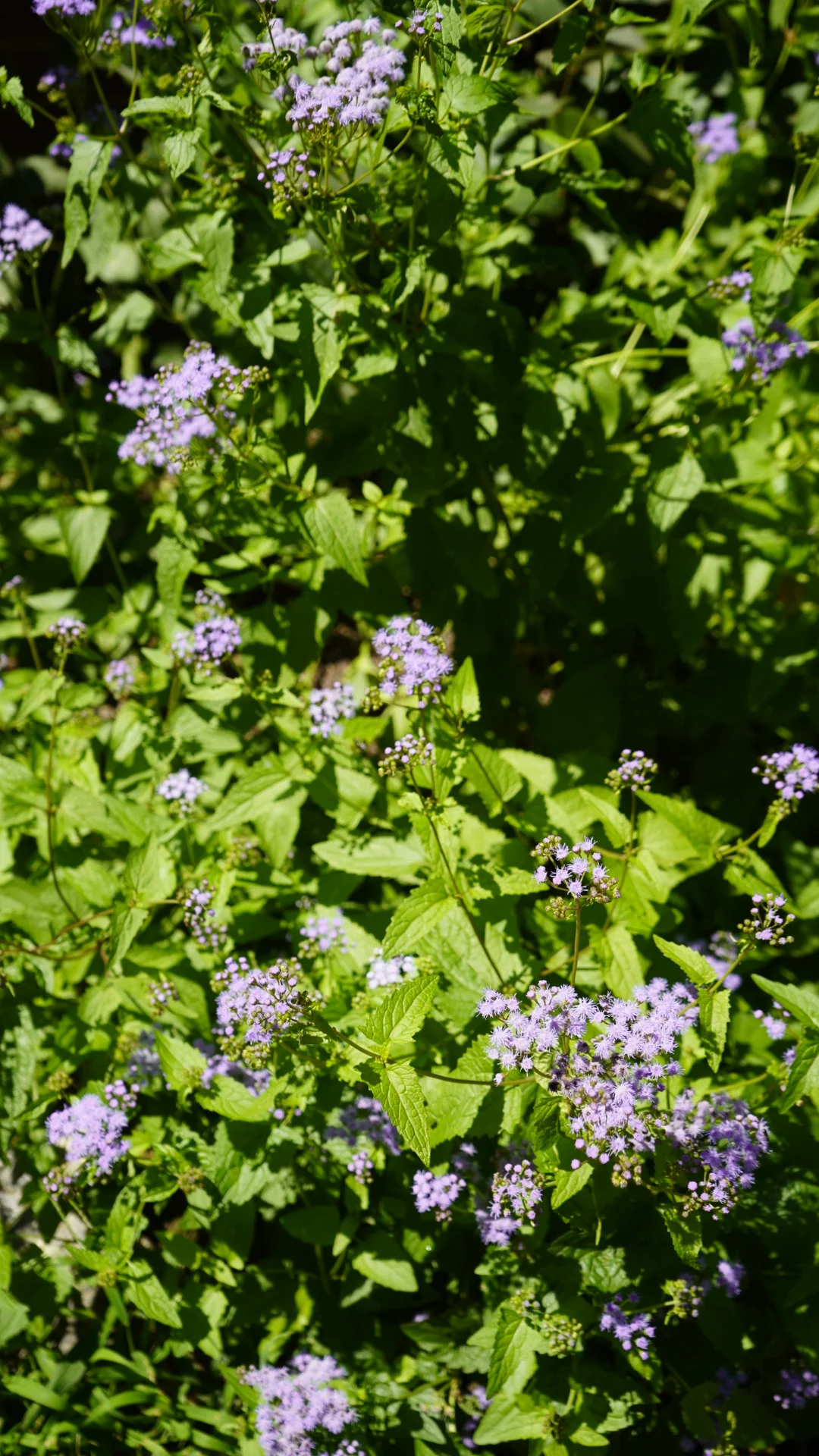
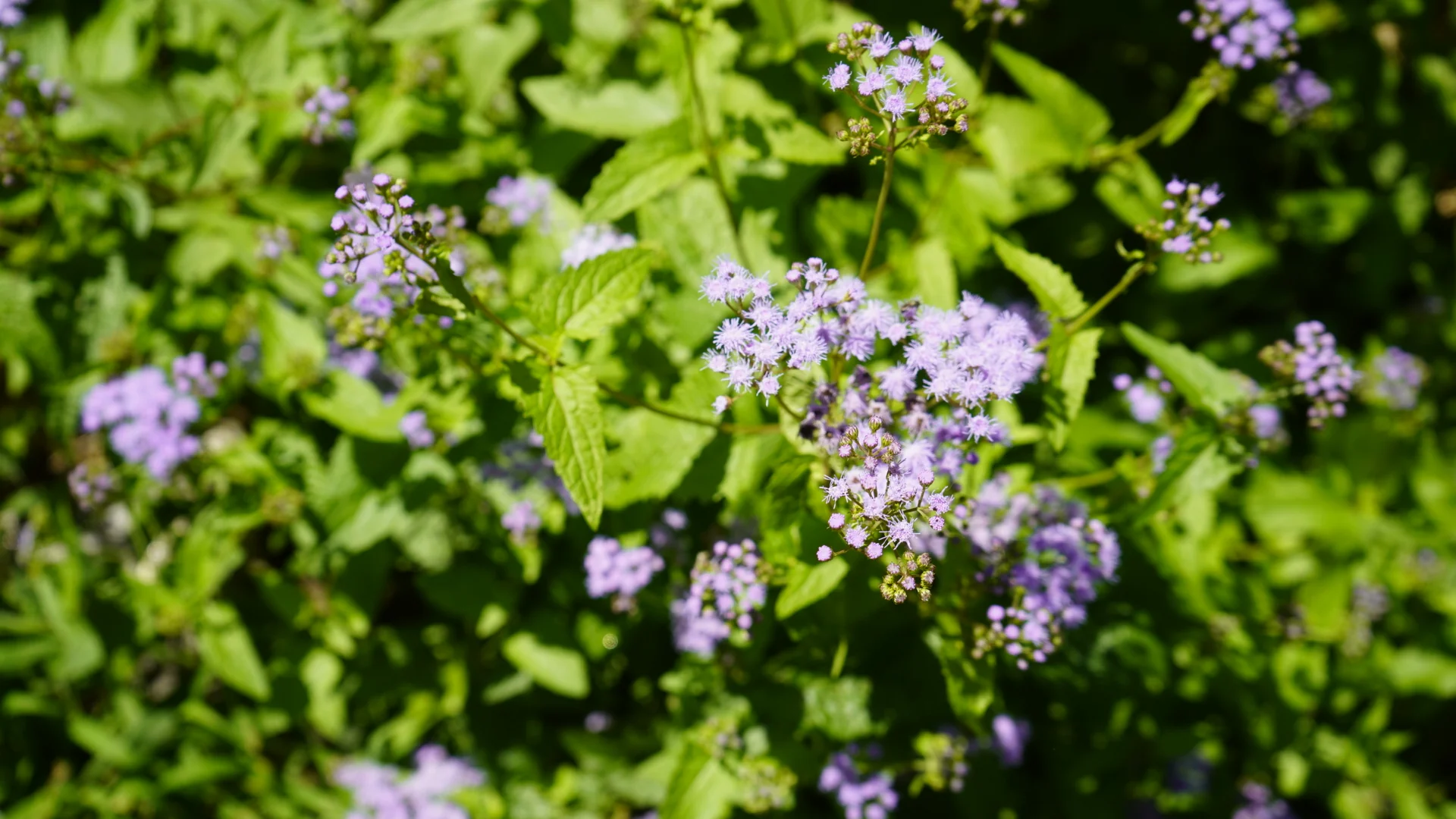
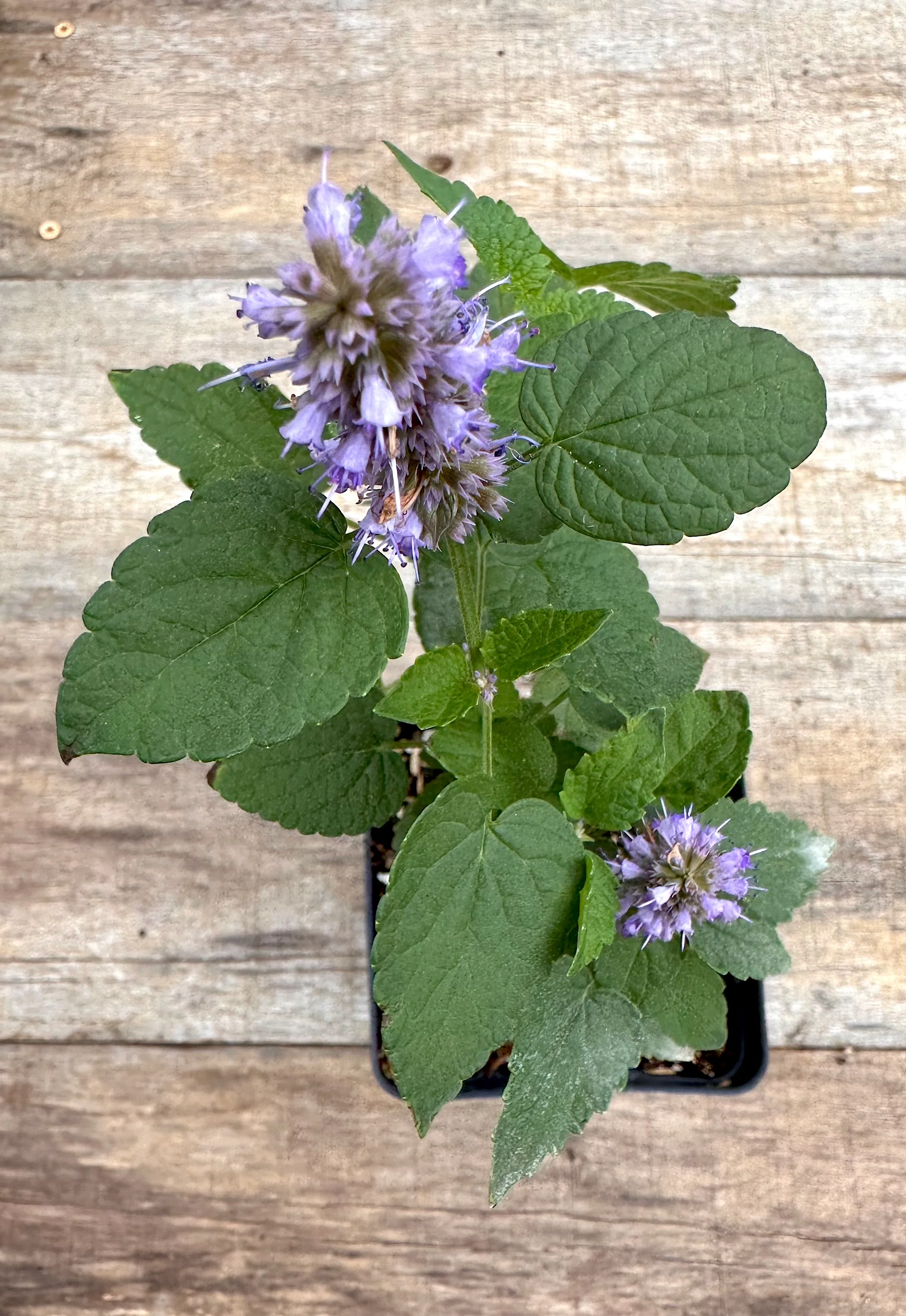
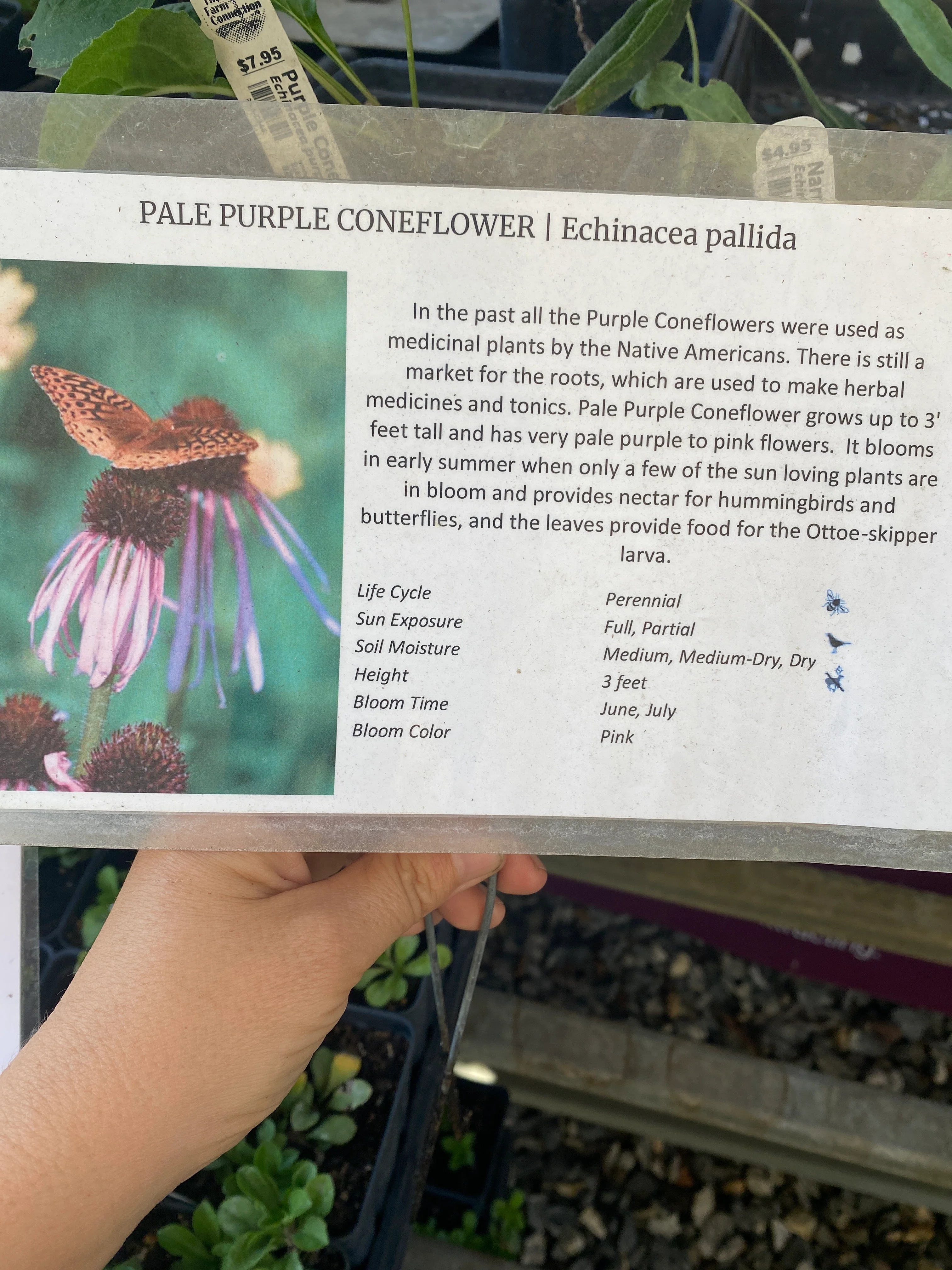
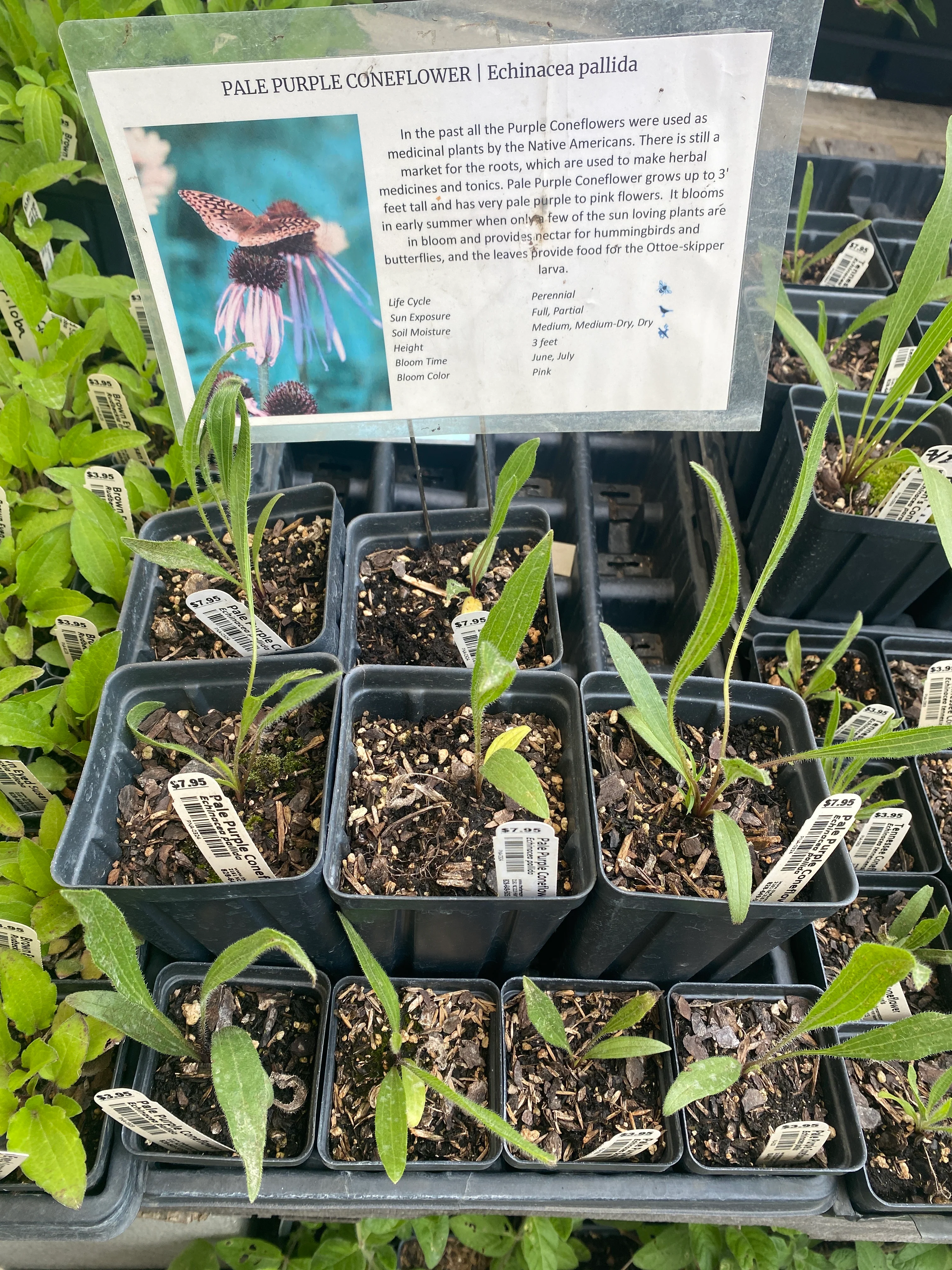
Pale Purple Coneflower is a striking native perennial known for its slender, drooping lavender petals and prominent central cone. This hardy wildflower supports pollinators, attracts beneficial insects, and has traditional medicinal uses. Its deep roots help prevent erosion and improve soil health, making it a valuable addition to prairies, meadows, and pollinator gardens. The roots and leaves of this plant have long been used in herbal remedies, particularly to boost immune health and reduce inflammation.
Key Characteristics:
-
Supports Pollinators and Beneficial Insects
Pale Purple Coneflower blooms from June to July, providing a rich nectar source for bees, butterflies, and moths. Its prominent cone attracts beneficial insects such as beetles and wasps, which help maintain garden health and biodiversity by controlling pests. -
Wildlife Food Source
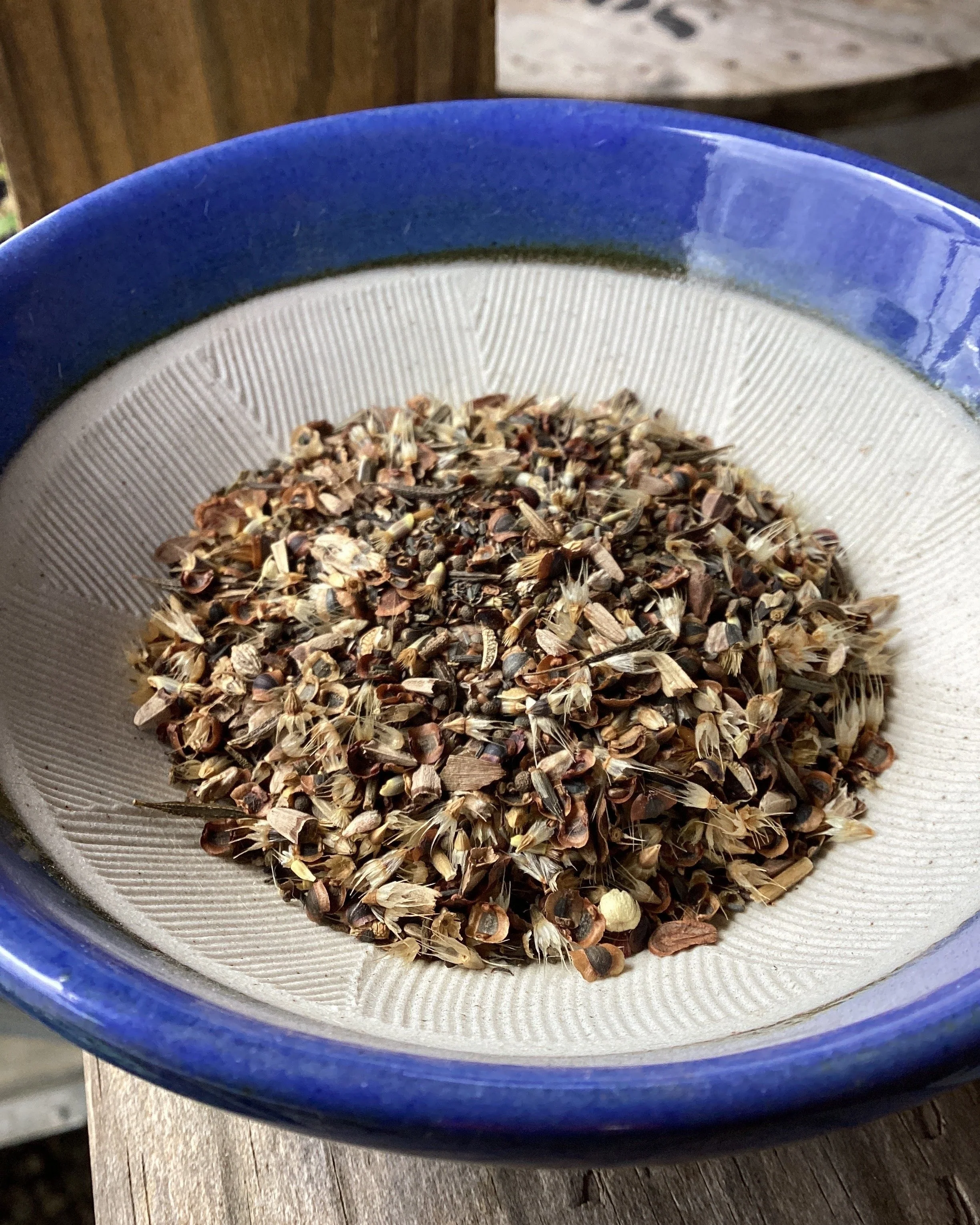
As the flowers fade, the seed heads of Pale Purple Coneflower become a vital food source for birds like goldfinches, who rely on the seeds through late summer and fall. This makes it an excellent choice for wildlife-friendly gardens. -
Traditional Medicinal Uses for Immune Support
The roots and leaves of Pale Purple Coneflower have been used in traditional medicine for their immune-boosting properties. Commonly prepared as teas or tinctures, they are believed to enhance immune function, reduce inflammation, and alleviate cold symptoms. The plant is also known for its antibacterial and antiviral properties. -
Improves Soil Health and Prevents Erosion
With its deep taproot, Pale Purple Coneflower helps stabilize soil and prevent erosion, particularly on slopes or in poor soil conditions. Its long-lasting roots improve soil structure and water retention, making it a valuable addition to meadows or prairies aiming to restore healthy soil ecosystems. -
Perfect for Prairies, Meadows, and Pollinator Gardens
Thriving in sunny, well-drained areas, Pale Purple Coneflower is a standout addition to native plant gardens, prairies, and pollinator habitats. Its long bloom time and ecological benefits make it ideal for wildlife gardens, where it supports both insect and bird species.
Product Details:
- Native range: Central and Eastern U.S.
- Life cycle: Perennial
- Sun requirements: Full sun
- Soil requirements: Dry to medium, well-drained soils
- Mature height: 2-4 feet
- Bloom time: June to July
- Bloom color: Pale lavender to pink
- USDA Hardiness zones: 3-8
Pale Purple Coneflower is a pollinator-friendly plant that supports wildlife, improves soil health, and offers traditional medicinal benefits. Perfect for prairies, meadows, and pollinator gardens.
Original: $4.25
-65%$4.25
$1.49Product Information
Product Information
Shipping & Returns
Shipping & Returns
Description
Pale Purple Coneflower (Echinacea pallida)
Pale Purple Coneflower is a striking native perennial known for its slender, drooping lavender petals and prominent central cone. This hardy wildflower supports pollinators, attracts beneficial insects, and has traditional medicinal uses. Its deep roots help prevent erosion and improve soil health, making it a valuable addition to prairies, meadows, and pollinator gardens. The roots and leaves of this plant have long been used in herbal remedies, particularly to boost immune health and reduce inflammation.
Key Characteristics:
-
Supports Pollinators and Beneficial Insects
Pale Purple Coneflower blooms from June to July, providing a rich nectar source for bees, butterflies, and moths. Its prominent cone attracts beneficial insects such as beetles and wasps, which help maintain garden health and biodiversity by controlling pests. -
Wildlife Food Source
As the flowers fade, the seed heads of Pale Purple Coneflower become a vital food source for birds like goldfinches, who rely on the seeds through late summer and fall. This makes it an excellent choice for wildlife-friendly gardens. -
Traditional Medicinal Uses for Immune Support
The roots and leaves of Pale Purple Coneflower have been used in traditional medicine for their immune-boosting properties. Commonly prepared as teas or tinctures, they are believed to enhance immune function, reduce inflammation, and alleviate cold symptoms. The plant is also known for its antibacterial and antiviral properties. -
Improves Soil Health and Prevents Erosion
With its deep taproot, Pale Purple Coneflower helps stabilize soil and prevent erosion, particularly on slopes or in poor soil conditions. Its long-lasting roots improve soil structure and water retention, making it a valuable addition to meadows or prairies aiming to restore healthy soil ecosystems. -
Perfect for Prairies, Meadows, and Pollinator Gardens
Thriving in sunny, well-drained areas, Pale Purple Coneflower is a standout addition to native plant gardens, prairies, and pollinator habitats. Its long bloom time and ecological benefits make it ideal for wildlife gardens, where it supports both insect and bird species.
Product Details:
- Native range: Central and Eastern U.S.
- Life cycle: Perennial
- Sun requirements: Full sun
- Soil requirements: Dry to medium, well-drained soils
- Mature height: 2-4 feet
- Bloom time: June to July
- Bloom color: Pale lavender to pink
- USDA Hardiness zones: 3-8
Pale Purple Coneflower is a pollinator-friendly plant that supports wildlife, improves soil health, and offers traditional medicinal benefits. Perfect for prairies, meadows, and pollinator gardens.