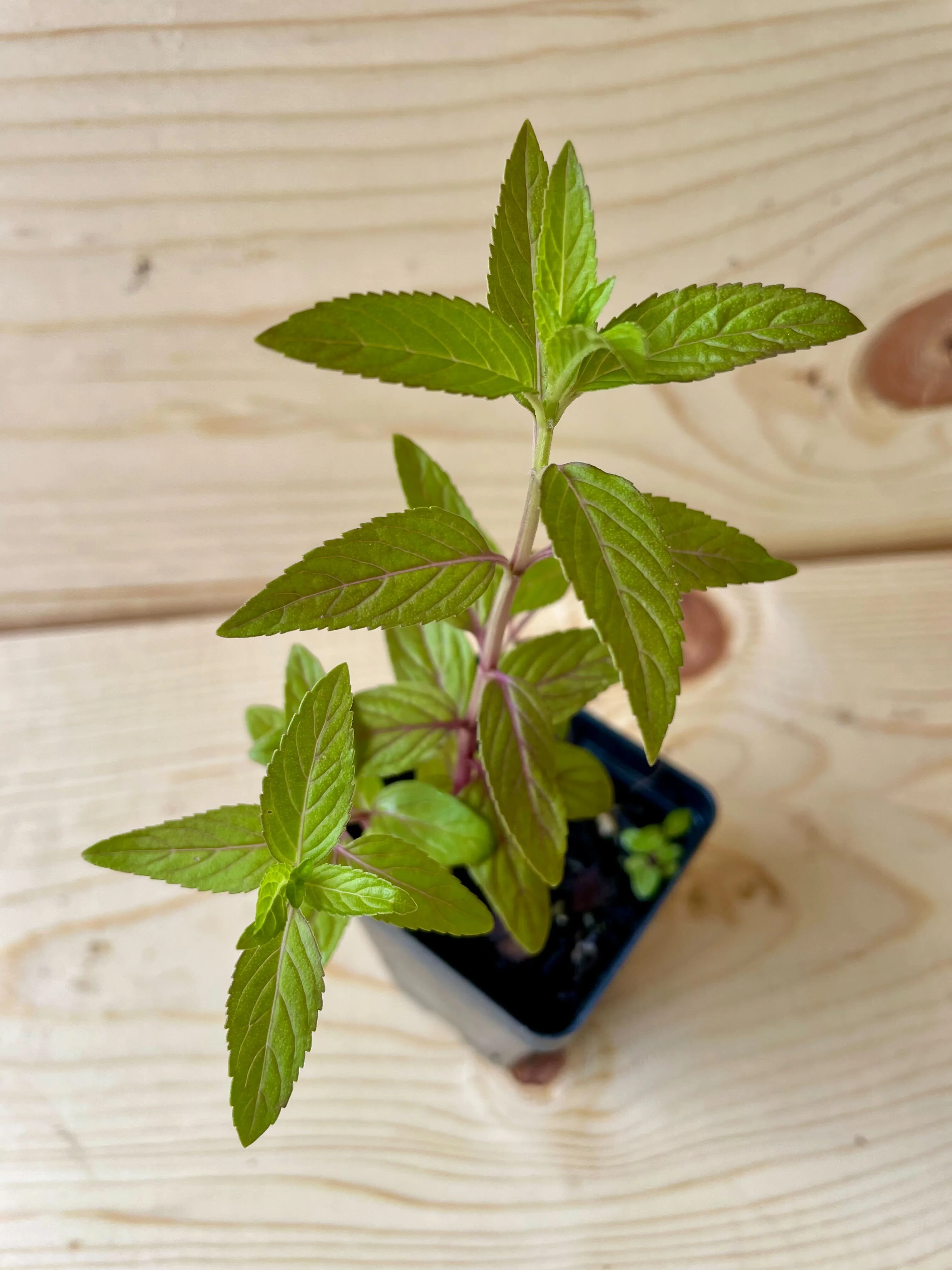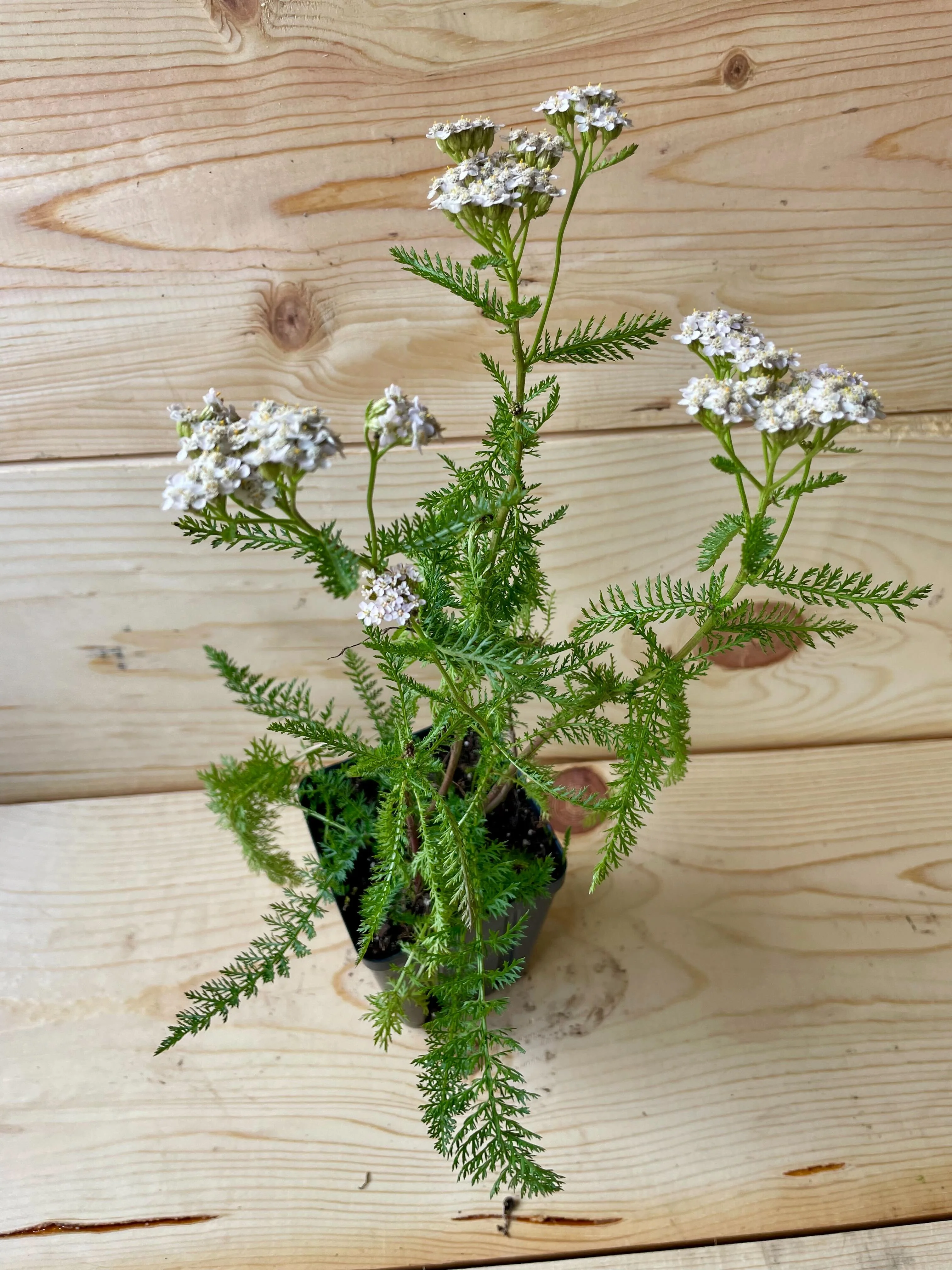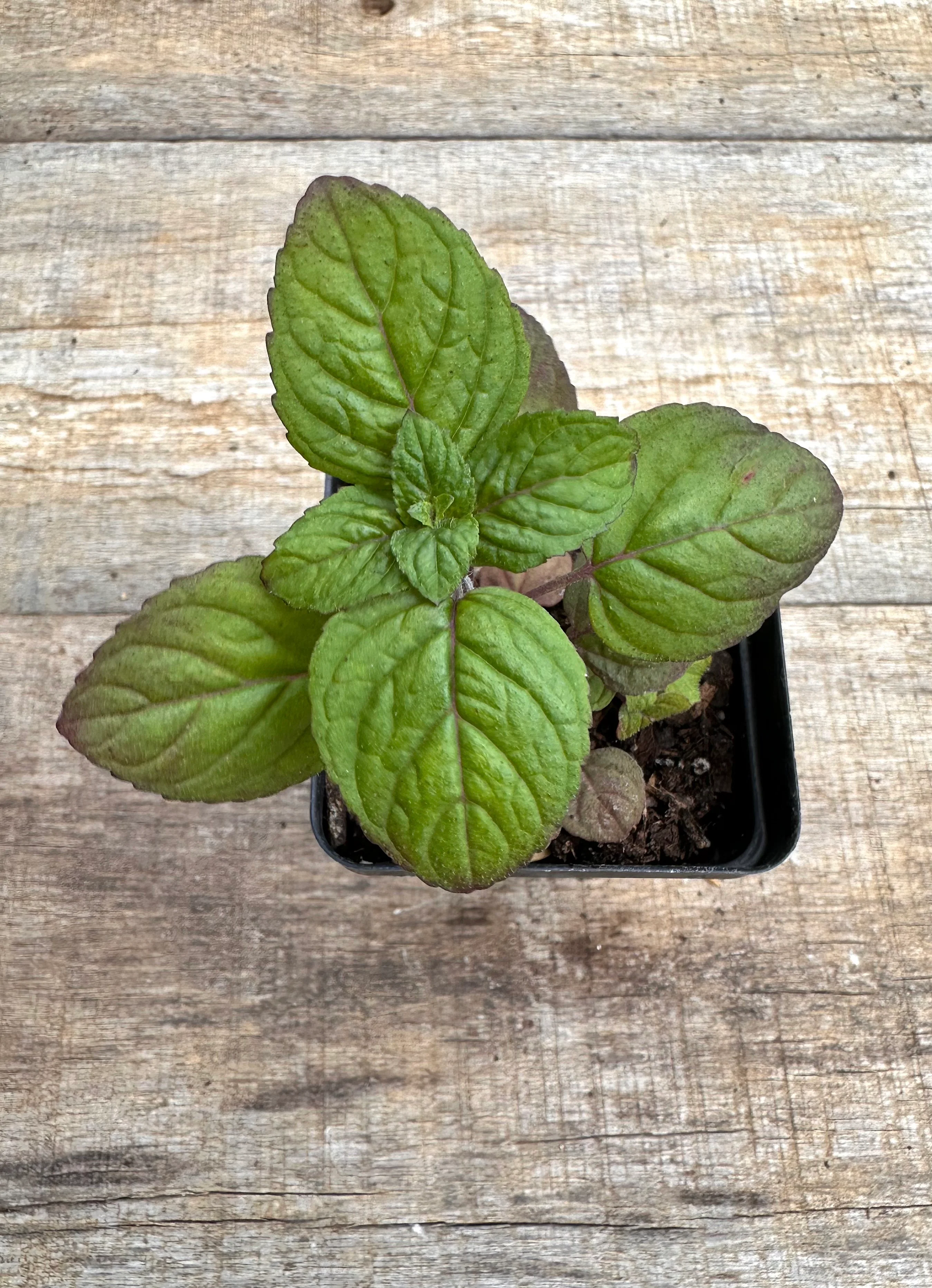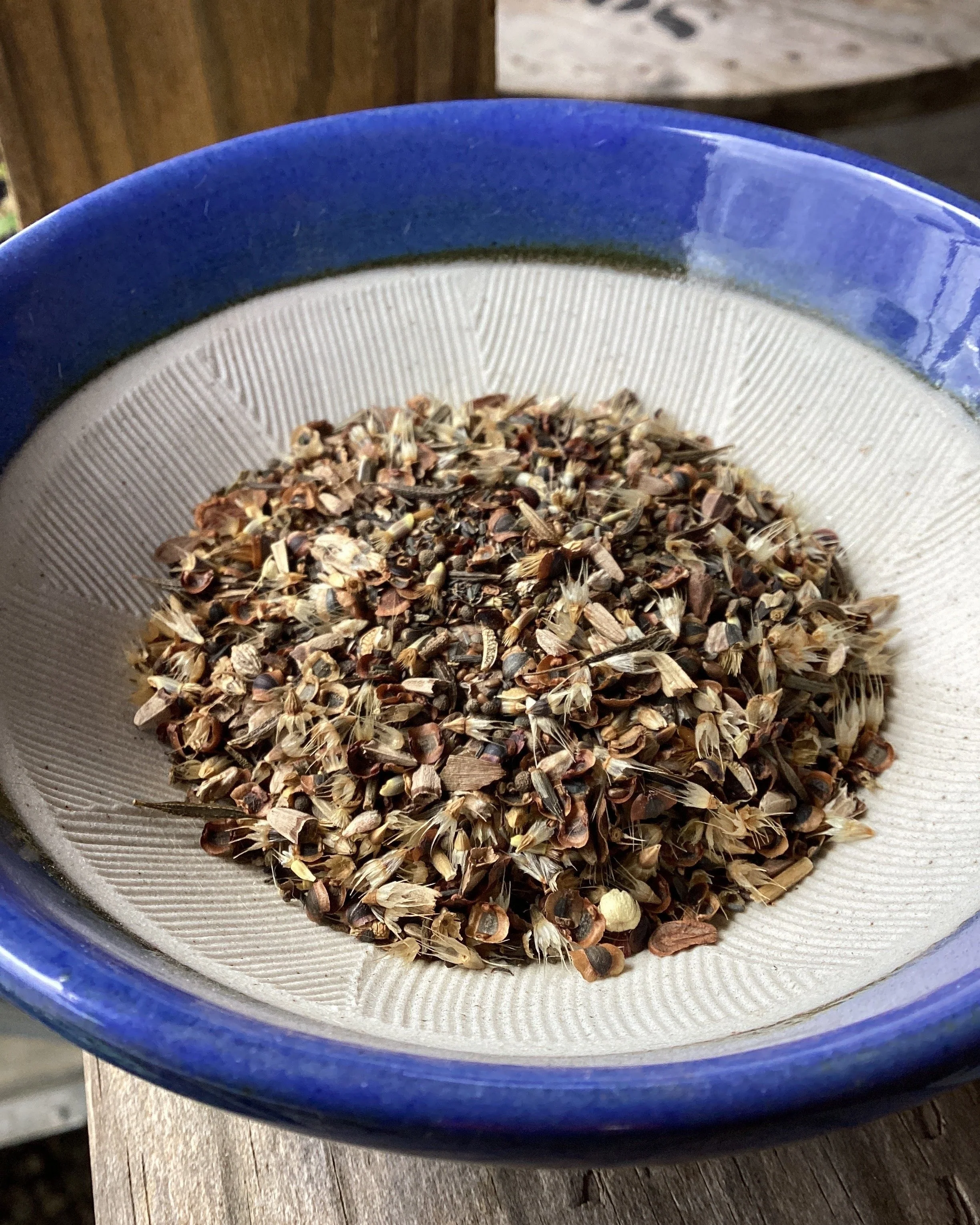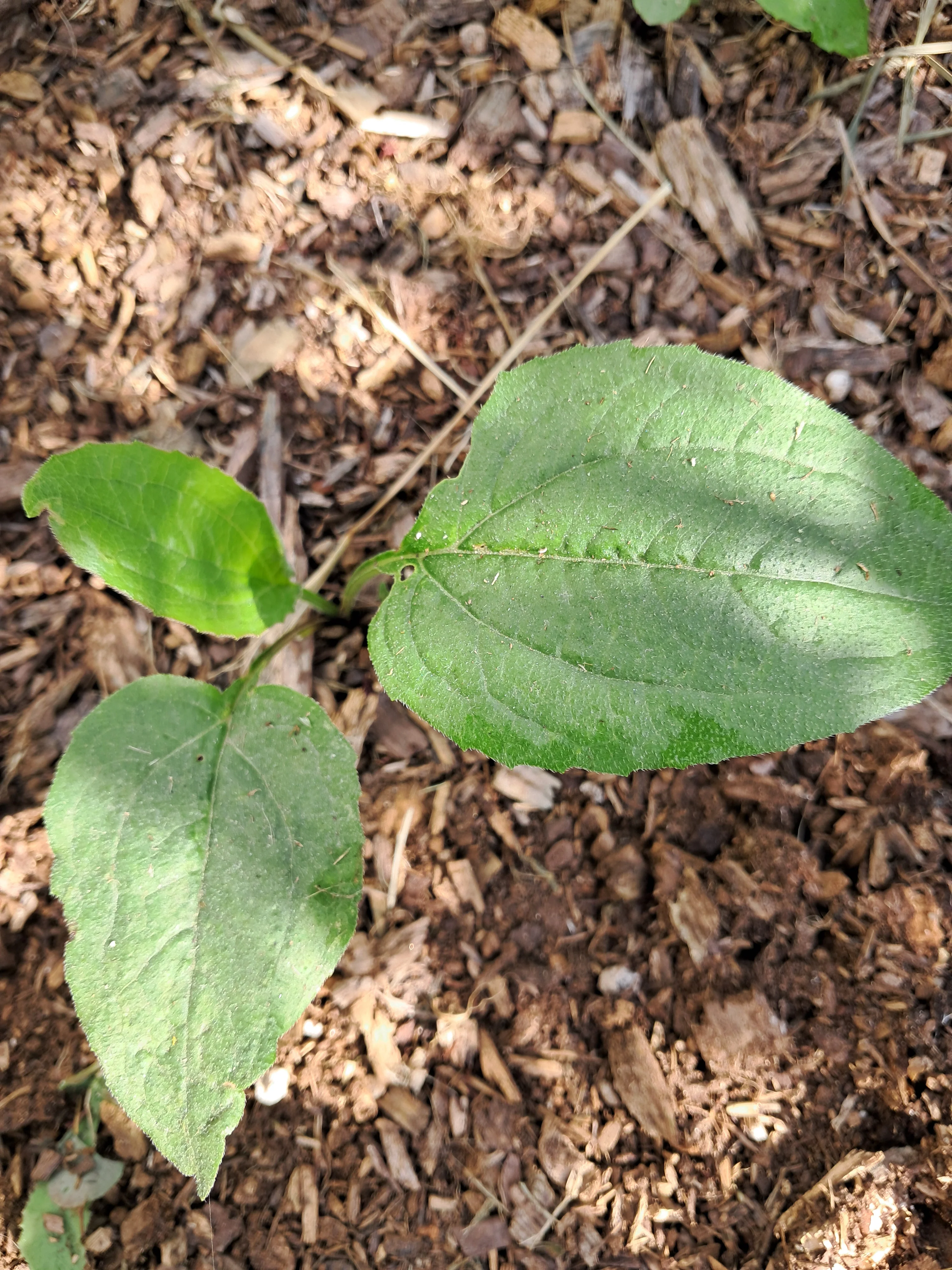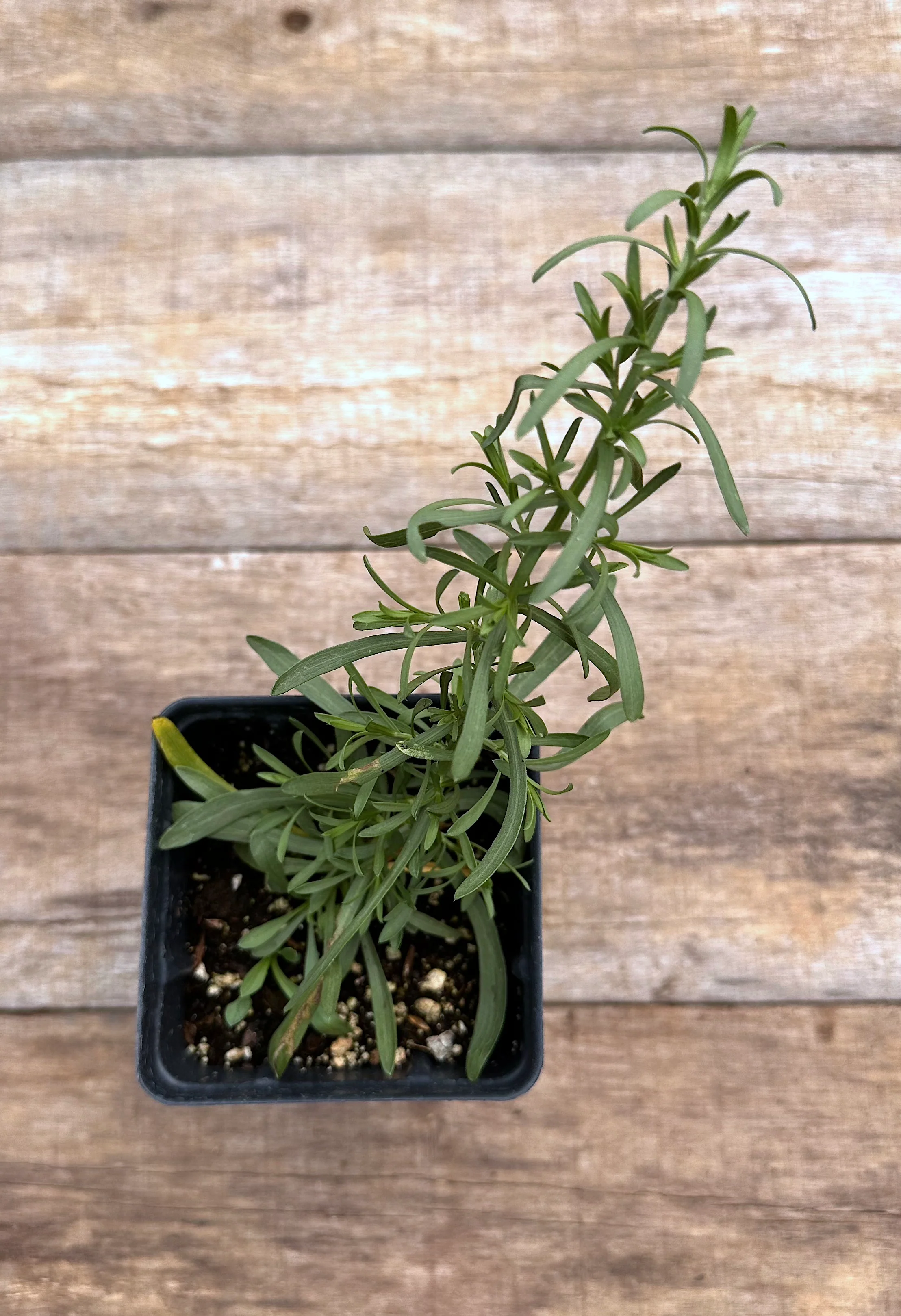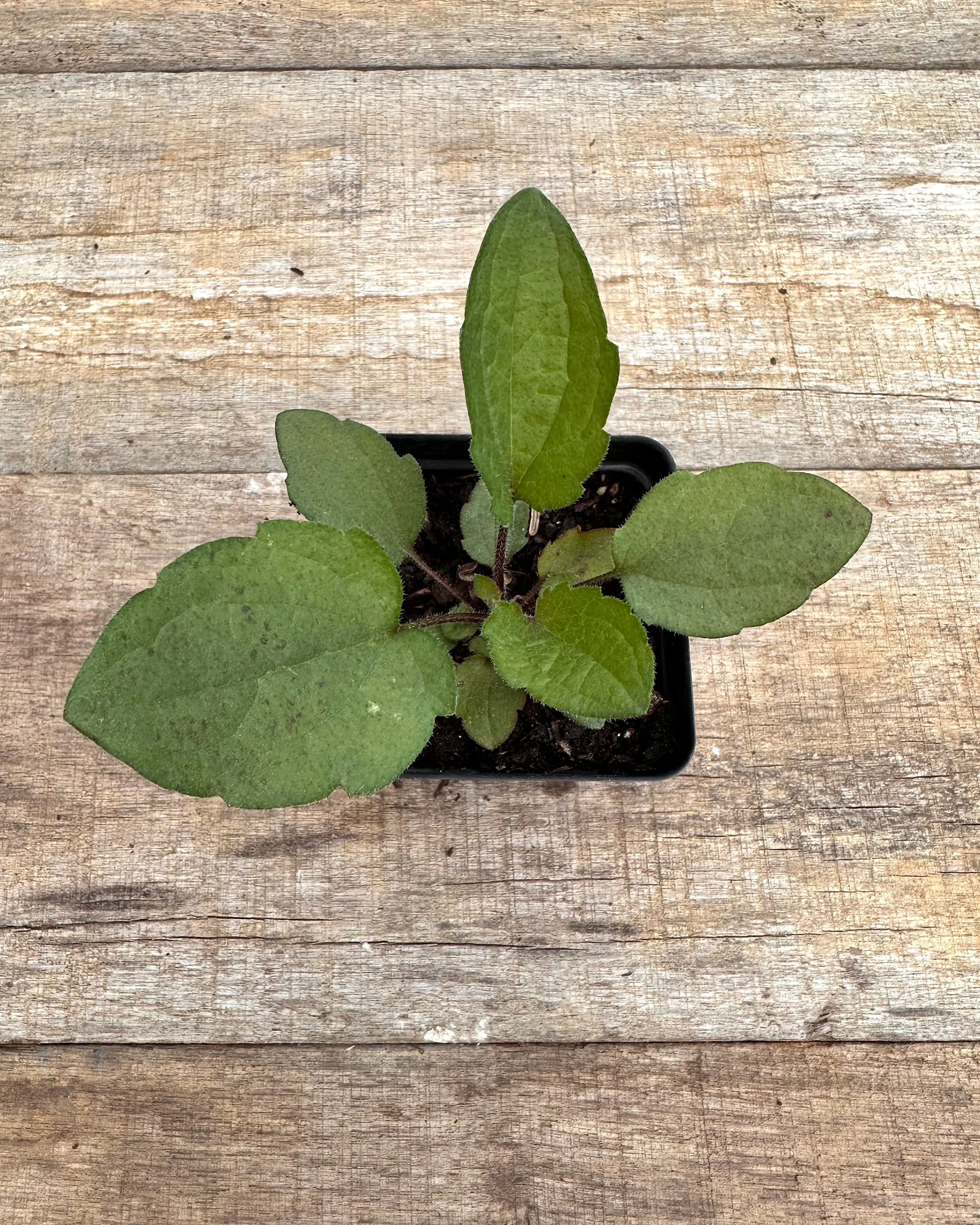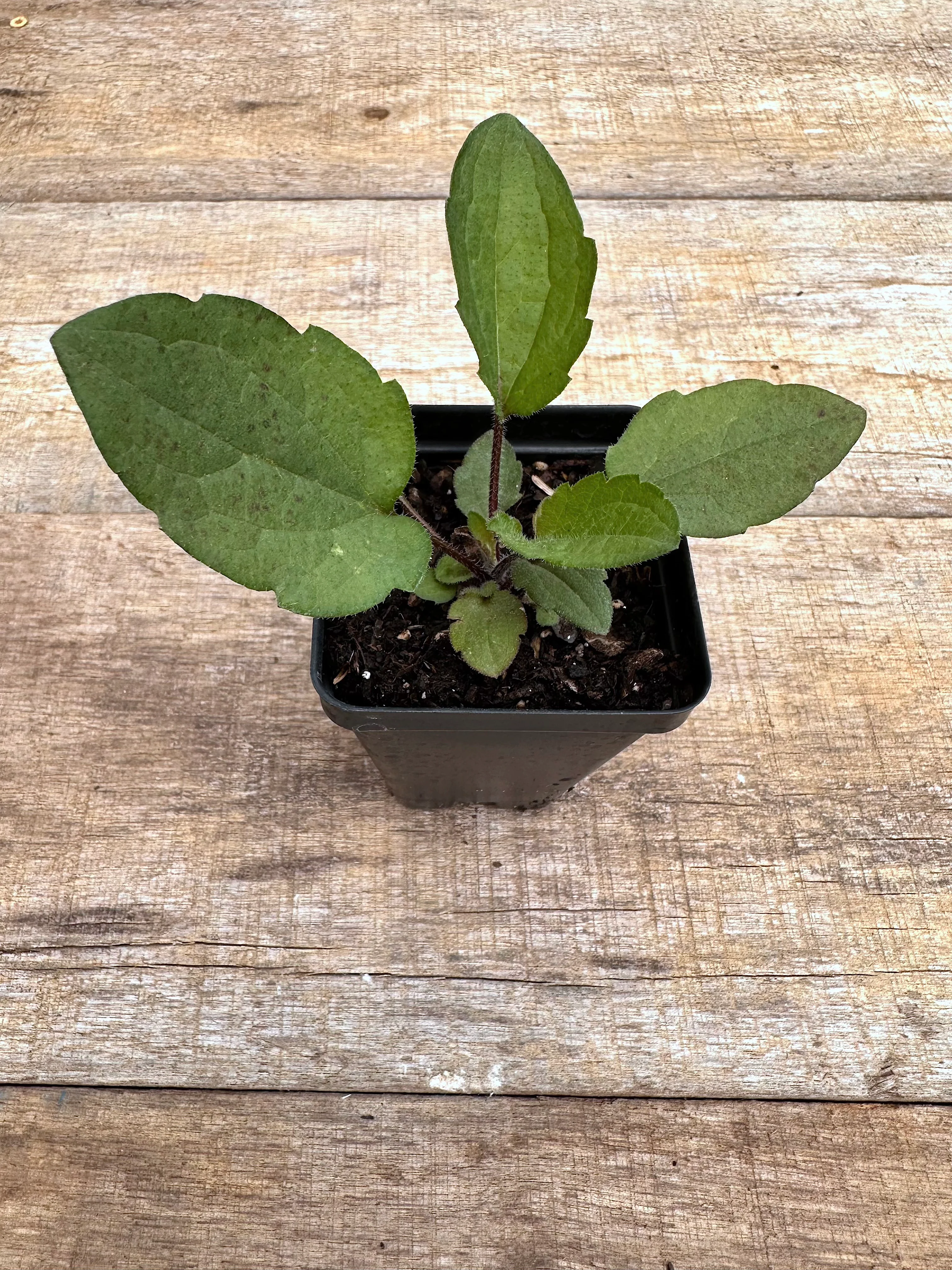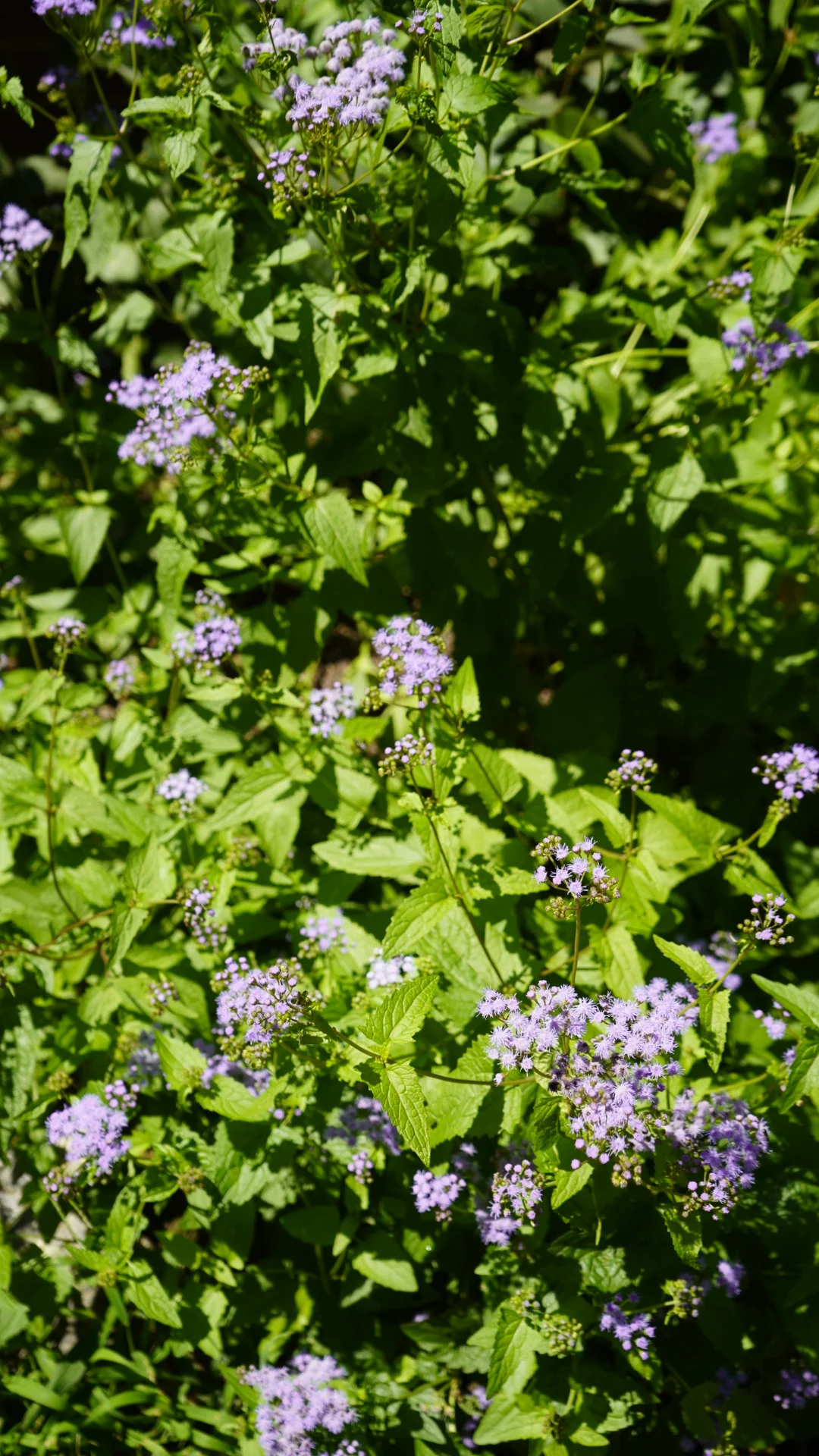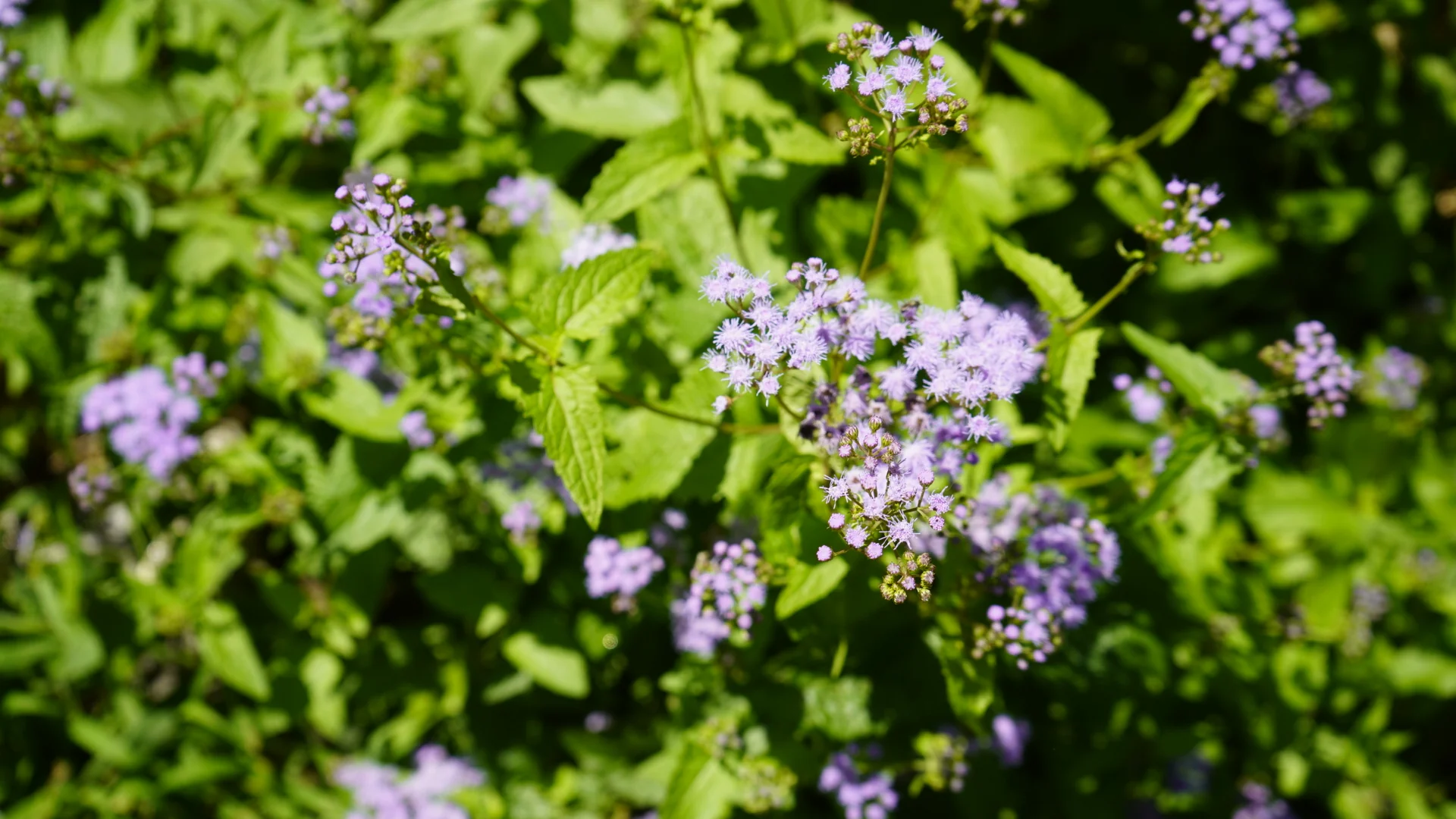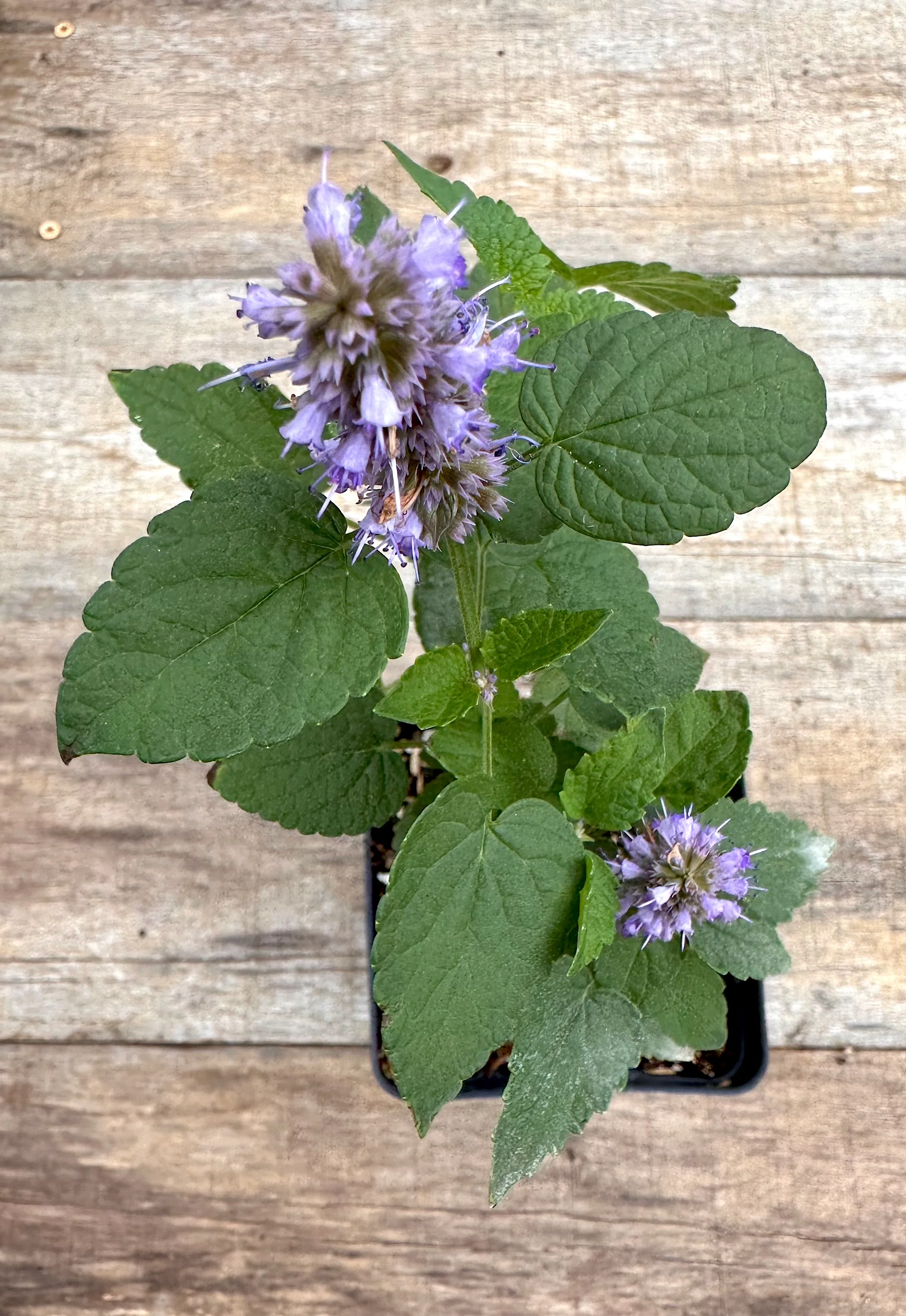
Goldenrod, Grass leaved
Goldenrod, Grass-Leaved (Euthamia graminifolia)
Also known as flat-top goldenrod or lance-leaved goldenrod (not a true Solidago)
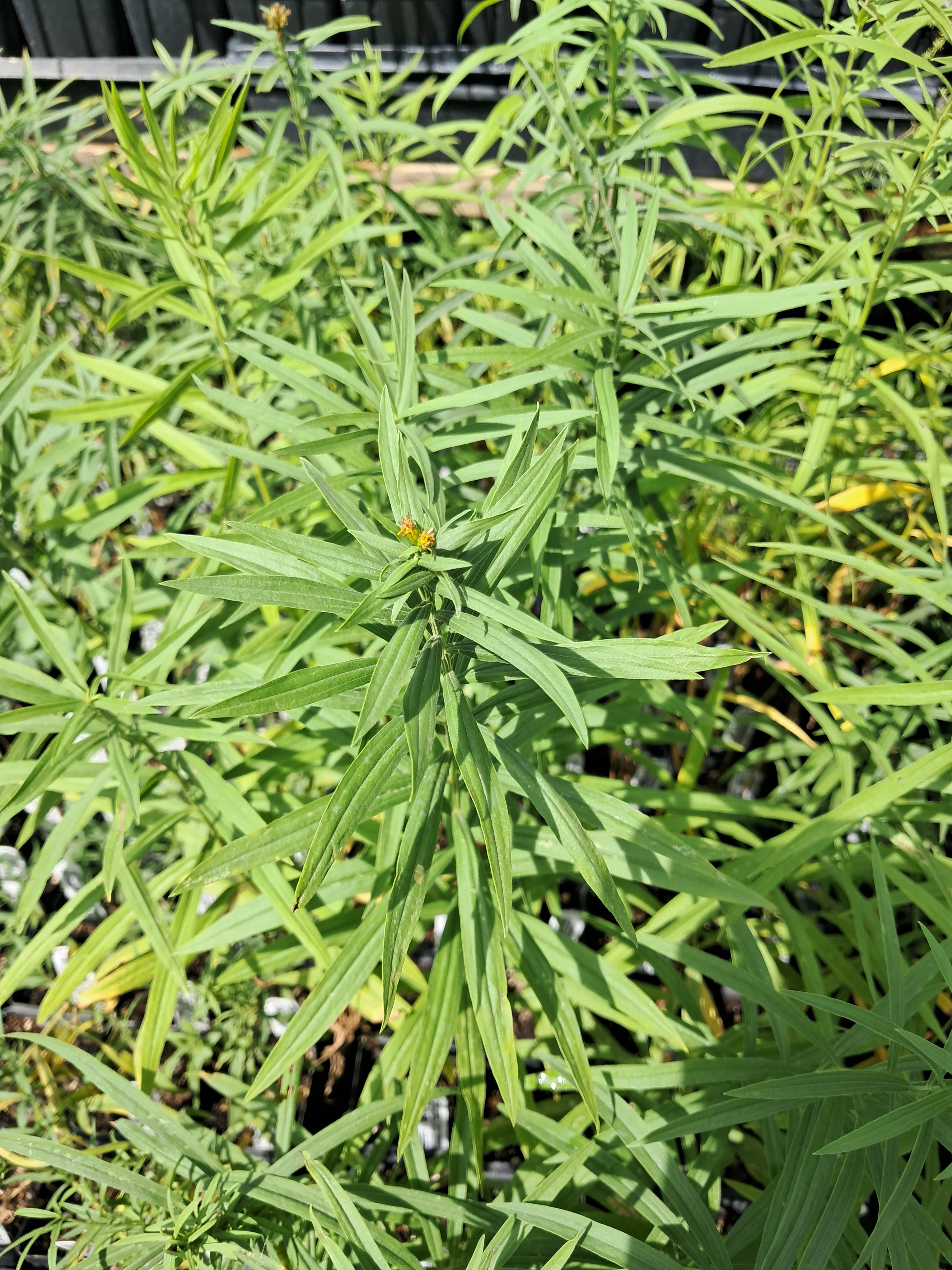
Grass-leaved goldenrod (Euthamia graminifolia) is a late-blooming native perennial that lights up meadows, roadsides, and wetland edges with flat-topped clusters of small yellow flowers from late summer into fall. Unlike other goldenrods, it has slender, grass-like foliage and a more compact, bushy form, making it especially useful in designed native gardens, pollinator plantings, and rain gardens. It is a critical late-season nectar source for native bees, butterflies, moths, and migrating insects like monarchs.
Key Characteristics
-
Vital Late-Season Nectar Source
Blooming from August through October, grass-leaved goldenrod supports a wide range of late pollinators, including monarchs, bumble bees, sweat bees, syrphid flies, and soldier beetles. It helps extend the blooming season in pollinator meadows and insect-supportive plantings. -
Foliage Resembles Grass, Not Traditional Goldenrod
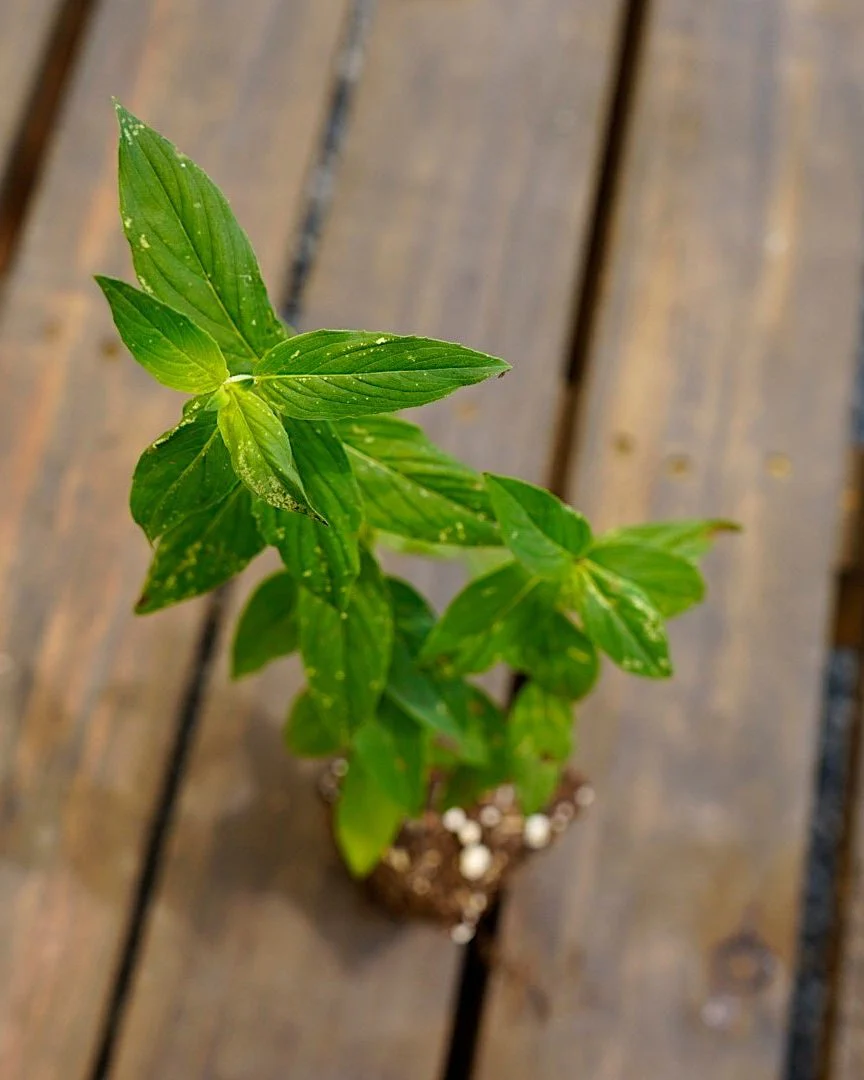
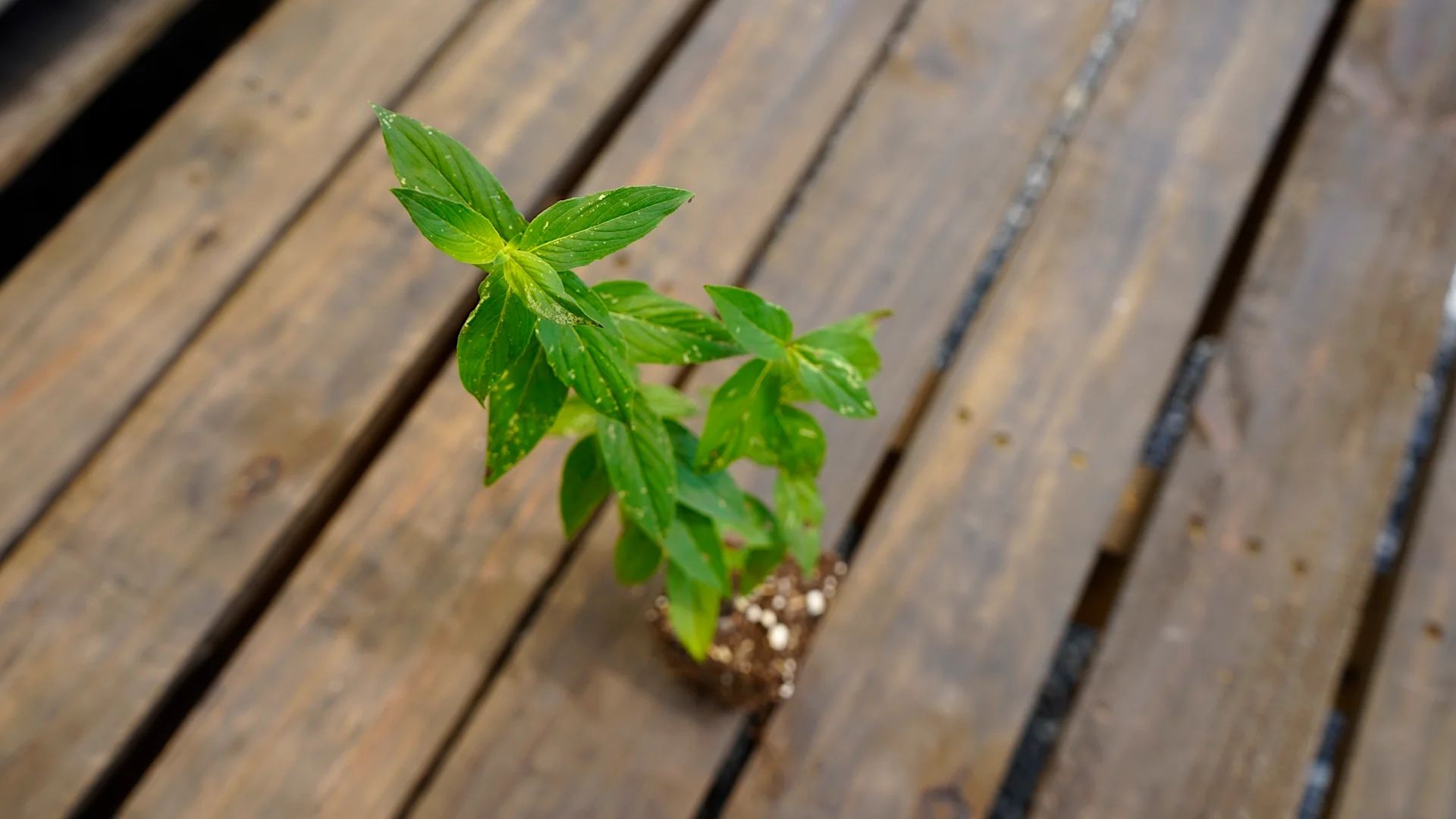
Its narrow, lance-shaped leaves give this goldenrod a grassy appearance, allowing it to blend beautifully with native grasses in meadow and prairie designs. It provides visual texture without overwhelming finer species. -
Tolerates Moist to Dry Soils and Poor Conditions
Grass-leaved goldenrod is adaptable, thriving in medium to moist soils but also tolerating dry, sandy, or disturbed areas. It's well-suited to stormwater basins, rain gardens, stream edges, and naturalized areas, and holds up well in tough spots where other species struggle. -
Clump-Forming with Modest Spread
Unlike more aggressive goldenrod species, Euthamia graminifolia spreads slowly by rhizomes, forming loose clumps rather than dense colonies. It's a manageable option for ecological gardens and small-scale restoration projects. -
Supports Beneficial Insects and Natural Pest Control
The late flowers and dense foliage attract predatory insects and parasitic wasps, making this species a powerful ally in integrated pest management (IPM). Its structural diversity also offers insect shelter and overwintering sites.
Product Details
- Native Range: Eastern and central North America
- Plant Life Cycle: Perennial
- Sun Requirements: Full sun to part sun
- Soil Requirements: Medium-dry to moist, well-drained or clay soils
- Mature Height: 2-4 feet
- Bloom Time: August-October
- Bloom Color: Yellow
- USDA Hardiness Zones: 3-9
Grass-leaved goldenrod fills a vital ecological niche with its late blooms, graceful form, and adaptability. It's a must-have for pollinator gardens, rain gardens, and fall-season biodiversity.
Original: $4.25
-65%$4.25
$1.49Product Information
Product Information
Shipping & Returns
Shipping & Returns
Description
Goldenrod, Grass-Leaved (Euthamia graminifolia)
Also known as flat-top goldenrod or lance-leaved goldenrod (not a true Solidago)
Grass-leaved goldenrod (Euthamia graminifolia) is a late-blooming native perennial that lights up meadows, roadsides, and wetland edges with flat-topped clusters of small yellow flowers from late summer into fall. Unlike other goldenrods, it has slender, grass-like foliage and a more compact, bushy form, making it especially useful in designed native gardens, pollinator plantings, and rain gardens. It is a critical late-season nectar source for native bees, butterflies, moths, and migrating insects like monarchs.
Key Characteristics
-
Vital Late-Season Nectar Source
Blooming from August through October, grass-leaved goldenrod supports a wide range of late pollinators, including monarchs, bumble bees, sweat bees, syrphid flies, and soldier beetles. It helps extend the blooming season in pollinator meadows and insect-supportive plantings. -
Foliage Resembles Grass, Not Traditional Goldenrod
Its narrow, lance-shaped leaves give this goldenrod a grassy appearance, allowing it to blend beautifully with native grasses in meadow and prairie designs. It provides visual texture without overwhelming finer species. -
Tolerates Moist to Dry Soils and Poor Conditions
Grass-leaved goldenrod is adaptable, thriving in medium to moist soils but also tolerating dry, sandy, or disturbed areas. It's well-suited to stormwater basins, rain gardens, stream edges, and naturalized areas, and holds up well in tough spots where other species struggle. -
Clump-Forming with Modest Spread
Unlike more aggressive goldenrod species, Euthamia graminifolia spreads slowly by rhizomes, forming loose clumps rather than dense colonies. It's a manageable option for ecological gardens and small-scale restoration projects. -
Supports Beneficial Insects and Natural Pest Control
The late flowers and dense foliage attract predatory insects and parasitic wasps, making this species a powerful ally in integrated pest management (IPM). Its structural diversity also offers insect shelter and overwintering sites.
Product Details
- Native Range: Eastern and central North America
- Plant Life Cycle: Perennial
- Sun Requirements: Full sun to part sun
- Soil Requirements: Medium-dry to moist, well-drained or clay soils
- Mature Height: 2-4 feet
- Bloom Time: August-October
- Bloom Color: Yellow
- USDA Hardiness Zones: 3-9
Grass-leaved goldenrod fills a vital ecological niche with its late blooms, graceful form, and adaptability. It's a must-have for pollinator gardens, rain gardens, and fall-season biodiversity.