New Jersey Tea
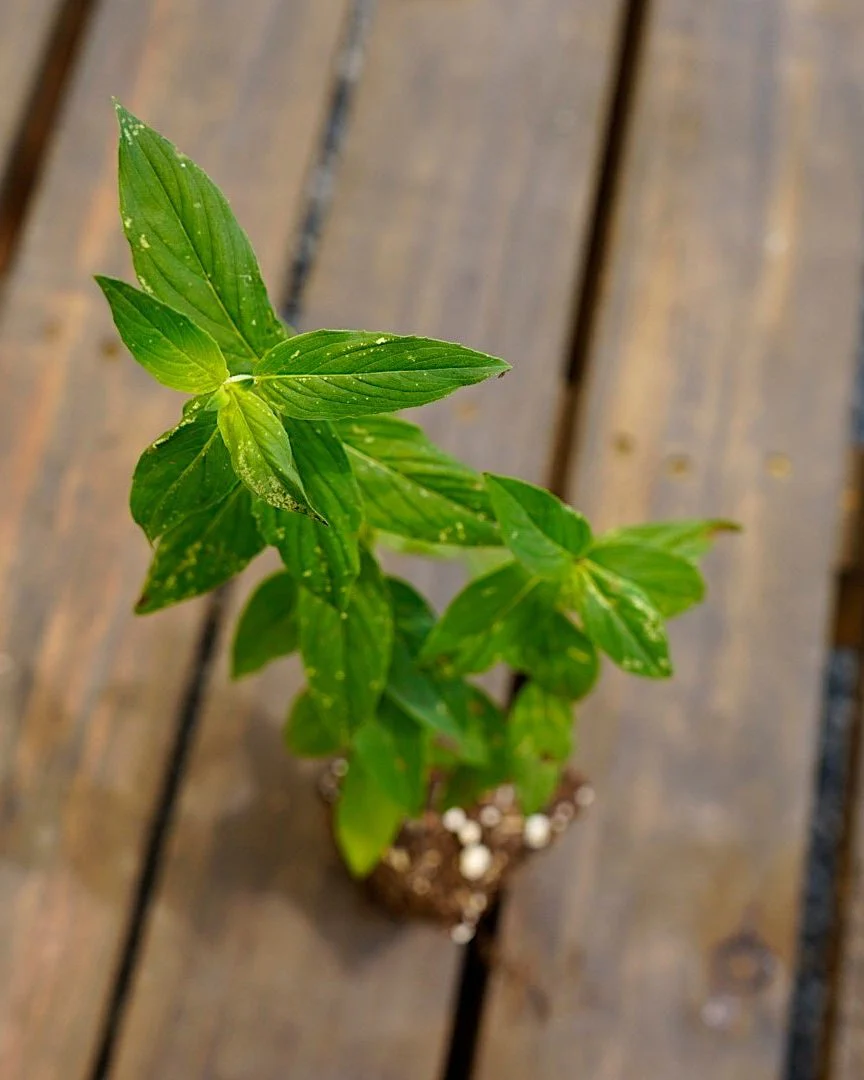
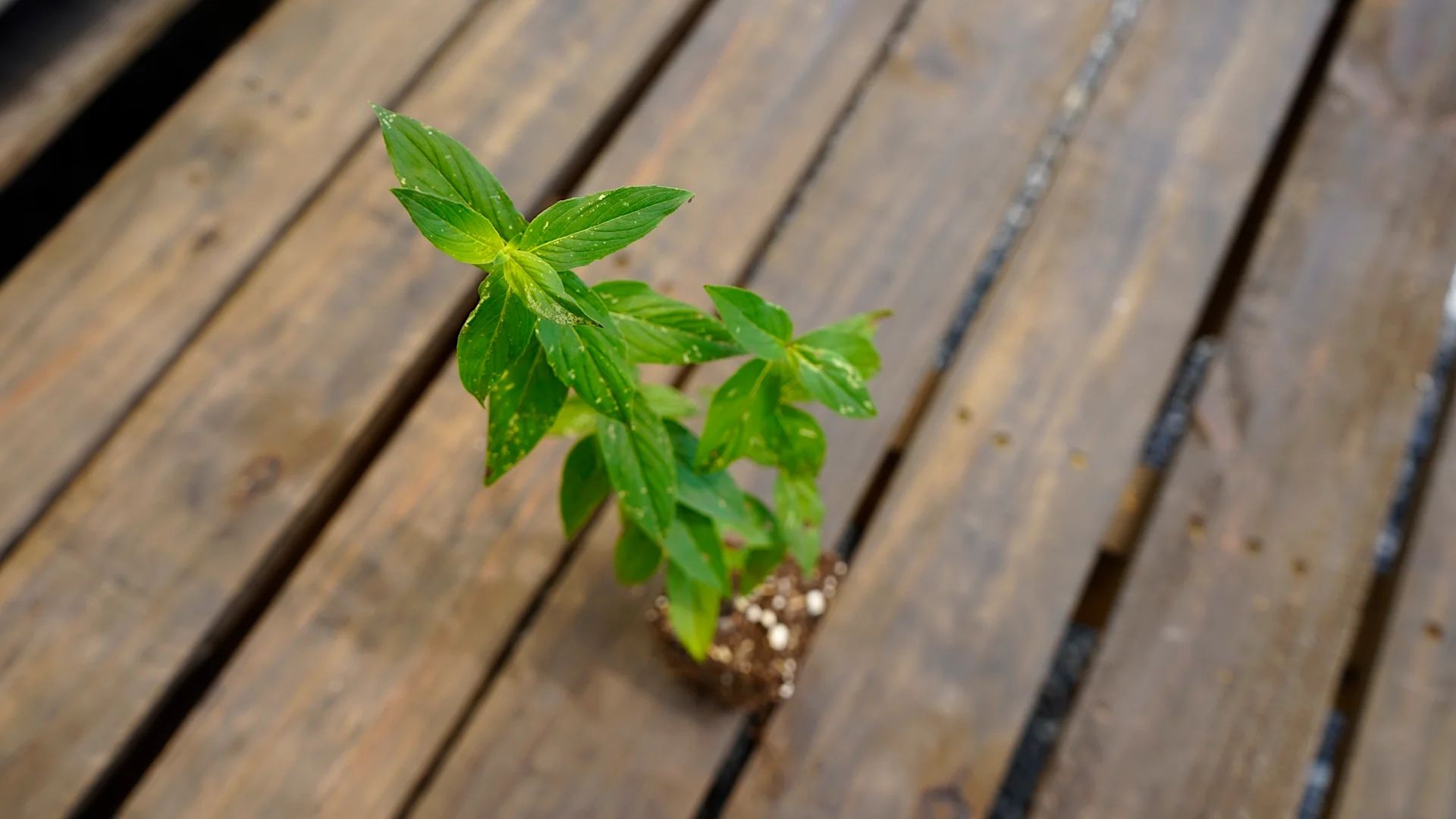
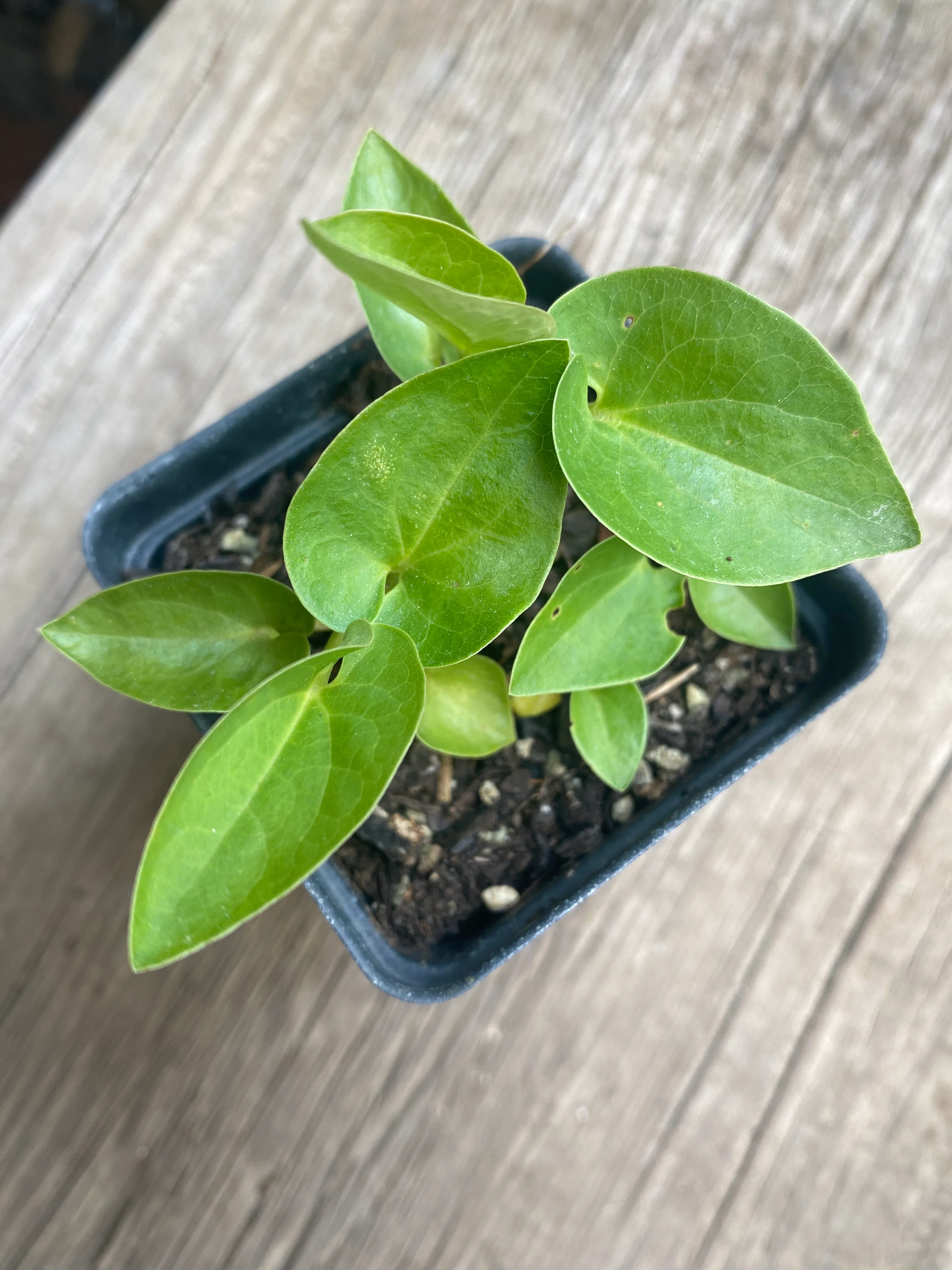
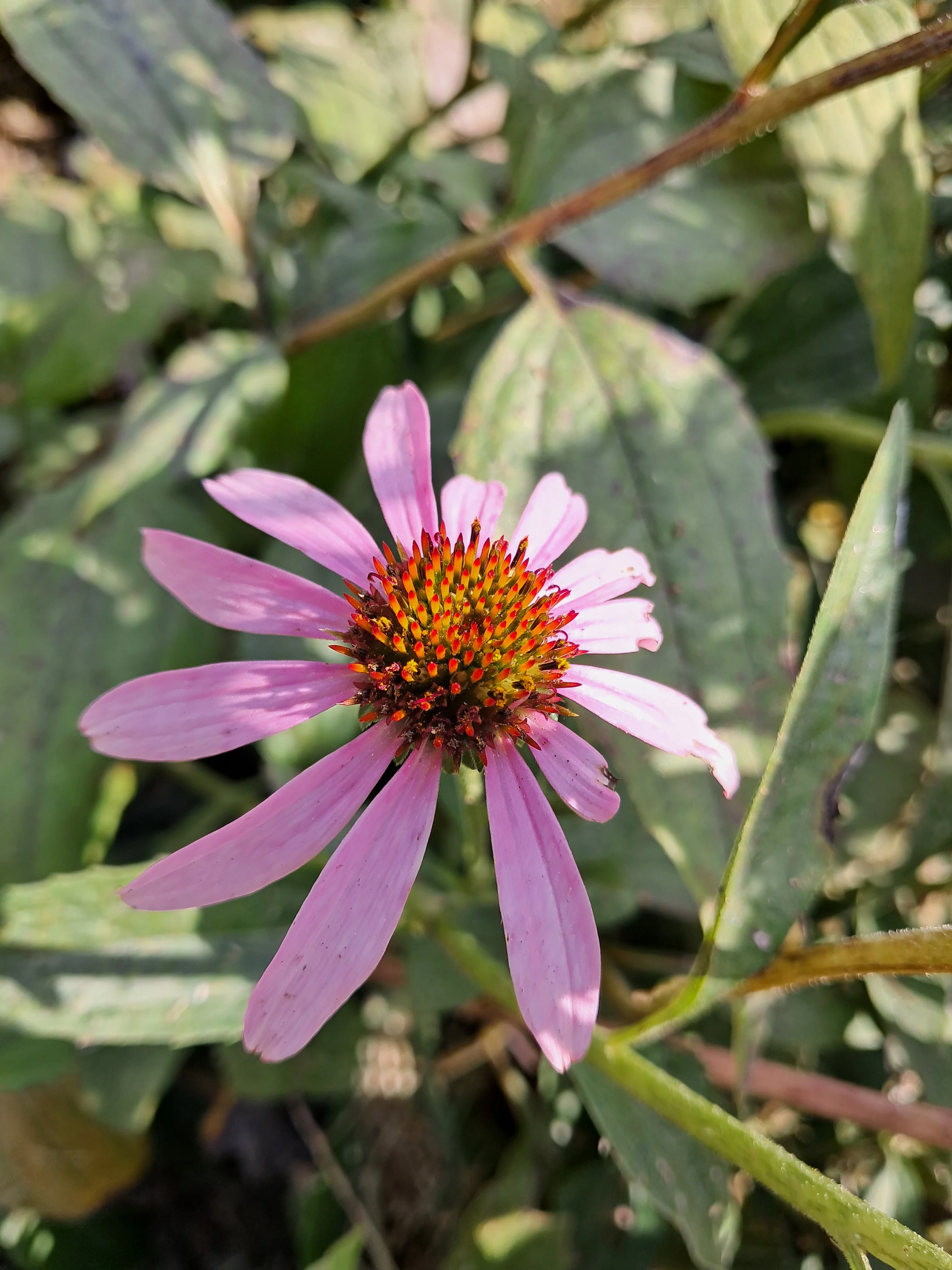
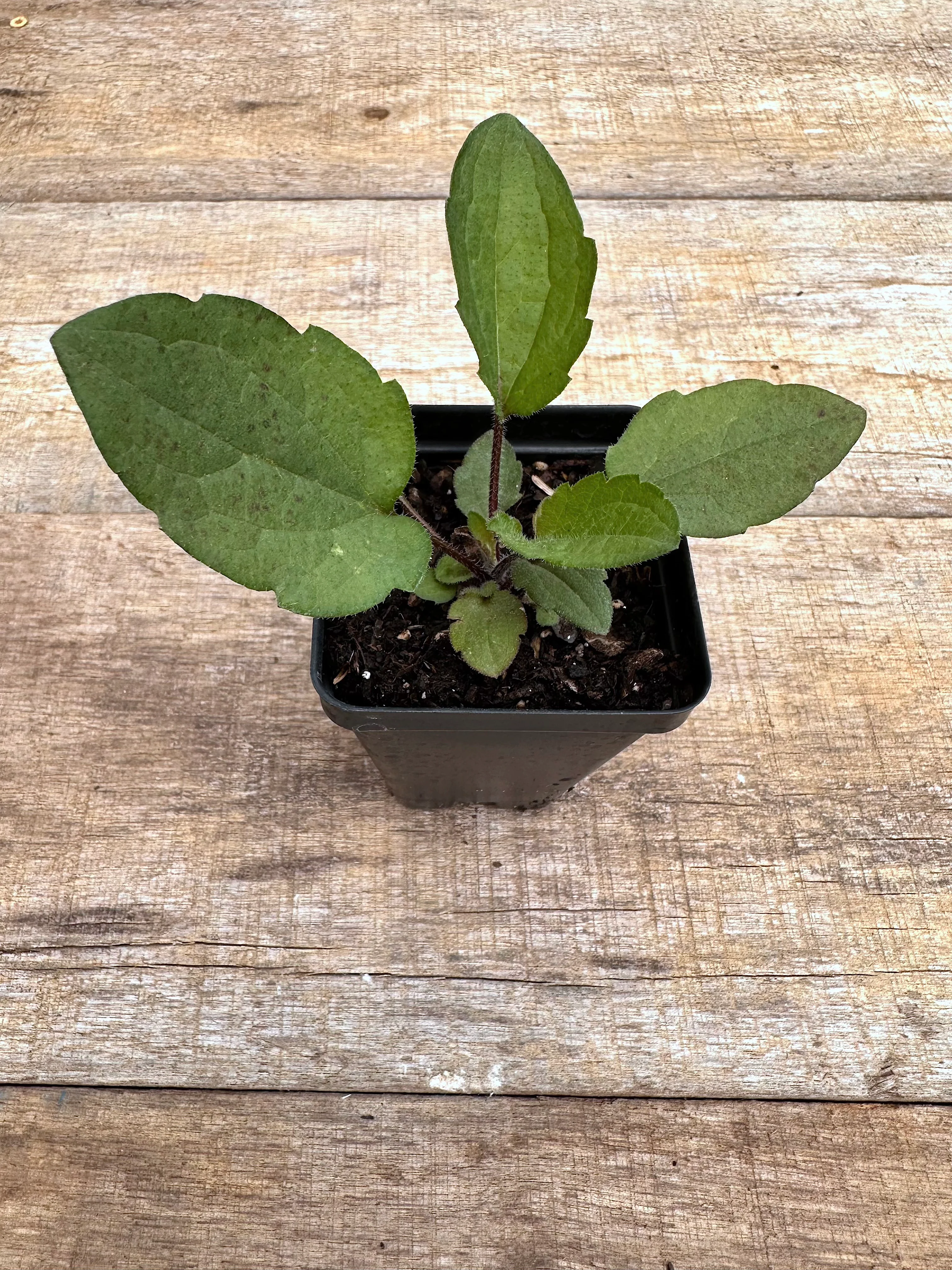
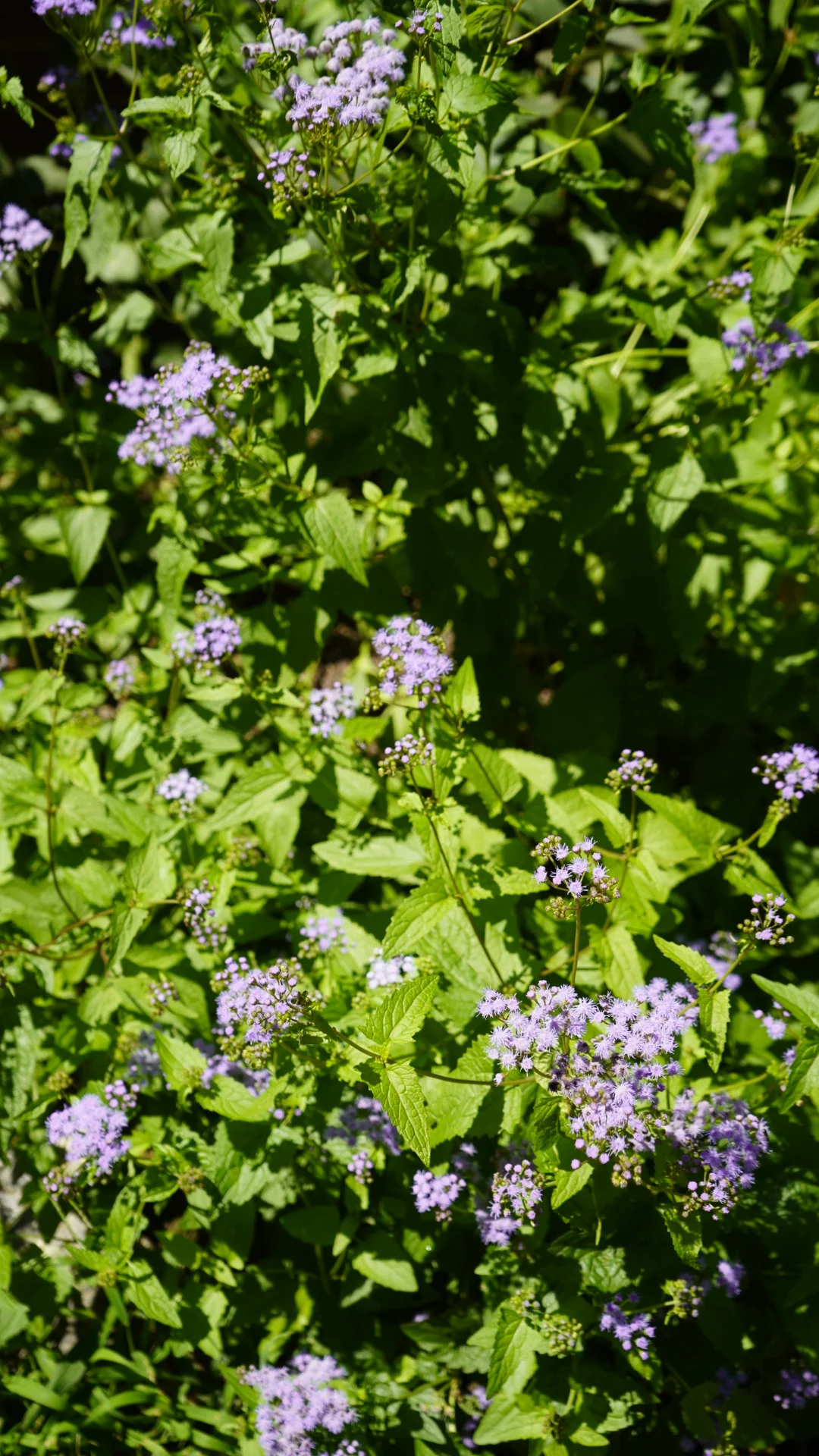
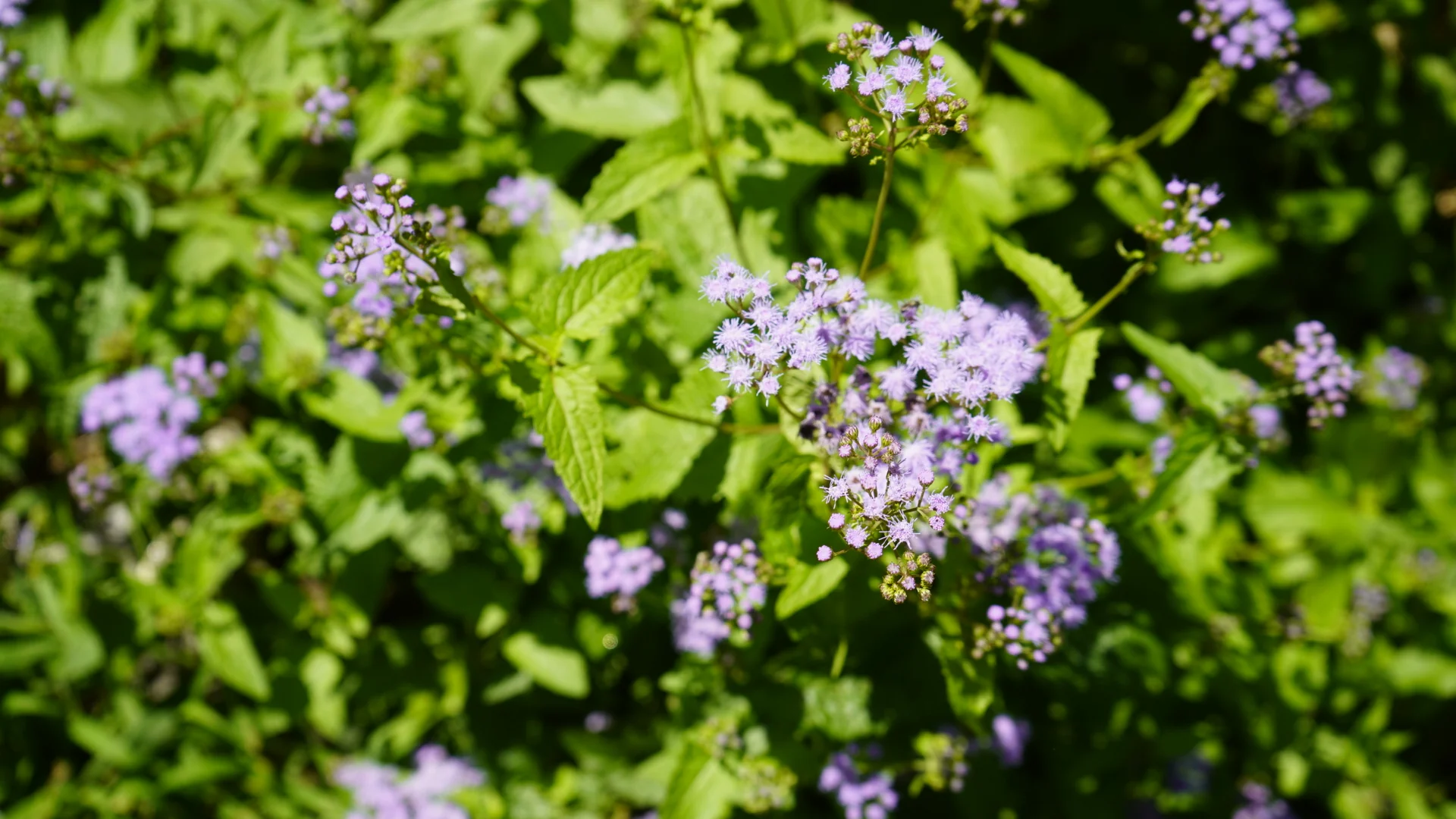
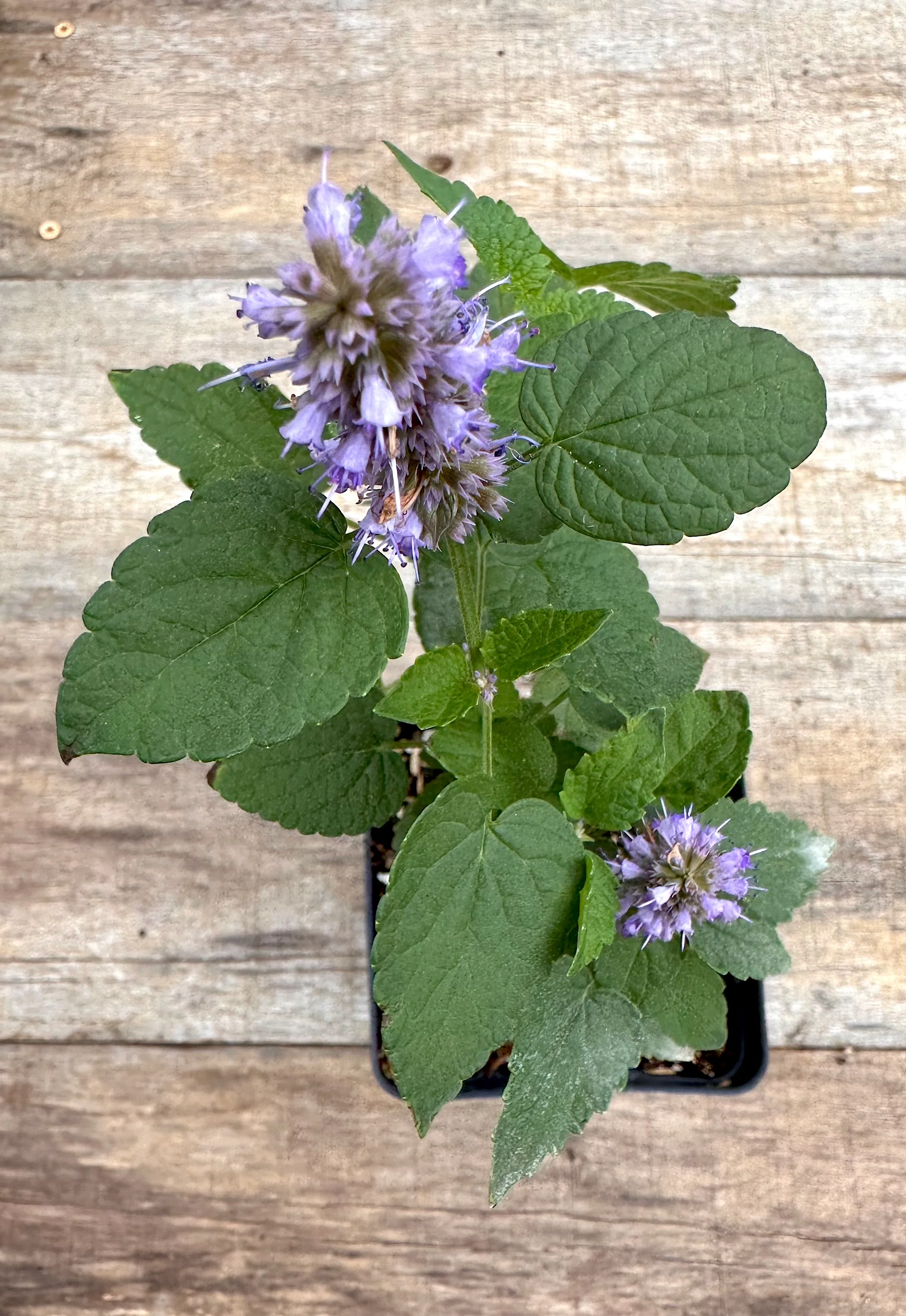
New Jersey Tea (Ceanothus americanus)
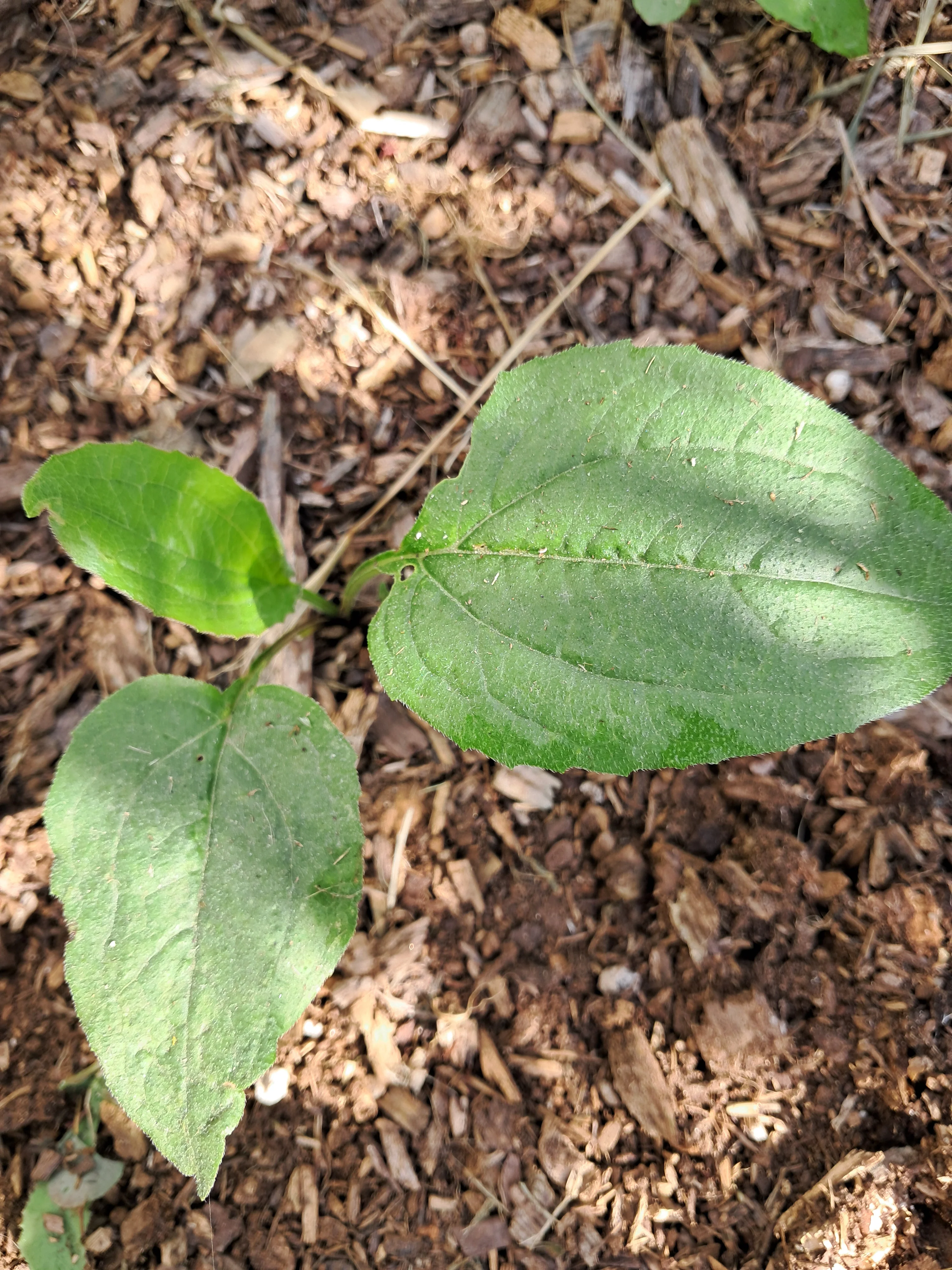
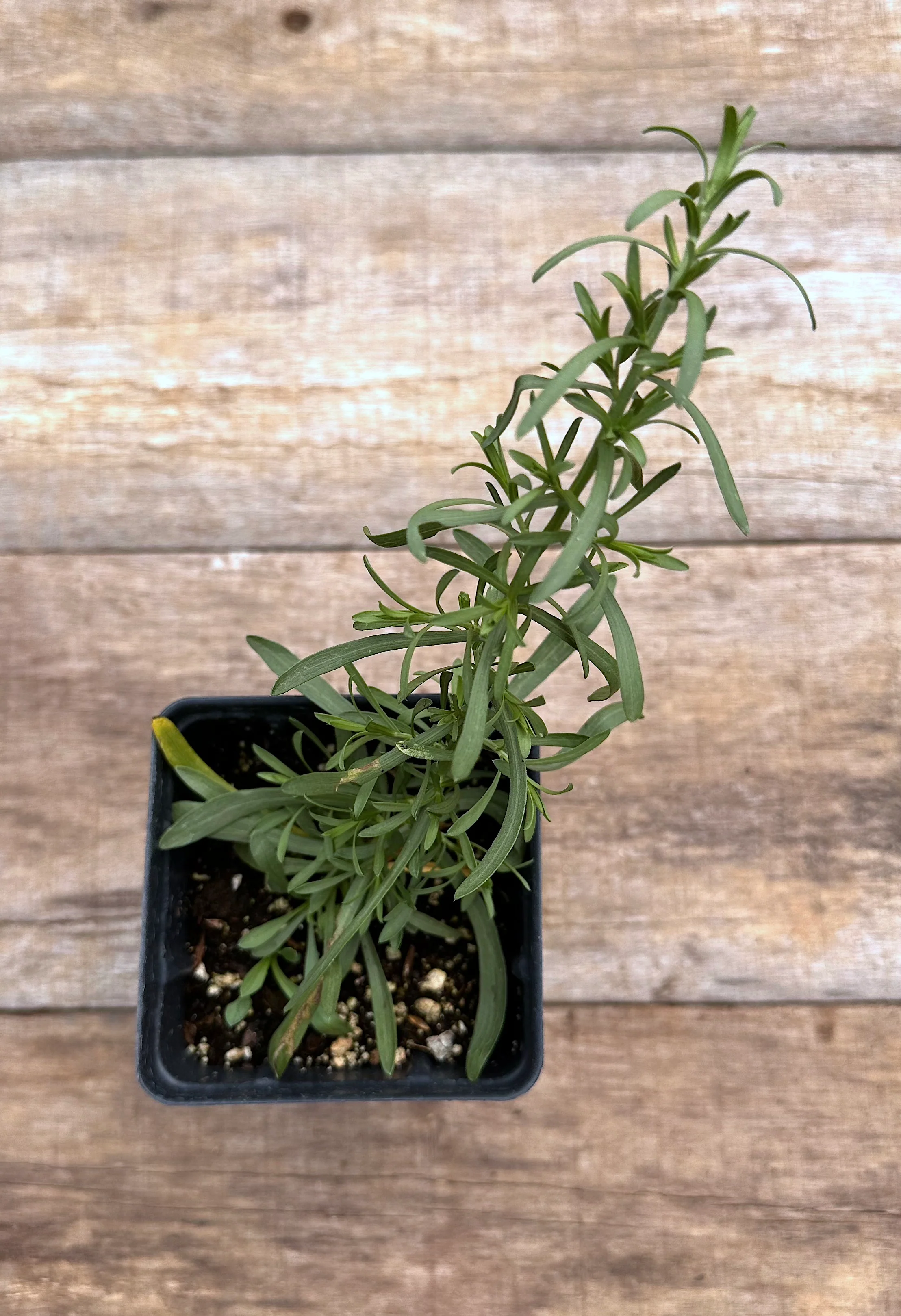
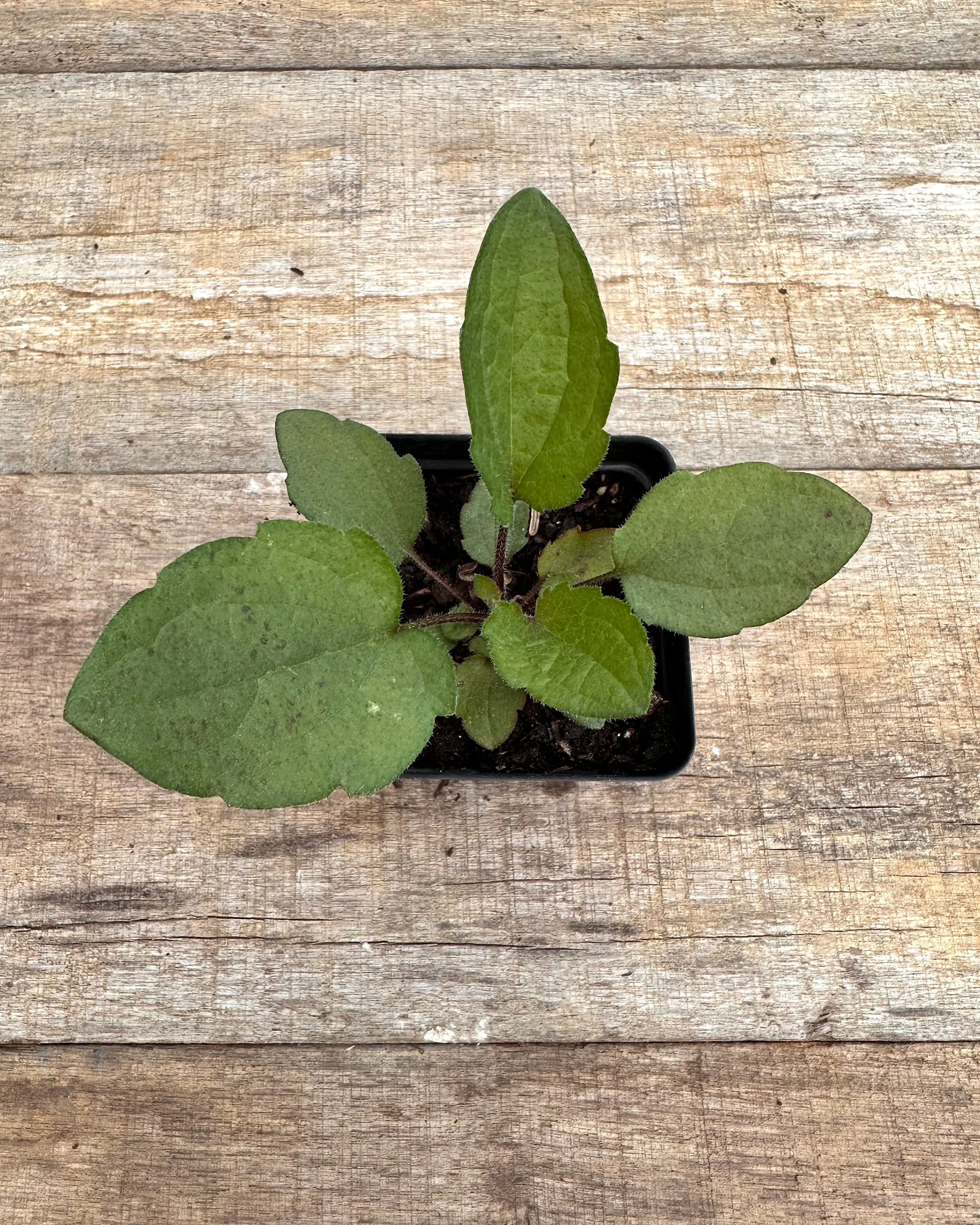
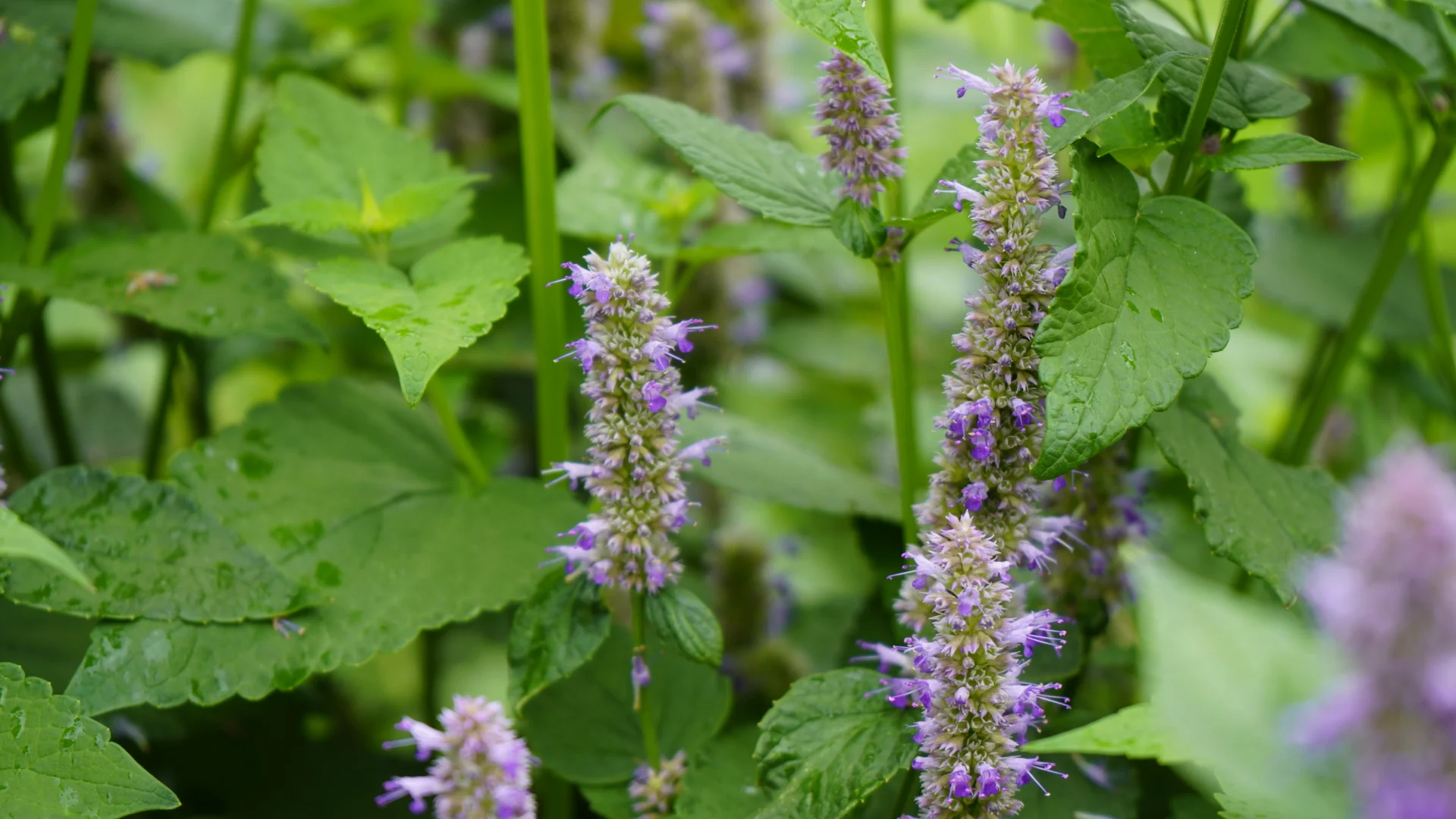
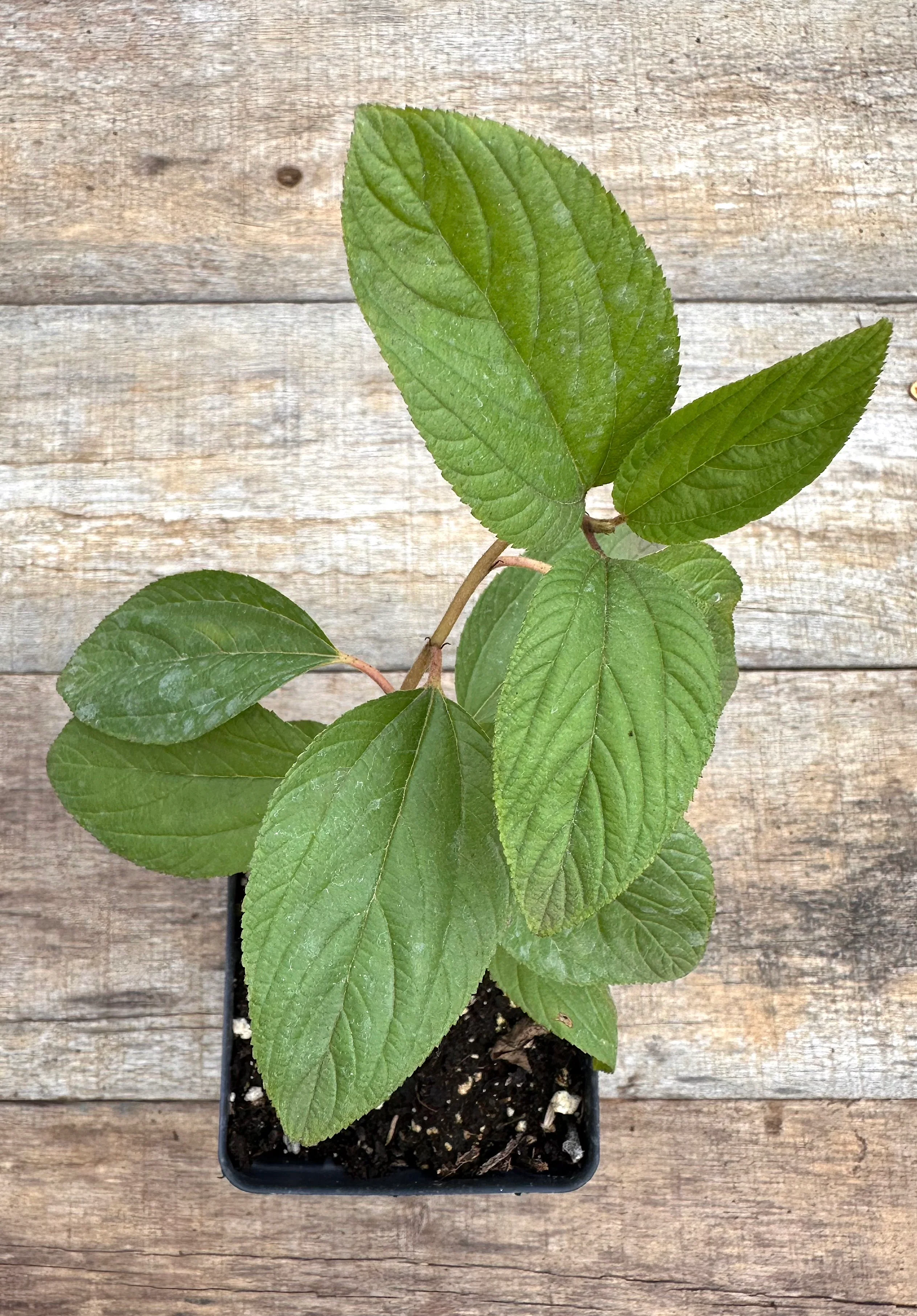
New Jersey Tea is a small, deciduous shrub known for its clusters of delicate white flowers and its valuable role in supporting native wildlife. Historically, the dried leaves were used as a tea substitute during the American Revolution, giving the plant its common name. This hardy, drought-tolerant shrub thrives in dry, sandy, or rocky soils, making it a perfect choice for native plant gardens, pollinator habitats, or even streambank restoration. Its deep roots help prevent erosion, and it attracts beneficial insects and native pollinators.
Key Characteristics:
-
Pollinator Magnet
The profuse white flower clusters of New Jersey Tea attract a wide variety of pollinators, including bees, butterflies, and other beneficial insects. It's a crucial nectar source for many native bees and serves as a larval host for butterflies like the Spring Azure and Mottled Duskywing. -
Wildlife Benefits
Aside from pollinators, the seeds of New Jersey Tea provide food for birds and small mammals. Its dense, low-growing form also offers excellent cover for ground-dwelling species and can create shelter for birds during nesting season. -
Traditional Uses
During the American Revolution, the dried leaves of New Jersey Tea were used as a caffeine-free substitute for black tea. Native American tribes also used it medicinally as a remedy for respiratory issues and digestive problems, particularly utilizing the root bark. -
Erosion Control
With its extensive root system, New Jersey Tea is ideal for stabilizing slopes and preventing soil erosion. It can be a valuable addition to streambank restoration projects or areas with poor, sandy soils where other plants might struggle to thrive. -
Landscape and Garden Integration
New Jersey Tea's compact size (3-4 feet) and ornamental flowers make it a versatile shrub for native plant gardens, meadows, or permaculture landscapes. It can be mass-planted in wildlife gardens, integrated into hedgerows, or used as a low-maintenance shrub layer in food forests.
Product Details:
- Native range: Eastern and Central North America
- Life cycle: Perennial deciduous shrub
- Sun requirements: Full sun to part shade
- Soil requirements: Dry to medium, well-drained soils
- Mature height: 3-4 feet
- Bloom time: Late spring to early summer
- Bloom color: White
-
USDA Hardiness zones: 4-8
New Jersey Tea is a drought-tolerant, wildlife-friendly shrub that provides both aesthetic appeal and ecological benefits. Its adaptability and historical significance make it a great addition to any garden or restoration project.
Original: $3.95
-65%$3.95
$1.38Product Information
Product Information
Shipping & Returns
Shipping & Returns
Description
New Jersey Tea (Ceanothus americanus)
New Jersey Tea is a small, deciduous shrub known for its clusters of delicate white flowers and its valuable role in supporting native wildlife. Historically, the dried leaves were used as a tea substitute during the American Revolution, giving the plant its common name. This hardy, drought-tolerant shrub thrives in dry, sandy, or rocky soils, making it a perfect choice for native plant gardens, pollinator habitats, or even streambank restoration. Its deep roots help prevent erosion, and it attracts beneficial insects and native pollinators.
Key Characteristics:
-
Pollinator Magnet
The profuse white flower clusters of New Jersey Tea attract a wide variety of pollinators, including bees, butterflies, and other beneficial insects. It's a crucial nectar source for many native bees and serves as a larval host for butterflies like the Spring Azure and Mottled Duskywing. -
Wildlife Benefits
Aside from pollinators, the seeds of New Jersey Tea provide food for birds and small mammals. Its dense, low-growing form also offers excellent cover for ground-dwelling species and can create shelter for birds during nesting season. -
Traditional Uses
During the American Revolution, the dried leaves of New Jersey Tea were used as a caffeine-free substitute for black tea. Native American tribes also used it medicinally as a remedy for respiratory issues and digestive problems, particularly utilizing the root bark. -
Erosion Control
With its extensive root system, New Jersey Tea is ideal for stabilizing slopes and preventing soil erosion. It can be a valuable addition to streambank restoration projects or areas with poor, sandy soils where other plants might struggle to thrive. -
Landscape and Garden Integration
New Jersey Tea's compact size (3-4 feet) and ornamental flowers make it a versatile shrub for native plant gardens, meadows, or permaculture landscapes. It can be mass-planted in wildlife gardens, integrated into hedgerows, or used as a low-maintenance shrub layer in food forests.
Product Details:
- Native range: Eastern and Central North America
- Life cycle: Perennial deciduous shrub
- Sun requirements: Full sun to part shade
- Soil requirements: Dry to medium, well-drained soils
- Mature height: 3-4 feet
- Bloom time: Late spring to early summer
- Bloom color: White
-
USDA Hardiness zones: 4-8
New Jersey Tea is a drought-tolerant, wildlife-friendly shrub that provides both aesthetic appeal and ecological benefits. Its adaptability and historical significance make it a great addition to any garden or restoration project.