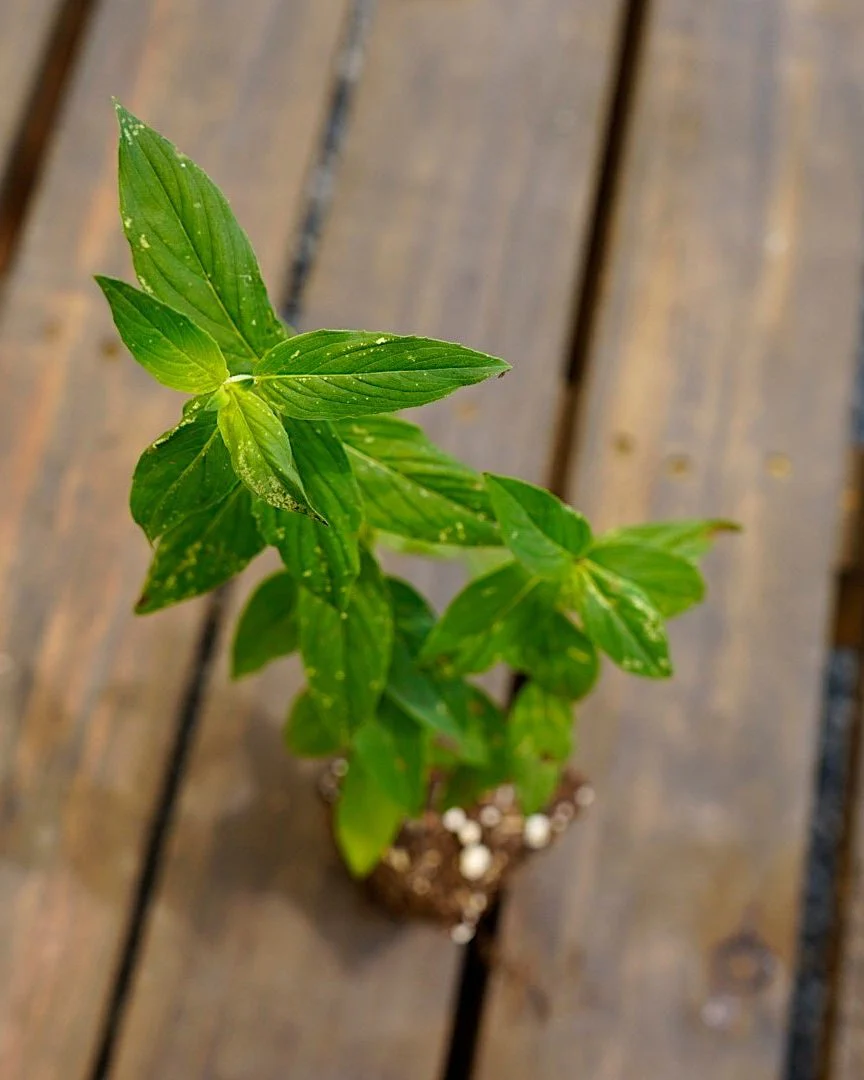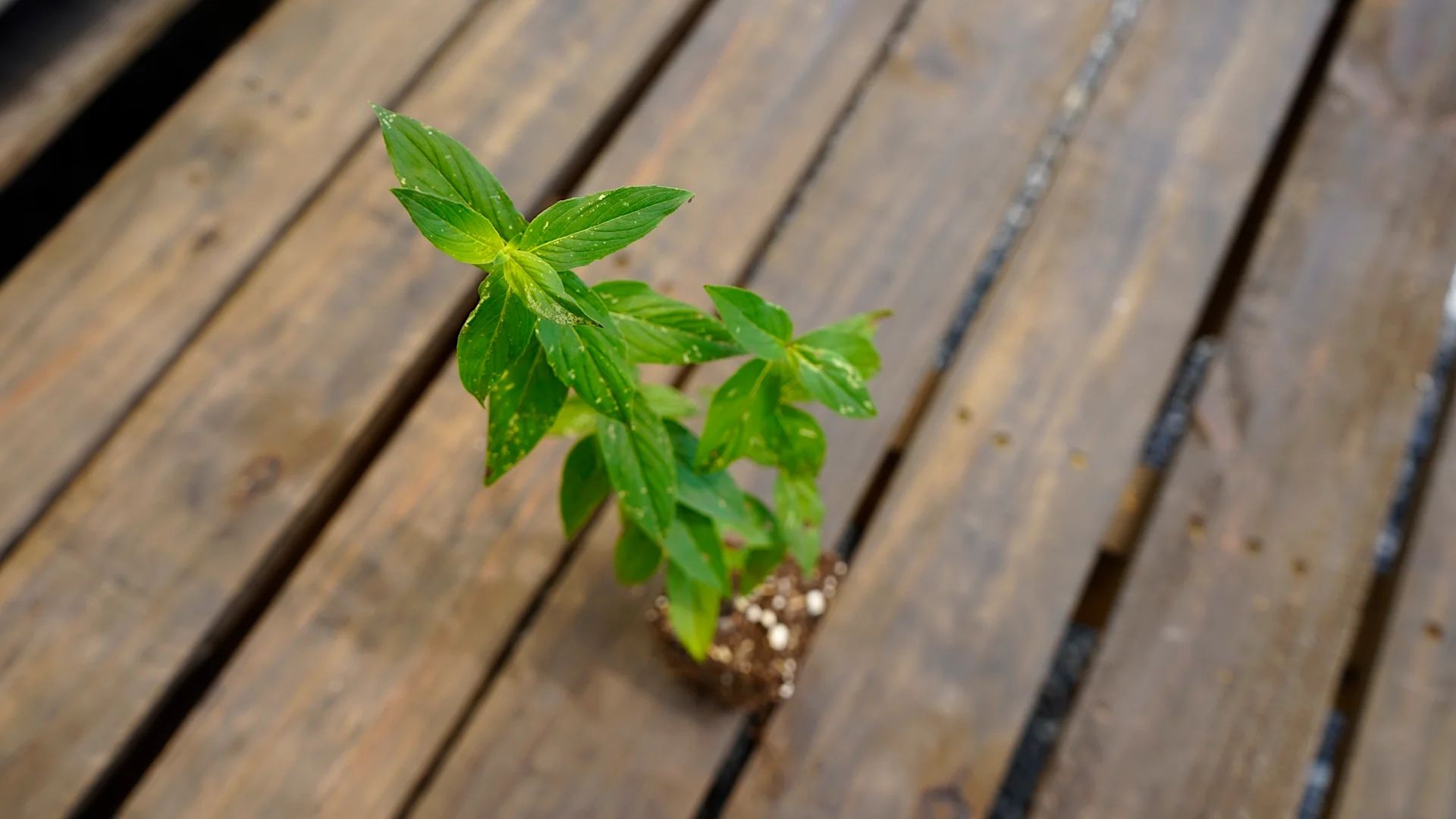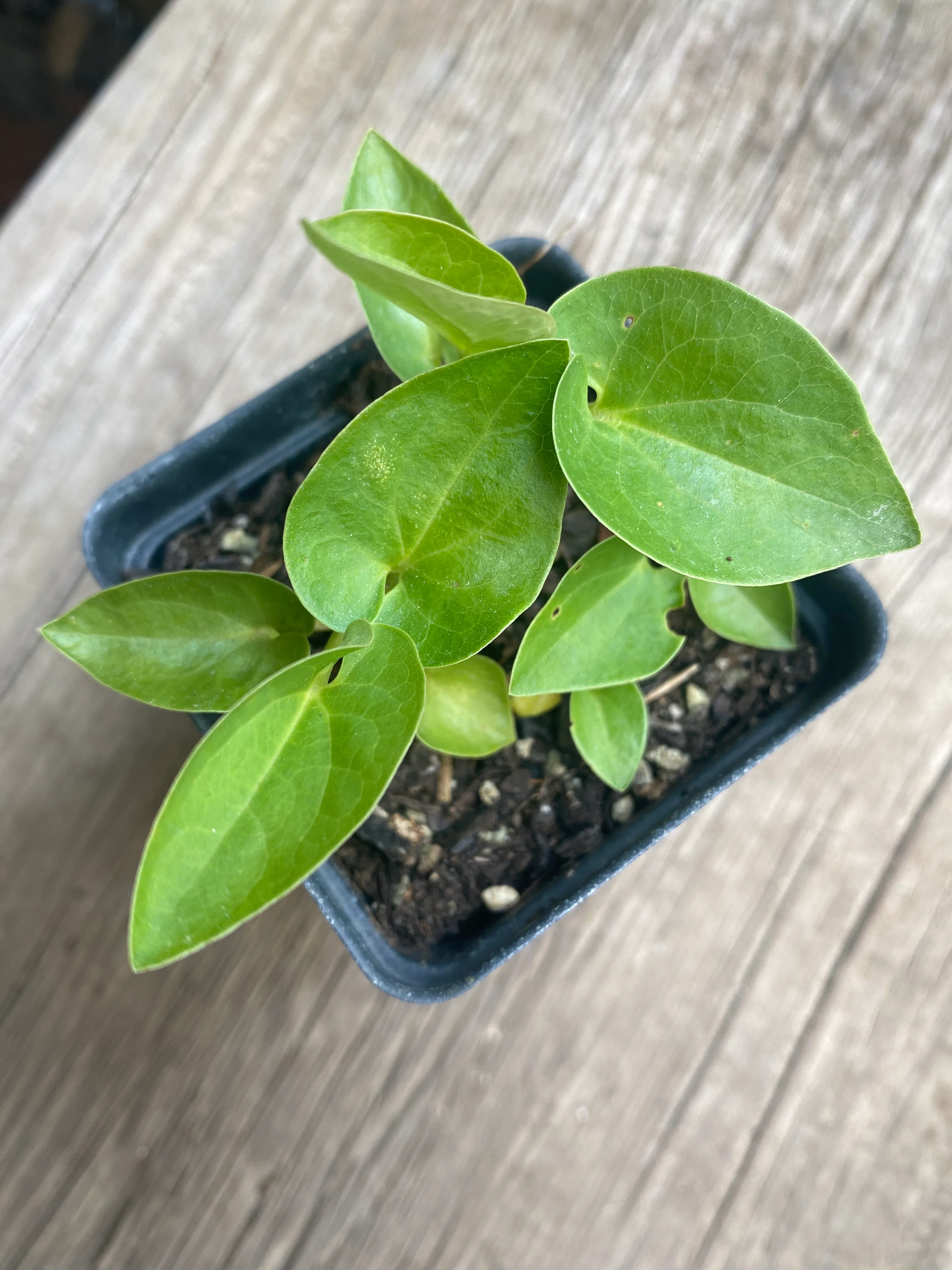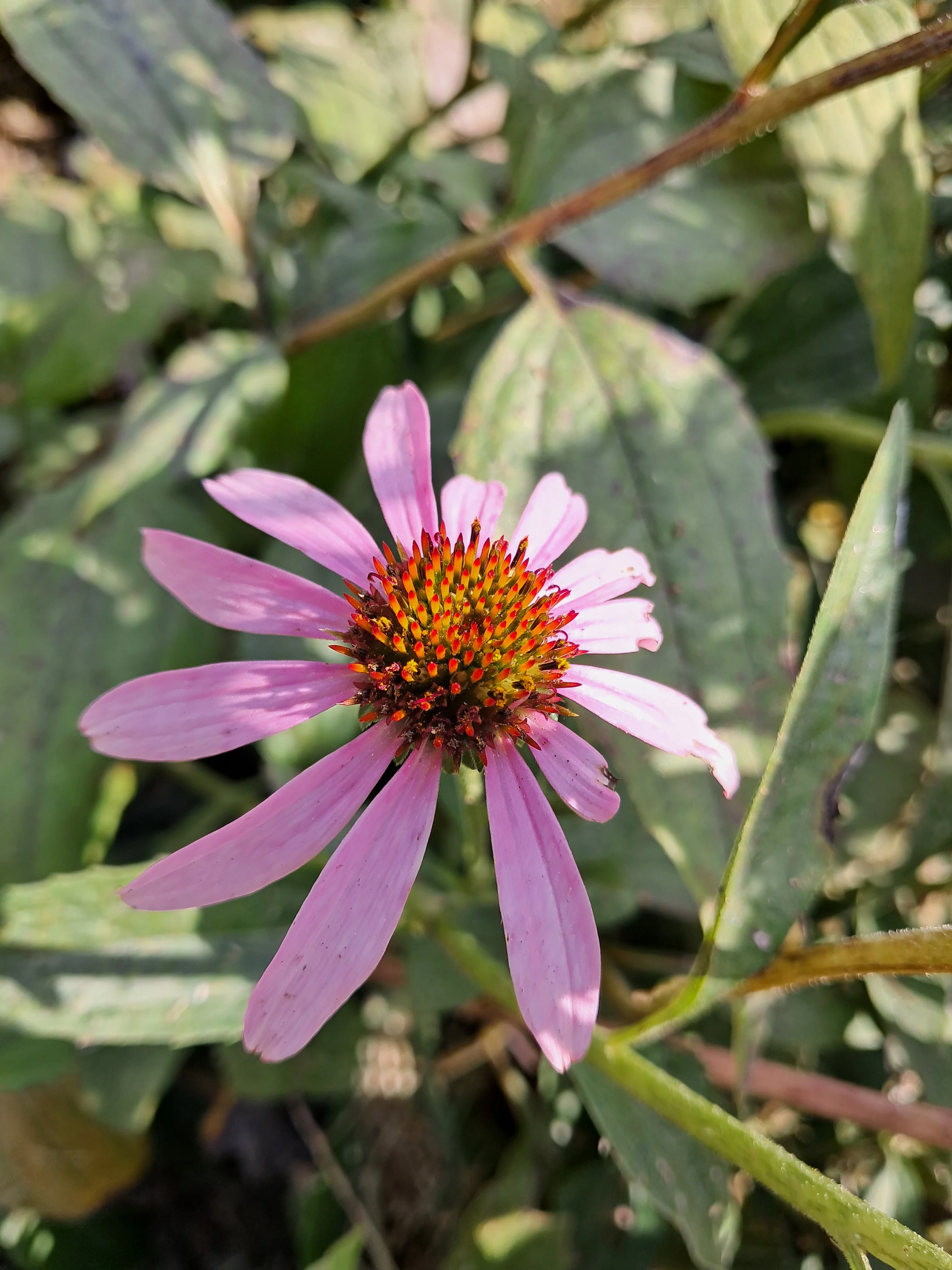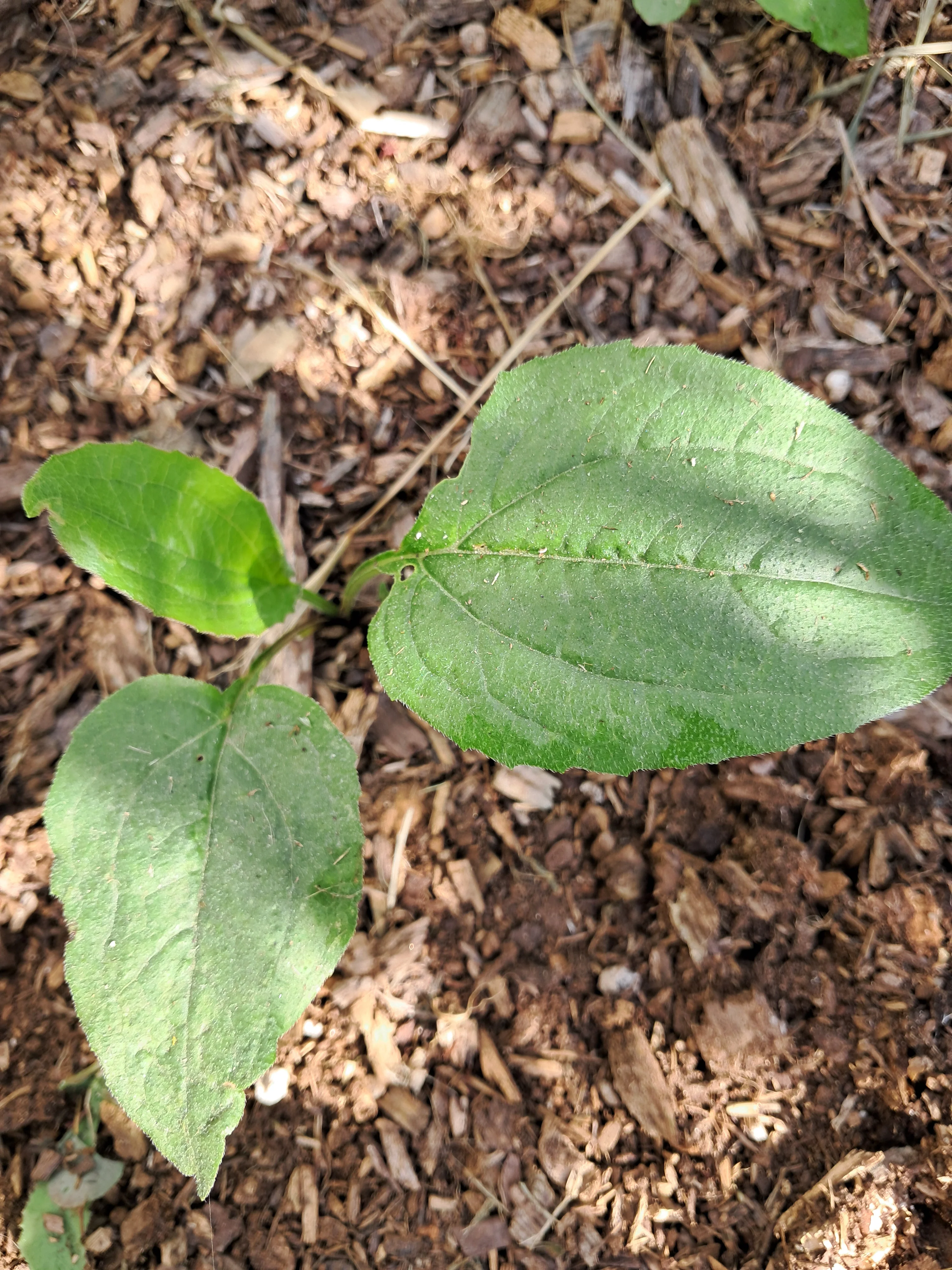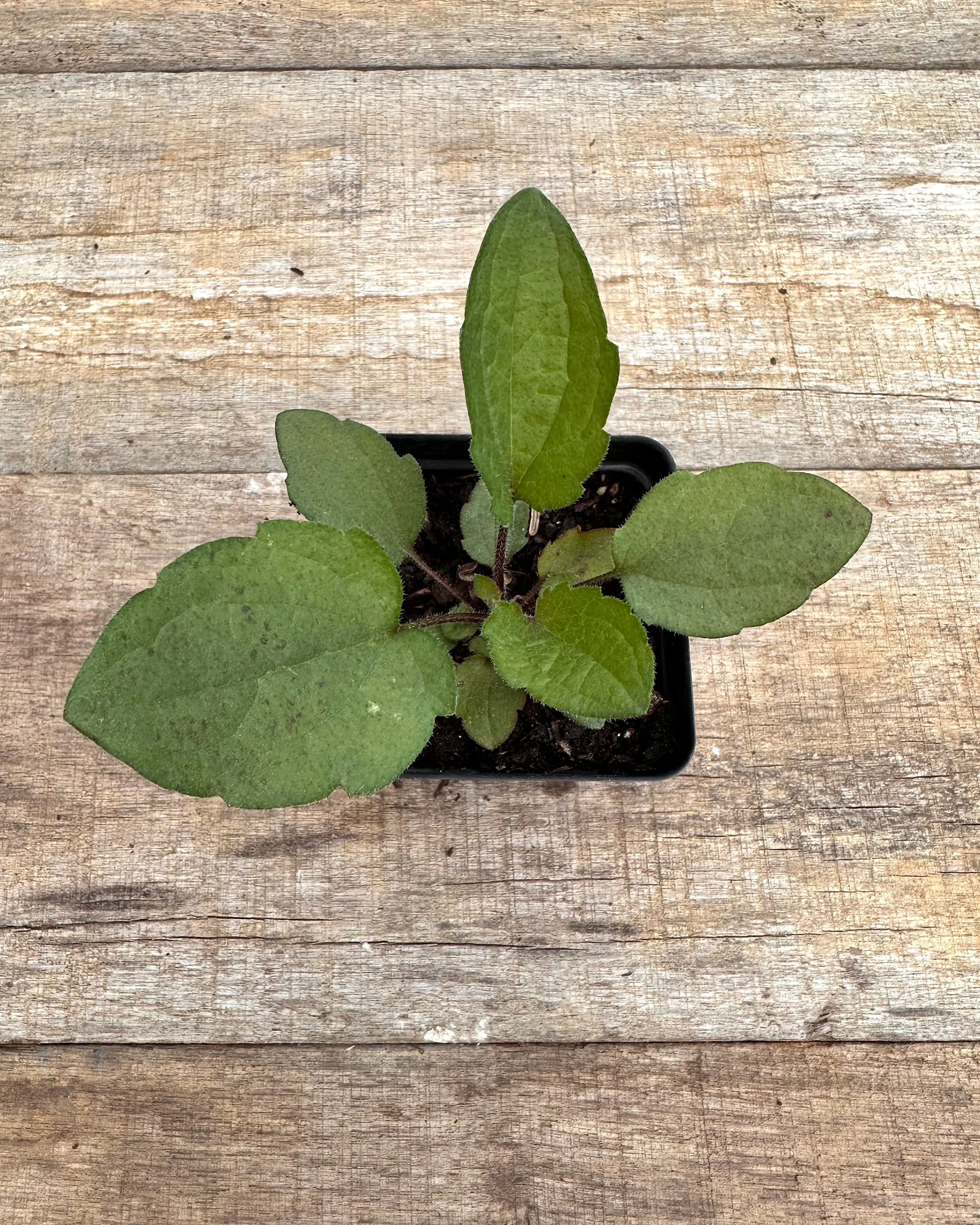
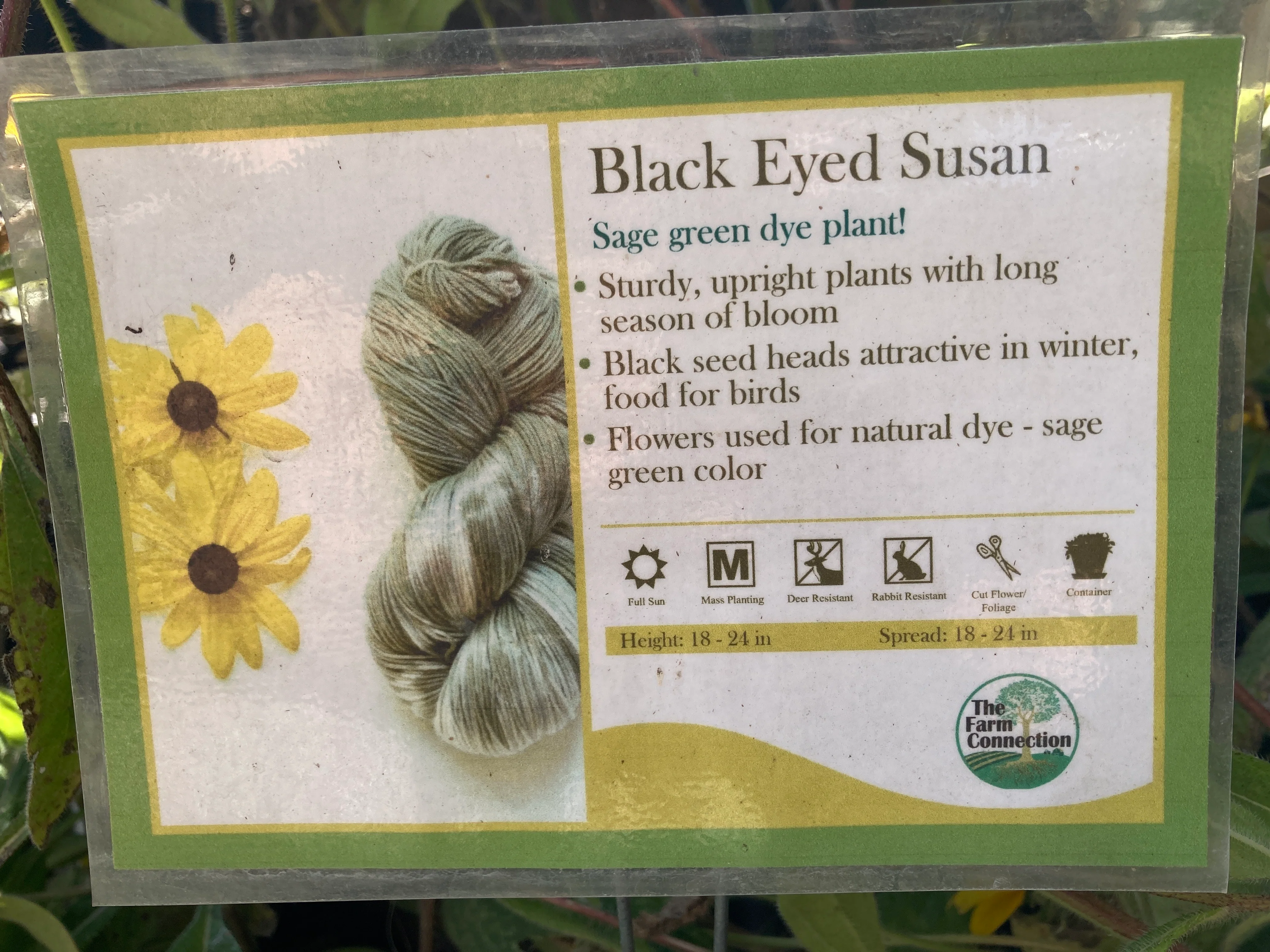
Rudbeckia, Black Eyed Susan
Rudbeckia, Black Eyed Susan (Rudbeckia hirta)
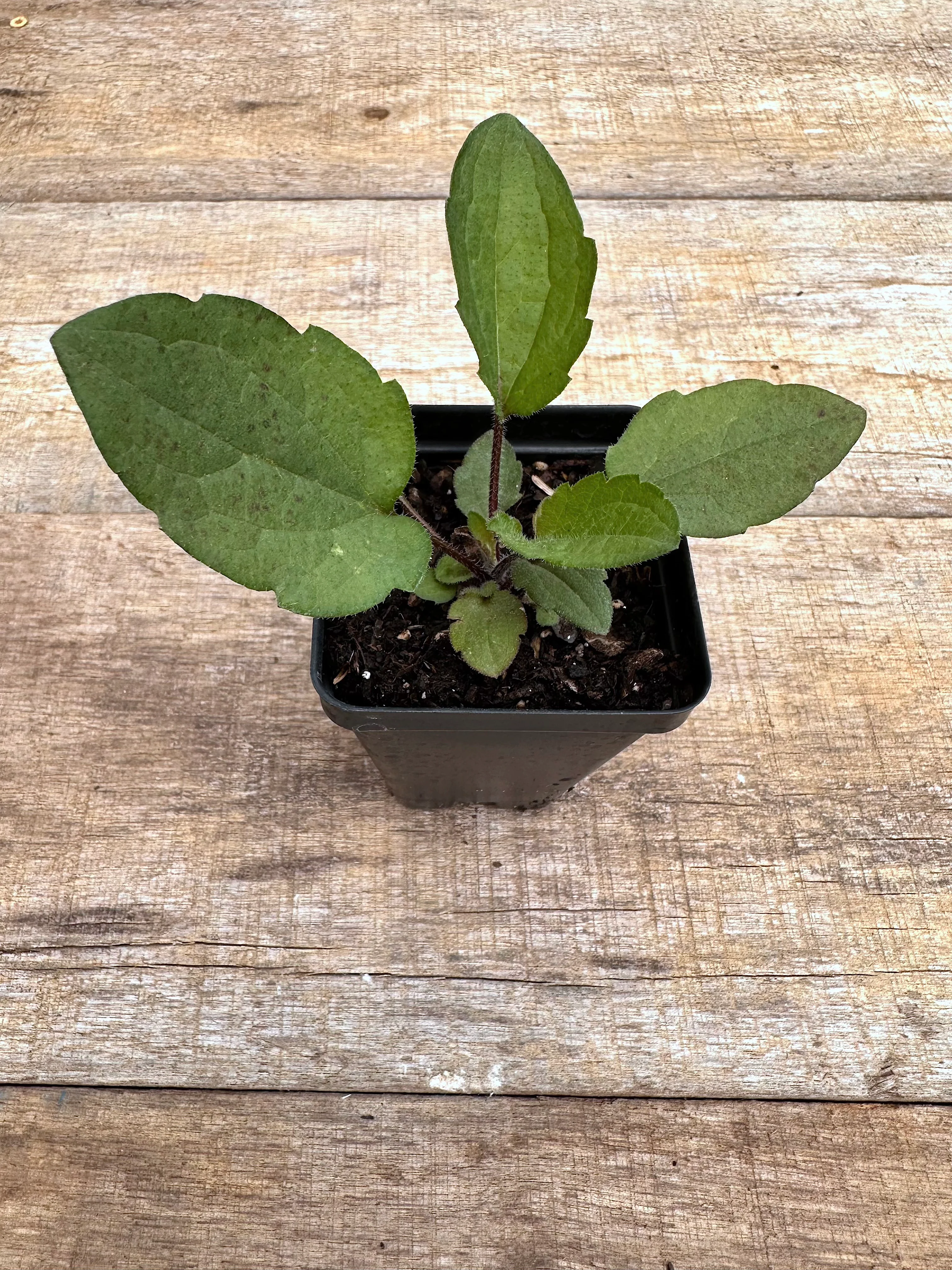
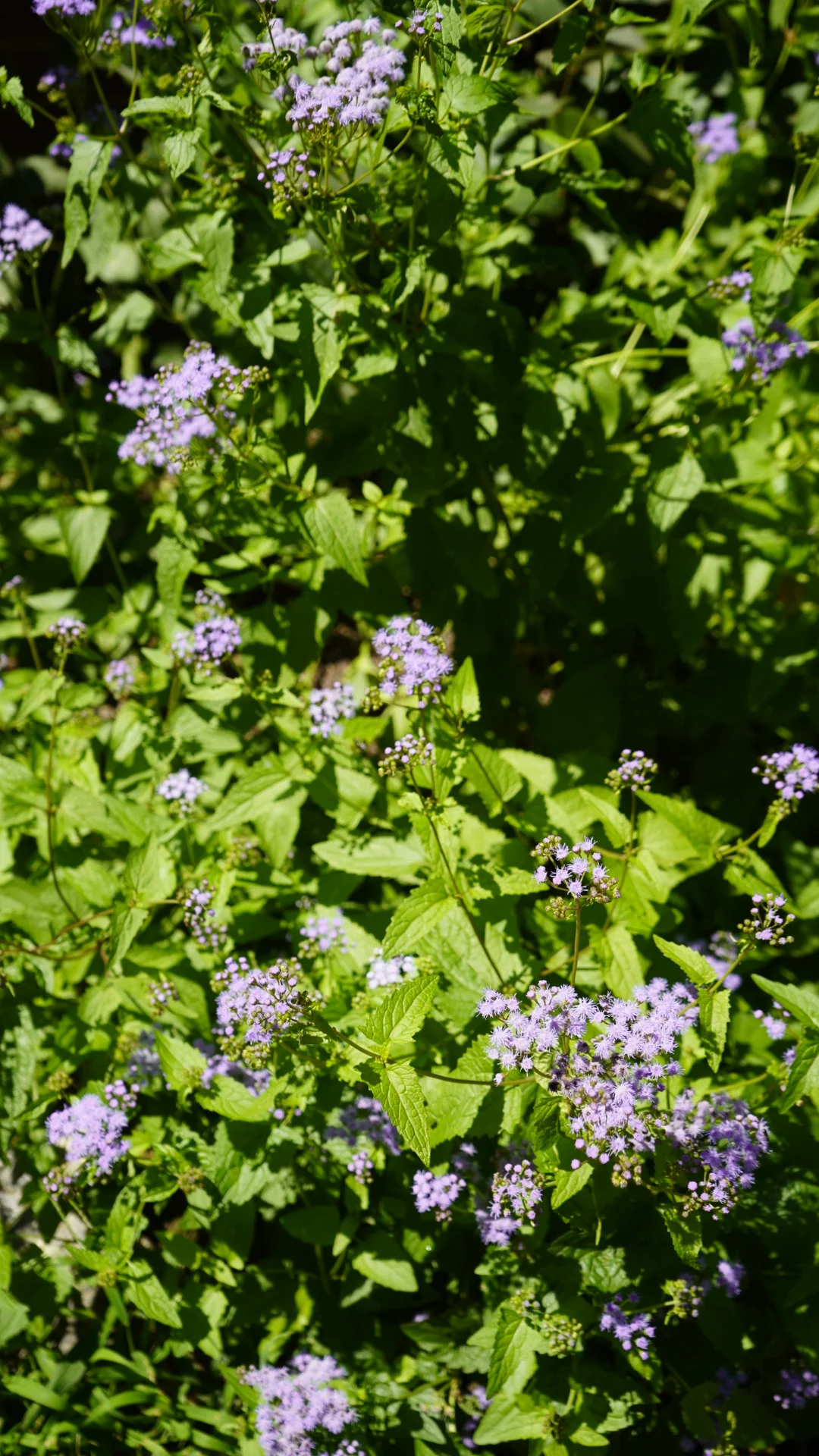
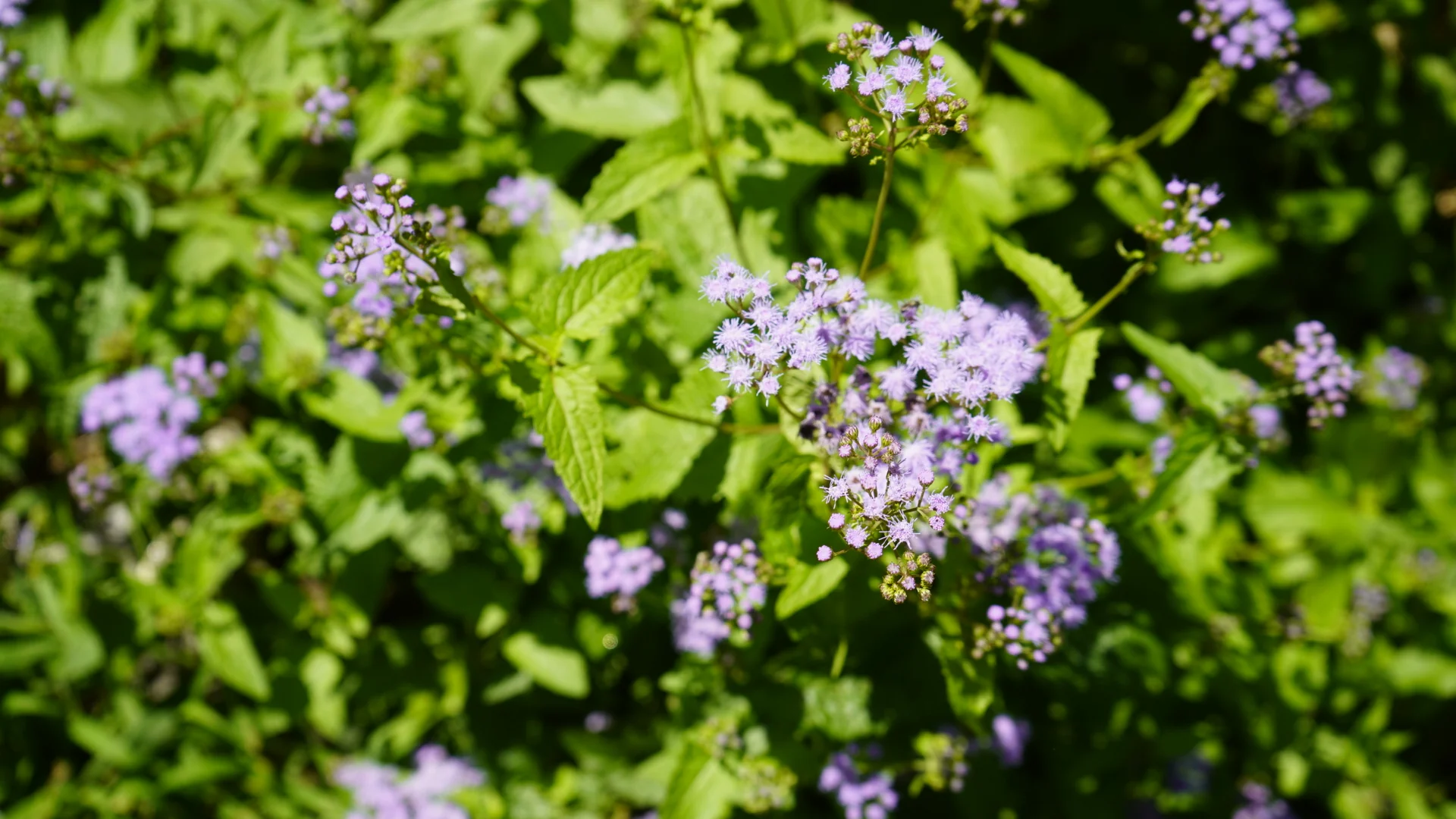
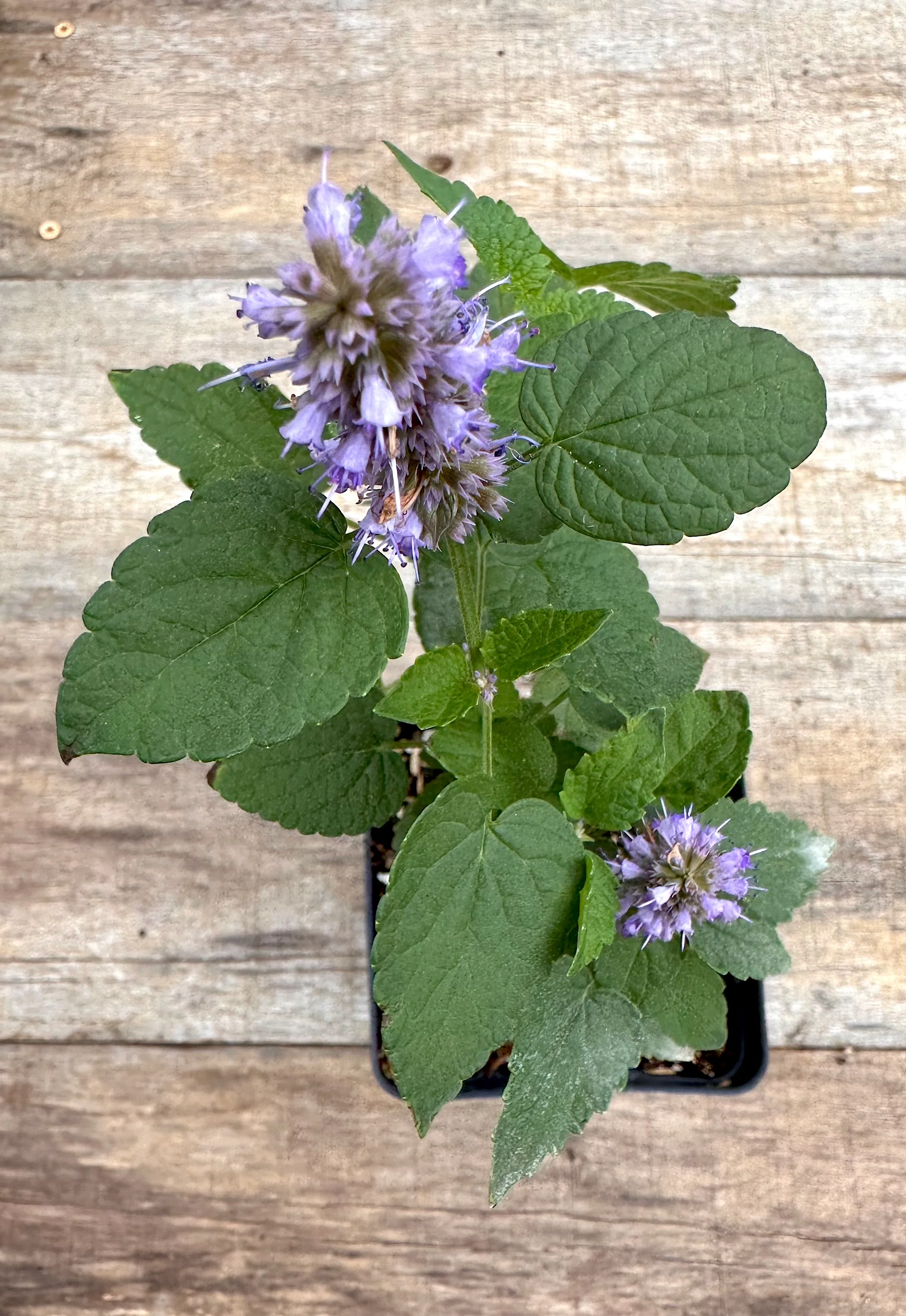
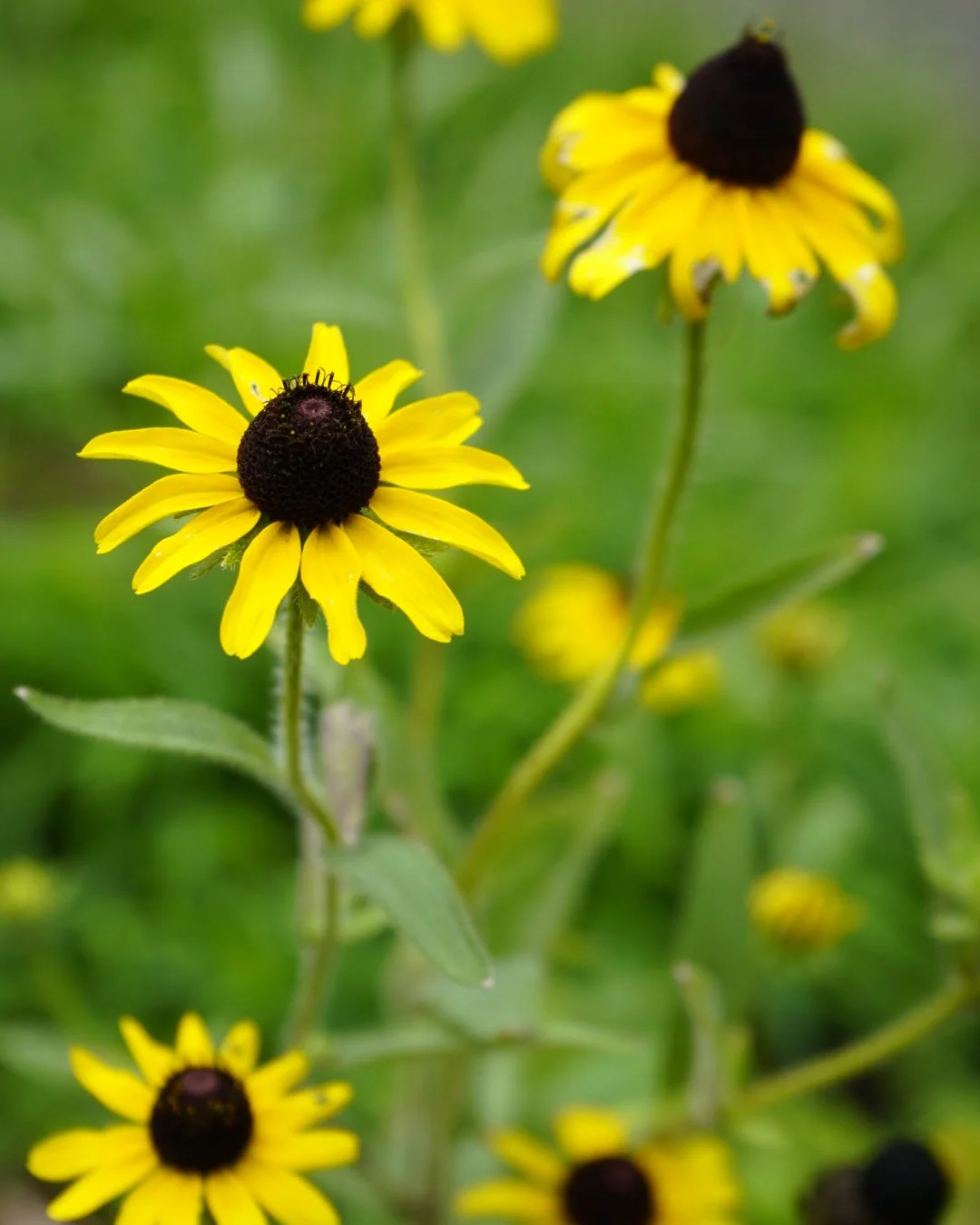
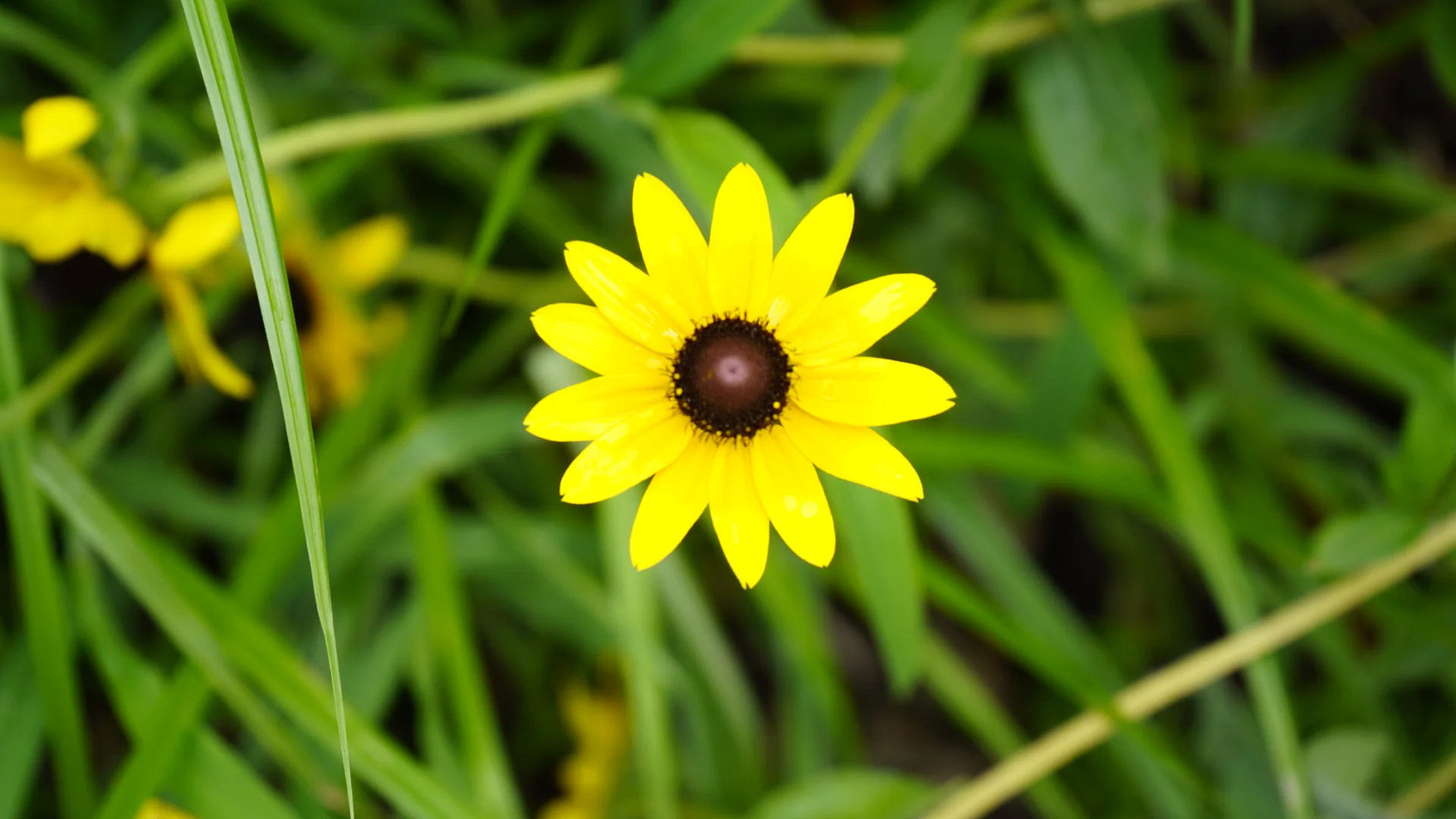
Black Eyed Susan is a beloved native wildflower known for its vibrant golden-yellow petals and striking dark centers. Thriving in meadows, gardens, and borders, this hardy perennial provides crucial ecological benefits, particularly for pollinators. Its long bloom time, from summer into early fall, offers a consistent nectar source for butterflies like the great spangled fritillary and bees, including bumblebees and sweat bees. Additionally, its seeds attract small songbirds such as finches in the late season. While not traditionally used for medicinal purposes, some Native American tribes have used the root for minor wound care and as a diuretic.
Key Characteristics:
-
Pollinator and Bird Magnet
Black Eyed Susan attracts various pollinators, including butterflies, bees, and wasps. After blooming, the seed heads provide food for finches and sparrows, supporting wildlife into fall. -
Drought-Tolerant and Low Maintenance
This tough, drought-tolerant plant thrives in poor, well-drained soils, making it ideal for xeriscapes, prairies, and low-maintenance gardens where it will readily self-seed. -
Medicinal Uses by Native Americans
Traditionally, the roots were used in Native American medicine as a poultice for sores and swelling, and in teas for kidney and urinary support. These uses are less common today but remain part of its ethnobotanical history. -
Perfect for Naturalized Areas
Black Eyed Susan is excellent for wildflower meadows, prairies, and pollinator gardens. Its ability to self-seed and naturalize makes it perfect for filling in gaps in native plantings or erosion control. -
Extended Season Bloomer
With blooms from July through September, Black Eyed Susan helps extend the garden's flowering season, providing late-season forage for pollinators when many other plants have faded.
Product Details:
- Native range: North America
- Plant life cycle: Perennial
- Sun requirements: Full sun to part shade
- Soil requirements: Well-drained, dry to medium
- Mature height: 2-3 feet
- Bloom time: July to September
- Bloom color: Golden yellow with dark brown centers
- USDA Hardiness zones: 3-9
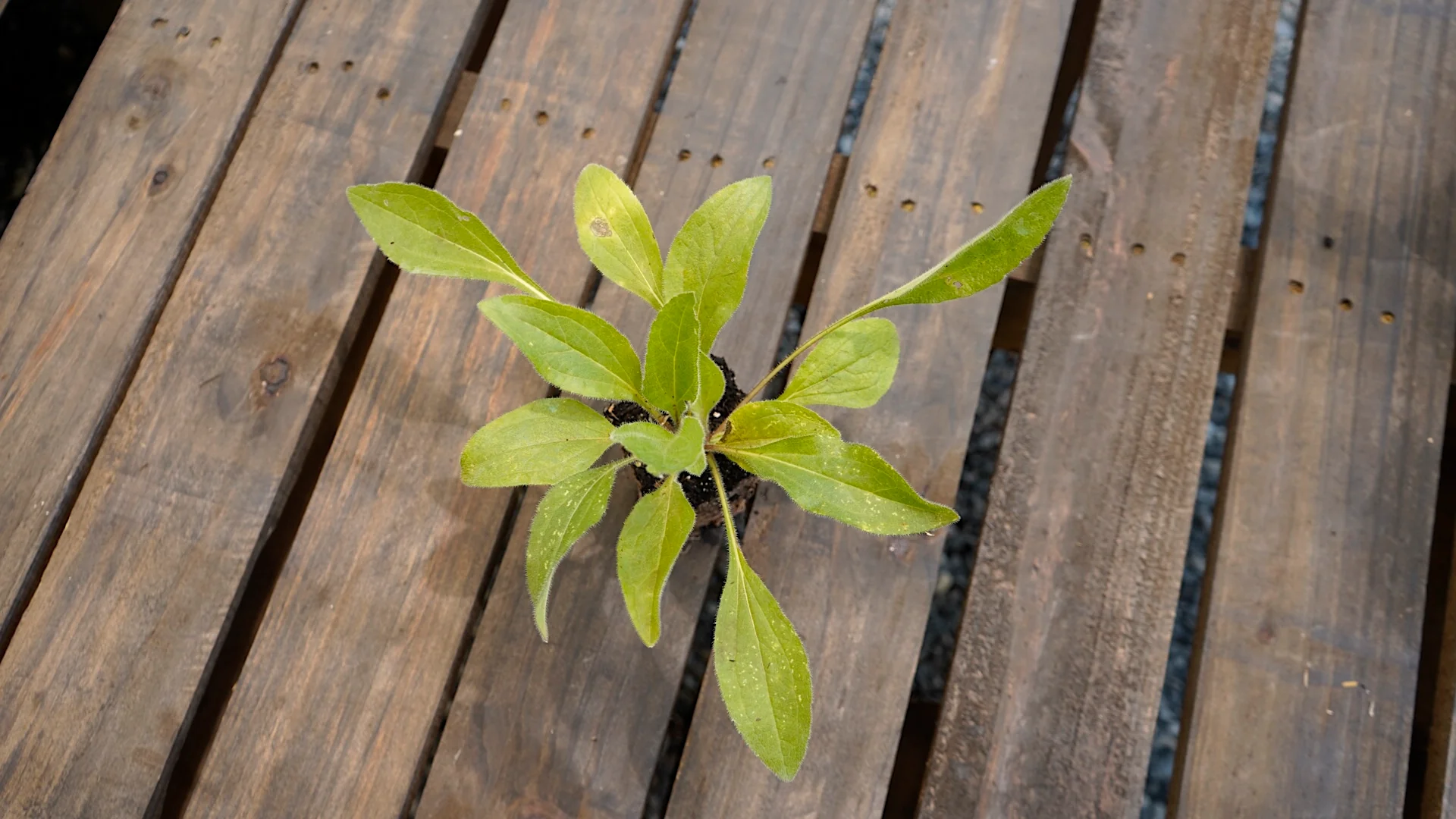
Black Eyed Susan brings vibrant color and essential wildlife benefits to any naturalized garden or landscape.
Original: $4.25
-65%$4.25
$1.49Product Information
Product Information
Shipping & Returns
Shipping & Returns
Description
Rudbeckia, Black Eyed Susan (Rudbeckia hirta)
Black Eyed Susan is a beloved native wildflower known for its vibrant golden-yellow petals and striking dark centers. Thriving in meadows, gardens, and borders, this hardy perennial provides crucial ecological benefits, particularly for pollinators. Its long bloom time, from summer into early fall, offers a consistent nectar source for butterflies like the great spangled fritillary and bees, including bumblebees and sweat bees. Additionally, its seeds attract small songbirds such as finches in the late season. While not traditionally used for medicinal purposes, some Native American tribes have used the root for minor wound care and as a diuretic.
Key Characteristics:
-
Pollinator and Bird Magnet
Black Eyed Susan attracts various pollinators, including butterflies, bees, and wasps. After blooming, the seed heads provide food for finches and sparrows, supporting wildlife into fall. -
Drought-Tolerant and Low Maintenance
This tough, drought-tolerant plant thrives in poor, well-drained soils, making it ideal for xeriscapes, prairies, and low-maintenance gardens where it will readily self-seed. -
Medicinal Uses by Native Americans
Traditionally, the roots were used in Native American medicine as a poultice for sores and swelling, and in teas for kidney and urinary support. These uses are less common today but remain part of its ethnobotanical history. -
Perfect for Naturalized Areas
Black Eyed Susan is excellent for wildflower meadows, prairies, and pollinator gardens. Its ability to self-seed and naturalize makes it perfect for filling in gaps in native plantings or erosion control. -
Extended Season Bloomer
With blooms from July through September, Black Eyed Susan helps extend the garden's flowering season, providing late-season forage for pollinators when many other plants have faded.
Product Details:
- Native range: North America
- Plant life cycle: Perennial
- Sun requirements: Full sun to part shade
- Soil requirements: Well-drained, dry to medium
- Mature height: 2-3 feet
- Bloom time: July to September
- Bloom color: Golden yellow with dark brown centers
- USDA Hardiness zones: 3-9
Black Eyed Susan brings vibrant color and essential wildlife benefits to any naturalized garden or landscape.