Elderberry, Adams
Adams Elderberry (Sambucus canadensis 'Adams')
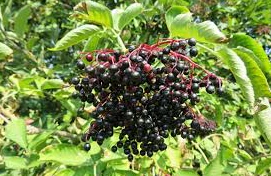
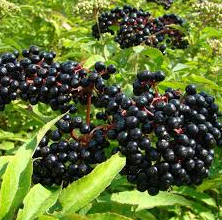
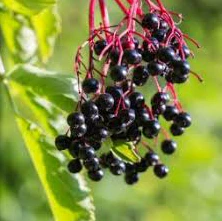
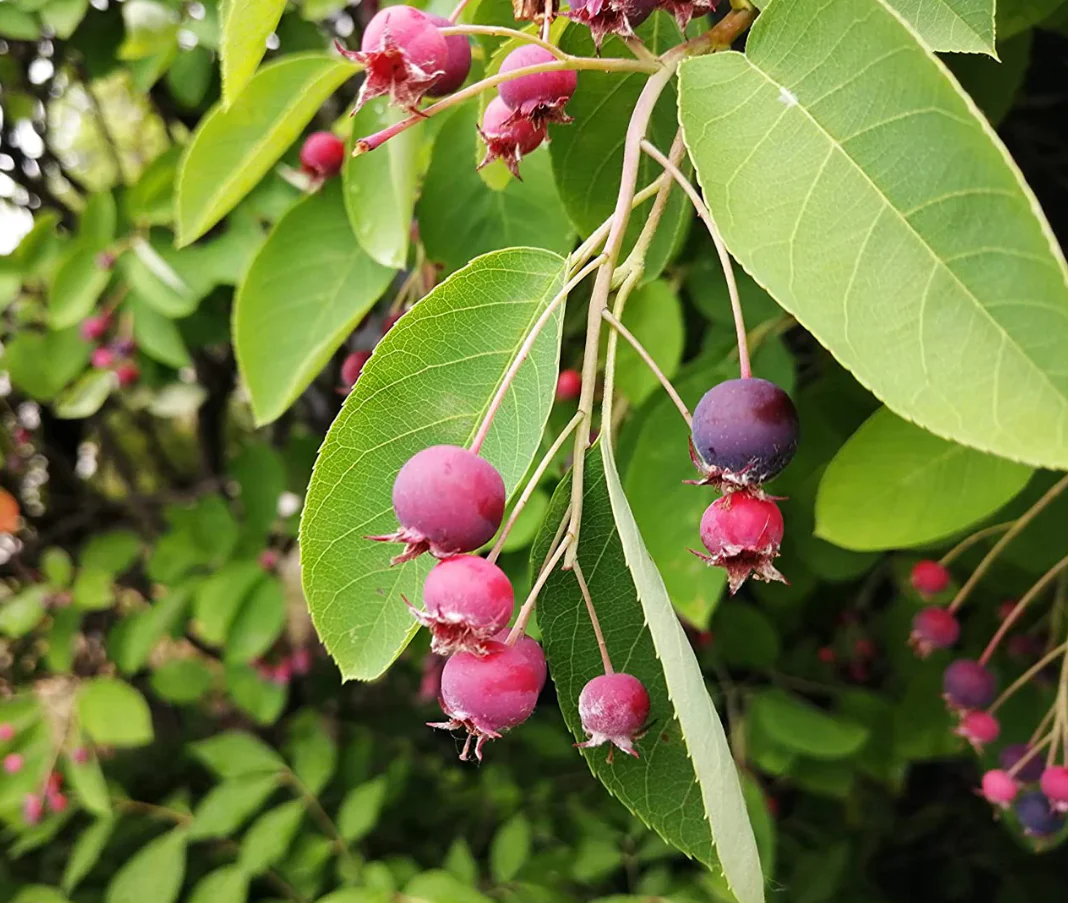
The Adams elderberry is a highly productive, vigorous variety of the native American elderberry, prized for its large clusters of deep purple-black berries. Known for its superior fruit quality, Adams produces sweet, juicy berries that are excellent for making syrups, jams, wines, and medicinal preparations. This easy-to-grow shrub is also a powerhouse for wildlife, providing nectar for pollinators in spring and a vital late-summer food source for birds.
Key Characteristics
-
Abundant, Large Elderberries for Culinary and Medicinal Uses
Adams produces heavy yields of dark, juicy elderberries, known for their high antioxidant and immune-supporting properties. The berries are ideal for making elderberry syrup, wine, jellies, and herbal remedies. -
Excellent Pollinator Plant with Showy Spring Blooms
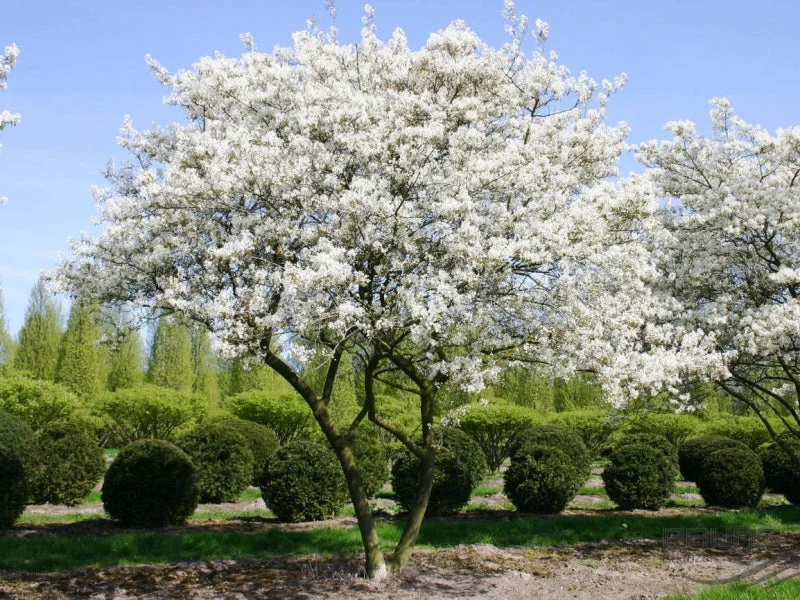
In late spring to early summer, Adams elderberry bursts into clusters of fragrant, creamy-white flowers that attract bees, butterflies, and other beneficial insects, making it a great addition to pollinator-friendly gardens. -
Supports Birds and Wildlife with Late-Summer Fruit
The rich, nutrient-dense berries ripen in late summer, providing an important food source for songbirds, including robins, cedar waxwings, and bluebirds, as well as other wildlife. -
Thrives in Wet or Dry Soils and Works Well in Diverse Landscapes
Adams is adaptable to a variety of conditions, thriving in both moist and moderately dry soils. It's excellent for use in hedgerows, food forests, riparian plantings, and permaculture designs. -
Best Yields with Cross-Pollination
While Adams is partially self-fertile, planting it alongside another elderberry variety, such as Johns or York, will significantly boost fruit production.
Product Details
- Native Range: Eastern and Central North America
- Plant Life Cycle: Perennial
- Sun Requirements: Full sun to partial shade
- Soil Requirements: Medium to wet, well-drained
- Mature Height: 6-10 feet
- Bloom Time: May - June
- Bloom Color: White
- Fruit Qualities: Large, dark purple-black berries; sweet and juicy when fully ripe
- Fruit Uses: Syrups, wines, jams, jellies, teas, medicinal preparations
- Fruit Ripening: August - September
- Pollination Requirements: Partially self-fertile, but higher yields with another elderberry variety (Johns or York)
- USDA Hardiness Zones: 3-9
With its high-yielding fruit, pollinator-friendly blooms, and adaptability to diverse landscapes, Adams elderberry is an excellent choice for food forests, hedgerows, and medicinal gardens.
Original: $17.95
-65%$17.95
$6.28Product Information
Product Information
Shipping & Returns
Shipping & Returns
Description
Adams Elderberry (Sambucus canadensis 'Adams')
The Adams elderberry is a highly productive, vigorous variety of the native American elderberry, prized for its large clusters of deep purple-black berries. Known for its superior fruit quality, Adams produces sweet, juicy berries that are excellent for making syrups, jams, wines, and medicinal preparations. This easy-to-grow shrub is also a powerhouse for wildlife, providing nectar for pollinators in spring and a vital late-summer food source for birds.
Key Characteristics
-
Abundant, Large Elderberries for Culinary and Medicinal Uses
Adams produces heavy yields of dark, juicy elderberries, known for their high antioxidant and immune-supporting properties. The berries are ideal for making elderberry syrup, wine, jellies, and herbal remedies. -
Excellent Pollinator Plant with Showy Spring Blooms
In late spring to early summer, Adams elderberry bursts into clusters of fragrant, creamy-white flowers that attract bees, butterflies, and other beneficial insects, making it a great addition to pollinator-friendly gardens. -
Supports Birds and Wildlife with Late-Summer Fruit
The rich, nutrient-dense berries ripen in late summer, providing an important food source for songbirds, including robins, cedar waxwings, and bluebirds, as well as other wildlife. -
Thrives in Wet or Dry Soils and Works Well in Diverse Landscapes
Adams is adaptable to a variety of conditions, thriving in both moist and moderately dry soils. It's excellent for use in hedgerows, food forests, riparian plantings, and permaculture designs. -
Best Yields with Cross-Pollination
While Adams is partially self-fertile, planting it alongside another elderberry variety, such as Johns or York, will significantly boost fruit production.
Product Details
- Native Range: Eastern and Central North America
- Plant Life Cycle: Perennial
- Sun Requirements: Full sun to partial shade
- Soil Requirements: Medium to wet, well-drained
- Mature Height: 6-10 feet
- Bloom Time: May - June
- Bloom Color: White
- Fruit Qualities: Large, dark purple-black berries; sweet and juicy when fully ripe
- Fruit Uses: Syrups, wines, jams, jellies, teas, medicinal preparations
- Fruit Ripening: August - September
- Pollination Requirements: Partially self-fertile, but higher yields with another elderberry variety (Johns or York)
- USDA Hardiness Zones: 3-9
With its high-yielding fruit, pollinator-friendly blooms, and adaptability to diverse landscapes, Adams elderberry is an excellent choice for food forests, hedgerows, and medicinal gardens.