Elderberry, Ranch
Elderberry, Ranch (Sambucus nigra subsp. canadensis ‘Ranch’)
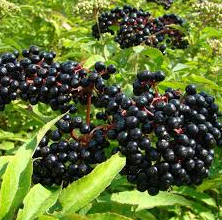
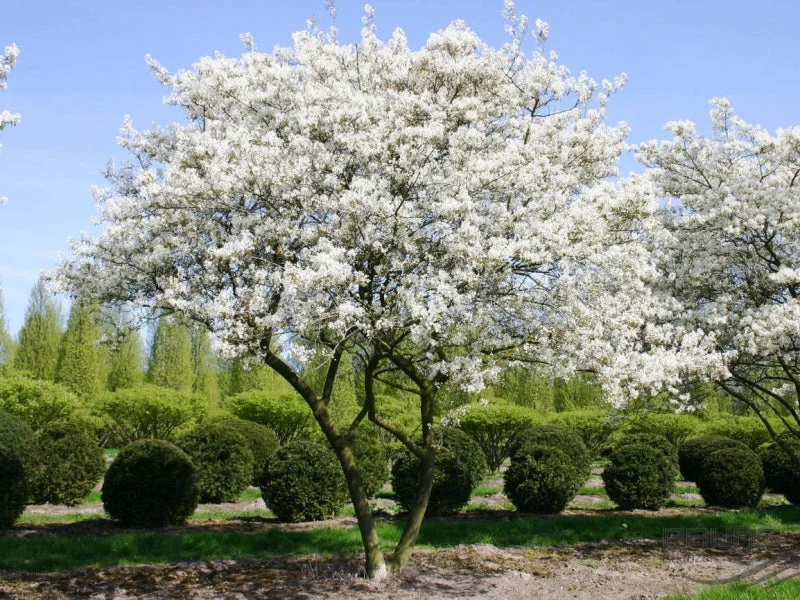
Ranch elderberry is a hardy, early-ripening American elderberry variety selected for cold tolerance, compact growth, and reliable fruit production. Originally developed in Canada, it is especially well-suited to northern climates and challenging growing conditions. With abundant clusters of dark berries and strong adaptability, it serves as both a productive fruiting shrub and a valuable ecological plant.
Key Characteristics
Early-ripening berries for reliable harvests
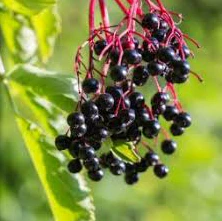
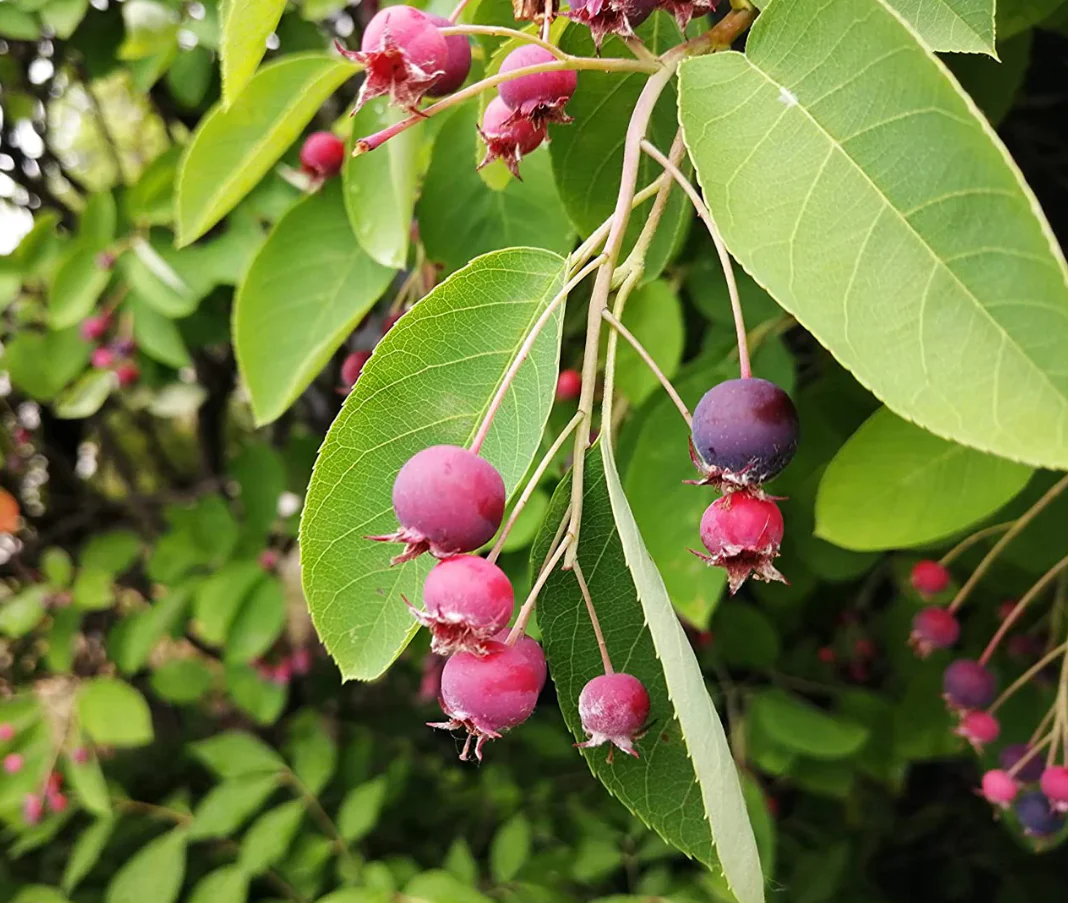
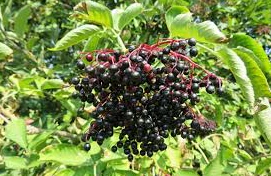
Ranch is known for ripening earlier than many other elderberry varieties, helping avoid late-season weather risks. It produces clusters of small, dark purple-black berries rich in antioxidants, ideal for syrups, wines, and preserves. As with all elderberries, fruit should be cooked before consumption.
Cold-hardy and resilient growth habit
This variety was selected for its ability to withstand colder climates and shorter growing seasons. It performs reliably in a range of conditions, making it a strong choice for growers in less predictable environments or northern regions.
Medicinal flowers and berries for traditional use
Both flowers and berries are widely used in herbal preparations. The flowers are often used in teas for colds and fevers, while the berries are processed into syrups and extracts for immune support. This dual-use makes Ranch elderberry a practical addition to medicinal plantings.
Well-suited for hedgerows, wildlife habitat, and restoration
Ranch elderberry integrates easily into hedgerows, riparian buffers, and food forests. Its dense branching provides habitat for birds, while flowers support pollinators. It also performs well in moist soils, contributing to erosion control and soil stabilization.
- Native range: North America (cultivar selection, Canadian origin)
- Plant life cycle: Perennial shrub
- Sun requirements: Full sun to partial shade
- Soil requirements: Medium to medium-wet (tolerates wet soils)
- Mature height: 5–8 feet
- Bloom time: June – July
- Bloom color: White
- USDA Hardiness zones: 3–9
For best results, plant in full sun with adequate moisture and space for spreading. For improved yields, plant alongside another elderberry variety (such as ‘Bob Gordon’ or ‘Wyldewood’) for cross-pollination. Prune annually to encourage vigorous new growth and maximize fruit production.
Original: $17.95
-65%$17.95
$6.28Product Information
Product Information
Shipping & Returns
Shipping & Returns
Description
Elderberry, Ranch (Sambucus nigra subsp. canadensis ‘Ranch’)
Ranch elderberry is a hardy, early-ripening American elderberry variety selected for cold tolerance, compact growth, and reliable fruit production. Originally developed in Canada, it is especially well-suited to northern climates and challenging growing conditions. With abundant clusters of dark berries and strong adaptability, it serves as both a productive fruiting shrub and a valuable ecological plant.
Key Characteristics
Early-ripening berries for reliable harvests
Ranch is known for ripening earlier than many other elderberry varieties, helping avoid late-season weather risks. It produces clusters of small, dark purple-black berries rich in antioxidants, ideal for syrups, wines, and preserves. As with all elderberries, fruit should be cooked before consumption.
Cold-hardy and resilient growth habit
This variety was selected for its ability to withstand colder climates and shorter growing seasons. It performs reliably in a range of conditions, making it a strong choice for growers in less predictable environments or northern regions.
Medicinal flowers and berries for traditional use
Both flowers and berries are widely used in herbal preparations. The flowers are often used in teas for colds and fevers, while the berries are processed into syrups and extracts for immune support. This dual-use makes Ranch elderberry a practical addition to medicinal plantings.
Well-suited for hedgerows, wildlife habitat, and restoration
Ranch elderberry integrates easily into hedgerows, riparian buffers, and food forests. Its dense branching provides habitat for birds, while flowers support pollinators. It also performs well in moist soils, contributing to erosion control and soil stabilization.
- Native range: North America (cultivar selection, Canadian origin)
- Plant life cycle: Perennial shrub
- Sun requirements: Full sun to partial shade
- Soil requirements: Medium to medium-wet (tolerates wet soils)
- Mature height: 5–8 feet
- Bloom time: June – July
- Bloom color: White
- USDA Hardiness zones: 3–9
For best results, plant in full sun with adequate moisture and space for spreading. For improved yields, plant alongside another elderberry variety (such as ‘Bob Gordon’ or ‘Wyldewood’) for cross-pollination. Prune annually to encourage vigorous new growth and maximize fruit production.