Elderberry, Johns
Johns Elderberry (Sambucus canadensis 'Johns')
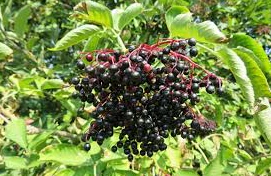
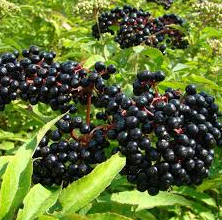
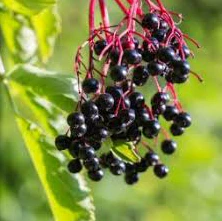
A powerhouse in elderberry production, Johns is known for its exceptionally large berry clusters and vigorous growth. This early-producing variety was selected for its superior fruit size and heavy yields, making it a top choice for syrups, wines, jams, and medicinal preparations. With its showy white flower clusters in late spring and abundant fruit in late summer, Johns not only provides a valuable harvest but also supports pollinators and birds.
Key Characteristics
-
Large, Early-Ripening Elderberries for Culinary and Medicinal Uses
Johns produces some of the largest elderberries of any American elderberry variety. These deep purple-black berries ripen slightly earlier than other varieties and are perfect for syrups, jellies, wines, teas, and immune-supporting herbal remedies. -
Abundant White Flowers for Pollinators and Herbal Uses
In late spring, Johns elderberry bursts into large, fragrant clusters of creamy-white flowers, attracting bees, butterflies, and other beneficial insects. The flowers can also be harvested for elderflower tea, syrups, or cordials. -
Heavy Yields and Fast Growth for Maximum Production
This variety is known for its vigorous growth and high fruit yields. Johns elderberry is ideal for growers looking to maximize berry production in home gardens, food forests, or permaculture systems. -
Supports Birds and Wildlife with Late-Summer Fruit
Elderberries are an important late-season food source for songbirds, including cedar waxwings, robins, and bluebirds. By planting Johns, you create an essential food supply for native wildlife. -
Best Yields with Cross-Pollination
While Johns is partially self-fertile, planting it alongside another elderberry variety, such as Adams or York, will significantly increase fruit production.
Product Details
- Native Range: Eastern and Central North America
- Plant Life Cycle: Perennial
- Sun Requirements: Full sun to partial shade
- Soil Requirements: Medium to wet, well-drained
- Mature Height: 8-12 feet
- Bloom Time: May - June
- Bloom Color: White
- Fruit Qualities: Large, dark purple-black berries; early-ripening
- Fruit Uses: Syrups, wines, jellies, teas, medicinal preparations
- Fruit Ripening: August
- Pollination Requirements: Partially self-fertile, but higher yields with another elderberry variety (Adams or York)
- USDA Hardiness Zones: 3-9
With its early ripening fruit, large berry clusters, and strong pollinator appeal, Johns elderberry is an outstanding choice for home gardeners, wildlife plantings, and medicinal herb gardens.
Original: $17.95
-65%$17.95
$6.28Product Information
Product Information
Shipping & Returns
Shipping & Returns
Description
Johns Elderberry (Sambucus canadensis 'Johns')
A powerhouse in elderberry production, Johns is known for its exceptionally large berry clusters and vigorous growth. This early-producing variety was selected for its superior fruit size and heavy yields, making it a top choice for syrups, wines, jams, and medicinal preparations. With its showy white flower clusters in late spring and abundant fruit in late summer, Johns not only provides a valuable harvest but also supports pollinators and birds.
Key Characteristics
-
Large, Early-Ripening Elderberries for Culinary and Medicinal Uses
Johns produces some of the largest elderberries of any American elderberry variety. These deep purple-black berries ripen slightly earlier than other varieties and are perfect for syrups, jellies, wines, teas, and immune-supporting herbal remedies. -
Abundant White Flowers for Pollinators and Herbal Uses
In late spring, Johns elderberry bursts into large, fragrant clusters of creamy-white flowers, attracting bees, butterflies, and other beneficial insects. The flowers can also be harvested for elderflower tea, syrups, or cordials. -
Heavy Yields and Fast Growth for Maximum Production
This variety is known for its vigorous growth and high fruit yields. Johns elderberry is ideal for growers looking to maximize berry production in home gardens, food forests, or permaculture systems. -
Supports Birds and Wildlife with Late-Summer Fruit
Elderberries are an important late-season food source for songbirds, including cedar waxwings, robins, and bluebirds. By planting Johns, you create an essential food supply for native wildlife. -
Best Yields with Cross-Pollination
While Johns is partially self-fertile, planting it alongside another elderberry variety, such as Adams or York, will significantly increase fruit production.
Product Details
- Native Range: Eastern and Central North America
- Plant Life Cycle: Perennial
- Sun Requirements: Full sun to partial shade
- Soil Requirements: Medium to wet, well-drained
- Mature Height: 8-12 feet
- Bloom Time: May - June
- Bloom Color: White
- Fruit Qualities: Large, dark purple-black berries; early-ripening
- Fruit Uses: Syrups, wines, jellies, teas, medicinal preparations
- Fruit Ripening: August
- Pollination Requirements: Partially self-fertile, but higher yields with another elderberry variety (Adams or York)
- USDA Hardiness Zones: 3-9
With its early ripening fruit, large berry clusters, and strong pollinator appeal, Johns elderberry is an outstanding choice for home gardeners, wildlife plantings, and medicinal herb gardens.